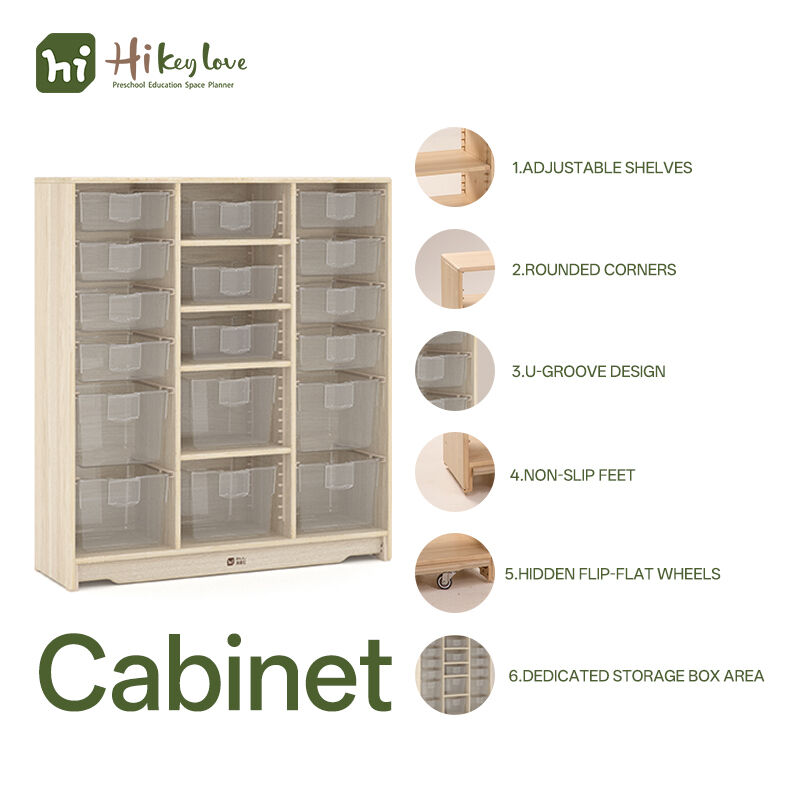
The foundation of early childhood education extends far beyond curriculum and teaching methods. The physical environment, particularly kindergarten furniture, plays a crucial role in shaping young learners' educational experiences and developmental outcomes. Quality furniture in kindergarten settings directly influences children's comfort, safety, engagement, and overall learning potential. Educational institutions that prioritize thoughtful furniture selection create environments that foster creativity, collaboration, and cognitive development while supporting teachers in delivering effective instruction.
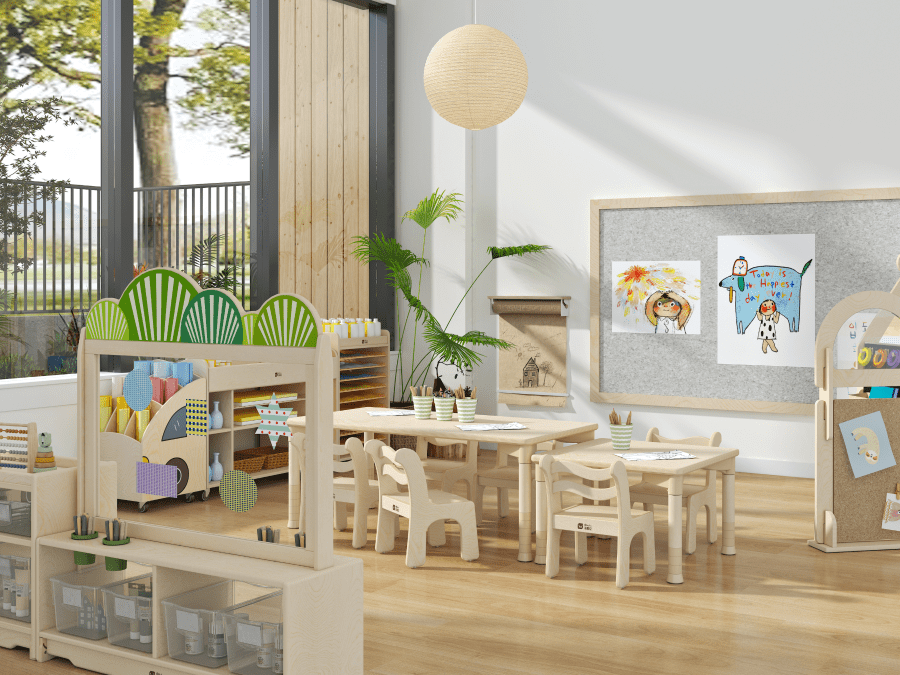
Research consistently demonstrates that well-designed learning environments significantly impact academic performance and social development in early childhood settings. When kindergarten furniture is carefully selected to meet developmental needs, children experience improved focus, increased participation, and enhanced learning outcomes. The investment in quality educational furniture represents a strategic decision that benefits students, teachers, and educational institutions for years to come.
Understanding the Connection Between Environment and Learning
Neurological Impact of Physical Spaces
Young children's developing brains are particularly sensitive to environmental factors, making kindergarten furniture selection a critical consideration for educational success. Neuroscience research reveals that comfortable, appropriately sized furniture supports optimal brain function by reducing physical stress and cognitive load. When children can sit comfortably and access materials easily, their minds are free to focus on learning rather than physical discomfort or spatial challenges.
The connection between physical comfort and cognitive performance is especially pronounced in kindergarten-aged children whose bodies are still developing coordination and postural control. Quality kindergarten furniture provides the stability and support necessary for young learners to engage fully in educational activities. Ergonomically designed chairs and tables promote proper posture, reducing fatigue and enabling sustained attention during learning activities.
Psychological Benefits of Well-Designed Spaces
The psychological impact of kindergarten furniture extends beyond mere comfort to influence children's emotional well-being and sense of belonging. Thoughtfully designed furniture creates inviting spaces that make children feel valued and secure. When young learners feel comfortable in their environment, they are more likely to participate actively, take learning risks, and develop positive associations with education.
Color psychology and design aesthetics incorporated into kindergarten furniture choices can significantly affect children's mood and behavior. Bright, cheerful colors stimulate creativity and energy, while softer tones promote calm focus during quiet activities. The visual appeal of quality furniture contributes to creating an environment that children are excited to enter and reluctant to leave.
Safety Considerations in Kindergarten Furniture Selection
Material Safety and Durability Standards
Safety represents the paramount concern when selecting kindergarten furniture for educational environments. Quality manufacturers adhere to strict safety standards, using non-toxic materials and finishes that protect children's health. Furniture made from certified safe materials eliminates concerns about harmful chemical exposure, creating healthier learning environments for both students and staff.
Durability testing ensures that kindergarten furniture can withstand the active use typical in early childhood settings. Robust construction prevents furniture failure that could result in injuries, while reinforced joints and sturdy materials maintain structural integrity throughout years of daily use. Investment in durable furniture ultimately proves more cost-effective than frequent replacements of inferior products.
Age-Appropriate Design Features
Kindergarten furniture must be specifically designed to accommodate the physical characteristics and abilities of young children. Appropriate sizing ensures that children can sit comfortably with feet flat on the floor and arms at proper angles for writing and activities. Rounded corners and smooth edges eliminate sharp points that could cause injury during active play or movement around the classroom.
Stability features in kindergarten furniture design prevent tipping and sliding, reducing accident risks in dynamic learning environments. Anti-tip mechanisms and weighted bases provide security when children lean or move energetically during activities. These safety features allow children to focus on learning without unnecessary caution about furniture stability.
Flexibility and Adaptability in Learning Spaces
Modular Furniture Solutions
Modern kindergarten furniture increasingly emphasizes flexibility to support diverse learning activities and teaching methods. Modular systems allow teachers to quickly reconfigure spaces for different activities, from individual work to group projects to circle time discussions. This adaptability maximizes the utility of classroom space while accommodating various learning styles and preferences.
Lightweight yet sturdy kindergarten furniture enables easy rearrangement by teachers and even older students, promoting independence and ownership of learning spaces. Mobile storage units and stackable seating options provide versatility without compromising safety or durability. The ability to transform spaces quickly supports dynamic teaching methods that keep young learners engaged and motivated.
Multi-Functional Design Elements
Innovative Kindergarten Furniture incorporates multiple functions into single pieces, maximizing educational value within limited space budgets. Tables with built-in storage compartments help maintain organized learning environments while teaching children responsibility for materials. Seating that doubles as storage provides practical solutions for classroom management challenges.
Interactive furniture features, such as whiteboards integrated into table surfaces or magnetic panels on storage units, extend learning opportunities throughout the classroom. These multi-functional elements encourage exploration and discovery while making efficient use of available resources. Children benefit from environments rich with learning possibilities at every turn.
Supporting Different Learning Activities
Reading and Literacy Development
Specialized kindergarten furniture designed for reading activities creates comfortable spaces that encourage literacy development. Reading nooks with soft seating and appropriate lighting invite children to explore books independently or in small groups. Book display units at child-appropriate heights make literature accessible and appealing, fostering love for reading from an early age.
Proper seating for storytelling sessions supports extended periods of listening and engagement. Carpeted areas with low, comfortable seating allow children to gather closely for shared reading experiences while maintaining good sightlines to books and visual aids. The physical comfort provided by quality furniture extends attention spans and enhances comprehension during literacy activities.
Creative Arts and Expression
Art activities in kindergarten settings require specialized furniture that can withstand creative mess while providing appropriate work surfaces. Height-adjustable tables accommodate children of varying sizes and can adapt to different art projects from fine motor activities to large collaborative murals. Easy-to-clean surfaces and protective finishes ensure that kindergarten furniture maintains its appearance despite frequent art activities.
Storage solutions integrated into art-focused kindergarten furniture keep supplies organized and accessible while teaching children to care for materials. Drying racks, supply caddies, and washable surfaces support the creative process while maintaining classroom organization. Children learn responsibility and independence when furniture design supports their ability to set up and clean up after creative activities.
Social Development Through Furniture Design
Collaborative Learning Spaces
Kindergarten furniture designed for group activities promotes social skills development and collaborative learning. Round or hexagonal tables naturally encourage face-to-face interaction and equal participation among children. The physical arrangement facilitated by thoughtful furniture choices creates opportunities for children to practice communication, sharing, and teamwork skills essential for future academic success.
Flexible seating arrangements supported by appropriate kindergarten furniture allow teachers to form different group sizes and compositions based on learning objectives and social dynamics. Children learn to work with various peers and adapt to different social situations, building confidence and interpersonal skills that extend beyond the classroom.
Independent Learning Opportunities
Individual workstations created with specialized kindergarten furniture provide children with opportunities to develop self-regulation and independent learning skills. Personal space boundaries help children understand concepts of ownership and respect for others' belongings while building confidence in individual capabilities. These spaces offer retreats for children who need quiet time or focused work periods.
Privacy screens and individual storage within kindergarten furniture systems teach children to manage their own materials and workspace. This independence builds executive functioning skills and personal responsibility while reducing classroom management challenges for teachers. Children develop pride in maintaining their individual spaces while learning organizational skills.
Long-Term Benefits of Quality Investment
Cost-Effectiveness Over Time
While initial investment in quality kindergarten furniture may require significant budget allocation, the long-term financial benefits justify the expense. Durable construction and quality materials result in extended furniture lifespan, reducing replacement costs and maintenance requirements. Schools that invest in quality furniture often find that pieces serve multiple generations of students while maintaining functionality and appearance.
Reduced maintenance costs associated with quality kindergarten furniture allow schools to allocate resources to other educational priorities. Furniture that withstands daily use without frequent repairs or refinishing saves both money and administrative time. The reliability of quality furniture also reduces disruptions to learning environments caused by furniture failure or replacement needs.
Supporting Teacher Effectiveness
Quality kindergarten furniture enhances teacher effectiveness by providing reliable tools for classroom management and instruction. Furniture that functions properly allows teachers to focus on teaching rather than managing equipment problems or safety concerns. The confidence that comes from working with dependable furniture translates into more relaxed and effective teaching approaches.
Professional-quality kindergarten furniture also supports teacher satisfaction and retention by creating pleasant working environments. Teachers appreciate working in well-equipped classrooms that reflect institutional commitment to educational quality. The pride associated with quality facilities can contribute to positive school culture and staff morale.
FAQ
How does kindergarten furniture specifically impact learning outcomes
Kindergarten furniture impacts learning outcomes by providing physical comfort that enables sustained attention, supporting proper posture for fine motor development, and creating organized environments that reduce distractions. Quality furniture also promotes social interaction through thoughtful design that encourages collaboration and communication among young learners. The psychological comfort of appealing, child-appropriate furniture helps children develop positive associations with learning environments.
What safety features should be prioritized in kindergarten furniture selection
Essential safety features in kindergarten furniture include rounded corners and smooth edges to prevent injuries, non-toxic materials and finishes to protect health, appropriate sizing for kindergarten-aged children, stability features to prevent tipping, and durable construction that maintains structural integrity. All furniture should meet or exceed safety standards established for early childhood environments and undergo regular safety inspections.
How can schools maximize their kindergarten furniture budget
Schools can maximize kindergarten furniture budgets by investing in quality pieces that offer longevity rather than cheaper alternatives requiring frequent replacement. Selecting modular and multi-functional furniture provides versatility and extended value. Schools should also consider phased purchasing plans, seek bulk pricing opportunities, and research grants or funding specifically available for educational furniture purchases.
What role does kindergarten furniture play in supporting different learning styles
Kindergarten furniture supports different learning styles by providing varied seating options for children who learn better while moving or in specific positions, creating quiet spaces for children who need reduced stimulation, and offering collaborative areas for social learners. Flexible furniture arrangements allow teachers to adapt spaces for visual, auditory, and kinesthetic learning activities while accommodating individual student needs and preferences.
