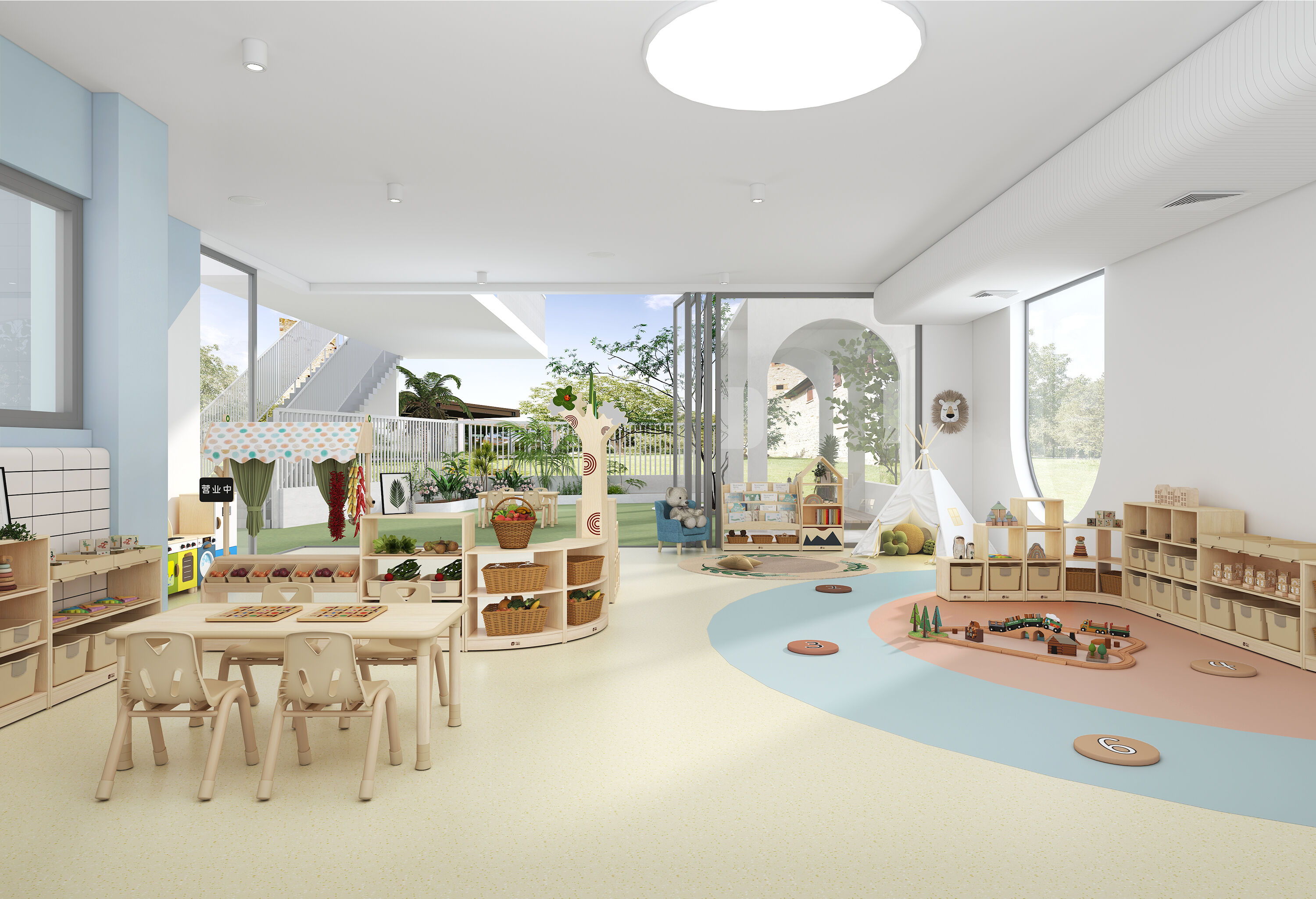
Investing in quality kindergarten furniture represents a significant financial commitment for educational institutions and childcare facilities. Proper maintenance of these essential classroom components ensures maximum return on investment while creating safe, functional learning environments for young children. Understanding the unique demands placed on kindergarten furniture helps administrators develop comprehensive care strategies that extend product lifespan and maintain optimal functionality throughout years of daily use.
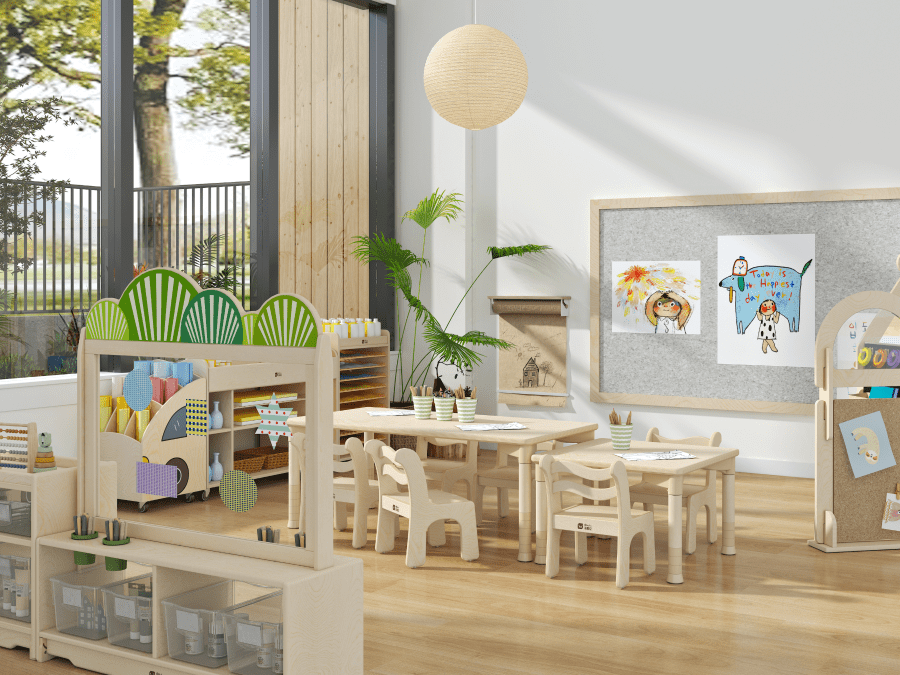
Understanding Your Kindergarten Furniture Materials
Wood Components and Finishes
Most kindergarten furniture incorporates solid wood construction or engineered wood products designed to withstand constant use by active children. These materials require specific maintenance approaches to preserve their structural integrity and appearance. Regular inspection of wood surfaces reveals potential issues before they become costly repairs, while proper cleaning techniques prevent damage from harsh chemicals or excessive moisture exposure.
Wood finishes on kindergarten furniture typically include protective coatings that resist stains, scratches, and water damage. Understanding the specific finish type helps determine appropriate cleaning products and maintenance schedules. Some finishes require periodic reapplication to maintain their protective properties, while others need only routine cleaning with approved solutions to retain their effectiveness.
Metal Framework and Hardware
Steel and aluminum components in kindergarten furniture provide structural support and durability under heavy use conditions. Regular inspection of metal joints, brackets, and hardware prevents unexpected failures that could compromise child safety. Identifying signs of wear, corrosion, or loosening allows for timely repairs before problems escalate into major safety concerns or expensive replacements.
Proper lubrication of moving parts maintains smooth operation while preventing premature wear of mechanical components. Using appropriate lubricants designed for educational furniture ensures compatibility with safety standards while extending component lifespan. Regular tightening of bolts, screws, and other fasteners prevents structural loosening that could lead to instability or failure.
Daily Cleaning and Sanitization Protocols
Establishing Routine Cleaning Schedules
Consistent daily cleaning protocols form the foundation of effective kindergarten furniture maintenance programs. Developing standardized procedures ensures all staff members understand proper techniques and use appropriate products for different surfaces and materials. Documentation of cleaning activities provides accountability while helping identify areas requiring additional attention or modified approaches.
Morning preparation routines should include quick inspections of all furniture items to identify overnight damage, spills, or safety concerns. This proactive approach allows immediate attention to problems before children arrive, maintaining safe learning environments while preventing minor issues from becoming major concerns. Staff training on proper inspection techniques ensures consistent application across all classroom areas.
Selecting Appropriate Cleaning Products
Choosing cleaning products specifically designed for educational environments ensures compatibility with kindergarten furniture materials while meeting health and safety requirements. Many commercial cleaners contain harsh chemicals that can damage protective finishes or create unsafe conditions for young children. Understanding ingredient lists and safety ratings helps administrators select products that effectively clean and sanitize without compromising furniture integrity.
Green cleaning alternatives provide effective sanitization while reducing chemical exposure risks for children and staff. These environmentally friendly options often prove gentler on kindergarten furniture surfaces while maintaining required cleanliness standards. Regular evaluation of product effectiveness ensures cleaning protocols achieve desired results while protecting valuable furniture investments.
Preventive Maintenance Strategies
Regular Inspection and Assessment
Systematic inspection schedules identify potential problems before they compromise kindergarten furniture functionality or safety. Monthly detailed examinations reveal wear patterns, structural weaknesses, and maintenance needs that daily cleaning might overlook. Documenting findings creates maintenance histories that inform future purchasing decisions while ensuring warranty compliance and optimal performance.
Creating inspection checklists standardizes evaluation processes while ensuring consistent coverage of all critical components. These tools help untrained staff identify problems requiring professional attention while preventing oversight of important maintenance indicators. Regular updates to checklists incorporate lessons learned and evolving best practices for kindergarten furniture care.
Proactive Repair and Replacement
Addressing minor repairs promptly prevents escalation into major problems requiring expensive solutions or complete furniture replacement. Maintaining inventories of common replacement parts enables quick responses to emerging issues while minimizing downtime and disruption to educational activities. Understanding warranty coverage and repair procedures ensures maximum value from kindergarten furniture investments.
Establishing relationships with qualified repair services provides access to specialized expertise when internal capabilities prove insufficient. Professional maintenance services understand unique requirements of educational furniture while offering cost-effective solutions for complex problems. Regular service agreements often provide preferential pricing and priority response for urgent repairs.
Environmental Considerations and Protection
Climate Control and Humidity Management
Maintaining appropriate environmental conditions protects kindergarten furniture from damage caused by extreme temperature fluctuations or excessive humidity levels. Wood components particularly suffer from rapid moisture changes that cause expansion, contraction, and potential structural failure. Consistent climate control systems preserve furniture integrity while creating comfortable learning environments for children and staff.
Monitoring systems track environmental conditions and alert administrators to conditions that could damage kindergarten furniture or compromise indoor air quality. These investments pay dividends through extended furniture lifespans and reduced maintenance costs while supporting optimal learning conditions. Understanding seasonal variations helps predict and prevent weather-related furniture problems.
UV Protection and Placement Strategies
Direct sunlight exposure accelerates deterioration of kindergarten furniture finishes and materials through UV radiation damage. Strategic placement away from windows or installation of protective window treatments preserves furniture appearance while maintaining natural lighting benefits. Understanding sun patterns throughout the day and seasons helps optimize furniture positioning for maximum protection.
Rotating furniture placement periodically distributes wear patterns evenly while preventing localized damage from consistent exposure to harsh conditions. This strategy extends overall furniture lifespan while maintaining uniform appearance across classroom environments. Planning rotation schedules around academic calendars minimizes disruption to educational activities while maximizing protective benefits.
Safety Standards and Compliance Maintenance
Regulatory Compliance Monitoring
Educational institutions must ensure kindergarten furniture continues meeting applicable safety standards throughout its service life. Regular compliance assessments verify ongoing adherence to regulations while identifying potential liability issues before they create problems. Understanding evolving standards helps administrators anticipate future requirements and plan appropriate upgrades or replacements.
Documentation of compliance activities provides legal protection while demonstrating due diligence in maintaining safe learning environments. These records prove valuable during inspections, insurance reviews, and potential liability investigations. Maintaining comprehensive documentation systems ensures easy access to critical information when needed while supporting continuous improvement efforts.
Child Safety Feature Maintenance
Special attention to safety features built into kindergarten furniture ensures continued protection for young children during daily use. Rounded edges, secure fasteners, and stability mechanisms require regular inspection and maintenance to preserve their protective functions. Understanding how these features work helps maintenance staff identify problems and implement appropriate solutions.
Training programs for staff members emphasize recognition of safety concerns and proper response procedures when problems arise. Quick identification and removal of damaged kindergarten furniture from service prevents accidents while allowing time for proper repairs. Clear communication protocols ensure all relevant personnel understand their roles in maintaining safe learning environments.
Budget Planning and Cost Management
Lifecycle Cost Analysis
Understanding total cost of ownership for kindergarten furniture helps administrators make informed decisions about maintenance investments versus replacement options. Comprehensive analysis includes purchase price, maintenance costs, repair expenses, and replacement scheduling to determine optimal strategies for different furniture types and usage patterns.
Tracking maintenance expenses over time reveals patterns that inform future budget planning while identifying opportunities for cost reduction through improved procedures or product selection. This data supports informed decision-making about maintenance program investments and helps justify expenditures to administrators and oversight bodies.
Vendor Relationships and Service Agreements
Developing strong relationships with kindergarten furniture suppliers and service providers creates opportunities for favorable pricing, priority service, and expert advice on maintenance best practices. These partnerships often provide access to training resources, technical support, and replacement parts at reduced costs while ensuring compatibility with existing furniture systems.
Service agreements with maintenance providers offer predictable costs while ensuring professional attention to kindergarten furniture care requirements. These contracts typically include regular inspections, preventive maintenance, and emergency repair services at predetermined rates. Comparing service options helps institutions select arrangements that provide best value while meeting specific operational needs.
Staff Training and Development Programs
Comprehensive Training Curricula
Effective kindergarten furniture maintenance requires knowledgeable staff members who understand proper care techniques and safety protocols. Comprehensive training programs cover cleaning procedures, inspection methods, basic repair techniques, and emergency response protocols to ensure consistent application of maintenance standards. Regular updates incorporate new products, techniques, and regulatory requirements into existing curricula.
Hands-on training components provide practical experience with actual kindergarten furniture while reinforcing theoretical knowledge through real-world applications. These sessions help staff develop confidence in their abilities while ensuring proper technique execution. Assessment components verify competency while identifying areas requiring additional attention or remedial training.
Continuous Education and Updates
Ongoing education programs keep maintenance staff current with evolving best practices, new products, and changing regulations affecting kindergarten furniture care. Regular workshops, seminars, and manufacturer training sessions provide opportunities for professional development while introducing innovative maintenance techniques and technologies.
Information sharing among staff members promotes collective learning while encouraging innovation in maintenance approaches. Regular team meetings provide forums for discussing challenges, sharing solutions, and developing improved procedures for kindergarten furniture care. Documentation of lessons learned creates institutional knowledge that survives personnel changes while supporting continuous improvement efforts.
Technology Integration and Modernization
Digital Maintenance Management Systems
Modern maintenance management software streamlines kindergarten furniture care through automated scheduling, inventory tracking, and documentation capabilities. These systems provide centralized databases for maintenance histories, warranty information, and repair records while generating reports that support decision-making and budget planning activities.
Mobile applications enable real-time data entry and access to maintenance information from anywhere within educational facilities. Staff members can immediately document problems, access repair procedures, and communicate with supervisors using smartphones or tablets. This connectivity improves response times while ensuring accurate record keeping for all kindergarten furniture maintenance activities.
Predictive Maintenance Technologies
Advanced monitoring systems use sensors and data analytics to predict maintenance needs before problems become apparent through traditional inspection methods. These technologies identify wear patterns, usage trends, and environmental factors that affect kindergarten furniture performance while optimizing maintenance schedules based on actual conditions rather than arbitrary timelines.
Integration with facility management systems provides comprehensive oversight of all building systems affecting furniture performance, including HVAC, lighting, and security systems. This holistic approach ensures optimal conditions for kindergarten furniture while identifying interdependencies that traditional maintenance programs might overlook. Data-driven insights support evidence-based decision making while maximizing return on maintenance investments.
FAQ
How often should kindergarten furniture be professionally inspected
Professional inspections of kindergarten furniture should occur annually at minimum, with high-use items requiring semi-annual evaluations. These comprehensive assessments identify structural issues, safety concerns, and maintenance needs that routine daily inspections might miss. Additionally, any furniture showing signs of excessive wear or damage should receive immediate professional attention regardless of the regular inspection schedule.
What cleaning products are safe for kindergarten furniture
Safe cleaning products for kindergarten furniture include those specifically designed for educational environments and approved by relevant health authorities. Look for products that are non-toxic, low-VOC, and free from harsh chemicals like bleach or ammonia. Many manufacturers provide recommended cleaning product lists that maintain warranty coverage while ensuring child safety. Always test new products on inconspicuous areas before full application.
When should kindergarten furniture be replaced rather than repaired
Replacement becomes necessary when repair costs exceed 50-60% of replacement value, when structural integrity is compromised beyond safe repair, or when furniture no longer meets current safety standards. Additionally, furniture showing extensive wear that affects functionality or presents safety hazards should be replaced immediately. Consider lifecycle costs and overall condition when making replacement decisions for kindergarten furniture investments.
How can schools extend the lifespan of their kindergarten furniture
Schools can significantly extend kindergarten furniture lifespan through consistent daily cleaning, regular professional maintenance, proper environmental controls, and staff training programs. Implementing rotation schedules to distribute wear evenly, addressing repairs promptly, and following manufacturer maintenance guidelines also contribute to longevity. Investing in quality furniture initially and maintaining detailed maintenance records supports optimal performance throughout the furniture's service life.
Table of Contents
- Understanding Your Kindergarten Furniture Materials
- Daily Cleaning and Sanitization Protocols
- Preventive Maintenance Strategies
- Environmental Considerations and Protection
- Safety Standards and Compliance Maintenance
- Budget Planning and Cost Management
- Staff Training and Development Programs
- Technology Integration and Modernization
- FAQ
