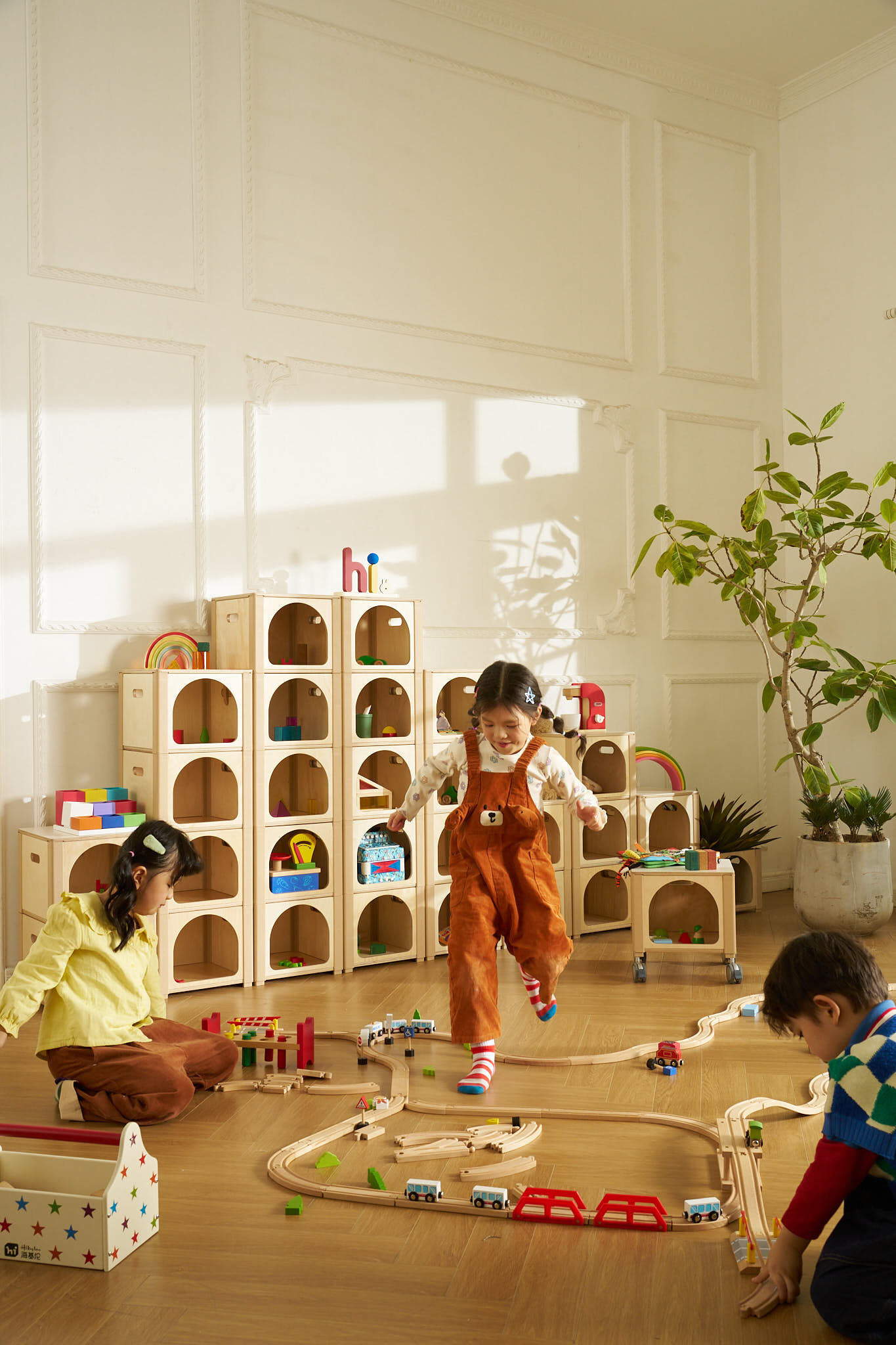
Small classroom spaces present unique challenges for early childhood educators who must create engaging, functional learning environments. When working with limited square footage, every piece of kindergarten furniture must serve multiple purposes while maintaining safety standards and promoting active learning. Strategic furniture selection and arrangement can transform even the most compact spaces into dynamic educational hubs that support various teaching methodologies and learning styles. Understanding how to maximize spatial efficiency while preserving educational quality requires careful consideration of furniture versatility, storage solutions, and flexible layouts.
Essential Principles of Space-Efficient Classroom Design
Multi-Functional Furniture Selection
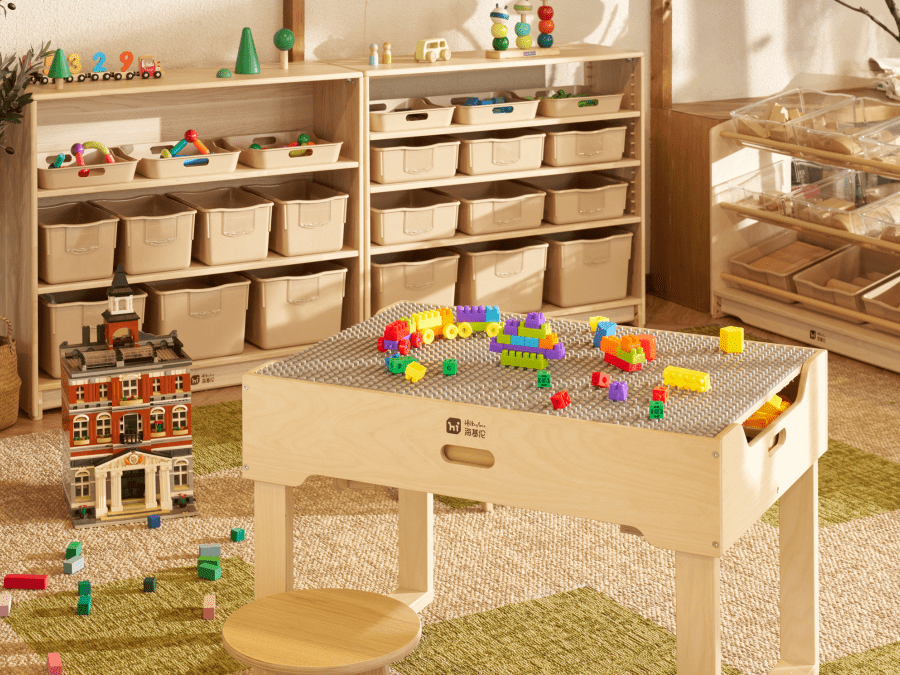
Selecting kindergarten furniture that serves multiple purposes represents the foundation of efficient small-space design. Storage benches provide seating during circle time while housing art supplies, books, and educational materials. Tables with built-in storage compartments eliminate the need for separate supply cabinets, freeing valuable floor space for movement activities. Stackable chairs and folding tables allow educators to quickly reconfigure spaces for different learning activities throughout the day.
Height-adjustable furniture pieces accommodate children of varying sizes while extending the useful life of classroom investments. These versatile pieces adapt to different age groups and learning activities, making them particularly valuable in mixed-age environments. Consider furniture with removable components that can be reconfigured for individual work, small group activities, or whole-class instruction without requiring complete room rearrangement.
Vertical Storage Solutions
Maximizing vertical space utilization dramatically increases storage capacity without consuming precious floor area. Wall-mounted shelving systems, cubby units, and hanging organizers transform unused wall space into functional storage areas. These solutions keep kindergarten furniture arrangements open and accessible while maintaining visual organization that helps young children locate materials independently.
Tall, narrow storage units positioned strategically around the room perimeter provide maximum storage density while preserving central floor space for active learning. These vertical solutions often include accessible lower sections for children and higher storage for teacher materials, creating efficient dual-purpose organization systems.
Flexible Layout Strategies for Maximum Functionality
Zone-Based Learning Areas
Creating distinct learning zones using kindergarten furniture placement helps define different activities while maintaining flexibility. Reading corners established with low bookcases and comfortable seating can be easily reconfigured for dramatic play or quiet individual work. Art areas defined by specialized tables and supply storage can transform into science exploration spaces when needed.
Zone boundaries created through furniture positioning rather than permanent fixtures allow for seasonal rearrangement and activity-specific modifications. This approach enables educators to respond to changing curriculum needs and student interests while maintaining clear organizational structure that supports independent learning behaviors.
Mobile and Modular Arrangements
Incorporating wheels, casters, and lightweight materials into kindergarten furniture selections enables rapid room reconfiguration for different activities. Mobile storage carts can move between learning centers, reducing the need for duplicate supplies in multiple locations. Modular seating systems allow children to arrange their own learning spaces, promoting ownership and independence.
These flexible arrangements support project-based learning approaches where room layouts must adapt to collaborative work, individual exploration, and whole-group instruction within single class periods. The ability to quickly modify spatial arrangements reduces transition time and maintains engagement during activity changes.
Safety Considerations in Compact Spaces
Traffic Flow and Accessibility
Maintaining clear pathways between learning areas prevents accidents and promotes smooth classroom operations. Kindergarten furniture placement must consider emergency evacuation routes, wheelchair accessibility, and natural movement patterns of young children. Wide pathways between furniture clusters accommodate multiple children moving simultaneously without creating bottlenecks or collision risks.
Strategic furniture positioning creates natural supervision sightlines, allowing educators to monitor all areas while engaged in small group instruction. This visibility requirement influences both furniture height selection and overall layout design, ensuring safety standards are maintained without compromising educational functionality.
Age-Appropriate Sizing and Materials
Selecting appropriately scaled kindergarten furniture ensures safety while supporting proper posture and independent use. Child-sized tables and chairs reduce injury risks from climbing or falling while promoting confidence in furniture interaction. Rounded corners, non-toxic finishes, and stable construction materials prevent common classroom accidents in tight spaces where contact frequency increases.
Weight distribution considerations become critical in small spaces where furniture may be moved frequently. Balanced designs prevent tipping while remaining light enough for educator manipulation during room reconfigurations. These safety features must be evaluated alongside durability requirements to ensure long-term classroom viability.
Storage Solutions That Maximize Small Spaces
Built-In and Custom Storage Integration
Integrating storage directly into kindergarten furniture pieces eliminates the need for separate storage units, maximizing available floor space for learning activities. Bench seating with hinged tops provides comfortable seating while hiding supplies, books, and personal items. Tables incorporating drawer systems or shelf components combine work surfaces with essential storage without requiring additional furniture pieces.
Custom storage solutions designed for specific classroom needs often prove more space-efficient than standard furniture pieces. These solutions can incorporate specific dimensional requirements, unique storage needs, and aesthetic preferences while maximizing every available inch of classroom space.
Organizing Systems for Easy Access
Clear organization systems built into kindergarten furniture design promote independent use while maintaining classroom order. Color-coded storage bins, picture labels, and designated spaces for specific materials help young children maintain organization without constant adult supervision. These systems become particularly important in small spaces where clutter quickly overwhelms available areas.
Accessible storage heights and easy-open mechanisms encourage children to take responsibility for classroom maintenance while developing independence skills. These organizational features must balance child accessibility with security needs for certain materials, requiring thoughtful design consideration in furniture selection.
Creating Engaging Learning Environments Despite Space Limitations
Color and Visual Design Impact
Strategic color selection in kindergarten furniture can create illusions of increased space while supporting learning objectives. Light colors reflect natural light, making small spaces appear larger and more inviting. Coordinated color schemes create visual cohesion that reduces visual clutter, an important consideration when furniture pieces must serve multiple functions in limited space.
Visual design elements incorporated into furniture pieces can replace wall decorations, serving dual aesthetic and educational purposes. Alphabet displays built into table surfaces, number lines integrated into bench seating, and color identification elements embedded in storage solutions maximize educational value without requiring additional wall space.
Natural Light and Space Enhancement
Positioning kindergarten furniture to maximize natural light utilization creates more inviting learning environments while reducing reliance on artificial lighting. Transparent or translucent materials in furniture design maintain visual openness while providing necessary functionality. Strategic placement near windows enhances both aesthetic appeal and practical learning conditions.
Mirror integration in furniture design or placement can create visual space expansion effects while serving practical purposes for dramatic play and self-awareness activities. These elements must be carefully implemented to ensure safety while achieving desired spatial enhancement effects.
Technology Integration in Compact Classroom Designs
Digital Learning Station Optimization
Modern kindergarten furniture must accommodate technology integration without overwhelming small spaces. Compact computer workstations, tablet charging stations, and interactive display areas require careful planning to maintain educational effectiveness while preserving space efficiency. Wire management systems integrated into furniture design prevent safety hazards while maintaining clean visual aesthetics.
Mobile technology carts allow digital resources to move between learning centers, reducing the need for permanent technology installations in multiple locations. These solutions maximize technology access while preserving flexibility in room arrangements and reducing overall furniture requirements.
Power and Connectivity Solutions
Strategic power outlet placement and connectivity solutions must be considered during kindergarten furniture selection and arrangement. Built-in charging capabilities, cord management systems, and adequate electrical access support modern educational technology needs without creating safety hazards or visual clutter in compact spaces.
Wireless connectivity optimization through furniture placement can improve signal strength and reduce dead zones, ensuring reliable technology access throughout small classroom spaces. These technical considerations influence furniture positioning decisions alongside traditional pedagogical requirements.
Budget-Conscious Approaches to Small Space Solutions
Cost-Effective Multi-Purpose Investments
Investing in high-quality, multi-functional kindergarten furniture pieces provides better long-term value than purchasing numerous single-purpose items. Durable construction materials and timeless designs ensure extended service life, reducing replacement frequency and total ownership costs. These investments become particularly valuable in small spaces where each furniture piece must maximize utility.
Grant opportunities, educational discounts, and bulk purchasing programs can reduce initial investment costs while ensuring quality standards are maintained. Collaborative purchasing with other classrooms or schools can achieve better pricing on premium furniture solutions designed for intensive educational use.
DIY and Customization Options
Creative customization of standard kindergarten furniture pieces can achieve specialized functionality without custom furniture costs. Simple modifications like adding hooks, bins, or organizational components can transform basic pieces into multi-functional solutions. These approaches require careful safety consideration but can significantly extend furniture versatility within budget constraints.
Community partnerships with local woodworkers, parent volunteers, or high school shop classes can provide custom solutions at reduced costs while supporting community engagement. These collaborations often result in unique pieces specifically designed for individual classroom needs and space constraints.
FAQ
What are the most important features to look for when selecting kindergarten furniture for small spaces
The most critical features include multi-functionality, durability, and appropriate sizing for young children. Look for pieces that serve multiple purposes such as storage benches, tables with built-in compartments, and stackable or foldable components. Safety features like rounded corners, non-toxic finishes, and stable construction are essential. Additionally, consider weight and mobility features that allow for easy rearrangement, and ensure all pieces meet appropriate height and accessibility standards for kindergarten-age children.
How can I create distinct learning areas without permanent walls in a small classroom
Use kindergarten furniture placement to define different zones through strategic positioning of bookcases, storage units, and seating arrangements. Low bookcases can serve as natural dividers between reading and art areas while maintaining visual connection across the space. Area rugs, different lighting, and coordinated furniture groupings help establish boundaries without permanent construction. Mobile room dividers or folding screens provide flexibility when more distinct separation is needed for specific activities.
What storage solutions work best for keeping small kindergarten classrooms organized
Vertical storage solutions maximize space efficiency through wall-mounted shelving, tall narrow units, and over-door organizers. Built-in storage within kindergarten furniture pieces eliminates need for separate storage units. Clear labeling systems with pictures and colors help children maintain organization independently. Rolling carts that can move between centers reduce duplicate supply needs, while cubby systems provide individual storage without consuming floor space.
How often should I rearrange kindergarten furniture in small spaces
Rearrange kindergarten furniture based on curriculum needs, seasonal changes, and observed student behavior patterns rather than following a rigid schedule. Major rearrangements work well at the beginning of each new unit or season, while minor adjustments can happen weekly based on learning objectives. Consider monthly evaluations of traffic flow and space utilization to identify improvement opportunities. Involve children in age-appropriate rearrangement activities to promote ownership and spatial awareness skills.
Table of Contents
- Essential Principles of Space-Efficient Classroom Design
- Flexible Layout Strategies for Maximum Functionality
- Safety Considerations in Compact Spaces
- Storage Solutions That Maximize Small Spaces
- Creating Engaging Learning Environments Despite Space Limitations
- Technology Integration in Compact Classroom Designs
- Budget-Conscious Approaches to Small Space Solutions
-
FAQ
- What are the most important features to look for when selecting kindergarten furniture for small spaces
- How can I create distinct learning areas without permanent walls in a small classroom
- What storage solutions work best for keeping small kindergarten classrooms organized
- How often should I rearrange kindergarten furniture in small spaces
