Modern early childhood education demands environments that accommodate diverse learning needs and foster inclusive experiences for every student. When educators thoughtfully select kindergarten furniture, they create spaces where children of all abilities can thrive, learn, and develop essential social skills. The transformation of traditional classrooms into adaptive learning environments requires careful consideration of furniture design, functionality, and accessibility features that support various learning styles and physical capabilities.
Inclusive classroom design extends beyond simple accommodation to create genuinely welcoming spaces where diversity becomes a strength. Quality kindergarten furniture serves as the foundation for these transformative learning environments, enabling teachers to implement differentiated instruction strategies while ensuring every child feels valued and supported. Research consistently demonstrates that well-designed classroom furniture significantly impacts student engagement, behavior, and academic outcomes.
Understanding Adaptive Design Principles in Educational Settings
Universal Design for Learning Integration
Universal Design for Learning principles guide the selection and arrangement of kindergarten furniture to maximize accessibility and engagement. These principles emphasize multiple means of representation, engagement, and expression, requiring furniture solutions that support diverse learning preferences and physical needs. Adjustable-height tables, flexible seating options, and modular storage systems exemplify how thoughtful design creates opportunities for all students to participate fully in classroom activities.
Effective kindergarten furniture incorporates sensory considerations, recognizing that children process information through various channels. Textured surfaces, color-coded organization systems, and furniture with built-in tactile elements support students with different sensory preferences and processing needs. These design features transform standard classroom furniture into powerful learning tools that accommodate neurodivergent learners while benefiting all students.
Flexibility and Adaptability Features
Modern kindergarten furniture emphasizes adaptability through modular design systems that teachers can reconfigure based on daily activities and individual student needs. Lightweight, stackable chairs and mobile storage units enable quick transitions between individual work, small group collaboration, and whole-class instruction. This flexibility proves essential for inclusive classrooms where different students may require varying amounts of space, movement, or positioning support throughout the day.
Height-adjustable desks and tables represent crucial components of adaptive kindergarten furniture systems, accommodating students who use wheelchairs, mobility devices, or simply have different physical proportions. These adjustable features eliminate barriers that might prevent full participation in classroom activities, ensuring that physical differences never limit learning opportunities or social interactions among peers.
Essential Components of Inclusive Kindergarten Furniture Systems
Seating Solutions for Diverse Needs
Contemporary kindergarten furniture includes diverse seating options that address varying comfort preferences, attention spans, and physical requirements. Balance ball chairs, standing desks, floor cushions, and traditional chairs create a spectrum of choices that support different learning styles and sensory needs. Students who benefit from movement can access dynamic seating options, while those requiring more stability have supportive alternatives readily available.
Specialized seating within kindergarten furniture collections addresses specific accessibility requirements, including chairs with armrests for students with limited mobility, positioning supports for those with physical disabilities, and sensory-friendly options for children with autism or attention difficulties. These specialized pieces integrate seamlessly with standard classroom furniture, maintaining aesthetic cohesion while providing necessary accommodations.
Storage and Organization Systems
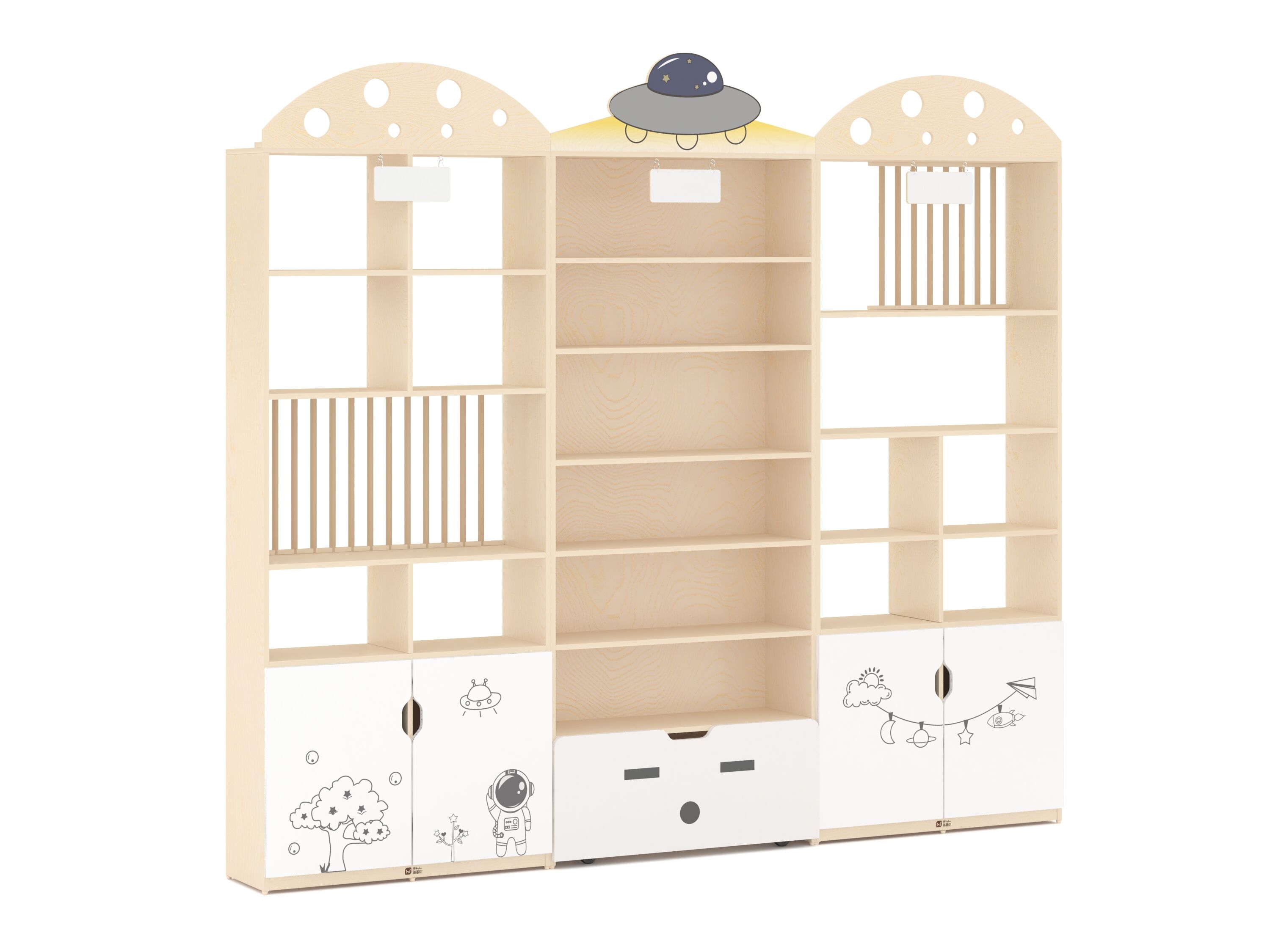
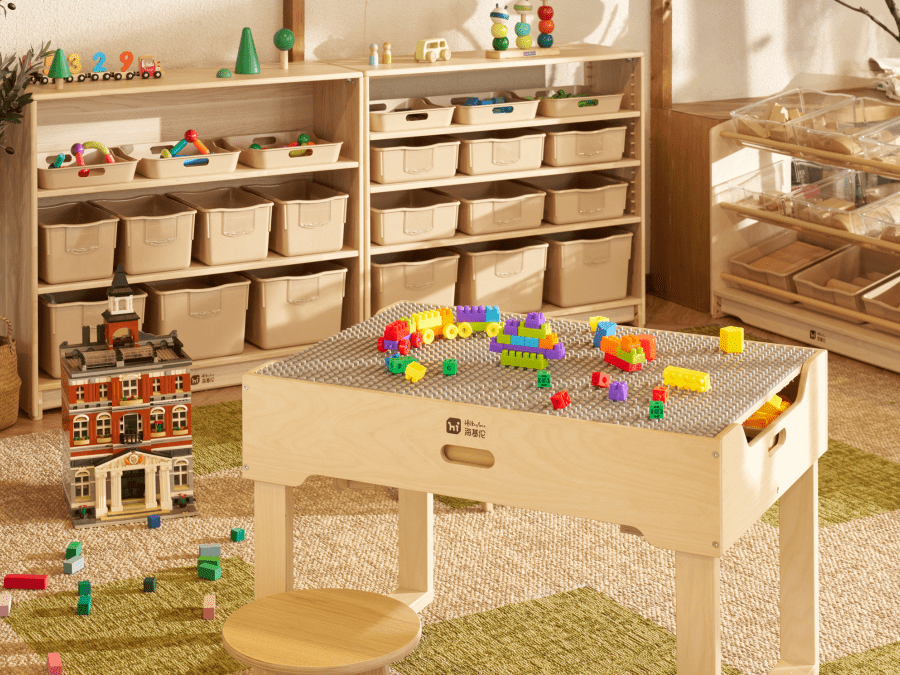
Inclusive storage solutions form integral components of comprehensive kindergarten furniture systems, featuring varied heights, clear labeling systems, and accessible hardware. Low-profile cubbies enable wheelchair users to reach personal belongings independently, while visual organization systems support students with developmental disabilities or attention challenges. Color-coded storage bins and picture labels create intuitive organization systems that promote independence and responsibility.
Mobile storage carts and individual desk organizers provide personalized organization solutions within kindergarten furniture arrangements, allowing students to maintain their materials in ways that support their individual learning processes. These flexible storage options accommodate various organizational preferences while teaching valuable life skills and promoting classroom community through shared responsibility for maintaining learning spaces.
Creating Collaborative Spaces with Adaptive Furniture
Group Work Configuration Options
Effective kindergarten furniture enables seamless transitions between individual and collaborative work through modular table systems and flexible seating arrangements. Curved tables, hexagonal configurations, and adjustable-height surfaces create inviting group spaces where students of different abilities can contribute equally to shared learning experiences. These collaborative configurations promote peer support and natural inclusion while maintaining accessibility for all participants.
Kindergarten furniture designed for group work incorporates features that support communication and interaction among diverse learners. Tables with rounded edges, adequate knee clearance, and stable surfaces accommodate various physical needs while creating safe, comfortable environments for collaborative learning. Built-in storage solutions keep shared materials accessible to all group members, reducing barriers to full participation.
Technology Integration Capabilities
Modern kindergarten furniture seamlessly integrates technology supports that enhance accessibility and learning opportunities for all students. Cable management systems, device storage solutions, and adjustable monitor arms enable teachers to incorporate assistive technology naturally into daily instruction. These integrated solutions support students who rely on communication devices, adapted computer access, or visual supports without creating stigmatizing distinctions.
Charging stations and device storage within kindergarten furniture systems ensure that assistive technology remains readily available and functional throughout the school day. These practical features reduce barriers to technology use while teaching responsibility and independence to all students, regardless of their individual support needs.
Safety and Durability Considerations for Inclusive Environments
Material Selection and Construction Standards
High-quality kindergarten furniture prioritizes safety through careful material selection, rounded edges, and stable construction that withstands diverse usage patterns. Non-toxic finishes, antimicrobial surfaces, and easy-to-clean materials support health and hygiene requirements while maintaining durability under intensive classroom use. These safety considerations prove especially important in inclusive settings where students may have compromised immune systems or specific health needs.
Construction standards for inclusive kindergarten furniture address stability requirements for students who may lean heavily on surfaces, use mobility devices, or exhibit varying levels of motor control. Reinforced joints, tip-resistant designs, and appropriate weight distributions ensure that furniture remains safe and functional regardless of how individual students interact with their learning environment.
Maintenance and Longevity Features
Sustainable kindergarten furniture design incorporates features that simplify maintenance while extending product lifespan, ensuring continued accessibility and functionality over time. Replaceable components, stain-resistant surfaces, and modular construction enable cost-effective updates and repairs that maintain inclusive features throughout the furniture's service life. These practical considerations support budget-conscious schools while ensuring continued quality and accessibility.
Easy-maintenance kindergarten furniture reduces the time and effort required for daily cleaning and sanitization, enabling teachers to focus on instruction rather than furniture care. Smooth surfaces, minimal crevices, and durable finishes facilitate thorough cleaning while maintaining appearance and functionality over extended periods of use in busy classroom environments.
Professional Development and Implementation Strategies
Teacher Training for Adaptive Furniture Use
Successful implementation of inclusive kindergarten furniture requires comprehensive teacher training that addresses both practical usage and philosophical approaches to inclusive education. Professional development programs help educators understand how furniture arrangements impact learning outcomes, social dynamics, and individual student success. Training components include furniture adjustment techniques, safety protocols, and strategies for involving students in classroom setup decisions.
Ongoing support systems enable teachers to maximize the potential of their kindergarten furniture investments through peer collaboration, expert consultation, and continuous learning opportunities. These support networks share successful implementation strategies, troubleshoot challenges, and celebrate innovations in inclusive classroom design that benefit all students.
Student Engagement and Ownership
Involving students in decisions about kindergarten furniture arrangements promotes ownership, responsibility, and natural inclusion within classroom communities. Age-appropriate discussions about different needs, preferences, and ways of learning help children develop empathy and understanding while taking active roles in creating welcoming environments for all classmates.
Student feedback systems regarding kindergarten furniture comfort, accessibility, and functionality provide valuable insights for ongoing improvements and adjustments. Regular check-ins enable teachers to respond to changing needs, seasonal variations, and individual growth patterns that may require furniture modifications or rearrangements throughout the academic year.
Measuring Success and Continuous Improvement
Assessment Tools and Metrics
Effective evaluation of kindergarten furniture success requires comprehensive assessment tools that measure both quantitative outcomes and qualitative experiences. Academic performance data, behavioral incident reports, and student engagement observations provide measurable indicators of furniture effectiveness in supporting inclusive learning environments. These metrics help administrators and teachers make informed decisions about future furniture investments and classroom modifications.
Regular assessments of kindergarten furniture impact include student satisfaction surveys, parent feedback, and teacher observations that capture the full scope of inclusive education success. These multifaceted evaluation approaches ensure that furniture selections continue to meet evolving needs while supporting the ultimate goal of creating truly inclusive learning environments for all students.
Future Planning and Budget Considerations
Strategic planning for kindergarten furniture investments considers both immediate needs and long-term goals for inclusive education programs. Budget planning incorporates replacement schedules, expansion possibilities, and emerging technology integration requirements that will shape future classroom environments. These forward-thinking approaches ensure sustainable investment in quality furniture that continues supporting inclusive education objectives over time.
Collaborative planning processes involve special education professionals, occupational therapists, administrators, and teachers in kindergarten furniture selection decisions. This interdisciplinary approach ensures that furniture investments address comprehensive needs while maximizing benefits for diverse student populations and supporting various instructional approaches throughout the school community.
FAQ
What makes kindergarten furniture suitable for inclusive classrooms
Inclusive kindergarten furniture incorporates adjustable heights, multiple seating options, accessible storage solutions, and durable construction that accommodates diverse physical abilities and learning preferences. Key features include rounded edges for safety, easy-to-clean surfaces, modular designs for flexibility, and technology integration capabilities that support various assistive devices and learning tools.
How should schools budget for adaptive kindergarten furniture
Schools should plan kindergarten furniture budgets that prioritize quality, durability, and versatility to maximize long-term value and effectiveness. Successful budgeting includes costs for initial purchases, professional development training, ongoing maintenance, and periodic updates or expansions. Many schools benefit from phased implementation approaches that spread costs over multiple years while building comprehensive inclusive furniture systems.
What training do teachers need for inclusive kindergarten furniture
Teachers require training in adjustment mechanisms, safety protocols, arrangement strategies, and inclusive education principles to maximize kindergarten furniture effectiveness. Professional development should cover practical skills like height adjustments and cleaning procedures, as well as philosophical approaches to creating welcoming environments where all students can participate fully in learning activities.
How can parents support inclusive kindergarten furniture initiatives
Parents can advocate for inclusive kindergarten furniture by participating in school planning committees, providing feedback on their children's experiences, and supporting budget initiatives that prioritize accessibility and inclusion. Parent involvement helps schools understand diverse family perspectives while building community support for investments in quality educational furniture that benefits all students.
Table of Contents
- Understanding Adaptive Design Principles in Educational Settings
- Essential Components of Inclusive Kindergarten Furniture Systems
- Creating Collaborative Spaces with Adaptive Furniture
- Safety and Durability Considerations for Inclusive Environments
- Professional Development and Implementation Strategies
- Measuring Success and Continuous Improvement
- FAQ
