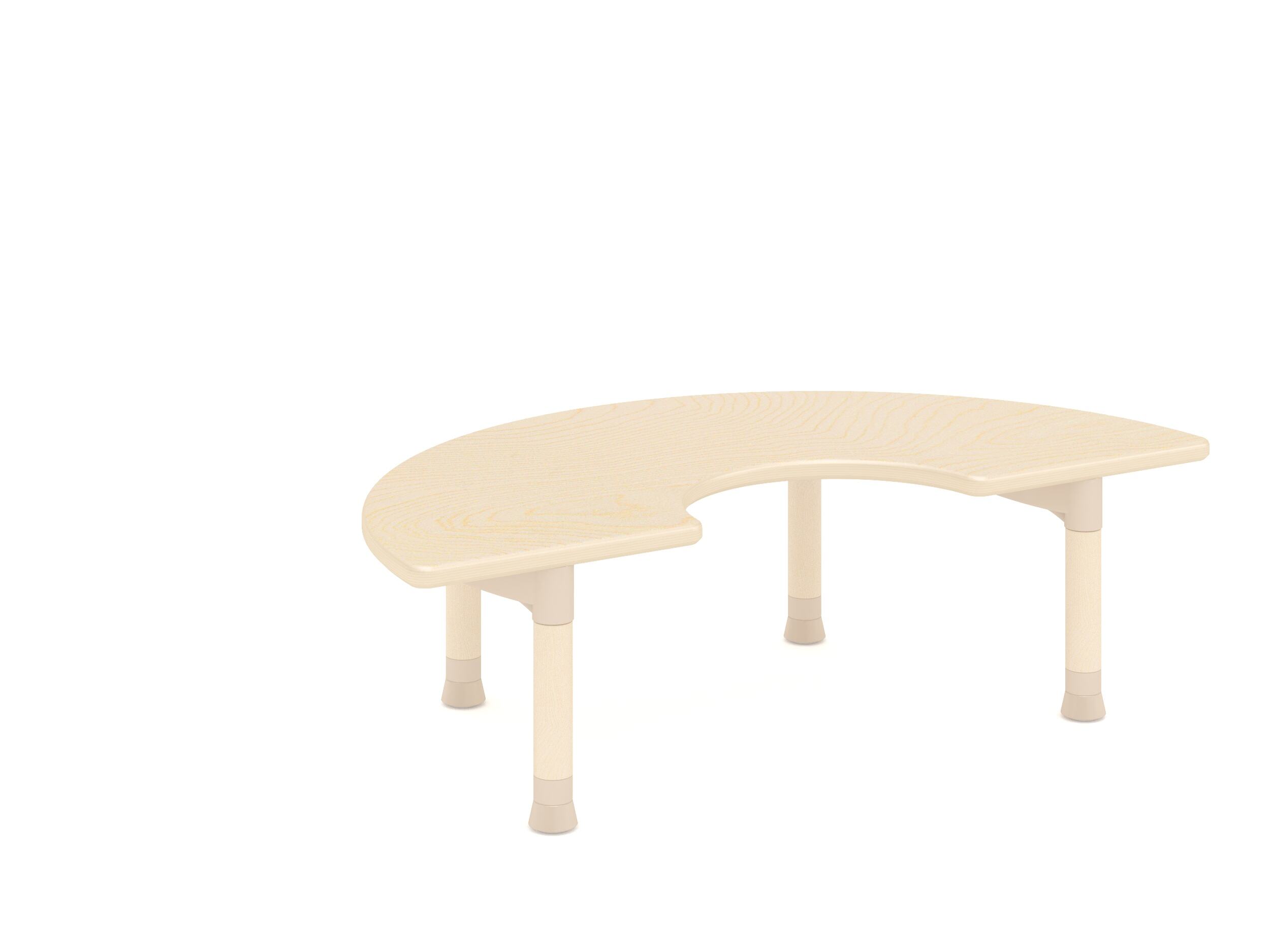
Creating an environment that fosters independence in young children requires careful consideration of every element within the learning space. When designing early childhood education environments, the selection of appropriate preschool furniture plays a pivotal role in empowering children to become confident, self-reliant learners. The right furniture choices can transform a classroom from a passive learning environment into an active space where children naturally develop autonomy, decision-making skills, and confidence in their abilities. Understanding how furniture design impacts child development is essential for educators, administrators, and parents who want to create spaces that truly support independent learning.
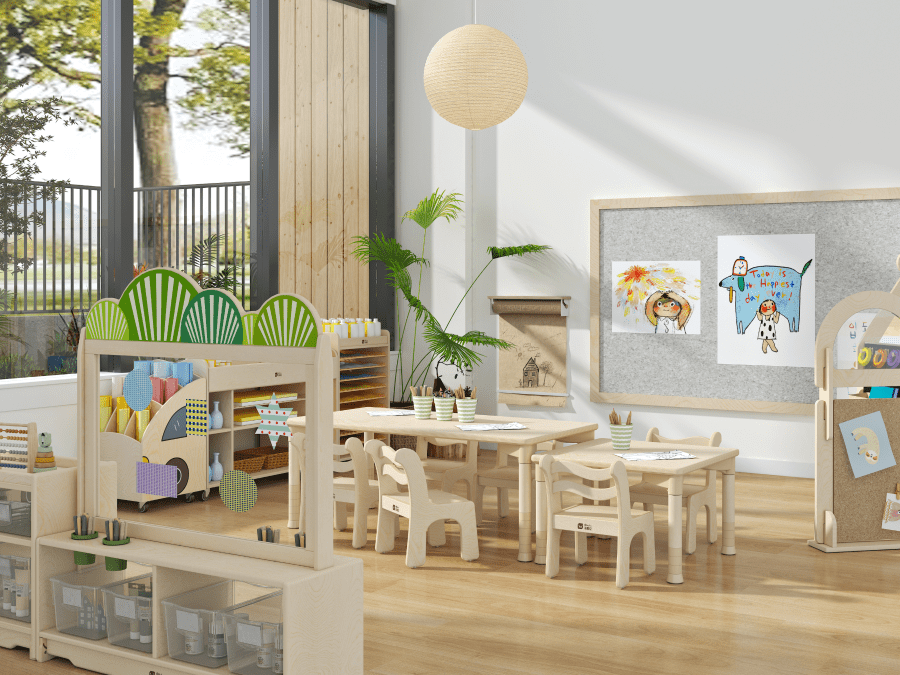
The Foundation of Independence Through Design
Child-Centered Proportions and Accessibility
The most fundamental aspect of independence-promoting preschool furniture lies in its proportional relationship to the children who use it. Furniture designed at child height eliminates the need for adult assistance in basic tasks, allowing young learners to access materials, organize their belongings, and engage with their environment autonomously. Tables and chairs sized appropriately for preschoolers enable proper posture and comfortable engagement with learning activities, while storage solutions at child level encourage personal responsibility for maintaining organized spaces.
When children can reach shelves, hooks, and storage compartments without assistance, they develop a sense of ownership over their learning environment. This accessibility extends beyond mere convenience, fostering the development of executive function skills as children learn to plan, organize, and execute tasks independently. The psychological impact of being able to fully interact with their environment cannot be understated in building confidence and self-efficacy in young learners.
Safety Considerations in Independent Design
Independence in preschool settings must be balanced with safety considerations that protect children while still allowing them freedom to explore and learn. Quality preschool furniture incorporates rounded edges, stable construction, and non-toxic materials that create a secure environment for autonomous exploration. Safety features should be integrated seamlessly into the design, ensuring that protective elements do not hinder children's ability to use furniture independently.
The durability of furniture pieces is equally important, as independent use by multiple children throughout the day requires robust construction that can withstand active engagement. Investment in high-quality, safety-certified furniture reduces the need for constant adult supervision and intervention, creating a truly independent learning environment where children can focus on exploration and discovery rather than navigating unsafe conditions.
Montessori-Inspired Furniture Solutions
Low Shelving Systems for Self-Directed Learning
The Montessori approach to education emphasizes the importance of environmental design in fostering independence, and this philosophy extends directly to furniture selection. Low, accessible shelving systems allow children to independently select and return materials, developing decision-making skills and personal responsibility. Open shelving designs enable children to see all available options, supporting the development of choice-making abilities and encouraging engagement with diverse learning materials.
These shelving systems should be designed with compartments and sections that naturally organize materials, teaching children categorization and organizational skills through daily use. The visual clarity provided by well-designed storage solutions reduces frustration and increases successful independent interactions with learning materials. When children can easily identify, access, and return materials to their designated places, they develop routines that support both individual learning and classroom community responsibility.
Multi-Functional Furniture Elements
Modern preschool furniture increasingly incorporates multi-functional design elements that maximize the potential for independent learning experiences. Tables with built-in storage compartments allow children to organize their personal materials and access them as needed throughout activities. Seating options that can be easily moved and reconfigured by children themselves enable them to create collaborative or individual learning spaces based on their needs and preferences.
These versatile furniture pieces support the development of spatial reasoning skills as children learn to arrange and rearrange their environment to suit different learning activities. The ability to modify their physical space gives children agency over their learning experience and helps them understand how environmental changes can support different types of work and play. This flexibility is essential for accommodating diverse learning styles and preferences within the same classroom space.
Creating Zones of Independence
Reading and Quiet Areas
Dedicated spaces for independent reading and quiet reflection require specially designed preschool furniture that creates inviting, comfortable environments for individual engagement with books and contemplative activities. Low bookshelves with forward-facing book displays encourage children to independently select reading materials, while comfortable seating options sized for preschoolers provide spaces where children can engage with books autonomously. These areas should feel separate from more active classroom zones while remaining visually connected to the broader learning environment.
The furniture in these zones should communicate the intended use through its design and arrangement, helping children understand behavioral expectations without constant adult direction. Soft seating elements, adequate lighting considerations, and storage for personal items create environments where children naturally engage in independent reading and reflection activities. The success of these spaces depends on furniture that invites use while supporting the specific behaviors and activities intended for the area.
Art and Creative Expression Stations
Independent creativity flourishes when children have access to well-organized art materials and appropriate work surfaces designed specifically for their developmental needs. Art stations equipped with preschool furniture that includes washable surfaces, built-in storage for supplies, and appropriate seating enable children to engage in creative projects without requiring constant adult setup or intervention. These stations should be designed for easy cleanup, allowing children to take responsibility for maintaining their creative spaces.
The organization of art materials within these stations teaches children to care for tools and supplies while developing planning skills as they gather materials for creative projects. Accessible storage solutions that clearly display available materials help children make informed choices about their creative work while building vocabulary related to art supplies and techniques. The independence fostered in these creative spaces extends beyond art-making to general problem-solving and self-direction skills.
Supporting Social Independence Through Furniture Design
Collaborative Learning Configurations
While individual independence is important, social independence also requires furniture configurations that support children in working together without constant adult mediation. Preschool furniture designed for collaborative learning includes tables that accommodate small groups while allowing each child to maintain their personal space and access to materials. Flexible seating arrangements that children can modify themselves enable them to create collaborative configurations that suit different group sizes and activity types.
These collaborative furniture arrangements teach children negotiation skills, compromise, and respect for others' work and space. When children can independently arrange furniture to support their social learning goals, they develop leadership skills and learn to consider multiple perspectives in decision-making processes. The physical environment becomes a tool for social-emotional learning when furniture design supports rather than hinders children's natural inclinations toward collaboration and community building.
Conflict Resolution Spaces
Independence in social situations includes the ability to resolve conflicts and navigate interpersonal challenges without constant adult intervention. Specific furniture configurations can support these skills by providing calm, comfortable spaces where children can work through disagreements or seek quiet time when needed. These spaces should be equipped with preschool furniture that feels separate from active play areas while remaining visible to supervising adults.
The furniture in conflict resolution areas should communicate peace and calm through its design and arrangement, helping children regulate their emotions and engage in productive problem-solving. Comfortable seating arranged to encourage face-to-face conversation, along with visual supports for communication strategies, creates environments where children can practice social independence skills in challenging situations.
Technology Integration and Modern Learning
Digital Learning Stations
Contemporary preschool environments increasingly incorporate technology as a tool for learning, requiring furniture solutions that support independent engagement with digital resources. Technology stations equipped with appropriately sized preschool furniture enable children to independently access educational software, digital books, and creative applications while maintaining proper posture and comfortable interaction with devices. These stations should be designed to accommodate various types of technology while providing storage for related materials and supplies.
The integration of technology into independent learning spaces requires careful consideration of screen positioning, lighting, and ergonomic factors that support healthy technology use by young children. Furniture designed for technology integration should encourage appropriate use duration while providing clear boundaries between digital and analog learning experiences. Children who can independently set up, use, and properly store technology resources develop digital literacy skills alongside traditional academic concepts.
STEM Exploration Areas
Science, technology, engineering, and mathematics learning requires hands-on exploration that is well-supported by thoughtfully designed preschool furniture. STEM exploration areas need furniture that accommodates experimentation, building, and investigation activities while providing organized storage for diverse materials and tools. Work surfaces that can withstand active use, along with storage solutions that keep small materials organized and accessible, enable children to engage independently in scientific thinking and engineering challenges.
These areas should be equipped with furniture that supports the natural messiness of exploration while teaching children to maintain organized, safe work environments. Children who can independently access, use, and organize STEM materials develop scientific thinking skills alongside responsibility and self-direction. The furniture in these areas becomes part of the learning experience, teaching children about proper tool use, material care, and workspace organization through daily interaction.
Adapting Furniture for Diverse Needs
Inclusive Design Principles
True independence in preschool environments requires furniture solutions that accommodate children with diverse physical, sensory, and learning needs. Inclusive preschool furniture design ensures that all children can participate fully in classroom activities without requiring special accommodations that separate them from their peers. Universal design principles create furniture solutions that work for children with varying abilities while maintaining the aesthetic and functional qualities that support all learners.
Adjustable furniture elements, multiple seating options, and varied work surface heights ensure that children with different physical needs can engage independently in classroom activities. Sensory considerations in furniture design, including texture, color, and sound-dampening properties, support children with sensory processing differences in maintaining focus and comfort throughout their learning day. When furniture design naturally accommodates diversity, all children experience the confidence that comes from successful independent interaction with their environment.
Flexibility for Growth and Development
Preschool children experience rapid physical and cognitive development that requires furniture solutions capable of adapting to changing needs throughout the school year. Adjustable height tables and chairs allow the same furniture pieces to grow with children, maintaining appropriate proportions as physical development progresses. This adaptability ensures that independence-supporting furniture remains functional and appropriately sized throughout the preschool years.
Modular furniture systems that can be reconfigured as children's skills and interests develop provide long-term value while supporting evolving independence needs. As children's abilities grow, furniture arrangements can be modified to present new challenges and opportunities for independent learning. This flexibility allows educators to continuously optimize the learning environment to match children's developing capabilities and interests.
FAQ
What height should preschool furniture be for optimal independence
Preschool furniture should be proportioned so that children can comfortably place their feet flat on the floor when seated, with table surfaces at approximately elbow height when arms are bent at 90 degrees. For most preschoolers, this means chair seats between 10-12 inches high and table surfaces between 18-20 inches high. Storage solutions should be accessible at child eye level, typically no higher than 36 inches, to enable independent access to materials and supplies.
How does furniture layout impact children's independence development
Furniture layout significantly impacts independence by either facilitating or hindering children's ability to move freely, access materials, and make choices about their learning activities. Open pathways, clearly defined activity areas, and logical organization of furniture create environments where children can navigate independently and understand behavioral expectations through environmental cues. Strategic placement of preschool furniture can encourage independence while maintaining appropriate supervision and safety standards.
What safety features are essential in independence-promoting furniture
Essential safety features in preschool furniture include rounded corners, stable bases that prevent tipping, non-toxic finishes, and appropriate weight for child manipulation without injury risk. Furniture should meet or exceed safety standards for early childhood environments while maintaining design elements that promote independence. Safety features should be integrated seamlessly into the design rather than added as afterthoughts that might impede independent use.
How can furniture support both individual and group independence skills
Effective preschool furniture supports both individual and group independence through flexible design elements that can be easily reconfigured by children themselves. Individual independence is supported through personal storage spaces, appropriately sized work surfaces, and accessible materials organization. Group independence develops through furniture that can be moved and arranged collaboratively, shared work surfaces that accommodate multiple children, and storage systems that teach community responsibility and resource sharing.
