Opening a new preschool center requires careful planning and thoughtful investment in quality furniture that supports early childhood development. When selecting preschool furniture, educators must consider safety standards, durability, ergonomic design, and educational value to create an environment where young learners can thrive. The right furniture choices will serve your center for years while providing children with comfortable, secure spaces for learning, play, and growth. Understanding the essential components of a well-equipped preschool space helps administrators make informed decisions that benefit both children and staff members.
Essential Seating Solutions for Young Learners
Child-Sized Chairs and Tables
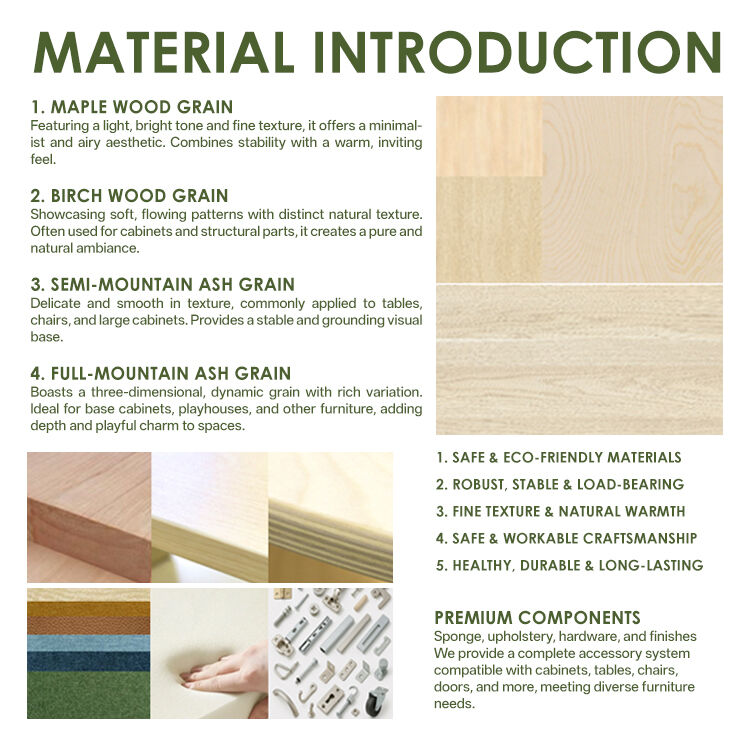
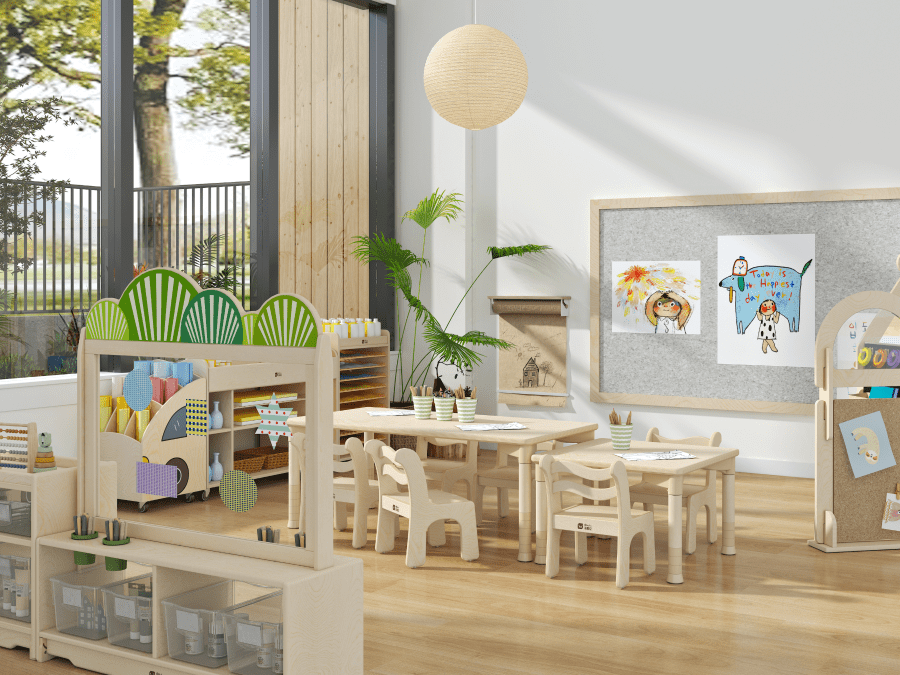
The foundation of any preschool classroom begins with appropriately sized seating arrangements that accommodate children aged three to five years. Preschool furniture manufacturers design chairs with seat heights ranging from 10 to 14 inches to ensure proper posture and comfort during activities. These chairs should feature rounded edges, non-slip feet, and lightweight construction that allows children to move them independently. Quality materials such as high-density polyethylene or solid wood provide durability while maintaining easy cleaning protocols essential in educational settings.
Tables must complement the seating choices, with heights between 18 to 22 inches depending on chair specifications. Rectangular, round, and kidney-shaped options offer flexibility for different learning activities, from individual work to collaborative projects. The surface materials should resist scratches, stains, and bacterial growth while providing smooth writing and crafting surfaces. Many preschool furniture sets include adjustable height features that accommodate growing children throughout the academic year.
Specialized Seating Options
Beyond standard chairs, preschools benefit from incorporating diverse seating solutions that support various learning styles and physical needs. Floor cushions, bean bags, and soft seating create comfortable reading nooks and quiet spaces where children can relax and focus. These flexible options encourage different postures and movement patterns that support sensory integration and attention regulation in young learners.
Wobble cushions and stability balls offer vestibular input that helps active children maintain focus during seated activities. These therapeutic seating options can be particularly beneficial for children with attention challenges or sensory processing needs. When selecting specialized seating, ensure all options meet safety standards and can be easily sanitized between uses.
Storage Solutions That Promote Organization
Cubbies and Personal Storage
Individual storage cubby systems provide children with personal space for belongings while teaching organizational skills and responsibility. Quality preschool furniture includes cubby units with multiple compartments sized appropriately for backpacks, lunch boxes, and personal items. These units should feature smooth surfaces, secure construction, and clear visibility to help children identify their designated spaces. Name tags and picture labels enhance independence and support pre-literacy development.
The placement of cubby systems near entrance areas facilitates smooth transitions during arrival and departure times. Consider units with bench seating on top, creating additional functionality for putting on shoes and jackets. Ventilation holes in the back panels prevent moisture buildup while maintaining structural integrity and cleanliness standards required in educational environments.
Classroom Material Storage
Effective classroom management relies heavily on accessible, organized storage for educational materials and supplies. Open shelving units at child height encourage independence in material selection and cleanup routines. These storage solutions should include a mix of open shelves for frequently used items and closed cabinets for materials requiring adult supervision or seasonal rotation.
Mobile storage carts provide flexibility for teachers to bring materials to different areas of the classroom or outdoor spaces. Transparent storage bins and labeled containers help children and staff quickly locate needed supplies while maintaining organized learning environments. The selection of appropriate preschool furniture for storage directly impacts classroom flow and children's ability to engage independently in learning activities.
Learning Centers and Activity Stations
Art and Creativity Areas
Dedicated art spaces require specialized furniture that accommodates messy activities while protecting surrounding areas. Art tables with washable surfaces and built-in supply storage keep materials organized and accessible during creative projects. These tables often feature paper roll holders, cup holders for water and brushes, and raised edges to contain spills and materials.
Easels provide vertical working surfaces that support different artistic techniques and accommodate multiple children simultaneously. Double-sided easels maximize space efficiency while offering various surface options including whiteboards, chalkboards, and paper holders. Height-adjustable features ensure proper ergonomics as children grow throughout the school year. Quality preschool furniture for art areas includes drying racks, supply carts, and cleanup stations that support the complete creative process.
Reading and Quiet Zones
Creating inviting reading areas requires comfortable, appropriately scaled furniture that encourages literacy engagement and quiet reflection. Soft seating options such as small sofas, armchairs, and floor cushions provide cozy spots where children can explore books independently or participate in small group reading activities. These pieces should feature durable, easy-to-clean fabrics that withstand daily use while maintaining comfort and appeal.
Book display units showcase literature at child eye level, making titles easily accessible and encouraging independent book selection. Forward-facing display shelves highlight featured books while traditional shelving accommodates larger collections. Reading lamps and natural lighting considerations enhance the visual appeal and functionality of these important learning spaces within the preschool environment.
Safety Standards and Material Considerations
Regulatory Compliance and Certifications
All preschool furniture must meet strict safety standards established by organizations such as the Consumer Product Safety Commission and GREENGUARD for indoor air quality. These certifications ensure that furniture materials do not emit harmful chemicals that could affect children's health and development. Lead-free finishes, formaldehyde-free adhesives, and non-toxic materials are essential requirements for any furniture placed in early childhood environments.
Stability testing ensures that furniture cannot tip over during normal use, while edge and corner treatments prevent injury from sharp surfaces. Anchoring systems for tall furniture pieces provide additional safety measures in active classroom environments. Regular inspection protocols help maintain safety standards and identify potential wear or damage that could compromise child safety.
Durability and Maintenance Requirements
Investment in high-quality preschool furniture pays dividends through extended service life and reduced replacement costs. Commercial-grade construction techniques, reinforced joints, and impact-resistant materials withstand the demands of active young children and frequent cleaning protocols. Surfaces that resist scratches, stains, and bacterial growth maintain appearance and hygiene standards over time.
Easy-to-clean designs with smooth surfaces and minimal crevices support efficient sanitation procedures required in educational settings. Removable cushion covers, sealed wood finishes, and non-porous materials facilitate thorough cleaning between activities and at the end of each day. These practical considerations ensure that furniture maintains both safety and aesthetic appeal throughout its service life.
Budget Planning and Procurement Strategies
Cost-Effective Purchasing Approaches
Successful preschool furniture procurement requires balancing quality requirements with budget constraints through strategic planning and informed decision-making. Bulk purchasing opportunities often provide significant cost savings while ensuring consistency in design and quality across the facility. Educational furniture suppliers frequently offer package deals that include essential items at reduced per-unit costs compared to individual purchases.
Phased purchasing plans allow new centers to prioritize essential items while spreading costs over multiple budget cycles. Starting with basic seating, tables, and storage solutions enables classroom operation while additional specialized pieces can be added as enrollment and revenue stabilize. This approach helps manage cash flow while ensuring that fundamental classroom needs are met from opening day.
Long-Term Investment Considerations
Quality preschool furniture represents a significant long-term investment that impacts operational costs, maintenance requirements, and replacement schedules. Higher initial costs often result in lower total cost of ownership through extended service life, reduced maintenance needs, and better safety performance. Warranties and manufacturer support services provide additional value and peace of mind for educational administrators.
Furniture selection decisions should consider future enrollment growth, program expansion, and evolving educational approaches. Modular systems and adaptable pieces provide flexibility to reconfigure spaces as needs change. The durability and timeless design of quality preschool furniture ensure that initial investments continue providing value for many years of educational service.
FAQ
What safety certifications should I look for in preschool furniture
Look for CPSC compliance, GREENGUARD certification for low emissions, and BIFMA standards for commercial furniture. These certifications ensure that preschool furniture meets strict safety requirements for chemicals, stability, and durability. Additionally, check for lead-free finishes and formaldehyde-free materials to protect children's health and development in educational environments.
How do I determine the right size furniture for my age group
Chair seat heights should range from 10-12 inches for 3-year-olds and 12-14 inches for 4-5 year-olds, with corresponding table heights of 18-20 inches and 20-22 inches respectively. Proper sizing ensures children can sit comfortably with feet flat on the floor and arms at appropriate height for tabletop activities. Consider adjustable options to accommodate mixed-age groups and growing children.
What materials work best for easy cleaning and maintenance
Non-porous surfaces like high-pressure laminate, sealed wood finishes, and high-density polyethylene resist stains and bacteria while supporting thorough sanitization. Avoid fabric surfaces in high-use areas unless they feature removable, washable covers. Smooth surfaces without deep crevices or decorative details make daily cleaning more efficient and effective in maintaining hygiene standards.
How can I maximize my preschool furniture budget without compromising quality
Focus on essential items first, such as basic seating and tables, then add specialized pieces over time. Look for bulk purchasing discounts and package deals from educational furniture suppliers. Consider purchasing higher-quality pieces for high-use items like chairs and tables while choosing more economical options for decorative or specialized pieces that receive lighter use in your preschool environment.
