Creating effective learning environments for young children requires careful consideration of every element within the classroom, especially the strategic selection and placement of preschool furniture. The right furniture choices can transform an ordinary classroom into dynamic learning centers that capture children's attention while promoting focused educational activities. When educators understand how preschool furniture influences behavior, engagement, and cognitive development, they can create spaces that naturally guide children toward productive learning experiences. The physical environment serves as a silent teacher, and well-chosen preschool furniture becomes the foundation for successful early childhood education programs.
Understanding the Psychology of Space and Learning
How Physical Environment Influences Child Behavior
Research consistently demonstrates that physical environments significantly impact children's behavior, attention span, and learning capacity. When preschool furniture is thoughtfully arranged, it creates clear boundaries and expectations that help children understand where different activities take place. The strategic placement of tables, chairs, storage units, and specialized furniture pieces communicates to children what behaviors are expected in each area. This environmental structure reduces confusion and helps young learners develop self-regulation skills as they navigate between different learning zones throughout their day.
The size, height, and design of preschool furniture directly affects children's comfort levels and their ability to focus on tasks. When furniture is appropriately scaled for young children, they feel more confident and capable of engaging in independent activities. Oversized or poorly fitted furniture can create frustration and distraction, while properly proportioned pieces encourage sustained engagement and concentration. The psychological comfort that comes from well-fitted preschool furniture allows children to focus their mental energy on learning rather than physical discomfort or accessibility challenges.
Creating Visual and Spatial Boundaries
Effective learning centers rely on clear visual and spatial boundaries that help children understand the purpose and expectations of each area. Preschool furniture serves as natural dividers that create distinct zones without completely isolating children from their peers and teachers. Low shelving units, reading nooks, and activity tables can define spaces while maintaining visual connectivity across the classroom. This balance between separation and openness is crucial for creating focused learning environments that still allow for supervision and collaborative opportunities.
The strategic use of preschool furniture to create boundaries also helps manage noise levels and distractions within the classroom. When children understand where different activities occur, they naturally adjust their behavior and volume accordingly. Art areas equipped with appropriate furniture encourage creative expression, while quiet reading corners furnished with comfortable seating promote focused literacy activities. These clearly defined spaces, created through thoughtful furniture placement, help children develop awareness of appropriate behaviors for different learning contexts.
Essential Furniture Elements for Learning Centers
Tables and Seating Solutions
The foundation of most preschool learning centers begins with appropriately sized tables and seating arrangements that accommodate various group sizes and activity types. Round tables encourage collaboration and discussion, while rectangular tables provide more surface area for individual work and art projects. The height and stability of preschool furniture directly impact children's posture and comfort during extended activities. When children can sit comfortably with their feet flat on the floor and their arms at an appropriate angle to the table surface, they can maintain focus for longer periods and engage more effectively in fine motor activities.
Flexible seating options within preschool furniture collections allow educators to adapt spaces for different group sizes and learning styles. Some children focus better when seated on cushions or stability balls, while others prefer traditional chairs with back support. The key is providing variety within the preschool furniture inventory so that each child can find seating arrangements that support their individual learning needs. This personalization helps create inclusive environments where all children can participate successfully in center-based activities.
Storage and Organization Systems
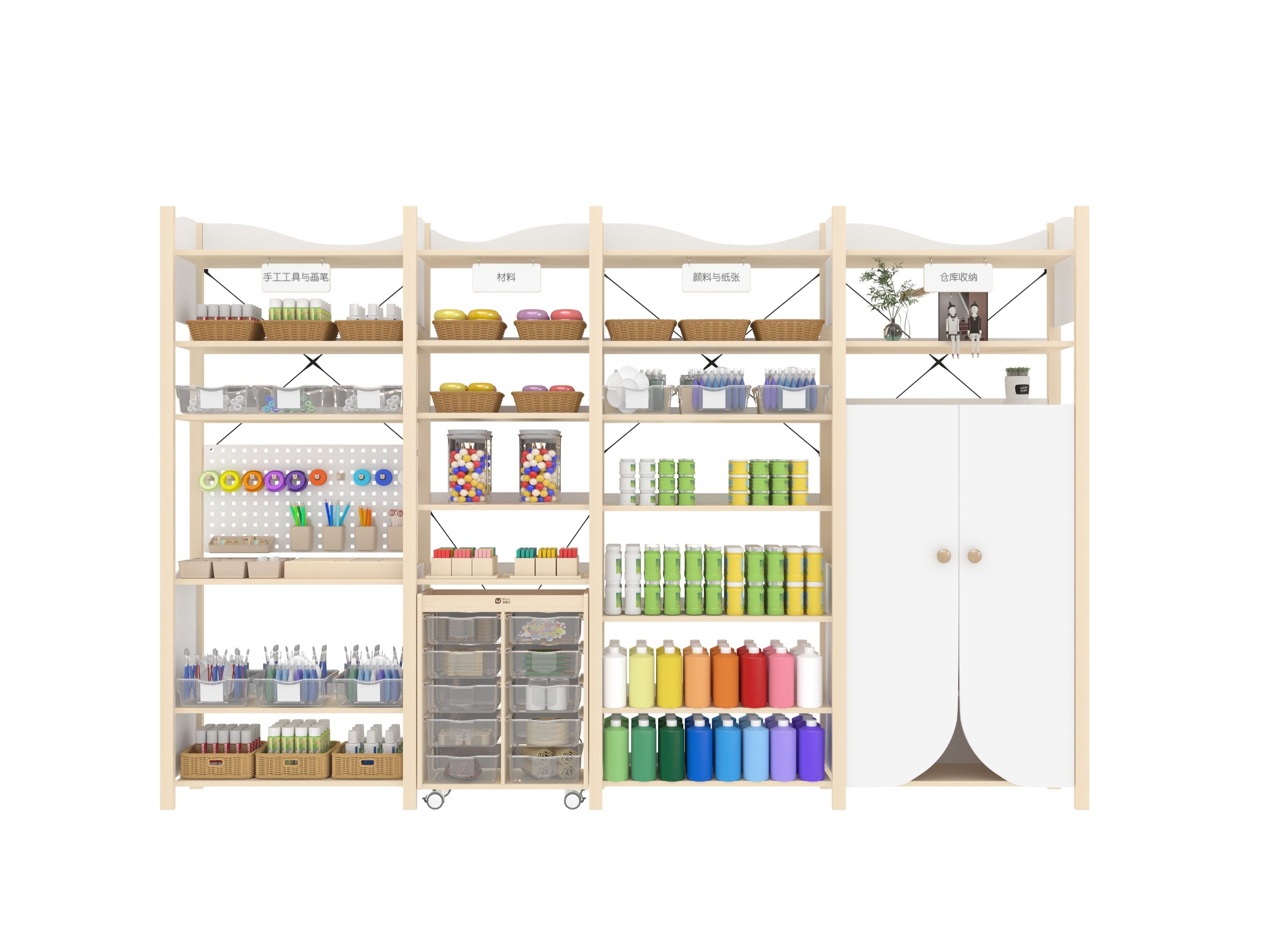
Well-organized storage solutions form a critical component of effective preschool furniture systems, directly impacting children's ability to independently access materials and maintain focus on learning activities. When storage units are appropriately sized and clearly labeled, children can quickly locate needed supplies without disrupting ongoing activities. Open shelving units allow children to see available materials at a glance, while closed storage keeps less frequently used items organized and accessible to teachers. The accessibility and organization of materials through thoughtful preschool furniture placement teaches children responsibility and helps maintain classroom flow.
Strategic placement of storage furniture within learning centers eliminates unnecessary movement and potential distractions during activities. When art supplies are stored near art tables and books are housed close to reading areas, children can focus on their chosen activities without interruption. Preschool furniture that includes integrated storage solutions maximizes classroom space while keeping necessary materials within easy reach. This integration of storage and activity furniture creates seamless learning environments that support sustained engagement and independent exploration.
Designing Specific Learning Centers
Reading and Literacy Centers
Creating inviting reading centers requires preschool furniture that promotes comfort and concentration while accommodating various reading positions and group sizes. Soft seating areas with cushions, bean bags, or small couches create cozy environments that make reading feel special and enjoyable. Book display units that show covers rather than spines help young children identify and select books independently. The furniture arrangement should create intimate spaces that feel separate from more active classroom areas while remaining visible to supervising adults.
The lighting and positioning of preschool furniture in literacy centers significantly impacts reading success and eye strain prevention. Reading chairs should be positioned to take advantage of natural light when possible, with additional task lighting available for overcast days or late afternoon activities. The height and angle of book storage furniture should allow children to browse selections comfortably without straining or reaching. These ergonomic considerations in preschool furniture selection and placement help create environments where children naturally want to spend time exploring books and developing literacy skills.
Art and Creative Expression Areas
Art centers require specialized preschool furniture that can withstand frequent cleaning while providing appropriate work surfaces for various creative activities. Tables with easy-to-clean surfaces and rounded edges ensure safety while accommodating messy projects like painting and clay work. The height of work surfaces should allow children to stand or sit comfortably while manipulating art materials. Easels, drying racks, and display areas integrated into the preschool furniture plan help children complete projects from start to finish while learning to care for their creative work.
Storage solutions for art centers must balance accessibility with organization, requiring preschool furniture that accommodates supplies of various sizes and shapes. Open bins allow children to see available materials while drawer systems keep smaller items organized and prevent spills. The arrangement of storage furniture should create natural traffic flow patterns that prevent congestion while allowing multiple children to access supplies simultaneously. When art center furniture is well-organized and purposefully arranged, children can focus on creative expression rather than searching for materials or navigating crowded spaces.
STEM and Discovery Learning Spaces
Science and Exploration Centers
STEM learning centers require preschool furniture that supports hands-on exploration while maintaining organization and safety. Sturdy tables with smooth surfaces accommodate scientific experiments and building activities, while nearby storage keeps manipulatives and exploration tools accessible. The furniture arrangement should allow for both individual investigation and collaborative discovery, with flexible seating options that can be easily rearranged for different group sizes. Water and sensory tables integrated into the preschool furniture plan provide dedicated spaces for messy exploration while containing materials effectively.
Display areas within STEM centers showcase ongoing projects and scientific observations, requiring preschool furniture that can accommodate changing exhibits and student work. Bulletin boards, display shelves, and documentation panels should be positioned at child height to encourage ownership and pride in scientific discoveries. The integration of technology within STEM centers requires furniture that can accommodate tablets, microscopes, or other exploration tools while maintaining focus on hands-on learning experiences. This balance between traditional and digital exploration tools helps children develop comprehensive STEM skills.
Building and Construction Areas
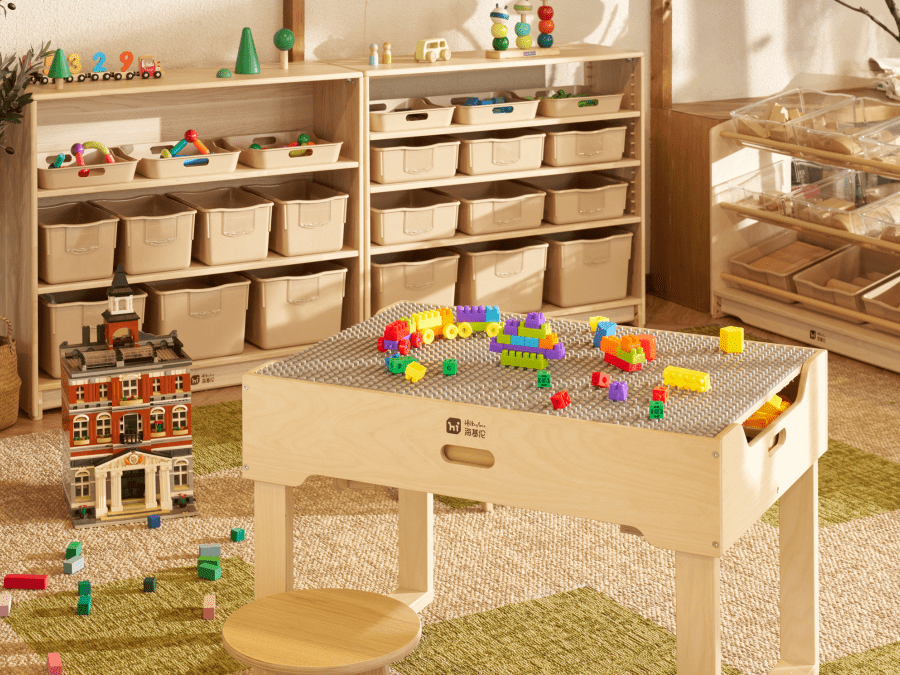
Construction centers benefit from preschool furniture that provides both building surfaces and organized storage for various manipulatives and blocks. Large, sturdy tables offer stable platforms for complex building projects, while floor space allows for larger constructions that extend beyond table boundaries. The furniture arrangement should create defined building areas that prevent accidental destruction of works in progress while allowing for collaborative construction projects. Storage systems should separate different types of building materials while keeping them visible and accessible to young builders.
The safety and durability of preschool furniture in construction areas becomes particularly important given the active nature of building play. Rounded edges prevent injuries during enthusiastic construction activities, while stable bases prevent tipping when children lean or reach across work surfaces. Storage containers should be appropriately sized to prevent strain when children carry blocks or other building materials to their work areas. The thoughtful selection of construction center furniture helps create environments where children can engage in complex building activities safely and independently.
Creating Flexible and Adaptable Spaces
Mobile and Modular Furniture Options
The dynamic nature of preschool learning requires furniture solutions that can adapt to changing activities and group sizes throughout the day. Mobile preschool furniture pieces with wheels or lightweight construction allow educators to reconfigure spaces quickly for different activities or special events. Modular storage units can be combined in various configurations to create different learning environments, while stackable seating provides flexibility for large group activities or individual work time. This adaptability helps maximize classroom space utilization while providing variety that maintains children's interest and engagement.
The investment in flexible preschool furniture pays long-term dividends by extending the useful life of classroom environments and accommodating changing educational approaches. Furniture pieces that serve multiple functions reduce overall costs while providing educators with creative options for space utilization. Tables that adjust in height can accommodate different age groups or activity types, while storage units that function as room dividers provide both organization and spatial definition. This versatility in preschool furniture selection helps create learning environments that can evolve with changing needs and educational philosophies.
Seasonal and Thematic Adaptations
Effective preschool furniture systems accommodate seasonal changes and thematic learning units without requiring complete classroom overhauls. Neutral-colored base furniture provides a foundation that works with various decorative themes throughout the year, while accessory pieces can be changed to reflect seasons or learning topics. Display furniture should accommodate rotating exhibits that connect to curriculum themes, allowing children to see connections between their physical environment and learning objectives. This flexibility helps maintain fresh, engaging environments that support diverse learning experiences.
The strategic use of fabric elements and removable covers on preschool furniture allows for easy updates without major expense or disruption. Cushion covers, table runners, and fabric storage bins can be changed to reflect seasons or themes while maintaining the underlying furniture structure. This approach to adaptable preschool furniture helps create environments that feel fresh and engaging throughout the school year while maintaining the stability and familiarity that young children need for security and confidence in their learning spaces.
Safety and Durability Considerations
Material Selection and Construction Standards
The selection of preschool furniture materials directly impacts both safety and longevity, requiring careful consideration of construction standards and material properties. Solid wood construction provides durability and stability, while engineered materials can offer cost-effective solutions with appropriate safety ratings. All finishes should be non-toxic and easy to clean, meeting or exceeding safety standards for early childhood environments. The edges and corners of preschool furniture should be rounded or cushioned to prevent injuries during active play and learning activities.
Quality construction in preschool furniture prevents wobbling, tipping, or breaking that could create safety hazards or disrupt learning activities. Reinforced joints and appropriate hardware ensure that furniture maintains stability even with frequent use by energetic young children. The weight distribution and base design of preschool furniture should prevent tipping even when children climb or lean on pieces. These safety considerations require initial investment in quality furniture but provide long-term value through reduced replacement costs and improved classroom safety.
Maintenance and Cleaning Protocols
The design and material selection of preschool furniture should facilitate regular cleaning and sanitization required in early childhood environments. Smooth surfaces without crevices or decorative details that trap dirt and bacteria help maintain hygienic conditions while reducing cleaning time. The finish and construction of preschool furniture should withstand frequent cleaning with appropriate disinfectants without showing wear or damage. This durability ensures that furniture maintains an attractive appearance while meeting health and safety requirements throughout its useful life.
Preventive maintenance protocols help extend the life of preschool furniture while maintaining safety standards throughout daily use. Regular inspection of hardware, joints, and surfaces helps identify potential issues before they become safety hazards or require expensive repairs. The documentation of maintenance activities and furniture condition helps administrators make informed decisions about replacement timing and budget planning. This systematic approach to furniture maintenance ensures that learning environments remain safe, functional, and attractive throughout their intended lifespan.
Budget Planning and Investment Strategies
Cost-Effective Selection Approaches
Strategic planning for preschool furniture purchases helps maximize educational impact while managing budget constraints effectively. Prioritizing essential pieces that support core learning activities ensures that limited funds create maximum benefit for children's educational experiences. Quality investment in key furniture pieces like tables and storage units provides better long-term value than purchasing numerous lower-quality items that require frequent replacement. The selection of versatile preschool furniture pieces that serve multiple functions helps stretch budgets while providing flexibility for various learning activities.
Timing furniture purchases to take advantage of seasonal sales and educational discounts can significantly reduce costs while maintaining quality standards. Bulk purchasing agreements with other schools or educational organizations can provide volume discounts that make higher-quality preschool furniture more affordable. The consideration of used or refurbished furniture options can provide cost savings when pieces meet safety and quality standards. These strategic approaches to furniture acquisition help create well-equipped learning environments within realistic budget parameters.
Long-Term Value and Return on Investment
The initial investment in quality preschool furniture provides returns through extended useful life, reduced replacement costs, and improved educational outcomes. Durable construction reduces the need for frequent repairs or replacements, while attractive, functional furniture supports positive learning environments that benefit children's development. The versatility of well-chosen preschool furniture allows spaces to adapt to changing educational approaches without requiring complete replacement. This flexibility provides ongoing value as programs evolve and grow over time.
Documentation of furniture performance, maintenance costs, and replacement schedules helps administrators make data-driven decisions about future purchases and budget planning. The tracking of how different preschool furniture pieces support learning activities and child engagement provides insights into which investments provide the greatest educational value. This information helps guide future purchasing decisions while demonstrating the connection between physical environment and educational outcomes to stakeholders and funding sources.
FAQ
What is the ideal height for preschool furniture tables and chairs
The ideal height for preschool furniture depends on the age group being served, but generally tables should be 18-20 inches high with chairs measuring 8-10 inches for the youngest children up to 12-14 inches for older preschoolers. Children should be able to sit with their feet flat on the floor and their arms comfortably positioned for table activities. Adjustable height options in preschool furniture provide flexibility to accommodate mixed age groups and ensure proper ergonomics for all children in the learning environment.
How can preschool furniture improve children's focus and attention spans
Well-designed preschool furniture improves focus by creating clearly defined learning spaces that minimize distractions and support specific activities. When furniture is appropriately sized and comfortable, children can maintain attention on tasks longer without physical discomfort. The strategic arrangement of preschool furniture creates visual boundaries that help children understand behavioral expectations while providing cozy, intimate spaces that naturally encourage concentration and sustained engagement in learning activities.
What safety features should I look for when selecting preschool furniture
Essential safety features in preschool furniture include rounded edges and corners, stable bases that prevent tipping, non-toxic finishes, and construction that meets CPSC safety standards. Hardware should be recessed or covered to prevent catching on clothing or causing injuries. The preschool furniture should be appropriately sized to prevent climbing hazards while ensuring accessibility for intended age groups. All materials should be easy to clean and sanitize while maintaining structural integrity and attractive appearance over time.
How often should preschool furniture be replaced or updated
Quality preschool furniture typically lasts 10-15 years with proper maintenance, though replacement timing depends on usage levels, care, and changing educational needs. Regular inspection should identify safety concerns or excessive wear that requires immediate attention regardless of age. Some preschool furniture pieces may need updating sooner to accommodate new educational approaches or technologies, while core items like tables and storage can often serve effectively for their full expected lifespan when properly maintained and cared for in daily use.
