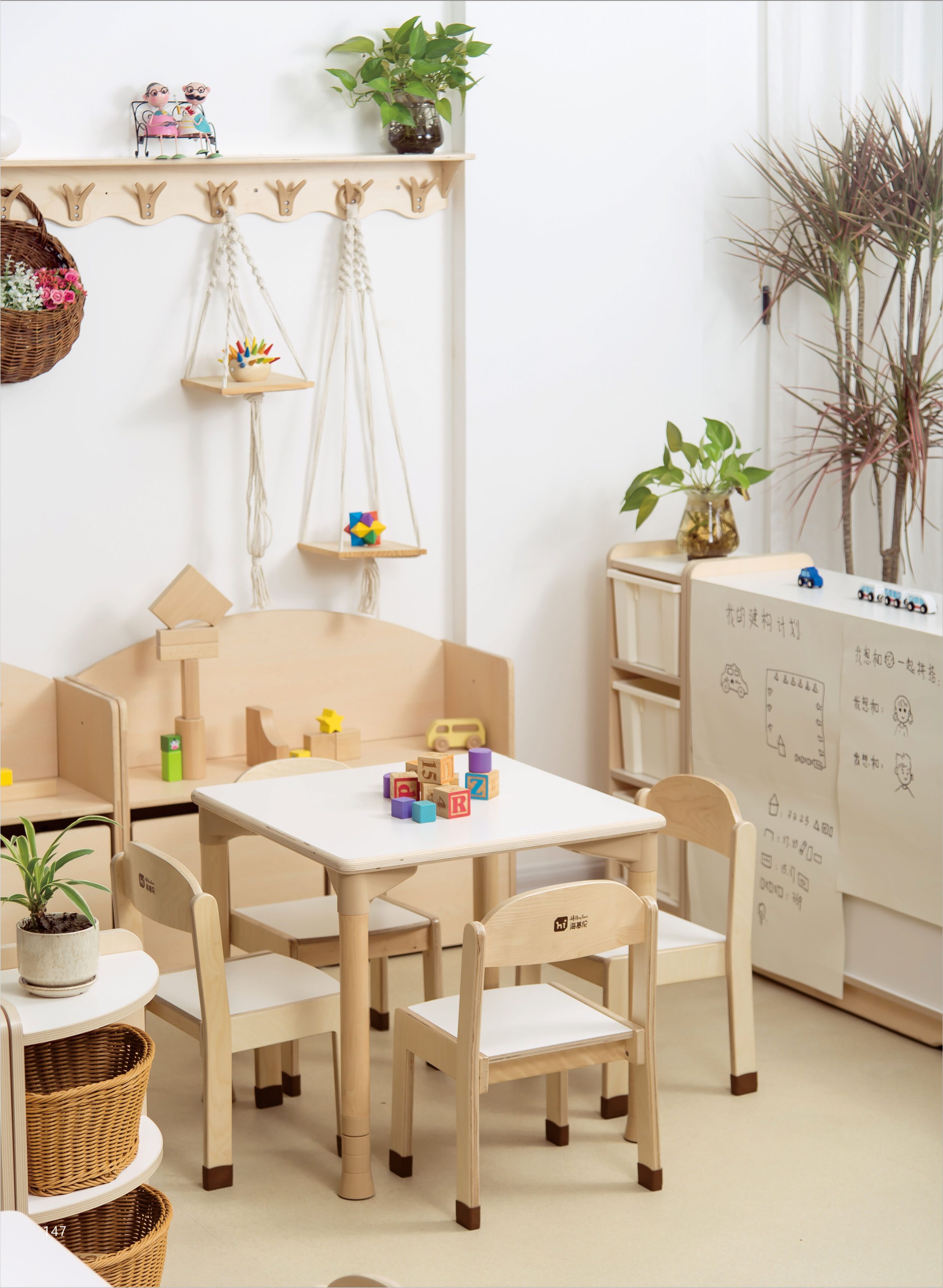
Creating safe learning environments for young children requires careful attention to every detail, especially when selecting preschool furniture. Educational institutions and childcare facilities must prioritize safety standards that protect children while fostering their development and learning experiences. Understanding the comprehensive safety requirements for preschool furniture ensures that administrators, teachers, and parents can make informed decisions that prioritize child welfare above all else.
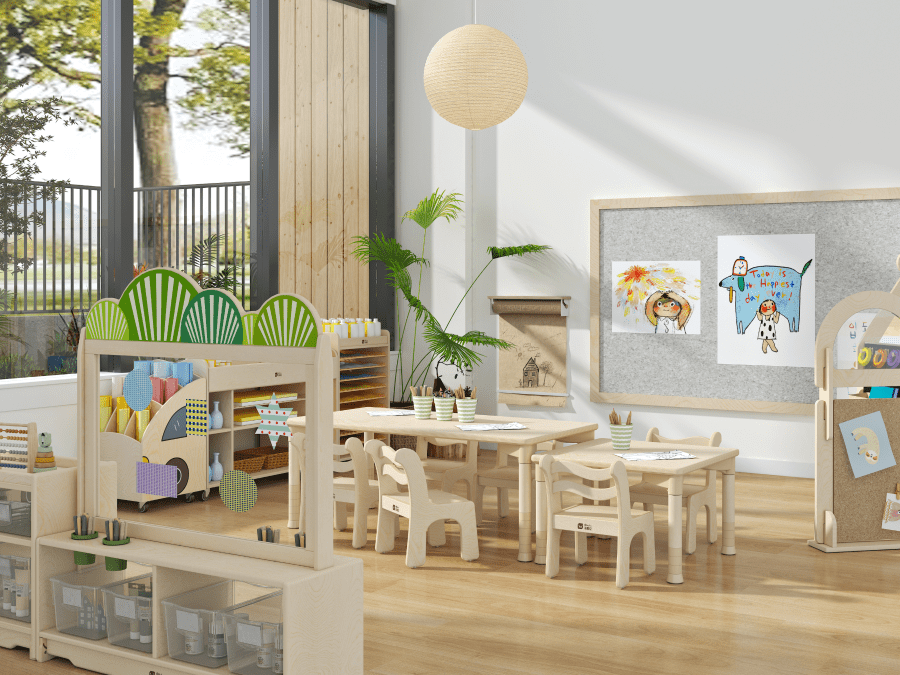
Understanding CPSC Compliance for Early Childhood Settings
Consumer Product Safety Commission Guidelines
The Consumer Product Safety Commission establishes mandatory safety standards that all preschool furniture manufacturers must follow. These regulations cover structural integrity, material composition, and design specifications that prevent common childhood injuries. CPSC guidelines specifically address furniture tipping hazards, sharp edge requirements, and toxic material restrictions that directly impact preschool environments. Compliance with these federal standards represents the minimum baseline for safe preschool furniture selection.
Educational facilities must verify that all furniture pieces display proper CPSC certification labels before installation. These labels provide essential information about testing dates, manufacturing standards, and compliance verification. Regular inspection schedules help maintain ongoing compliance and identify potential safety issues before they compromise child welfare. Proper documentation of CPSC compliance supports liability protection and demonstrates institutional commitment to safety excellence.
Age-Appropriate Design Standards
CPSC standards include specific dimensional requirements for preschool furniture that accommodate children aged three to five years. Chair heights, table dimensions, and storage unit accessibility must align with anthropometric data for this age group. These measurements prevent climbing hazards while ensuring comfortable use during daily activities. Proper sizing also reduces the risk of falls and promotes independent use among preschoolers.
Weight distribution requirements ensure that preschool furniture remains stable during typical childhood activities. Furniture pieces must withstand dynamic loads from active children without tipping or structural failure. Base width specifications and center of gravity calculations form critical components of CPSC compliance testing. Regular stability assessments help identify furniture that may no longer meet safety standards due to wear or damage.
Material Safety and Chemical Compliance Standards
Non-Toxic Material Requirements
Preschool furniture must meet stringent chemical safety standards that protect children from harmful substance exposure. Lead content restrictions, formaldehyde emission limits, and volatile organic compound regulations ensure healthy indoor air quality. Material safety data sheets provide detailed information about chemical compositions and potential health risks. These documents help facility administrators make informed decisions about furniture selection and installation timing.
Third-party testing verification confirms that preschool furniture materials comply with federal safety standards. Independent laboratories conduct comprehensive chemical analysis to identify potential hazards before products reach educational facilities. Certification programs like GREENGUARD provide additional assurance that furniture contributes to healthy indoor environments. Regular material safety audits help maintain ongoing compliance and identify emerging chemical concerns.
Durability and Wear Resistance
High-quality preschool furniture incorporates materials designed to withstand intensive daily use while maintaining safety standards. Surface treatments must resist scratching, chipping, and delamination that could create sharp edges or splinter hazards. Fabric selections require antimicrobial properties and easy cleaning capabilities to maintain hygienic conditions. Proper material selection extends furniture lifespan while preserving essential safety characteristics.
Joint construction methods significantly impact long-term safety performance of preschool furniture pieces. Mechanical fasteners, adhesive systems, and structural reinforcements must maintain integrity under repeated stress cycles. Quality construction techniques prevent loosening, separation, or structural failure that could endanger children. Regular maintenance schedules help identify wear patterns and schedule preventive replacements before safety compromises occur.
Structural Integrity and Stability Requirements
Anti-Tipping Design Features
Modern preschool furniture incorporates multiple anti-tipping mechanisms that prevent dangerous furniture overturns. Low center of gravity designs, wide base configurations, and wall anchoring systems provide redundant safety protection. Weight distribution calculations ensure that furniture remains stable even when children climb or apply uneven loads. These design features represent critical safety innovations that have significantly reduced furniture-related injuries in educational settings.
Professional installation procedures ensure that anti-tipping systems function properly throughout the furniture's service life. Wall anchoring points require proper structural support and regular inspection to maintain effectiveness. Installation documentation provides reference information for future safety audits and maintenance activities. Proper anchoring techniques adapt to different wall construction types while maintaining consistent safety performance.
Load Bearing Capacity Standards
Preschool furniture must demonstrate adequate load bearing capacity for both static and dynamic loading conditions. Static load testing verifies that furniture can support specified weight limits without structural deformation or failure. Dynamic testing simulates real-world usage patterns including climbing, bouncing, and impact loading. These comprehensive testing protocols ensure that preschool furniture maintains safety performance under demanding conditions.
Safety factor calculations provide additional protection margins beyond normal usage requirements. Engineering standards typically require furniture to support loads significantly exceeding expected use patterns. This conservative approach accounts for unexpected loading scenarios and material degradation over time. Regular load capacity assessments help identify furniture approaching the end of its safe service life.
Edge Safety and Injury Prevention Measures
Rounded Corner Requirements
Sharp corner elimination represents a fundamental safety requirement for all preschool furniture installations. Corner radius specifications ensure that impact injuries are minimized during normal childhood activities. Manufacturing standards define minimum radius measurements that effectively reduce injury severity while maintaining functional design. Quality control processes verify that all corners meet safety specifications before furniture enters educational facilities.
Edge treatment protocols extend beyond simple corner rounding to address all potential impact points. Comprehensive edge profiling eliminates sharp transitions and protruding elements that could cause cuts or puncture wounds. Advanced manufacturing techniques create smooth, continuous surfaces that remain safe even after normal wear and tear. Regular inspection procedures identify edge damage that may compromise safety performance.
Protective Padding Applications
Strategic padding placement enhances safety protection for preschool furniture while maintaining aesthetic appeal. High-impact areas receive additional cushioning materials that absorb collision energy and reduce injury potential. Padding materials must meet durability standards while providing consistent protection throughout their service life. Professional installation ensures proper adhesion and coverage for maximum safety effectiveness.
Maintenance protocols preserve padding integrity and identify replacement needs before safety compromises occur. Regular cleaning procedures use appropriate chemicals that maintain padding properties without degradation. Inspection schedules document padding condition and identify areas requiring attention or replacement. Proper maintenance extends protection effectiveness while controlling long-term safety costs.
Certification Programs and Third-Party Testing
BIFMA Standards for Educational Furniture
The Business and Institutional Furniture Manufacturers Association establishes comprehensive testing standards specifically designed for educational environments. BIFMA protocols evaluate structural performance, durability characteristics, and safety features relevant to preschool furniture applications. These industry standards provide detailed testing procedures that ensure consistent quality across different manufacturers. Compliance with BIFMA standards demonstrates commitment to excellence in educational furniture design.
Independent testing laboratories conduct rigorous evaluations according to BIFMA protocols to verify manufacturer claims. Testing procedures include cyclic loading, impact resistance, and environmental conditioning that simulate real-world usage patterns. Certification documents provide detailed performance data that supports informed purchasing decisions. Regular recertification ensures that preschool furniture continues meeting evolving safety standards.
International Safety Certifications
Global safety certifications provide additional assurance for preschool furniture selection in diverse educational environments. European EN standards, Canadian CSA requirements, and other international protocols offer alternative validation methods for furniture safety. These certifications often include more stringent testing requirements that exceed domestic standards. International certification recognition supports furniture selection for multinational educational organizations.
Harmonized safety standards facilitate consistent preschool furniture safety across different jurisdictions and educational systems. Mutual recognition agreements allow certified products to meet multiple national requirements simultaneously. This standardization simplifies procurement processes while maintaining high safety standards. Global certification programs continue evolving to address emerging safety concerns and technological innovations.
Installation and Maintenance Safety Protocols
Professional Installation Requirements
Proper installation represents a critical safety component that ensures preschool furniture performs according to design specifications. Certified installers possess specialized knowledge about anchoring systems, assembly procedures, and safety verification methods. Professional installation includes comprehensive testing of all safety systems before facility occupancy. Installation documentation provides essential reference information for future maintenance and inspection activities.
Quality control procedures verify that installation work meets manufacturer specifications and safety standards. Post-installation inspections confirm proper assembly, anchoring effectiveness, and overall system integrity. Documentation requirements include photographic records, test results, and certification statements. Professional installation warranties provide additional protection and demonstrate installer confidence in their work quality.
Ongoing Maintenance and Inspection Schedules
Regular maintenance schedules preserve preschool furniture safety performance throughout its intended service life. Inspection protocols identify potential safety issues before they compromise child protection. Maintenance activities include hardware tightening, surface treatment renewal, and component replacement as needed. Systematic approaches ensure comprehensive coverage while optimizing maintenance efficiency and cost control.
Documentation systems track maintenance activities and support data-driven replacement decisions. Maintenance records provide valuable information about furniture performance and identify recurring issues that may indicate design problems. Predictive maintenance techniques help schedule interventions before safety compromises occur. Professional maintenance programs ensure consistent safety performance while extending furniture service life.
FAQ
What are the most important safety standards for preschool furniture selection
The most critical safety standards include CPSC compliance for structural integrity and chemical safety, BIFMA certification for educational furniture performance, and GREENGUARD certification for indoor air quality protection. These standards ensure that preschool furniture meets federal safety requirements while providing additional protection through industry-specific testing protocols. Proper certification verification before purchase helps ensure comprehensive safety compliance.
How often should preschool furniture be inspected for safety compliance
Professional safety inspections should occur annually, with monthly visual inspections conducted by facility staff to identify obvious safety concerns. Daily use assessments help identify immediate hazards that require prompt attention. Comprehensive inspections include structural integrity testing, hardware verification, and surface condition evaluation. Documentation of all inspection activities supports liability protection and demonstrates ongoing safety commitment.
What should facilities do if preschool furniture fails safety inspections
Failed furniture must be immediately removed from service until repairs can restore safety compliance or permanent replacement occurs. Temporary barriers prevent access to unsafe furniture while repair evaluations are conducted. Professional assessment determines whether repairs can restore safety performance or if complete replacement is necessary. Documentation of corrective actions supports regulatory compliance and liability protection.
Are there specific height requirements for different types of preschool furniture
Yes, preschool furniture must conform to specific dimensional requirements based on the 3-5 year age group anthropometric data. Table heights typically range from 16-20 inches, while chair seat heights should be 10-12 inches for optimal comfort and safety. Storage units should not exceed 48 inches in height without proper anchoring systems to prevent tipping hazards. These specifications ensure age-appropriate accessibility while maintaining safety performance.
Table of Contents
- Understanding CPSC Compliance for Early Childhood Settings
- Material Safety and Chemical Compliance Standards
- Structural Integrity and Stability Requirements
- Edge Safety and Injury Prevention Measures
- Certification Programs and Third-Party Testing
- Installation and Maintenance Safety Protocols
-
FAQ
- What are the most important safety standards for preschool furniture selection
- How often should preschool furniture be inspected for safety compliance
- What should facilities do if preschool furniture fails safety inspections
- Are there specific height requirements for different types of preschool furniture
