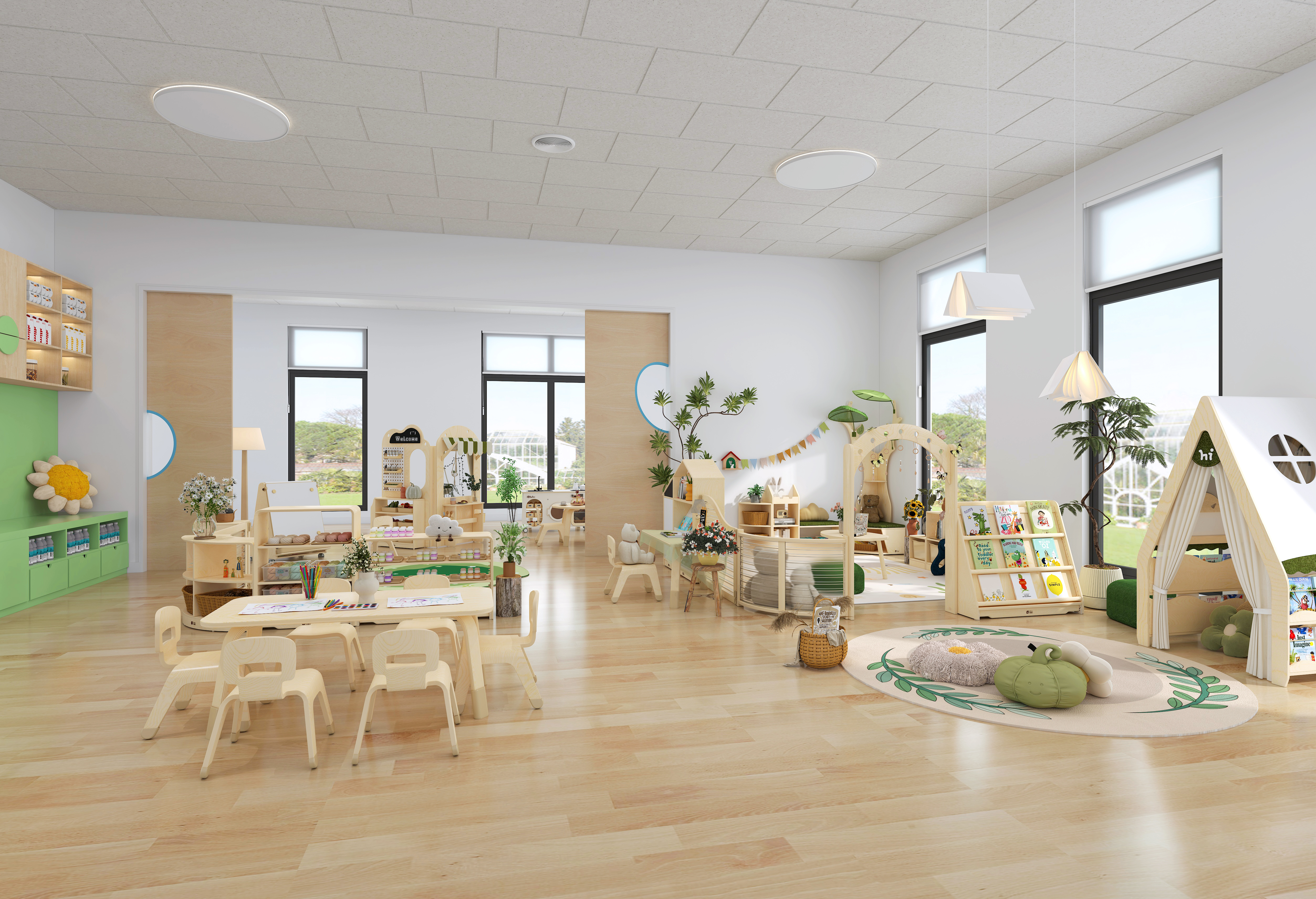
Creating an engaging and functional learning environment for young children requires careful consideration of budget allocation when selecting preschool furniture. Early childhood educators and administrators face the challenge of providing quality furniture that supports child development while maintaining cost-effectiveness. Understanding where to prioritize spending and where strategic savings can be made ensures that educational facilities maximize their investment in preschool furniture without compromising safety or educational value.
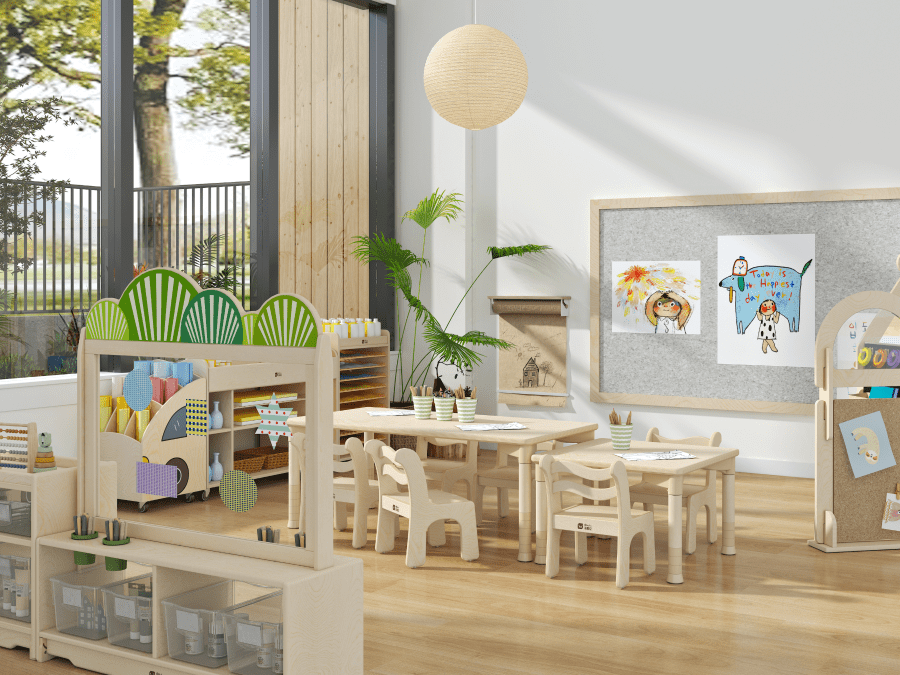
Budget planning for preschool furniture requires a strategic approach that balances immediate needs with long-term durability. Educational facilities must evaluate their specific requirements, considering factors such as enrollment capacity, age groups served, and available space. Smart procurement decisions involve identifying essential furniture pieces that directly impact child safety and learning outcomes, while recognizing areas where cost-effective alternatives can provide adequate functionality without sacrificing quality standards.
Essential Investment Categories for Preschool Furniture
Safety-Critical Furniture Components
Safety represents the most critical area where preschool furniture investments should never be compromised. High-quality tables and chairs designed specifically for young children must meet stringent safety standards and provide appropriate ergonomic support. Investing in premium preschool furniture for seating ensures proper posture development and reduces injury risks during daily activities. These foundational pieces receive intensive daily use and require robust construction to withstand the energetic nature of preschool-aged children.
Storage solutions also fall into the essential investment category, as secure and accessible storage directly impacts both safety and educational effectiveness. Quality cubbies, toy storage units, and classroom organization systems prevent accidents while promoting independence and responsibility among young learners. The durability of these storage components affects long-term classroom functionality and reduces replacement costs over time.
Educational Impact Furniture
Furniture that directly supports learning activities deserves priority investment consideration when planning preschool furniture purchases. Learning centers, reading nooks, and activity tables serve as focal points for educational engagement and creative development. These specialized furniture pieces should demonstrate exceptional durability while providing versatile functionality to accommodate various learning styles and activities throughout the school year.
Dramatic play furniture and sensory learning stations represent another crucial investment area, as these components significantly influence child development outcomes. Quality pretend play kitchens, dress-up areas, and sensory exploration tables encourage imaginative thinking and social skill development. The educational value these furniture pieces provide justifies higher initial costs when considering their impact on comprehensive child development programs.
Strategic Savings Opportunities in Preschool Furniture Selection
Decorative and Aesthetic Elements
Decorative furniture elements present excellent opportunities for budget savings without compromising educational quality or safety standards. While attractive classroom aesthetics contribute to a positive learning environment, excessive spending on purely decorative preschool furniture pieces diverts funds from more essential investments. Simple, functional furniture designs often prove more versatile and timeless than trendy decorative options that may become outdated quickly.
Accent furniture such as decorative shelving, themed seating areas, and specialty display units can often be sourced at lower costs or created through DIY projects. These cost-saving approaches allow educators to personalize classroom spaces while preserving budget allocations for critical furniture components. Creative repurposing of existing furniture through painting or minor modifications can achieve desired aesthetic goals without significant expense.
Temporary and Seasonal Furniture Needs
Furniture items with limited or seasonal use represent ideal candidates for cost-conscious purchasing decisions. Temporary seating for special events, holiday-themed furniture, or equipment used only during specific curriculum units can be acquired at lower price points without impacting overall classroom quality. These occasional-use items benefit from budget-friendly alternatives since their limited usage patterns reduce wear and durability concerns.
Outdoor preschool furniture often falls into this category, particularly in regions with limited outdoor activity seasons. While outdoor learning spaces provide valuable educational opportunities, weather-resistant furniture requirements may justify selecting cost-effective options that can be replaced more frequently rather than investing in premium weather-proof alternatives that may still require regular maintenance or replacement.
Long-term Value Considerations for Preschool Furniture Investments
Durability Versus Initial Cost Analysis
Evaluating the long-term value proposition of preschool furniture requires careful analysis of durability factors against initial purchase costs. High-quality furniture constructed from premium materials may command higher upfront prices but often deliver superior value through extended service life and reduced replacement frequency. This cost-benefit analysis becomes particularly important for heavily used furniture pieces such as tables, chairs, and storage systems that face daily wear from active young children.
Commercial-grade preschool furniture typically offers enhanced durability features such as reinforced joints, scratch-resistant surfaces, and easy-clean materials that reduce maintenance costs over time. These quality improvements justify higher initial investments when calculated across the expected service life of the furniture. Educational facilities should consider total cost of ownership rather than focusing solely on initial purchase prices when making furniture procurement decisions.
Flexibility and Adaptability Features
Investing in adaptable preschool furniture designs provides long-term value through versatile functionality that accommodates changing educational needs and space requirements. Modular furniture systems, adjustable-height tables, and multi-purpose storage solutions offer flexibility that extends their useful life beyond traditional fixed-function alternatives. These adaptable features reduce the need for frequent furniture replacements as programs evolve and space utilization requirements change.
Stackable and lightweight furniture designs contribute to operational efficiency by simplifying classroom reconfiguration and storage requirements. These practical features reduce labor costs associated with classroom setup changes while maximizing space utilization efficiency. The operational benefits of flexible furniture designs often justify higher initial costs through improved functionality and reduced ongoing operational expenses.
Budget Allocation Strategies for Preschool Furniture Procurement
Phased Purchasing Approaches
Implementing phased purchasing strategies allows educational facilities to spread preschool furniture investments across multiple budget cycles while prioritizing the most critical needs first. This approach enables administrators to secure essential safety-critical furniture immediately while planning for gradual upgrades to enhance educational functionality and aesthetic appeal. Phased procurement reduces financial strain while ensuring that classroom operations can commence with adequate furniture support.
Priority-based purchasing phases should begin with safety-essential furniture such as appropriate seating and secure storage, followed by educational support furniture and finally aesthetic enhancement pieces. This systematic approach ensures that budget limitations never compromise child safety or basic educational functionality. Each phase can incorporate lessons learned from previous purchases to optimize subsequent furniture selections.
Mixed Quality Level Strategies
Strategic mixing of premium and budget-friendly preschool furniture allows facilities to optimize their investment while maintaining overall quality standards. This approach involves investing in high-quality versions of heavily used, safety-critical items while selecting cost-effective alternatives for occasional-use or easily replaceable pieces. The mixed approach maximizes budget efficiency without creating noticeable quality disparities in the learning environment.
Successful implementation of mixed quality strategies requires careful evaluation of each furniture piece's role in daily operations and its impact on child safety and learning outcomes. Items receiving intensive daily use or those critical to safety warrant premium investment, while supplementary or backup furniture can utilize more economical options. This balanced approach achieves optimal resource allocation while maintaining comprehensive classroom functionality.
Maintenance and Replacement Planning for Preschool Furniture
Preventive Maintenance Strategies
Establishing comprehensive maintenance protocols extends the service life of preschool furniture investments while reducing long-term replacement costs. Regular inspection schedules identify potential safety hazards and minor repair needs before they escalate into major problems requiring furniture replacement. Proactive maintenance approaches preserve both the functionality and appearance of classroom furniture while ensuring continued compliance with safety standards.
Staff training on proper furniture care and usage guidelines prevents premature wear and damage that can necessitate early replacement. Simple maintenance practices such as proper cleaning techniques, weight limit adherence, and careful handling during room reconfiguration significantly impact furniture longevity. These preventive measures maximize the return on preschool furniture investments while maintaining safe learning environments.
Replacement Timeline Planning
Developing realistic replacement timelines for different categories of preschool furniture enables better budget planning and ensures continuous availability of safe, functional classroom equipment. High-wear items such as seating and activity tables typically require replacement more frequently than storage units or specialty furniture pieces. Understanding these usage patterns allows administrators to plan replacement schedules that prevent disruption to educational programs.
Replacement planning should consider both condition-based and time-based replacement criteria to ensure that furniture retirement decisions balance safety requirements with budget constraints. Establishing clear criteria for furniture retirement helps maintain consistent quality standards while optimizing the useful life of each investment. This systematic approach prevents both premature replacement of serviceable furniture and extended use of items that may compromise safety or functionality.
FAQ
What percentage of a preschool budget should be allocated to furniture?
Typical recommendations suggest allocating 10-15% of the total facility startup budget to preschool furniture, with annual replacement and maintenance costs representing 2-3% of operational budgets. However, these percentages may vary based on facility size, enrollment capacity, and existing furniture inventory. New facilities require higher initial investments, while established programs focus on replacement and upgrade cycles.
How long should quality preschool furniture typically last?
Commercial-grade preschool furniture designed for educational environments typically provides 8-12 years of service life under normal usage conditions. High-wear items such as chairs and activity tables may require replacement every 5-8 years, while storage units and specialized furniture can often serve effectively for 10-15 years with proper maintenance. Usage intensity and maintenance quality significantly impact actual service life.
Are used or refurbished furniture options suitable for preschool settings?
Used preschool furniture can provide cost-effective solutions when properly evaluated for safety compliance and remaining service life. All used furniture must meet current safety standards and undergo thorough inspection for structural integrity and potential hazards. Refurbished furniture from reputable suppliers often offers good value while maintaining safety standards, though warranty coverage may be limited compared to new purchases.
What safety certifications should preschool furniture meet?
Preschool furniture should comply with CPSC (Consumer Product Safety Commission) regulations and meet GREENGUARD certification standards for low chemical emissions. Look for furniture that meets or exceeds ASTM (American Society for Testing and Materials) standards for children's furniture, including stability testing and age-appropriate design requirements. These certifications ensure that furniture meets stringent safety and health standards for educational environments.
Table of Contents
- Essential Investment Categories for Preschool Furniture
- Strategic Savings Opportunities in Preschool Furniture Selection
- Long-term Value Considerations for Preschool Furniture Investments
- Budget Allocation Strategies for Preschool Furniture Procurement
- Maintenance and Replacement Planning for Preschool Furniture
- FAQ
