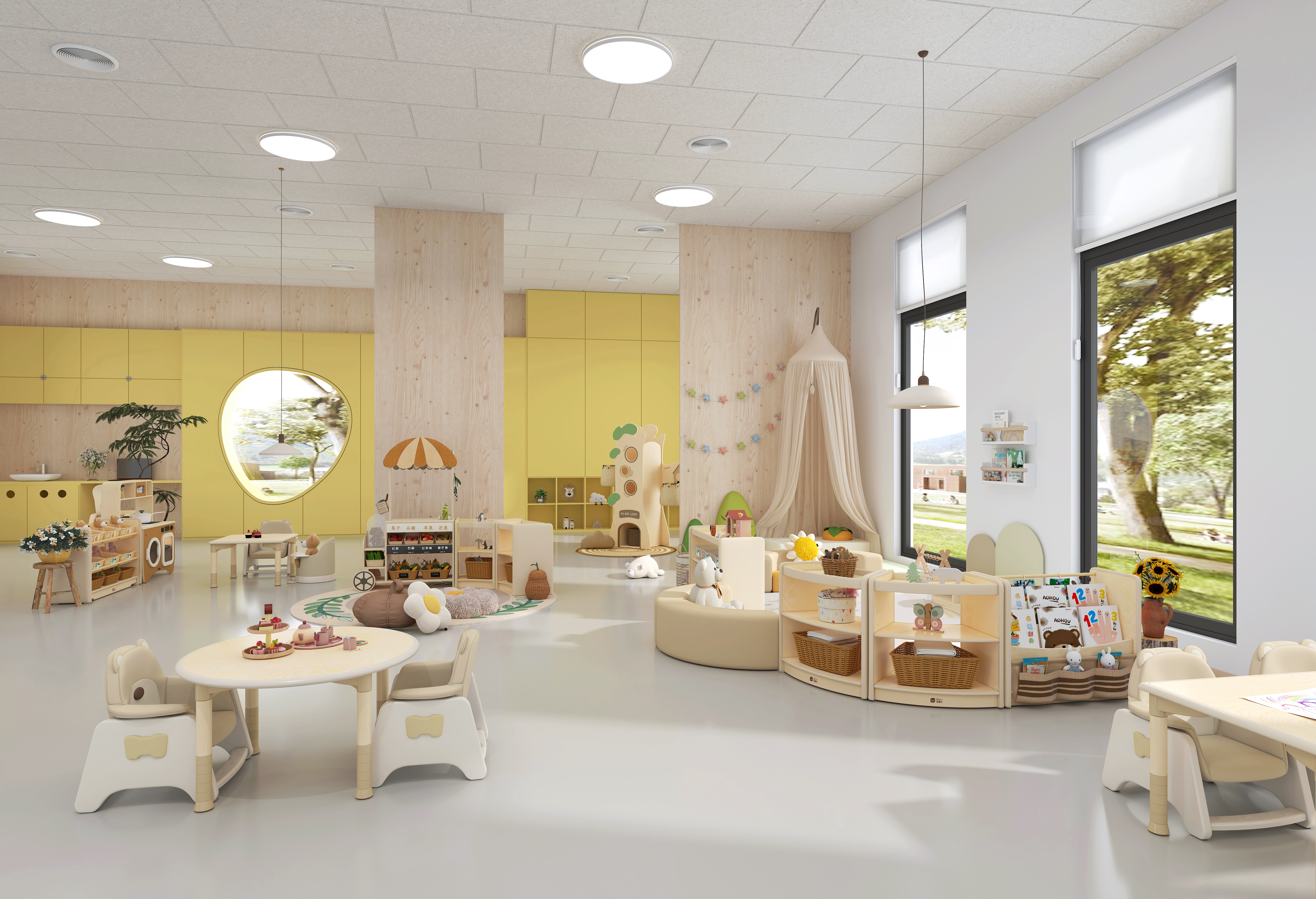
Creating a sensory-friendly learning environment for young children requires thoughtful selection of preschool furniture that supports both comfort and developmental growth. Modern educational settings recognize that traditional classroom setups may not accommodate the diverse sensory needs of all children, leading to increased demand for specialized furniture solutions that promote calm, focused learning while maintaining engagement.
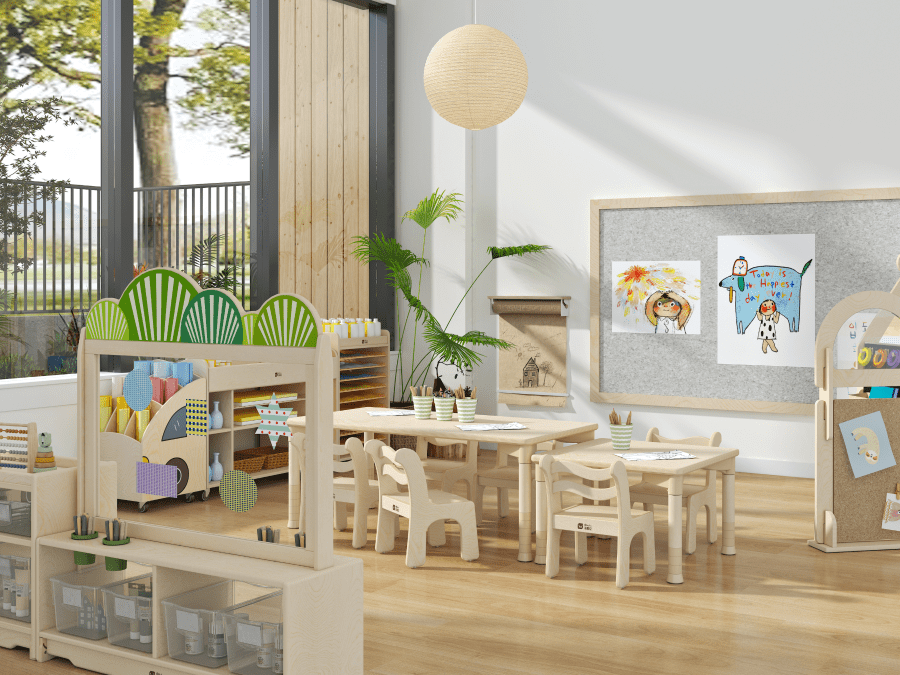
Understanding Sensory Processing in Early Childhood Education
The Science Behind Sensory-Friendly Design
Young children process sensory information differently than adults, making the selection of appropriate preschool furniture crucial for their learning success. Research indicates that children with sensory processing differences benefit significantly from environments that provide appropriate tactile, visual, and proprioceptive input. When educators choose furniture with these principles in mind, they create spaces that naturally regulate children's nervous systems and enhance their ability to focus on learning activities.
The integration of sensory considerations into classroom design extends beyond special needs accommodation, benefiting all children by providing options for different learning styles and preferences. Flexible seating arrangements, varied textures, and adjustable components allow children to self-regulate their sensory input throughout the day. This approach to preschool furniture selection supports the natural developmental process while creating inclusive environments where every child can thrive.
Impact on Learning and Development
Quality preschool furniture designed with sensory principles directly influences children's cognitive development, social skills, and emotional regulation. When children feel comfortable and supported in their physical environment, they demonstrate improved attention spans, better peer interactions, and increased willingness to engage in challenging learning tasks. The connection between physical comfort and mental engagement becomes particularly evident in preschool settings where children spend significant portions of their day seated or actively moving between learning stations.
Educational research consistently demonstrates that environmental factors, including furniture selection, play a substantial role in academic outcomes and social development. Children who have access to appropriately sized, comfortable, and sensory-supportive furniture show measurably better performance in fine motor tasks, collaborative activities, and sustained attention exercises. These benefits compound over time, creating lasting positive impacts on educational trajectories.
Essential Features of Sensory-Friendly Classroom Furniture
Texture and Material Considerations
The surface textures and materials used in preschool furniture significantly impact children's sensory experiences and comfort levels throughout the learning day. Natural materials like wood provide beneficial tactile input while maintaining durability, whereas synthetic materials should be carefully selected to avoid overwhelming sensitive children with artificial textures or chemical odors. Furniture manufacturers increasingly offer options that combine aesthetic appeal with sensory benefits, incorporating subtle texture variations that provide calming input without distraction.
Fabric selections for cushioned furniture require particular attention to both sensory properties and practical maintenance needs. Smooth, breathable fabrics work well for children who are tactilely sensitive, while slightly textured options can provide beneficial sensory input for children seeking additional tactile stimulation. The key lies in offering variety within the classroom environment, allowing children to gravitate toward furniture options that meet their individual sensory preferences and needs.
Size and Proportional Design
Proper proportional design in preschool furniture ensures that children can maintain appropriate posture and body alignment, supporting both physical development and sensory regulation. Furniture that is too large or too small can create unnecessary stress on developing musculature and joints, leading to restlessness and difficulty maintaining attention. Age-appropriate scaling allows children to achieve stable, comfortable positioning that promotes optimal learning readiness and reduces the need for constant positional adjustments.
Adjustable components within preschool furniture systems provide flexibility to accommodate the natural variation in child development and growth rates. Height-adjustable tables, chairs with multiple size options, and modular seating arrangements allow educators to customize the learning environment to meet specific group needs while maintaining individual comfort for each child. This adaptability proves particularly valuable in mixed-age classrooms or programs serving children with diverse developmental profiles.
Calming Colors and Visual Design Elements
Color Psychology in Educational Environments
Color choices in preschool furniture directly influence children's emotional states, attention levels, and overall classroom atmosphere. Research in environmental psychology demonstrates that certain color palettes promote calmness and focus, while others may inadvertently increase agitation or overstimulation. Neutral earth tones, soft blues, and muted greens typically create supportive learning environments, while bright primary colors should be used strategically as accent elements rather than dominant features.
The visual impact of furniture color extends beyond individual pieces to encompass the entire classroom ecosystem. Coordinated color schemes that incorporate natural elements and avoid harsh contrasts help create visually cohesive spaces that support sensory regulation. Educational environments benefit from color strategies that provide visual interest without overwhelming developing nervous systems, striking a balance between stimulating curiosity and maintaining calm focus.
Visual Clarity and Organization
Clean, uncluttered design in preschool furniture supports visual processing and reduces cognitive load for young learners. Furniture with simple lines, clear boundaries, and minimal visual distractions allows children to focus their attention on learning activities rather than processing complex environmental stimuli. This principle extends to storage solutions and organizational systems that maintain classroom order while remaining accessible to young children.
Strategic use of visual cues within furniture design can support classroom routines and behavioral expectations without relying on verbal instructions. Color-coded systems, picture labels, and intuitive organizational features help children navigate their environment independently while reducing stress and confusion. These design elements prove particularly beneficial for children with autism spectrum disorders or other conditions that benefit from clear, predictable visual organization.
Flexible Seating Options for Diverse Needs
Alternative Seating Solutions
Modern approaches to preschool furniture increasingly emphasize flexible seating options that accommodate different sensory preferences and learning styles. Balance balls, wobble cushions, standing desks, and floor seating create opportunities for children to engage their proprioceptive systems while participating in learning activities. These alternatives to traditional chairs provide valuable sensory input that can improve attention, body awareness, and overall engagement in classroom activities.
The implementation of flexible seating requires careful consideration of safety, supervision, and individual child needs. Educators must balance the sensory benefits of alternative seating with practical concerns about classroom management and child safety. Gradual introduction of flexible options, combined with clear expectations and boundaries, allows children to explore different seating choices while maintaining appropriate learning behaviors.
Movement Integration
Furniture design that incorporates opportunities for movement addresses the natural kinesthetic needs of young children while supporting sensory regulation. Rocking chairs, swivel seats, and furniture with built-in fidget features provide appropriate outlets for movement needs without disrupting classroom activities. This integration of movement opportunities recognizes that many children require physical motion to maintain optimal attention and learning readiness.
The strategic placement of movement-friendly preschool furniture throughout the classroom creates natural opportunities for sensory breaks and regulation throughout the day. Children learn to self-select appropriate seating based on their current needs and activity demands, developing valuable self-awareness and regulation skills. This approach supports both immediate learning needs and long-term development of self-management abilities.
Safety Considerations in Sensory-Friendly Design
Material Safety and Durability
Safety standards for preschool furniture must address both immediate physical safety and long-term health considerations related to materials and construction. Non-toxic finishes, rounded edges, and stable construction prevent injuries while maintaining the sensory benefits that support learning and development. Furniture manufacturers specializing in educational settings typically exceed standard safety requirements while incorporating features that address specific sensory needs.
Durability considerations become particularly important when selecting preschool furniture designed for heavy use by active young children. High-quality construction materials and reinforced joints ensure that sensory-friendly features remain intact over time, maintaining both safety and functionality. Investment in durable furniture proves cost-effective while ensuring consistent sensory support for multiple groups of children over extended periods.
Age-Appropriate Design Standards
Compliance with established safety standards for preschool furniture requires attention to size specifications, weight limits, and construction details that address the unique needs of young children. Age-appropriate design prevents common safety hazards while supporting the developmental goals of sensory-friendly environments. Regular safety assessments ensure that furniture continues to meet standards as children grow and classroom needs evolve.
Professional installation and ongoing maintenance protocols help ensure that preschool furniture continues to provide safe, sensory-supportive environments over time. Staff training on proper use and maintenance of specialized furniture features prevents safety issues while maximizing the benefits of sensory-friendly design elements. This comprehensive approach to safety supports both immediate protection and long-term program sustainability.
Creating Calm Spaces with Strategic Furniture Placement
Zone Development and Spatial Organization
Strategic placement of preschool furniture creates distinct zones within classroom environments that support different types of learning and sensory regulation. Quiet reading areas with soft seating, active learning spaces with flexible furniture options, and calm-down corners with specialized sensory furniture provide children with environmental choices that match their current needs. This zoning approach recognizes that effective learning environments must accommodate varying energy levels and sensory requirements throughout the day.
The flow between different zones requires careful consideration of furniture placement and traffic patterns to prevent overstimulation and maintain calm transitions. Open pathways, clear sight lines, and logical organization help children navigate the environment independently while reducing anxiety and confusion. Thoughtful spatial organization using appropriate furniture creates predictable, supportive environments that enhance both learning and emotional regulation.
Privacy and Retreat Options
Incorporating furniture elements that create semi-private spaces addresses the need for sensory breaks and emotional regulation within busy classroom environments. Low dividers, reading nooks, and quiet corners furnished with calming elements provide children with opportunities to decompress when feeling overwhelmed. These retreat spaces, equipped with appropriate preschool furniture, serve as valuable tools for preventing behavioral challenges and supporting emotional development.
The design of retreat spaces requires balance between providing privacy and maintaining appropriate supervision levels. Furniture arrangements that create visual barriers while allowing adult oversight support both child autonomy and safety requirements. These carefully designed spaces become integral components of comprehensive behavior support systems and social-emotional learning programs.
Budget-Friendly Approaches to Sensory-Supportive Furniture
Cost-Effective Material Choices
Creating sensory-friendly learning environments does not necessarily require significant budget increases when educators make strategic choices about preschool furniture investments. Simple modifications to existing furniture, such as adding texture elements or adjustable components, can provide sensory benefits at minimal cost. Creative approaches using readily available materials allow programs to enhance their environments while working within existing budget constraints.
Partnerships with local businesses, parent volunteers, and community organizations can provide resources for improving classroom furniture without straining program budgets. Many sensory-friendly modifications can be accomplished through do-it-yourself projects that engage families and community members in supporting children's learning environments. These collaborative approaches build community investment while creating customized solutions that meet specific program needs.
Phased Implementation Strategies
Gradual implementation of sensory-friendly preschool furniture allows programs to spread costs over time while evaluating the effectiveness of different approaches. Starting with high-impact, low-cost modifications provides immediate benefits while building support for more substantial investments. This phased approach also allows staff to develop expertise with sensory-friendly furniture gradually, ensuring optimal utilization of new resources.
Priority-based purchasing decisions should focus on furniture elements that provide maximum sensory benefit for the greatest number of children. Flexible seating options, adjustable tables, and multi-purpose storage solutions typically offer excellent return on investment while supporting diverse learning needs. Strategic planning ensures that budget allocations create meaningful improvements in classroom environments and child outcomes.
FAQ
What makes furniture sensory-friendly for preschoolers
Sensory-friendly preschool furniture incorporates features that support children's sensory processing needs, including appropriate textures, calming colors, proper sizing, and opportunities for movement or regulation. These elements help children maintain comfort and focus while participating in learning activities, benefiting both neurotypical children and those with sensory processing differences.
How do I choose the right size furniture for my preschool classroom
Proper sizing for preschool furniture should allow children to sit with feet flat on the floor and arms comfortably positioned for activities. Age-appropriate scaling ensures that children can maintain good posture without strain, supporting both physical development and learning readiness. Consider adjustable options to accommodate different ages and developmental stages within your program.
Can sensory-friendly furniture help with behavioral challenges
Yes, appropriate preschool furniture can significantly reduce behavioral challenges by providing children with sensory input that supports regulation and comfort. When children's physical needs are met through thoughtful furniture selection, they often demonstrate improved attention, reduced restlessness, and better emotional control throughout the learning day.
What budget considerations should I keep in mind for sensory-friendly classroom furniture
Focus on high-impact investments that benefit multiple children and support various learning activities. Start with flexible seating options and adjustable tables, then gradually add specialized pieces as budget allows. Consider DIY modifications and community partnerships to enhance existing furniture while staying within budget constraints.
Table of Contents
- Understanding Sensory Processing in Early Childhood Education
- Essential Features of Sensory-Friendly Classroom Furniture
- Calming Colors and Visual Design Elements
- Flexible Seating Options for Diverse Needs
- Safety Considerations in Sensory-Friendly Design
- Creating Calm Spaces with Strategic Furniture Placement
- Budget-Friendly Approaches to Sensory-Supportive Furniture
- FAQ
