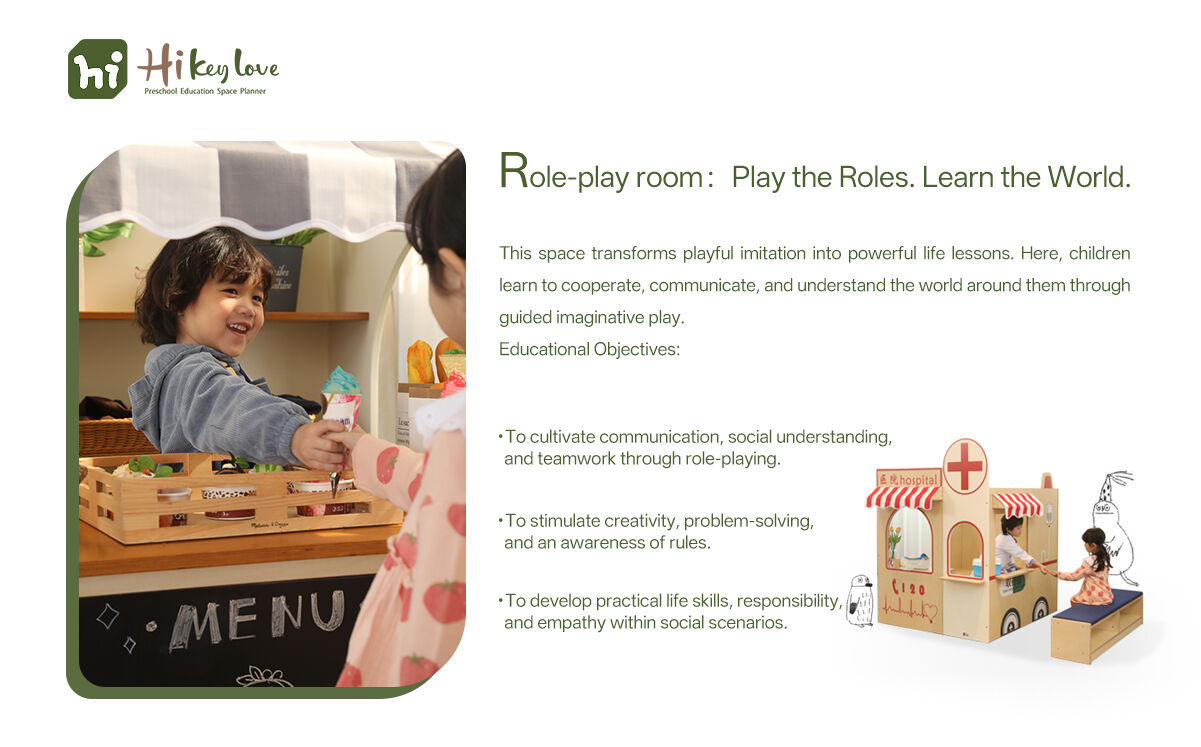
Creating an environmentally responsible learning environment starts with selecting the right preschool furniture that prioritizes sustainability without compromising durability or safety. Modern educational facilities increasingly recognize that eco-conscious choices in preschool furniture not only protect children's health but also teach valuable lessons about environmental stewardship. The materials used in manufacturing preschool furniture play a crucial role in determining both the environmental impact and the long-term benefits for educational institutions.
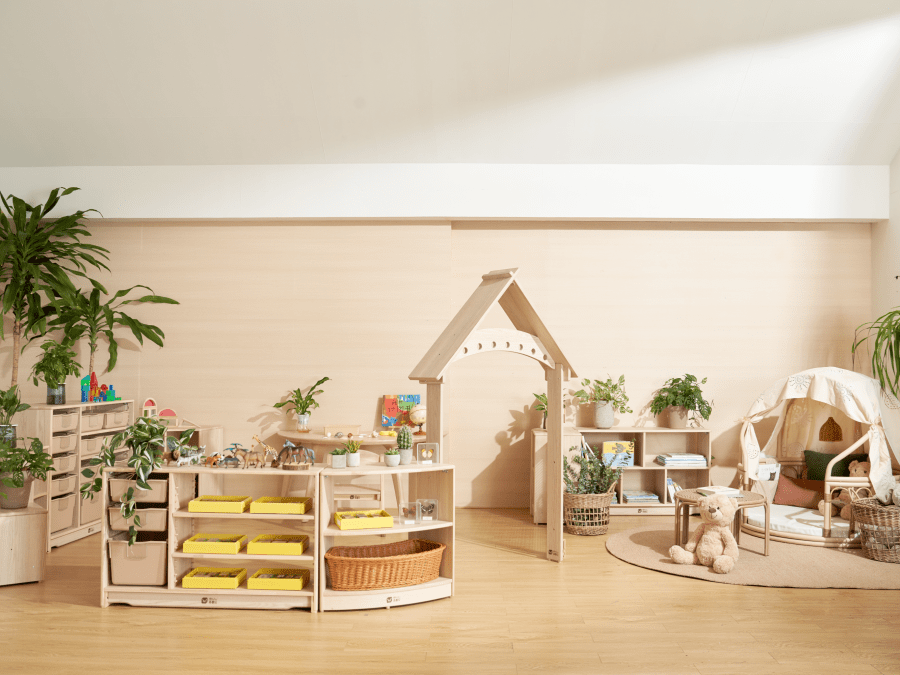
Understanding Sustainable Materials in Educational Settings
Natural Wood Options for Lasting Quality
Solid wood remains one of the most sustainable choices for preschool furniture when sourced from responsibly managed forests. Hardwoods like maple, oak, and birch offer exceptional durability that withstands the rigorous daily use typical in preschool environments. These materials naturally resist wear and tear while maintaining their structural integrity for decades. Forest Stewardship Council certified wood ensures that preschool furniture contributes to sustainable forestry practices rather than deforestation.
The natural antibacterial properties of certain wood species make them particularly suitable for young children's environments. Maple and birch naturally inhibit bacterial growth, reducing the need for harsh chemical cleaners that could compromise indoor air quality. When selecting wooden preschool furniture, institutions should prioritize pieces finished with water-based, low-VOC sealers that protect the wood while maintaining healthy air standards.
Reclaimed and Recycled Material Benefits
Reclaimed wood offers unique character while dramatically reducing environmental impact compared to newly harvested materials. This approach to preschool furniture manufacturing diverts waste from landfills while creating distinctive pieces with natural patina and history. Reclaimed materials often possess superior stability since they have already undergone natural aging processes that eliminate warping and shrinkage concerns.
Recycled plastic lumber presents another innovative option for outdoor preschool furniture applications. Made from post-consumer waste like milk jugs and detergent bottles, these materials resist moisture, insects, and UV damage without requiring chemical treatments. The durability of recycled plastic makes it ideal for playground equipment and outdoor seating that must withstand constant exposure to weather elements.
Eco-Friendly Manufacturing Processes
Low-Impact Production Methods
Sustainable preschool furniture production emphasizes manufacturing processes that minimize energy consumption and waste generation. Modern facilities utilize solar power and energy-efficient machinery to reduce carbon footprints during production. Water-based adhesives and finishes replace traditional solvent-based options, significantly improving indoor air quality in educational environments where children spend extended periods daily.
Advanced CNC machining technology allows manufacturers to optimize material usage, reducing waste by up to 40% compared to traditional cutting methods. This precision manufacturing approach ensures that every piece of preschool furniture maximizes material efficiency while maintaining exacting quality standards. The reduced waste streams directly translate to lower environmental impact and more affordable pricing for educational institutions.
Non-Toxic Finishing and Hardware Selection
The finishing process significantly impacts both environmental sustainability and child safety in preschool furniture applications. Plant-based oils and waxes provide natural protection while eliminating exposure to formaldehyde and other volatile organic compounds commonly found in conventional finishes. These natural finishes penetrate wood fibers deeply, creating long-lasting protection that ages gracefully and requires minimal maintenance.
Hardware selection involves choosing corrosion-resistant materials that eliminate the need for toxic coatings or treatments. Stainless steel and solid brass components provide superior longevity while remaining completely recyclable at end-of-life. Quality hardware ensures that preschool furniture maintains structural integrity throughout years of active use, reducing replacement frequency and associated environmental costs.
Health Benefits of Sustainable Material Choices
Indoor Air Quality Improvements
Selecting preschool furniture manufactured from sustainable materials directly correlates with improved indoor air quality in educational environments. Conventional furniture often releases formaldehyde, volatile organic compounds, and other chemicals that accumulate in enclosed spaces. Natural materials and non-toxic finishes eliminate these emission sources, creating healthier learning environments where children can focus and thrive.
The respiratory benefits of improved air quality become particularly important in preschool settings where children are still developing immune systems. Studies consistently demonstrate that reduced chemical exposure during early childhood development correlates with lower rates of asthma, allergies, and other respiratory conditions. Investing in sustainable preschool furniture represents a proactive approach to protecting children's long-term health outcomes.
Chemical Sensitivity Considerations
Many children exhibit heightened sensitivity to chemical exposures, making material selection in preschool furniture particularly critical. Natural materials like untreated wood, organic cotton cushioning, and plant-based finishes minimize exposure to synthetic chemicals that can trigger allergic reactions or behavioral changes. These considerations become especially important for children with existing sensitivities or developmental concerns.
Flame retardants, commonly applied to conventional preschool furniture, pose particular concerns for developing children. These chemicals accumulate in body tissues over time and have been linked to developmental delays and attention difficulties. Sustainable alternatives achieve fire safety through design and material selection rather than chemical treatments, providing protection without compromising child health.
Durability and Lifecycle Considerations
Long-Term Investment Value
Quality sustainable preschool furniture represents superior long-term value despite potentially higher initial costs. Natural materials like solid wood improve with age, developing rich patinas that enhance rather than detract from appearance. This aging process contrasts sharply with synthetic materials that typically show wear, fading, and degradation within several years of installation.
The modular design common in sustainable preschool furniture allows institutions to adapt and reconfigure spaces as needs evolve. Individual components can be refinished, repaired, or replaced without discarding entire furniture sets. This flexibility extends useful life while reducing replacement costs and environmental impact associated with manufacturing new pieces.
End-of-Life Recyclability
Sustainable preschool furniture design considers end-of-life disposal from the initial planning stages. Natural materials like solid wood can be repurposed, recycled, or safely composted when furniture reaches the end of its useful life. This approach contrasts with composite materials and synthetic components that often require specialized disposal methods or contribute to landfill accumulation.
The disassembly process for well-designed sustainable preschool furniture allows valuable materials to be separated and redirected to appropriate recycling streams. Metal hardware can be recycled indefinitely, while natural cushioning materials can be composted. This circular approach to material usage aligns with broader sustainability goals while reducing waste management costs for educational institutions.
Practical Selection Guidelines
Certification and Standards Recognition
Third-party certifications provide reliable verification of sustainability claims in preschool furniture manufacturing. The Forest Stewardship Council certification ensures wood originates from responsibly managed forests, while GREENGUARD certification verifies low chemical emissions. These standards offer objective measures for comparing different preschool furniture options and making informed purchasing decisions.
Cradle to Cradle certification represents the gold standard for sustainable product design, evaluating materials, renewable energy use, water stewardship, and social fairness throughout the manufacturing process. Preschool furniture bearing this certification demonstrates comprehensive commitment to environmental responsibility and social equity in production practices.
Budget-Conscious Sustainable Options
Educational institutions operating with limited budgets can still prioritize sustainability through strategic purchasing decisions. Focusing on high-use items like tables and chairs for initial sustainable preschool furniture investments provides maximum impact while spreading costs over time. Gradually replacing conventional pieces allows institutions to transition toward sustainability without overwhelming budget constraints.
Local manufacturers often provide competitive pricing on sustainable preschool furniture while reducing transportation-related environmental impact. Regional suppliers frequently offer customization options that align perfectly with specific space requirements and aesthetic preferences. Building relationships with local manufacturers can result in ongoing support and maintenance services that extend furniture lifecycles.
Implementation Strategies for Educational Institutions
Phased Transition Planning
Successfully transitioning to sustainable preschool furniture requires strategic planning that balances environmental goals with practical budget constraints. Beginning with high-visibility areas like main classrooms demonstrates institutional commitment while allowing staff and families to experience the benefits firsthand. This approach builds support for broader sustainability initiatives while proving the practical advantages of sustainable material choices.
Developing partnerships with manufacturers who offer trade-in programs can offset transition costs while ensuring responsible disposal of existing preschool furniture. These programs often provide significant discounts on new sustainable pieces in exchange for conventional furniture that can be refurbished or recycled. Such arrangements demonstrate environmental stewardship while managing budget impact effectively.
Staff Training and Maintenance Protocols
Proper maintenance extends the lifespan of sustainable preschool furniture while preserving its environmental benefits. Training custodial staff on appropriate cleaning methods ensures that natural finishes and materials receive proper care without exposure to harsh chemicals. Simple maintenance protocols like regular dusting, prompt spill cleanup, and periodic oil treatments can double or triple furniture lifespan.
Establishing clear protocols for damage assessment and repair prevents minor issues from escalating into replacement needs. Many sustainable preschool furniture pieces can be easily repaired using simple tools and techniques, making staff training a valuable investment. This proactive approach reduces long-term costs while maintaining the aesthetic appeal of learning environments.
FAQ
What makes preschool furniture truly sustainable beyond just using wood
Truly sustainable preschool furniture encompasses the entire lifecycle from raw material sourcing through end-of-life disposal. This includes using wood from certified sustainable forests, employing energy-efficient manufacturing processes, utilizing non-toxic finishes, and designing for disassembly and recyclability. The manufacturing facility's energy sources, waste reduction practices, and worker safety standards all contribute to overall sustainability. Additionally, local sourcing reduces transportation impacts while supporting regional economies.
How does sustainable preschool furniture impact children's health compared to conventional options
Sustainable preschool furniture significantly reduces children's exposure to harmful chemicals like formaldehyde, volatile organic compounds, and flame retardants commonly found in conventional pieces. Natural materials and non-toxic finishes improve indoor air quality, reducing respiratory issues, allergic reactions, and potential developmental concerns. The absence of synthetic materials eliminates off-gassing that can cause headaches, fatigue, and concentration difficulties in sensitive children. Long-term health benefits include reduced risk of chemical-related health problems and improved overall learning environment quality.
What is the typical cost difference between sustainable and conventional preschool furniture
Initial costs for sustainable preschool furniture typically range from 20% to 50% higher than conventional alternatives, depending on materials and certifications. However, the superior durability and longer lifespan often result in lower total cost of ownership over time. Sustainable pieces frequently last 2-3 times longer than conventional furniture, reducing replacement frequency and associated costs. Additionally, many sustainable options retain higher resale value and may qualify for green building certifications that provide long-term institutional benefits.
How can preschools verify the sustainability claims of furniture manufacturers
Reliable verification comes through third-party certifications like Forest Stewardship Council for wood sourcing, GREENGUARD for low emissions, and Cradle to Cradle for comprehensive sustainability. Request detailed information about manufacturing processes, material origins, and waste management practices from potential suppliers. Visit manufacturing facilities when possible to observe production methods firsthand. Review case studies and references from other educational institutions that have purchased similar preschool furniture. Work with suppliers who provide transparent documentation of their environmental practices and sustainability commitments.
Table of Contents
- Understanding Sustainable Materials in Educational Settings
- Eco-Friendly Manufacturing Processes
- Health Benefits of Sustainable Material Choices
- Durability and Lifecycle Considerations
- Practical Selection Guidelines
- Implementation Strategies for Educational Institutions
-
FAQ
- What makes preschool furniture truly sustainable beyond just using wood
- How does sustainable preschool furniture impact children's health compared to conventional options
- What is the typical cost difference between sustainable and conventional preschool furniture
- How can preschools verify the sustainability claims of furniture manufacturers
