Creating an inspiring educational environment starts with selecting the right preschool furniture that supports both learning and development. The transformation of any early childhood space begins with understanding how thoughtfully chosen furniture pieces can dramatically impact children's engagement, comfort, and educational outcomes. When educators and administrators witness the before and after effects of strategic furniture placement and selection, the results often exceed expectations in terms of functionality, aesthetics, and child development support.
Understanding the Impact of Quality Preschool Furniture
The Foundation of Learning Environments
Quality preschool furniture serves as the foundation upon which effective learning environments are built. The selection process requires careful consideration of multiple factors including durability, safety standards, developmental appropriateness, and aesthetic appeal. Professional educators understand that children spend significant portions of their day interacting with classroom furniture, making these pieces integral to their educational experience. The investment in appropriate preschool furniture directly correlates with improved student engagement, reduced behavioral issues, and enhanced learning outcomes across various developmental domains.
Research consistently demonstrates that well-designed classroom environments featuring appropriate preschool furniture contribute to children's sense of security and belonging. When furniture pieces are sized correctly for young learners, children develop independence and confidence in their ability to navigate their learning space. The psychological impact of furniture selection extends beyond mere functionality, influencing children's emotional well-being and their willingness to participate actively in educational activities.
Safety and Developmental Considerations
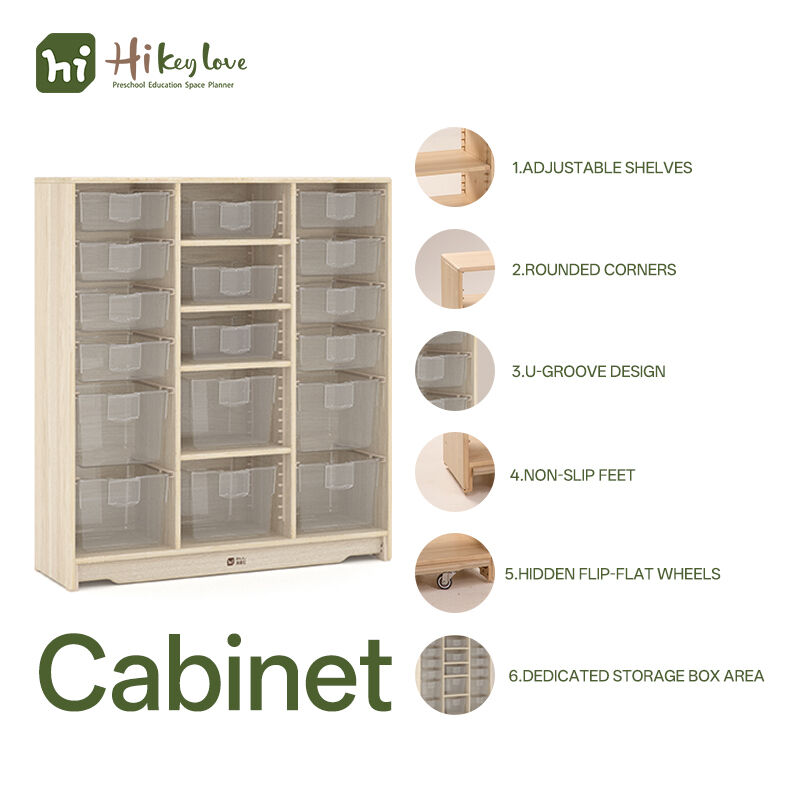
Modern preschool furniture must meet rigorous safety standards while simultaneously supporting various stages of child development. The transition from traditional adult-scaled furniture to developmentally appropriate pieces marks a significant transformation in how children interact with their environment. Safety features such as rounded corners, non-toxic finishes, and stable construction become paramount when selecting furniture for young learners who are still developing spatial awareness and motor coordination skills.
Developmental considerations extend beyond physical safety to encompass cognitive and social development support. Furniture arrangements that promote collaboration, independent exploration, and varied learning modalities create environments where children can thrive academically and socially. The before and after comparison often reveals dramatic improvements in classroom dynamics when preschool furniture is selected with developmental milestones and learning objectives in mind.
Strategic Planning for Classroom Transformation
Assessment and Goal Setting
Successful classroom transformations begin with comprehensive assessment of current furniture conditions, spatial limitations, and educational objectives. This initial evaluation phase involves examining existing preschool furniture for wear patterns, safety concerns, and alignment with current pedagogical approaches. Educational leaders must consider both immediate needs and long-term goals when planning furniture upgrades, ensuring that investments support evolving educational methodologies and changing enrollment patterns.
Goal setting during the planning phase establishes clear criteria for measuring transformation success. Whether the objective involves improving student engagement, enhancing safety protocols, or creating more flexible learning spaces, specific goals guide furniture selection decisions. The planning process also involves stakeholder input from teachers, administrators, parents, and sometimes even the children themselves, ensuring that chosen preschool furniture meets the diverse needs of the learning community.
Budget Considerations and Resource Allocation
Financial planning represents a critical component of successful classroom transformation projects involving preschool furniture updates. Educational institutions must balance quality requirements with budgetary constraints while considering the long-term cost benefits of durable, well-designed furniture pieces. Strategic budget allocation often involves prioritizing high-impact furniture items that will deliver the most significant transformation benefits while maintaining fiscal responsibility.
Resource allocation strategies may include phased implementation approaches, allowing institutions to spread costs over multiple budget cycles while achieving incremental improvements. Grant opportunities, fundraising initiatives, and partnerships with furniture suppliers can provide additional funding sources for comprehensive preschool furniture upgrades. The investment in quality furniture typically demonstrates positive returns through reduced replacement costs, improved educational outcomes, and enhanced institutional reputation.
Implementation Strategies for Maximum Impact
Timing and Logistics Coordination
Effective implementation of preschool furniture transformations requires careful coordination of timing, logistics, and stakeholder communication. The installation process must minimize disruption to educational programming while ensuring that new furniture pieces are properly positioned and tested before student use. Summer breaks and extended holiday periods often provide optimal windows for comprehensive furniture installations and classroom reconfigurations.
Logistics coordination involves managing delivery schedules, installation requirements, and disposal of outdated furniture pieces. Professional installation services ensure that preschool furniture is assembled correctly and positioned according to educational best practices and safety regulations. The coordination process also includes staff training on new furniture features, maintenance requirements, and optimal usage strategies to maximize transformation benefits.
Staff Training and Adaptation
Successful classroom transformations extend beyond furniture installation to include comprehensive staff training and adaptation support. Educators must understand how to utilize new preschool furniture effectively to support their teaching methodologies and classroom management strategies. Training sessions often focus on furniture safety features, maintenance protocols, and creative applications that enhance learning experiences.
Adaptation support involves ongoing consultation and feedback collection to ensure that furniture selections meet practical classroom needs. Teachers may require time to adjust their instructional approaches to take full advantage of new furniture capabilities and spatial arrangements. Professional development opportunities focused on environmental design and furniture utilization help educators maximize the educational potential of their transformed learning spaces.
Measuring Transformation Success
Student Engagement and Behavior Metrics
The success of preschool furniture transformations becomes evident through measurable improvements in student engagement levels, behavioral patterns, and learning outcomes. Observation tools and assessment protocols help educators document changes in children's interaction patterns, attention spans, and collaborative behaviors following furniture upgrades. These metrics provide concrete evidence of transformation effectiveness and guide future furniture selection decisions.
Behavioral improvements often manifest as reduced conflict incidents, increased independent task completion, and enhanced peer cooperation during group activities. The environmental psychology principles underlying effective preschool furniture selection become apparent through children's positive responses to appropriately scaled, comfortable, and functional learning spaces. Documentation of these improvements supports ongoing investment in quality furniture and validates transformation strategies.
Long-term Educational Outcomes
Long-term assessment of preschool furniture transformation success involves tracking educational outcomes, developmental milestones, and institutional performance metrics over extended periods. Children who learn in well-designed environments featuring appropriate furniture often demonstrate accelerated progress in areas such as fine motor development, social skills, and academic readiness. These outcomes justify the investment in quality preschool furniture and support continued environmental improvement initiatives.
Educational outcome tracking may include standardized assessment scores, developmental screening results, and teacher observations of student progress. The correlation between environmental improvements and educational success reinforces the importance of thoughtful furniture selection in early childhood settings. Long-term data collection also informs future transformation projects and helps refine furniture selection criteria based on proven results.
Maintenance and Sustainability Practices
Preventive Care Protocols
Maintaining the benefits of preschool furniture transformations requires implementing comprehensive preventive care protocols that extend furniture lifespan and preserve optimal functionality. Regular inspection schedules identify potential issues before they compromise safety or usability, ensuring that transformed learning environments continue meeting educational objectives. Preventive maintenance practices include cleaning protocols, hardware checks, and surface treatments that preserve furniture appearance and structural integrity.
Staff training in proper furniture care techniques ensures that daily usage patterns support long-term durability goals. Simple practices such as appropriate weight limits, proper cleaning procedures, and careful handling during classroom reconfigurations significantly impact furniture longevity. The investment in preventive care protocols protects the financial investment in preschool furniture while maintaining the positive environmental conditions that support student learning.
Sustainable Replacement Strategies
Sustainable furniture management involves developing replacement strategies that minimize environmental impact while maintaining high-quality learning environments. This approach includes evaluating furniture lifecycle expectations, planning for gradual replacement cycles, and considering eco-friendly disposal or repurposing options for outdated pieces. Sustainable practices in preschool furniture management demonstrate institutional commitment to environmental responsibility while maintaining educational excellence.
Replacement planning considers factors such as wear patterns, changing educational needs, and technological integration requirements that may necessitate furniture updates. Strategic replacement approaches allow institutions to maintain consistently high-quality learning environments while managing costs effectively. The integration of sustainability principles into furniture management decisions supports broader institutional environmental goals and demonstrates responsible stewardship of educational resources.
FAQ
How often should preschool furniture be replaced or updated
Quality preschool furniture typically requires replacement every 10-15 years under normal usage conditions, though individual pieces may need attention sooner based on wear patterns and safety considerations. Regular assessment of furniture condition, safety compliance, and educational appropriateness helps determine optimal replacement timing. Institutions should develop replacement schedules that balance budget constraints with safety requirements and educational effectiveness goals.
What safety standards apply to preschool furniture selection
Preschool furniture must comply with Consumer Product Safety Commission guidelines, Americans with Disabilities Act requirements, and relevant state licensing regulations for early childhood facilities. Safety standards address construction materials, stability requirements, finish toxicity levels, and age-appropriate sizing specifications. Professional furniture suppliers specializing in educational environments typically ensure their products meet or exceed applicable safety standards for preschool applications.
How can educators maximize the educational potential of new furniture arrangements
Educators can maximize preschool furniture potential by creating flexible learning zones, promoting independence through appropriate sizing, and regularly reconfiguring spaces to support different activities and learning objectives. Professional development in environmental design principles helps teachers understand how furniture placement impacts student behavior and learning outcomes. Ongoing experimentation with different arrangements allows educators to identify optimal configurations for their specific student populations and educational goals.
What factors should guide preschool furniture budget allocation decisions
Budget allocation for preschool furniture should prioritize safety compliance, durability, and educational functionality while considering long-term replacement costs and maintenance requirements. High-traffic areas and safety-critical items such as seating and storage solutions typically warrant larger budget allocations due to their direct impact on daily operations and student safety. Strategic purchasing approaches may include bulk ordering, phased implementation, and partnerships with educational furniture specialists to maximize budget effectiveness.
