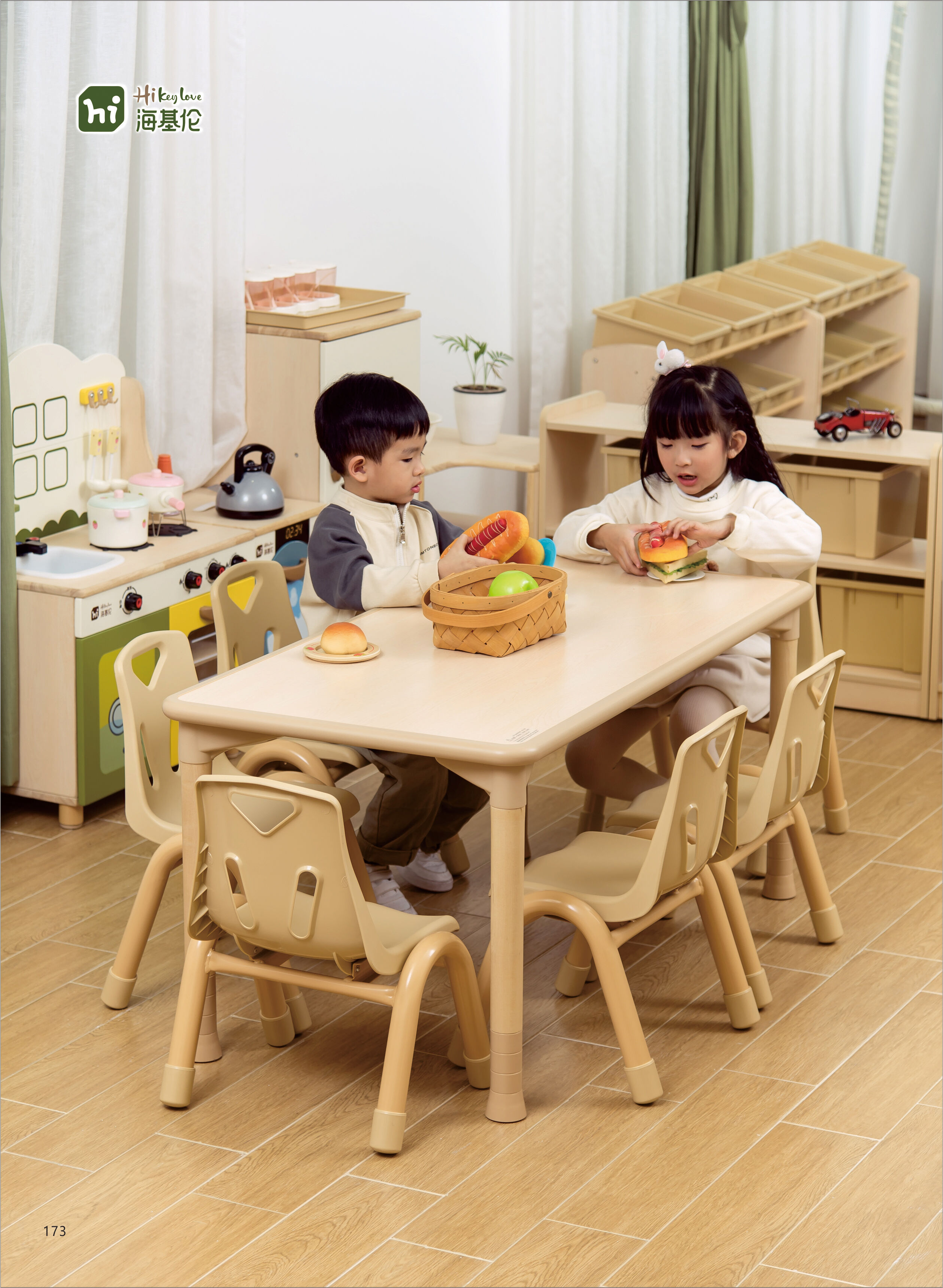
Creating a peaceful naptime environment requires careful consideration of safety, comfort, and functionality in early childhood education settings. Quality childcare furniture plays a fundamental role in establishing rest areas that promote healthy sleep patterns while maintaining the highest safety standards. Modern childcare facilities must balance the need for durable, easy-to-clean surfaces with the comfort requirements that help young children transition smoothly into restful sleep periods.
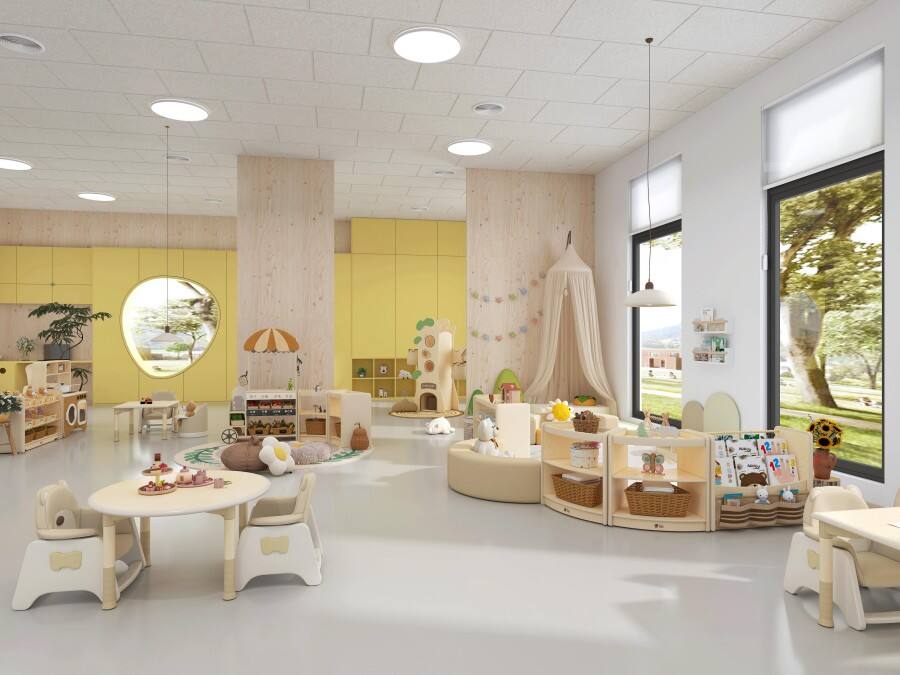
Professional childcare providers understand that naptime success depends heavily on environmental factors, with furniture selection being paramount to achieving optimal rest conditions. The right childcare furniture creates boundaries that help children feel secure while providing educators with clear sightlines for supervision. Contemporary rest area designs incorporate ergonomic principles that support natural sleep positions while meeting strict regulatory requirements for child safety and hygiene maintenance.
Essential Safety Standards for Rest Area Furniture
Regulatory Compliance and Certification Requirements
Childcare furniture must meet comprehensive safety regulations established by organizations such as the Consumer Product Safety Commission and relevant state licensing authorities. These standards address everything from material toxicity levels to structural integrity requirements that ensure furniture can withstand daily use by active children. Certification processes evaluate flame resistance, chemical emissions, and mechanical safety features that prevent injury during normal and foreseeable misuse scenarios.
Quality assurance testing for childcare furniture involves rigorous evaluation of corner radii, surface smoothness, and stability under various load conditions. Manufacturers must demonstrate that their products maintain structural integrity over extended periods of use while resisting wear patterns common in childcare environments. Documentation requirements include detailed material safety data sheets and compliance certificates that facility administrators can reference during licensing inspections.
Material Selection and Non-Toxic Considerations
The selection of appropriate materials for childcare furniture directly impacts both safety and longevity in rest area applications. Non-toxic finishes and adhesives ensure that furniture remains safe even when children come into direct contact with surfaces during sleep periods. Sustainable material choices such as solid hardwoods and certified low-emission composites provide durability while maintaining indoor air quality standards essential for respiratory health.
Anti-microbial treatments and easy-clean surfaces facilitate proper hygiene maintenance without compromising material integrity or child safety. These specialized coatings resist bacterial growth while allowing for frequent sanitization using approved cleaning products. The balance between durability and gentleness requires careful material engineering that prevents surface degradation while maintaining the soft touch necessary for comfortable rest experiences.
Ergonomic Design Principles for Young Sleepers
Age-Appropriate Sizing and Proportions
Proper sizing of childcare furniture ensures that children can access rest areas independently while maintaining safety during transitions. Cot heights, mattress dimensions, and spacing between units must accommodate the physical development stages of enrolled children while allowing for comfortable movement and positioning. Research-based anthropometric data guides manufacturers in creating furniture proportions that support natural sleep postures across various age groups typically served in childcare facilities.
Adjustable features in modern childcare furniture allow facilities to modify configurations as children grow and develop throughout the academic year. This adaptability extends the useful life of furniture investments while ensuring continuous comfort and safety for users. Modular design approaches enable facilities to reconfigure rest areas seasonally or as enrollment patterns change without requiring complete furniture replacement.
Comfort Features That Promote Quality Rest
Enhanced comfort features in childcare furniture contribute significantly to successful naptime routines by creating inviting spaces that children associate with relaxation and security. Contoured surfaces, breathable materials, and appropriate firmness levels support healthy spine alignment while accommodating individual comfort preferences. Temperature-regulating properties in furniture materials help maintain comfortable body temperatures throughout rest periods regardless of ambient room conditions.
Noise reduction properties built into childcare furniture minimize disruptions that can interrupt sleep cycles and disturb neighboring children. Strategic use of sound-absorbing materials and construction techniques creates quieter environments that support deeper, more restorative rest periods. These acoustic considerations become particularly important in facilities serving multiple age groups simultaneously where different activity levels might otherwise create conflicts.
Storage Integration and Space Optimization
Built-in Storage Solutions for Personal Items
Integrated storage compartments in childcare furniture provide secure spaces for personal items while maintaining organized rest areas that feel calm and uncluttered. Individual storage cubbies allow children to keep comfort objects, shoes, and other personal belongings easily accessible yet properly contained. These organizational features support independence skills while reducing the likelihood of lost items and conflicts between children over personal possessions.
Ventilated storage designs prevent moisture buildup and odor accumulation that can occur when personal items remain in enclosed spaces for extended periods. Easy-access mechanisms enable young children to retrieve and store items independently while maintaining security for valuable or sentimental objects. Clear identification systems help children locate their designated storage areas quickly and efficiently during transition times.
Efficient Use of Available Floor Space
Space-efficient childcare furniture designs maximize the number of rest stations that can be accommodated within available floor areas while maintaining required clearances for safety and supervision. Stackable and nesting configurations allow facilities to store furniture compactly when not in use, freeing space for other activities throughout the day. Vertical storage solutions and multi-functional pieces help smaller facilities provide adequate rest accommodations without overwhelming limited square footage.
Traffic flow considerations in furniture placement ensure that educators can move freely throughout rest areas for supervision while children can access their assigned spaces without disturbing others. Strategic spacing prevents overcrowding while maintaining the cozy atmosphere that supports successful naptime routines. These layout principles contribute to overall classroom management effectiveness while prioritizing child comfort and safety.
Maintenance and Hygiene Considerations
Easy-Clean Surface Treatments
Surface treatments on childcare furniture must balance ease of cleaning with durability and child safety requirements in demanding institutional environments. Seamless construction techniques minimize crevices where dirt and bacteria can accumulate while maintaining structural integrity under repeated cleaning cycles. Professional-grade finishes resist staining and wear while remaining gentle enough for direct skin contact during rest periods.
Quick-dry properties in furniture materials facilitate rapid turnover between cleaning and use cycles, particularly important in facilities operating extended hours or multiple shifts. Resistance to common cleaning chemicals ensures that furniture maintains appearance and structural properties over time while supporting rigorous sanitation protocols required in childcare settings. These practical considerations directly impact operational efficiency and long-term cost effectiveness.
Durability and Long-Term Performance
Investment-grade childcare furniture demonstrates superior performance characteristics that justify higher initial costs through extended service life and reduced replacement frequency. Reinforced joints, quality hardware, and impact-resistant materials ensure that furniture maintains safety and functionality despite heavy daily use by energetic children. Warranty coverage and manufacturer support services provide additional value protection for facilities making significant furniture investments.
Preventive maintenance programs help facilities maximize the lifespan of childcare furniture while maintaining optimal safety and appearance standards. Regular inspection protocols identify potential issues before they compromise safety or comfort, allowing for proactive repairs or adjustments. These systematic approaches to furniture care protect both children and institutional investments while supporting consistent quality in rest area environments.
Creating Calming Environments Through Design
Color Psychology and Visual Elements
Color choices in childcare furniture significantly influence the emotional atmosphere of rest areas, with research-supported palettes promoting relaxation and peaceful transitions to sleep. Neutral tones and soft pastels create calming environments that reduce visual stimulation during rest periods while maintaining enough visual interest to feel welcoming rather than sterile. Coordinated color schemes help establish visual continuity throughout rest areas while supporting overall classroom design themes.
Natural wood tones and earth-inspired colors connect children with calming natural elements even in indoor environments, supporting biophilic design principles that enhance well-being. Consistent color applications across multiple pieces of childcare furniture create cohesive environments that feel intentionally designed rather than randomly assembled. These aesthetic considerations contribute to the professional appearance that parents and licensing authorities expect in quality childcare facilities.
Lighting Integration and Ambiance Control
Strategic integration of lighting elements with childcare furniture helps create the dim, peaceful conditions necessary for successful naptime routines while maintaining adequate visibility for supervision. Soft, warm lighting options built into or coordinated with furniture pieces provide gentle illumination that doesn't disturb resting children while allowing educators to monitor safety and comfort levels. Adjustable lighting systems accommodate varying needs throughout different seasons and times of day.
Light-filtering materials and strategic positioning of childcare furniture help control natural light exposure during rest periods without completely darkening spaces. These design approaches maintain connection with outdoor environments while creating the subdued conditions that support healthy sleep patterns. Coordination between architectural lighting and furniture placement ensures optimal conditions for rest while supporting other classroom activities that may occur in adjacent areas.
Budget Considerations and Value Assessment
Initial Investment Versus Long-Term Costs
Comprehensive cost analysis for childcare furniture must consider factors beyond initial purchase price to accurately assess long-term value and total cost of ownership. Quality furniture that requires minimal maintenance and replacement provides superior return on investment compared to lower-cost alternatives that may require frequent repair or replacement. Financing options and bulk purchase discounts can make higher-quality childcare furniture more accessible to facilities operating under tight budget constraints.
Energy efficiency considerations in furniture selection can impact operational costs through improved insulation properties and reduced heating and cooling requirements. Furniture that contributes to overall building performance through thermal mass or insulating properties provides indirect cost benefits that may not be immediately apparent but accumulate significantly over time. These secondary benefits justify premium pricing for advanced childcare furniture systems that integrate multiple performance characteristics.
Grant Funding and Purchase Planning
Strategic planning for childcare furniture purchases can take advantage of available grant funding and tax incentive programs designed to support quality early childhood education environments. Many government and private foundation grants specifically target facility improvements that enhance child safety and comfort, making furniture upgrades eligible expenses. Professional grant writing services specializing in early childhood education can help facilities secure funding for comprehensive furniture replacement projects.
Phased replacement strategies allow facilities to upgrade childcare furniture gradually while maintaining continuous service and managing cash flow effectively. Prioritizing the most heavily used or safety-critical pieces for early replacement ensures that improvements have maximum impact while spreading costs over multiple budget cycles. These approaches make quality furniture investments achievable for facilities regardless of current financial constraints.
FAQ
What safety certifications should I look for when purchasing childcare furniture for rest areas
Look for furniture that meets CPSC safety standards, GREENGUARD certification for low chemical emissions, and any state-specific licensing requirements for your area. Quality manufacturers provide comprehensive documentation including structural testing results, material safety data sheets, and compliance certificates. Additionally, verify that furniture meets current flammability standards and has been tested for stability under various load conditions typical in childcare environments.
How often should childcare furniture be replaced or refurbished
Quality childcare furniture typically lasts 10-15 years with proper maintenance, though high-use pieces may require earlier replacement depending on facility size and usage patterns. Regular inspection schedules should identify wear patterns, structural issues, or safety concerns that indicate replacement needs. Factors such as changes in safety regulations, facility expansion, or significant wear may necessitate earlier replacement regardless of chronological age.
Can childcare furniture be customized to fit specific space requirements
Many manufacturers offer customization options including modified dimensions, color selections, and configuration adjustments to accommodate unique facility layouts and requirements. Custom childcare furniture solutions may involve longer lead times and higher costs but can provide optimal space utilization and design integration. Work with manufacturers early in the planning process to understand customization limitations and cost implications for your specific needs.
What maintenance procedures help extend the life of childcare furniture
Establish regular cleaning protocols using manufacturer-approved products, conduct weekly safety inspections to identify loose hardware or damage, and address minor repairs promptly before they become major issues. Keep detailed maintenance records to track furniture performance and identify patterns that may indicate systemic issues. Train staff on proper use and handling procedures to minimize unnecessary wear and prevent damage that could compromise safety or functionality.
Table of Contents
- Essential Safety Standards for Rest Area Furniture
- Ergonomic Design Principles for Young Sleepers
- Storage Integration and Space Optimization
- Maintenance and Hygiene Considerations
- Creating Calming Environments Through Design
- Budget Considerations and Value Assessment
-
FAQ
- What safety certifications should I look for when purchasing childcare furniture for rest areas
- How often should childcare furniture be replaced or refurbished
- Can childcare furniture be customized to fit specific space requirements
- What maintenance procedures help extend the life of childcare furniture
