
Safety auditing represents a fundamental responsibility for childcare directors who oversee environments where young children spend significant portions of their day. The condition and safety compliance of childcare furniture directly impacts the wellbeing of every child in your facility, making regular systematic evaluations essential for maintaining optimal safety standards. Comprehensive furniture audits help identify potential hazards before they become incidents, ensuring your facility remains compliant with regulatory requirements while providing a secure learning environment.
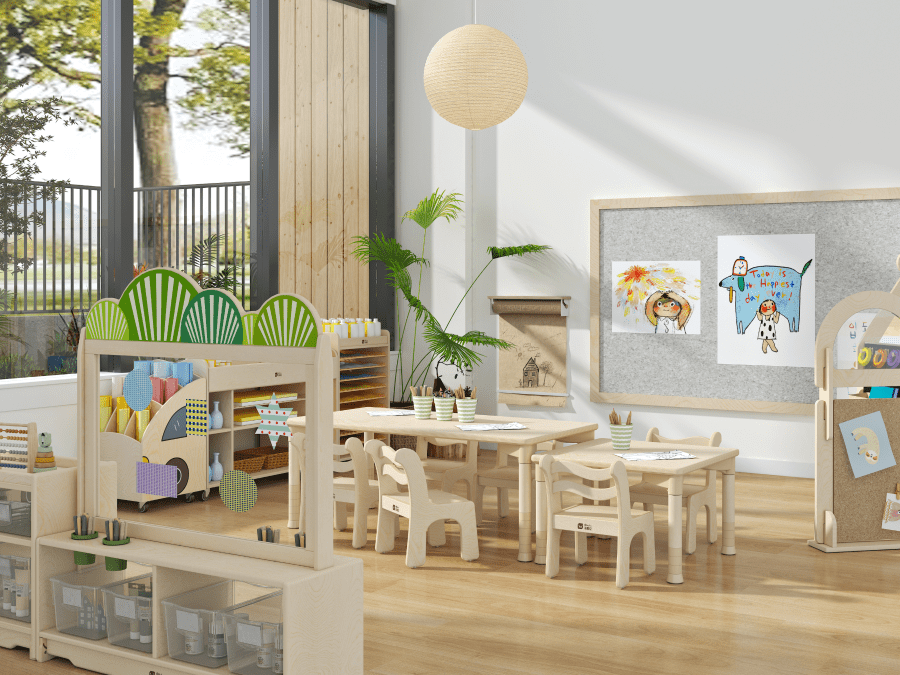
Professional childcare directors understand that furniture safety extends beyond initial purchase decisions to encompass ongoing monitoring and maintenance practices. Each piece of childcare furniture serves multiple functions throughout the day, from supporting educational activities to providing comfort during rest periods. Regular safety evaluations help ensure these essential furnishings continue meeting safety standards while supporting your program's educational objectives.
Understanding Childcare Furniture Safety Standards
Federal Regulations and Compliance Requirements
Federal safety regulations establish minimum requirements for childcare furniture used in licensed facilities across the United States. The Consumer Product Safety Commission sets specific standards for items like cribs, high chairs, and play equipment that must be followed regardless of state location. Understanding these baseline requirements helps directors make informed decisions when evaluating existing childcare furniture and planning replacements.
State licensing agencies typically add additional requirements that may exceed federal minimums, creating layered compliance obligations for facility operators. These regulations often address specific concerns like tip-over prevention, chemical emissions, and age-appropriate sizing that directly impact daily operations. Staying current with evolving standards ensures your childcare furniture continues meeting all applicable requirements throughout its service life.
Industry Best Practices for Safety Assessment
Professional organizations like the National Association for the Education of Young Children provide guidance that exceeds minimum regulatory requirements. These industry standards reflect best practices developed through extensive research and practical experience in childcare environments. Implementing these enhanced standards for childcare furniture evaluation demonstrates your commitment to excellence while potentially reducing liability exposure.
Leading childcare programs often adopt internal standards that incorporate manufacturer recommendations alongside regulatory requirements. This comprehensive approach helps identify potential issues before they compromise safety while extending the useful life of quality furniture investments. Regular training on these standards ensures staff members can contribute meaningfully to ongoing safety assessment efforts.
Developing Your Audit Documentation System
Creating Comprehensive Inventory Records
Effective audit systems begin with detailed inventory documentation that tracks every piece of childcare furniture in your facility. Each item should include purchase information, manufacturer details, model numbers, and installation dates to support thorough evaluation processes. Digital record-keeping systems allow for easy updates and provide accessible information during licensing inspections or safety reviews.
Photographic documentation provides valuable context that written descriptions alone cannot capture. High-quality images showing furniture condition, installation details, and surrounding environments support accurate assessment and help track changes over time. This visual record becomes particularly valuable when communicating with manufacturers about warranty issues or replacement needs.
Establishing Audit Frequency and Scheduling
Regular audit schedules ensure consistent attention to childcare furniture safety without overwhelming daily operations. Most experts recommend comprehensive evaluations at least quarterly, with weekly visual inspections conducted by teaching staff during routine classroom activities. This layered approach balances thoroughness with practical implementation while maintaining continuous awareness of potential safety concerns.
Seasonal scheduling considerations help coordinate audits with natural program rhythms like summer deep cleaning or enrollment transitions. Planning audits during these periods allows for more thorough evaluation and provides opportunities to address identified issues without disrupting regular programming. Emergency audit procedures should also be established for incidents or concerns that arise between regular evaluations.
Conducting Physical Safety Inspections
Structural Integrity Assessment Methods
Physical inspection protocols for childcare furniture begin with systematic evaluation of structural components including joints, fasteners, and support elements. Each piece should be examined for signs of wear, damage, or deterioration that might compromise safety during normal use. Testing procedures should include gentle stress testing of moving parts and weight-bearing elements to identify potential failure points.
Professional assessment techniques include checking for loose screws, cracked wood, bent metal components, and worn fabric or upholstery materials. These detailed examinations help identify maintenance needs before they become safety hazards while extending the useful life of quality childcare furniture investments. Documentation of findings supports informed decision-making about repair versus replacement options.
Surface and Material Safety Evaluation
Surface condition assessment focuses on identifying potential hazards like splinters, sharp edges, or chemical damage that could harm children during normal use. Regular evaluation of paint and finish conditions helps ensure continued compliance with lead safety requirements while maintaining attractive appearances. Testing procedures should include tactile examination and visual inspection under appropriate lighting conditions.
Material degradation assessment addresses concerns like fabric deterioration, foam compression, or plastic brittleness that develop over time. These conditions can create safety hazards while reducing the functional effectiveness of childcare furniture in supporting program activities. Early identification allows for proactive maintenance or replacement planning that minimizes disruption to daily operations.
Age-Specific Safety Considerations
Infant and Toddler Furniture Requirements
Furniture designed for infants and toddlers requires heightened safety attention due to the vulnerability of this age group and their developmental characteristics. Cribs, changing tables, and feeding chairs must meet stringent safety standards while supporting the intensive use typical of infant care environments. Regular evaluation ensures these critical pieces continue meeting safety requirements throughout their service life.
Toddler-specific childcare furniture considerations include height restrictions, tip-over prevention, and elimination of small parts that might present choking hazards. These mobile and curious children interact with furniture in unpredictable ways, requiring robust construction and careful placement within classroom environments. Safety assessments must consider both intended use patterns and creative exploration typical of this developmental stage.
Preschool and School-Age Equipment Standards
Preschool children's increasing size and coordination abilities require different safety considerations for childcare furniture selection and evaluation. Tables, chairs, and storage units must accommodate growing bodies while maintaining stability during active use periods. Weight capacities and dimensional specifications become particularly important as children engage in more vigorous activities.
School-age programs often incorporate furniture that serves dual educational and recreational purposes, requiring evaluation of both safety and functional performance. Computer desks, art tables, and specialized seating must support extended use periods while maintaining safety standards. Regular assessment ensures these multipurpose pieces continue meeting both educational objectives and safety requirements as programs evolve.
Environmental Hazard Assessment
Chemical Safety and Off-Gassing Concerns
Chemical safety evaluation represents a critical but often overlooked aspect of childcare furniture assessment. Formaldehyde emissions, volatile organic compounds, and other chemical off-gassing can create health concerns in enclosed childcare environments. Regular air quality monitoring and manufacturer verification help ensure continued compliance with indoor air quality standards.
Cleaning product compatibility assessment prevents damage to furniture finishes while maintaining sanitation requirements. Some childcare furniture materials may be damaged by harsh cleaning agents, creating safety hazards or reducing effective lifespan. Understanding manufacturer recommendations helps balance infection control needs with furniture preservation requirements.
Placement and Space Planning Safety
Furniture placement evaluation extends beyond individual piece safety to encompass room-level hazard assessment. Traffic flow patterns, emergency egress routes, and supervision sight lines all influence safety outcomes in childcare environments. Regular evaluation ensures furniture arrangements continue supporting both daily operations and emergency procedures as programs change.
Space utilization assessment helps identify overcrowding or inadequate clearance issues that might compromise safety during normal activities. Childcare furniture arrangements must accommodate the dynamic nature of early childhood programs while maintaining safe distances from heating elements, electrical outlets, and other environmental hazards. Systematic evaluation helps optimize both safety and functionality in limited space environments.
Maintenance and Repair Decision Making
Cost-Benefit Analysis for Furniture Decisions
Professional maintenance decisions require careful evaluation of repair costs versus replacement benefits for aging childcare furniture. Quality pieces may justify significant repair investments when structural integrity remains sound, while lower-grade items might warrant replacement even for minor issues. Understanding manufacturer warranty terms and available repair services helps optimize maintenance budgets while maintaining safety standards.
Lifecycle cost analysis includes consideration of ongoing maintenance requirements, replacement part availability, and compliance with evolving safety standards. Some childcare furniture may become obsolete due to regulatory changes, making replacement more cost-effective than continued maintenance efforts. Long-term planning helps balance immediate budget constraints with strategic facility improvement objectives.
Professional Service Provider Selection
Qualified repair services ensure childcare furniture maintenance meets professional standards while preserving safety certifications. Licensed contractors familiar with childcare environments understand regulatory requirements and appropriate materials for maintaining compliance. Establishing relationships with qualified service providers supports prompt response to safety concerns while maintaining operational continuity.
Warranty service coordination helps maximize manufacturer support while minimizing facility disruption during repair activities. Understanding warranty terms and service procedures ensures appropriate response to equipment failures while protecting investment value. Professional documentation of maintenance activities supports warranty claims while demonstrating due diligence in safety management efforts.
Staff Training and Ongoing Monitoring
Employee Safety Awareness Programs
Effective safety programs depend on trained staff members who understand their roles in ongoing childcare furniture monitoring and maintenance. Regular training sessions help employees recognize potential hazards, understand reporting procedures, and implement appropriate responses to safety concerns. Comprehensive programs address both routine inspection techniques and emergency response procedures.
Documentation of staff training activities demonstrates commitment to safety while supporting licensing compliance requirements. Training records should include specific topics covered, employee participation, and competency verification to ensure consistent understanding across all team members. Regular refresher training helps maintain awareness levels while addressing new safety concerns or regulatory changes.
Incident Response and Documentation Procedures
Clear incident response procedures ensure prompt attention to childcare furniture safety concerns while protecting both children and staff members. Written protocols should address immediate hazard mitigation, proper documentation requirements, and communication with parents and regulatory agencies. Regular drill exercises help ensure staff readiness while identifying potential procedure improvements.
Incident analysis procedures help identify patterns or systemic issues that might indicate broader safety concerns with specific childcare furniture types or manufacturers. This information supports informed purchasing decisions while helping prevent similar incidents in other areas of the facility. Professional incident management demonstrates commitment to continuous improvement in safety practices.
FAQ
How often should childcare furniture safety audits be conducted
Comprehensive safety audits should be conducted quarterly for all childcare furniture, with weekly visual inspections performed by teaching staff during routine activities. High-use items like cribs and feeding chairs may require more frequent detailed evaluation, while storage furniture might be assessed less frequently based on usage patterns and condition.
What documentation is required for childcare furniture safety compliance
Required documentation includes purchase records, manufacturer safety certifications, inspection logs, maintenance records, and incident reports for all childcare furniture. Many licensing agencies also require proof of compliance with current safety standards and evidence of staff training on safety procedures and hazard recognition.
When should childcare furniture be replaced rather than repaired
Replacement is typically recommended when repair costs exceed 50% of replacement value, when structural integrity is compromised, or when the furniture no longer meets current safety standards. Items with repeated safety issues or those approaching end-of-life according to manufacturer guidelines should also be considered for replacement regardless of current condition.
How can facilities stay current with changing childcare furniture safety standards
Staying current requires regular monitoring of Consumer Product Safety Commission updates, state licensing agency communications, and professional organization guidance. Subscribing to industry publications, attending professional development conferences, and maintaining relationships with qualified suppliers helps ensure awareness of evolving standards and best practices in childcare furniture safety.
