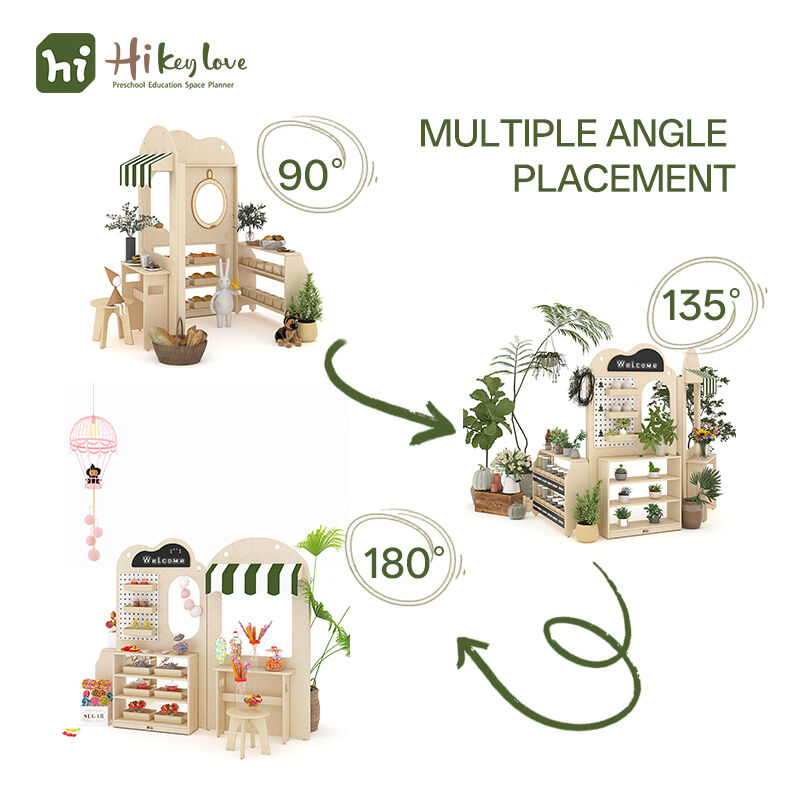
Modern childcare facilities face increasing pressure to maximize every square foot while providing safe, engaging environments for children. The solution lies in innovative childcare furniture that serves multiple purposes, transforming small spaces into dynamic learning centers. These versatile pieces not only save valuable floor space but also adapt to different activities throughout the day, making them essential investments for daycare centers, preschools, and home-based childcare providers.
Maximizing Space Efficiency with Smart Design
Transformable Play Tables and Storage Solutions
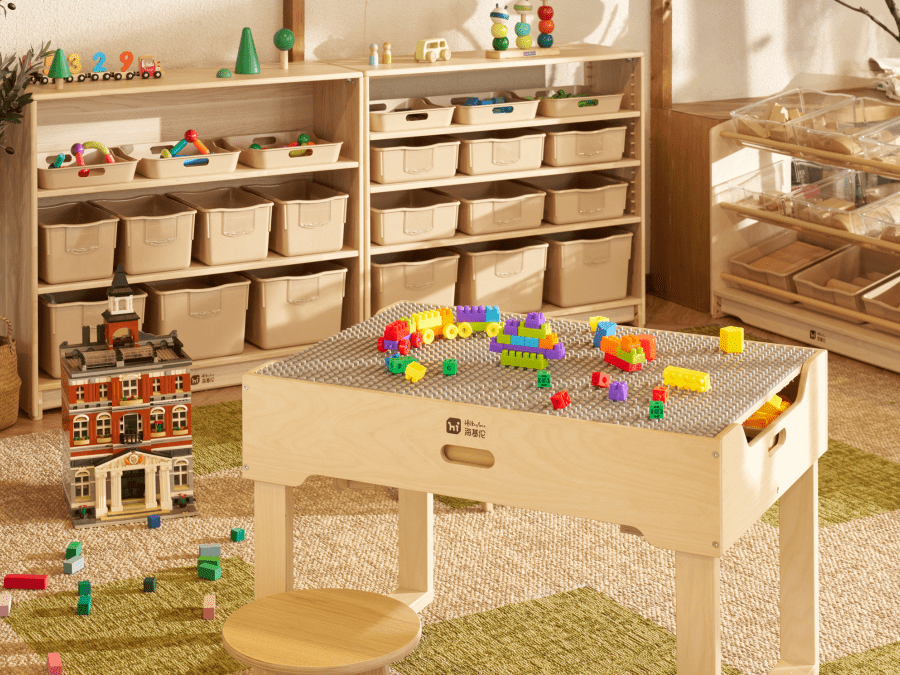
Contemporary childcare furniture incorporates transformable elements that serve multiple functions within a single piece. Play tables with built-in storage compartments provide surfaces for arts and crafts while concealing supplies underneath. These innovative designs eliminate the need for separate storage units, freeing up valuable floor space for active play areas. The hidden compartments keep materials organized and easily accessible, maintaining a clutter-free environment that promotes focus and creativity.
Height-adjustable tables represent another breakthrough in space-saving childcare furniture. These pieces accommodate children of different ages and abilities, eliminating the need for multiple table sets. Caregivers can quickly modify table heights for various activities, from toddler sensory play to preschooler writing exercises. This adaptability ensures that furniture investments remain valuable as children grow and develop new skills.
Modular Seating Systems for Flexible Arrangements
Modular seating systems revolutionize how childcare spaces adapt to different group sizes and activities. Individual seat cubes connect together to form benches, arrange in circles for story time, or scatter throughout play areas for independent activities. This flexibility allows caregivers to reconfigure spaces quickly based on daily schedules and specific learning objectives.
These seating solutions often incorporate additional storage within each module, providing space for personal belongings, books, or small toys. The lightweight construction enables even young children to help rearrange their environment, fostering independence and spatial awareness. Quality childcare furniture manufacturers design these pieces with rounded edges and durable materials that withstand constant rearrangement while maintaining safety standards.
Educational Integration Through Multifunctional Design
Learning Centers That Adapt to Curriculum Needs
Modern childcare furniture seamlessly integrates educational elements into everyday pieces, creating learning opportunities throughout the environment. Activity tables with built-in manipulative storage keep math counters, pattern blocks, and sorting materials readily available. Magnetic surfaces on table edges provide spaces for alphabet letters and number displays, transforming meal areas into impromptu learning centers.
Reading nooks that double as quiet retreat spaces offer children comfortable areas for both independent reading and emotional regulation. These cozy corners often feature built-in book storage and soft lighting, creating inviting spaces that encourage literacy development. The multifunctional nature ensures these areas remain valuable even when not actively used for reading activities.
STEM Integration in Everyday Furniture
Progressive childcare furniture incorporates STEM learning opportunities into practical pieces, making education a natural part of daily routines. Building block storage units with sorting compartments teach classification and organizational skills while keeping materials accessible. Water tables with removable inserts transform from sensory play areas to science experiment stations, supporting various curriculum objectives throughout the year.
These educational features encourage hands-on learning without requiring additional equipment or dedicated classroom space. Children develop problem-solving skills through daily interactions with their environment, making learning feel natural and enjoyable. Caregivers appreciate how this integrated approach streamlines lesson planning and reduces setup time for educational activities.
Safety and Durability Considerations
Child-Safe Materials and Construction Standards
Quality childcare furniture prioritizes safety through carefully selected materials and construction methods. Non-toxic finishes protect children from harmful chemicals while maintaining attractive appearances that enhance learning environments. Rounded corners and smooth edges eliminate injury risks during active play, while sturdy construction withstands the rigorous use typical in childcare settings.
Anti-tip features and stable base designs ensure that multifunctional pieces remain secure during various configurations and uses. Manufacturers conduct extensive testing to verify that childcare furniture meets or exceeds industry safety standards, providing peace of mind for caregivers and parents. These safety considerations never compromise functionality, as modern designs successfully balance protection with versatility.
Long-Term Investment Value
Durable childcare furniture represents a significant long-term investment for educational facilities. High-quality pieces withstand years of daily use while maintaining their appearance and functionality. Replaceable components, such as removable cushions or interchangeable table inserts, extend product lifecycles and reduce replacement costs over time.
The adaptable nature of multifunctional childcare furniture ensures continued relevance as programs evolve and grow. Pieces that serve multiple purposes provide greater value than single-function items, justifying higher initial investments through extended usability. Forward-thinking administrators recognize that quality multipurpose furniture reduces long-term operational costs while improving program quality.
Implementation Strategies for Different Settings
Small Space Solutions for Home Daycares
Home-based childcare providers face unique challenges when selecting multipurpose furniture that fits residential environments. Compact pieces that blend with household decor while serving educational purposes help maintain professional appearances without overwhelming living spaces. Ottoman storage units provide seating, toy storage, and activity surfaces while maintaining the comfort and aesthetics of home environments.
Foldable or collapsible childcare furniture enables providers to transform spaces quickly between childcare hours and family time. These pieces store efficiently when not in use, preserving the dual nature of home-based programs. The key lies in selecting items that function seamlessly in both contexts without compromising safety or educational value.
Large Facility Planning and Layout
Larger childcare centers benefit from coordinated furniture systems that create cohesive learning environments while maximizing space efficiency. Modular childcare furniture allows administrators to create custom configurations that match specific room dimensions and program requirements. This flexibility proves particularly valuable when repurposing spaces or accommodating changing enrollment patterns.
Traffic flow considerations become critical when implementing multipurpose furniture in larger facilities. Pieces must facilitate easy movement between activities while providing clear sight lines for supervision. Strategic placement of transformable elements ensures that space reconfigurations don't disrupt adjacent areas or create safety hazards during busy periods.
Cost-Benefit Analysis and Budget Planning
Initial Investment Versus Long-Term Savings
While quality multipurpose childcare furniture requires higher upfront investments, the long-term financial benefits often justify the initial costs. Purchasing fewer pieces that serve multiple functions reduces overall furniture expenses while maximizing space utilization. This efficiency translates into higher enrollment capacity or expanded program offerings within existing square footage.
Maintenance and replacement costs decrease significantly with durable, multifunctional pieces compared to multiple single-purpose items. Quality childcare furniture manufacturers often provide extended warranties and replacement part availability, further protecting investments over time. These factors combine to create favorable total cost of ownership calculations for budget-conscious administrators.
Grant Opportunities and Funding Sources
Various funding opportunities exist to help childcare providers acquire quality multipurpose furniture. Educational grants often prioritize requests that demonstrate space efficiency and learning integration, making multifunctional pieces attractive to funding organizations. State and federal programs frequently support facility improvements that enhance program quality while serving more children.
Corporate partnerships and community foundations increasingly recognize the importance of quality childcare environments in supporting working families. Proposals that emphasize the educational benefits and space efficiency of modern childcare furniture often receive favorable consideration from these funding sources. Strategic grant writing that highlights multipurpose functionality can secure resources for significant furniture upgrades.
FAQ
What are the most important safety features to look for in multipurpose childcare furniture
Essential safety features include non-toxic finishes, rounded corners, anti-tip mechanisms, and stable construction. Look for furniture that meets CPSC guidelines and has been tested for durability under normal childcare use. Ensure all moving parts operate smoothly and securely lock in place when configured.
How do I determine the right size and scale for multipurpose furniture in my childcare space
Measure your available space carefully and consider traffic flow patterns when children move between activities. Choose furniture scaled appropriately for your age groups, ensuring pieces can accommodate your largest group size when configured together. Consider ceiling height for any tall storage components or transformable elements.
What maintenance requirements should I expect with multipurpose childcare furniture
Regular cleaning with approved disinfectants, periodic inspection of moving parts, and proper storage of removable components extend furniture life significantly. Follow manufacturer guidelines for cleaning products and techniques. Schedule professional inspections annually to ensure all safety mechanisms continue functioning properly.
How can multipurpose furniture support different learning styles and developmental stages
Quality childcare furniture accommodates visual, auditory, and kinesthetic learners through varied surfaces, built-in manipulatives, and flexible configurations. Adjustable heights and modular components adapt to different developmental stages, while integrated storage keeps age-appropriate materials accessible. This versatility supports individualized learning approaches within group settings.
Table of Contents
- Maximizing Space Efficiency with Smart Design
- Educational Integration Through Multifunctional Design
- Safety and Durability Considerations
- Implementation Strategies for Different Settings
- Cost-Benefit Analysis and Budget Planning
-
FAQ
- What are the most important safety features to look for in multipurpose childcare furniture
- How do I determine the right size and scale for multipurpose furniture in my childcare space
- What maintenance requirements should I expect with multipurpose childcare furniture
- How can multipurpose furniture support different learning styles and developmental stages
