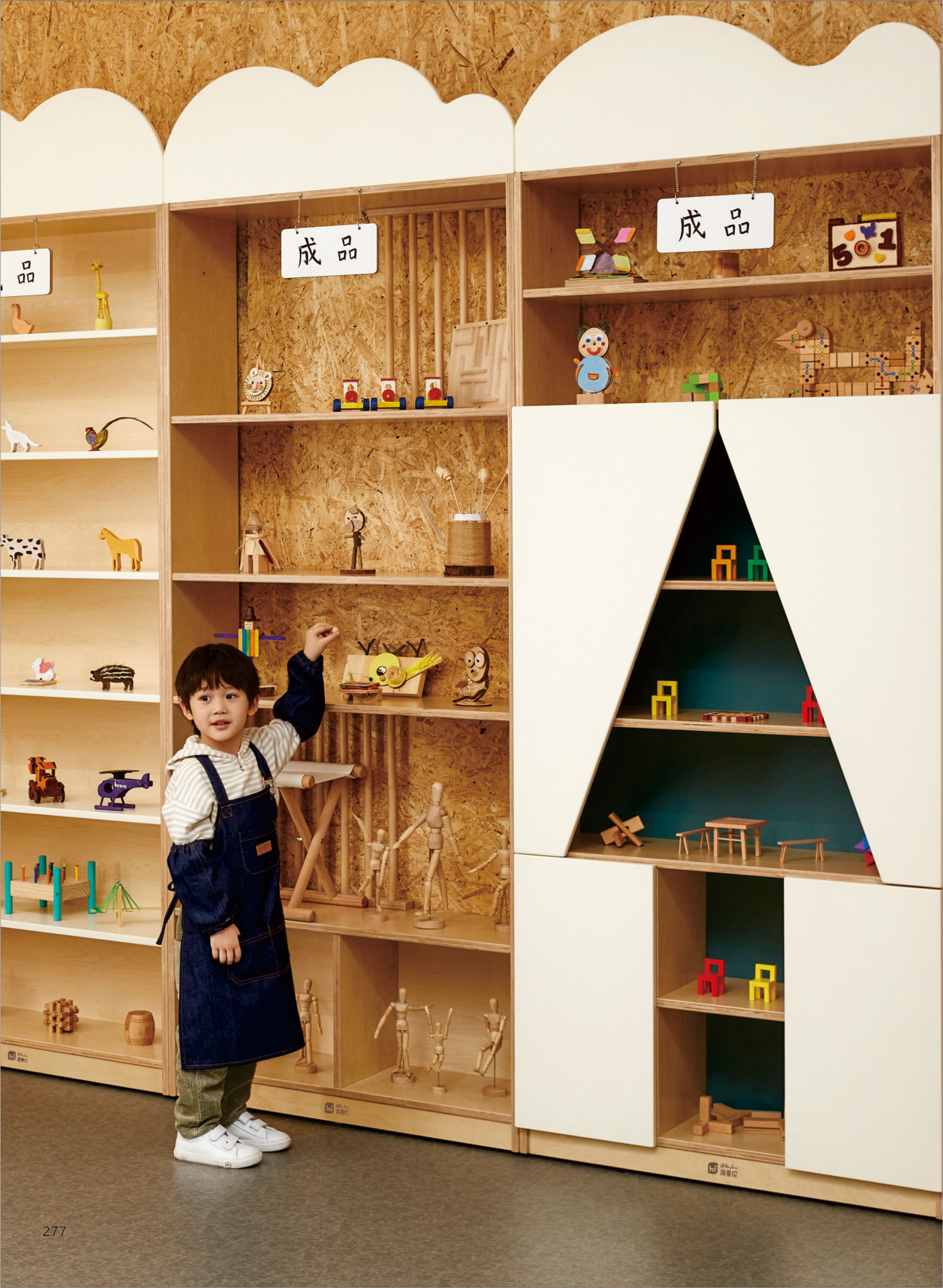
Establishing a licensed childcare center requires careful attention to regulatory compliance, safety standards, and operational efficiency. Among the most critical decisions center owners face is selecting appropriate childcare furniture that meets licensing requirements while creating an environment conducive to child development and learning. The furniture choices you make will directly impact your ability to obtain and maintain licensing, ensure child safety, and provide quality care services.
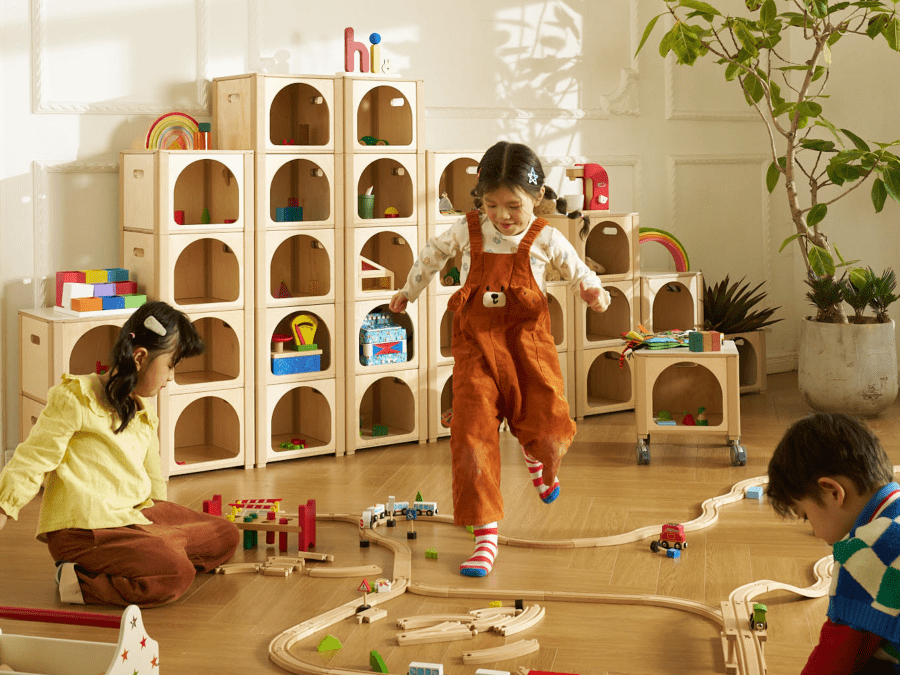
Licensed childcare facilities operate under strict regulatory frameworks that dictate specific furniture requirements across all areas of the facility. These requirements encompass safety certifications, material specifications, size ratios, and functional design elements that support child development activities. Understanding these mandatory furniture requirements before beginning your center setup ensures smooth licensing approval and prevents costly replacements or modifications during the inspection process.
Essential Safety Standards for Licensed Childcare Furniture
Regulatory Compliance Requirements
Licensed childcare centers must adhere to specific safety standards established by state licensing agencies and national organizations. Childcare furniture must carry appropriate safety certifications, including CPSC compliance for children's furniture and GREENGUARD certification for low chemical emissions. These certifications ensure that furniture meets rigorous testing standards for structural integrity, chemical safety, and age-appropriate design features.
Documentation requirements for licensed facilities mandate that all childcare furniture purchases include proof of compliance with applicable safety standards. Licensing inspectors routinely verify that furniture certifications match regulatory requirements during initial licensing visits and annual renewals. Maintaining comprehensive records of furniture certifications, purchase dates, and safety compliance documentation forms an essential part of your licensing file.
Age-Specific Design Standards
Different age groups require specific furniture dimensions and safety features to meet licensing standards. Infant and toddler areas require lower height tables and chairs with rounded edges, while preschool areas can accommodate standard-height childcare furniture designed for 3-5 year old children. Each age group classification in your license dictates specific furniture requirements that must be clearly documented and maintained.
Licensing regulations specify maximum and minimum dimensions for childcare furniture based on the age groups served. Tables must maintain appropriate height ratios to seating, storage units must remain accessible to children while preventing climbing hazards, and all furniture edges must meet specific radius requirements to prevent injury. These dimensional requirements directly impact your furniture purchasing decisions and facility layout planning.
Required Furniture Categories for Each Licensed Area
Classroom and Learning Space Requirements
Licensed classrooms require specific childcare furniture configurations to support educational activities and meet child-to-furniture ratios. Each classroom must include adequate seating for the licensed capacity, activity tables sized appropriately for planned group sizes, and storage solutions that promote independent access while maintaining organization. The furniture arrangement must facilitate supervision sight lines and emergency evacuation procedures as specified in licensing regulations.
Learning centers within classrooms require specialized childcare furniture to support different developmental activities. Art areas need washable tables and storage for supplies, reading corners require comfortable seating and book display units, and manipulative areas need child-height tables and organized storage systems. Each learning center's furniture must support the specific educational objectives while maintaining safety standards and licensing compliance.
Meal Service and Dining Area Specifications
Licensed childcare centers must provide designated dining areas equipped with appropriate childcare furniture for safe meal service. Dining tables must accommodate the licensed capacity with proper spacing for supervision and safety, while chairs must provide stable seating with appropriate back support for extended meal times. The furniture configuration must allow staff to serve meals safely while maintaining visual supervision of all children.
Health department regulations intersect with licensing requirements for dining area furniture, mandating specific materials and cleaning protocols. All dining childcare furniture must feature non-porous surfaces that can withstand daily sanitization, while maintaining child-safe construction and age-appropriate dimensions. Storage solutions for dining supplies must remain accessible to staff while staying secure from children during non-meal periods.
Compliance Documentation and Inspection Preparation
Required Furniture Documentation
Licensed childcare centers must maintain comprehensive documentation for all furniture purchases, including safety certifications, compliance statements, and manufacturer specifications. Licensing inspectors require access to this documentation during facility inspections, making organized record-keeping essential for maintaining compliance. Each piece of childcare furniture should have corresponding documentation that proves regulatory compliance and appropriate age-group designation.
Documentation systems should include purchase receipts, safety certification copies, installation records, and maintenance logs for all childcare furniture. This comprehensive documentation demonstrates ongoing compliance with licensing requirements and provides evidence of proper facility management. Regular documentation reviews help identify furniture approaching replacement schedules or requiring maintenance to maintain compliance standards.
Inspection Readiness Protocols
Preparing for licensing inspections requires systematic evaluation of all childcare furniture against current regulatory standards. Inspection checklists should include verification of safety certifications, assessment of furniture condition, confirmation of age-appropriate placement, and documentation review. Pre-inspection furniture audits help identify potential compliance issues before official licensing visits occur.
Maintenance protocols for childcare furniture directly impact licensing compliance and inspection outcomes. Regular safety checks, prompt repair of damaged items, and systematic replacement of worn furniture demonstrate commitment to maintaining licensing standards. Documenting these maintenance activities provides evidence of ongoing compliance efforts during inspection processes.
Budget Planning and Long-term Compliance Strategy
Initial Investment Considerations
Establishing a licensed childcare center requires significant upfront investment in compliant childcare furniture across all facility areas. Budget planning must account for the higher costs associated with certified, commercial-grade furniture that meets licensing requirements. Quality childcare furniture represents a long-term investment that supports ongoing compliance while minimizing replacement costs over the facility's operational life.
Cost analysis should include not only initial furniture purchases but also ongoing maintenance, replacement schedules, and potential compliance updates. Licensed facilities must budget for periodic furniture replacement to maintain safety standards and accommodate changing regulations. Strategic purchasing decisions balance initial investment costs with long-term operational efficiency and compliance maintenance.
Compliance Monitoring and Updates
Licensed childcare centers must maintain ongoing monitoring systems to ensure continued furniture compliance with evolving regulations. Regular review of licensing requirements, safety standards updates, and manufacturer recalls helps identify when furniture updates or replacements become necessary. Establishing systematic compliance monitoring prevents unexpected licensing issues and maintains operational continuity.
Long-term compliance strategy includes planning for regulatory changes that may impact childcare furniture requirements. Staying informed about pending regulation updates, industry best practices, and safety standard revisions helps center operators make informed furniture decisions. Proactive compliance planning reduces operational disruptions and maintains consistent licensing status throughout facility operations.
FAQ
What safety certifications are required for childcare furniture in licensed centers?
Licensed childcare centers require furniture that meets CPSC safety standards for children's furniture, GREENGUARD certification for low chemical emissions, and any state-specific safety requirements. All childcare furniture must include documentation proving compliance with applicable safety standards, and these certifications must be available for review during licensing inspections.
How do I determine the right furniture quantities for my licensed capacity?
Licensed childcare centers must provide adequate childcare furniture based on their approved capacity and age group ratios. Most licensing agencies require one seat per child for dining areas, sufficient activity table space for planned group sizes, and storage solutions that support organized classroom management. Review your specific licensing regulations for exact furniture quantity requirements based on your approved capacity.
Can I use residential furniture in a licensed childcare center?
Licensed childcare centers typically cannot use residential furniture due to commercial-grade requirements and safety certifications. Childcare furniture must meet specific durability standards, safety certifications, and age-appropriate design requirements that residential furniture rarely satisfies. Always verify with your licensing agency whether any furniture meets the required standards before making purchasing decisions.
How often should childcare furniture be replaced in licensed facilities?
Licensed childcare centers should replace childcare furniture when it shows signs of wear that could impact safety, loses required certifications, or no longer meets current regulatory standards. While there's no universal replacement schedule, regular safety inspections and maintenance logs help determine when furniture replacement becomes necessary to maintain licensing compliance and child safety standards.
