montessori furniture
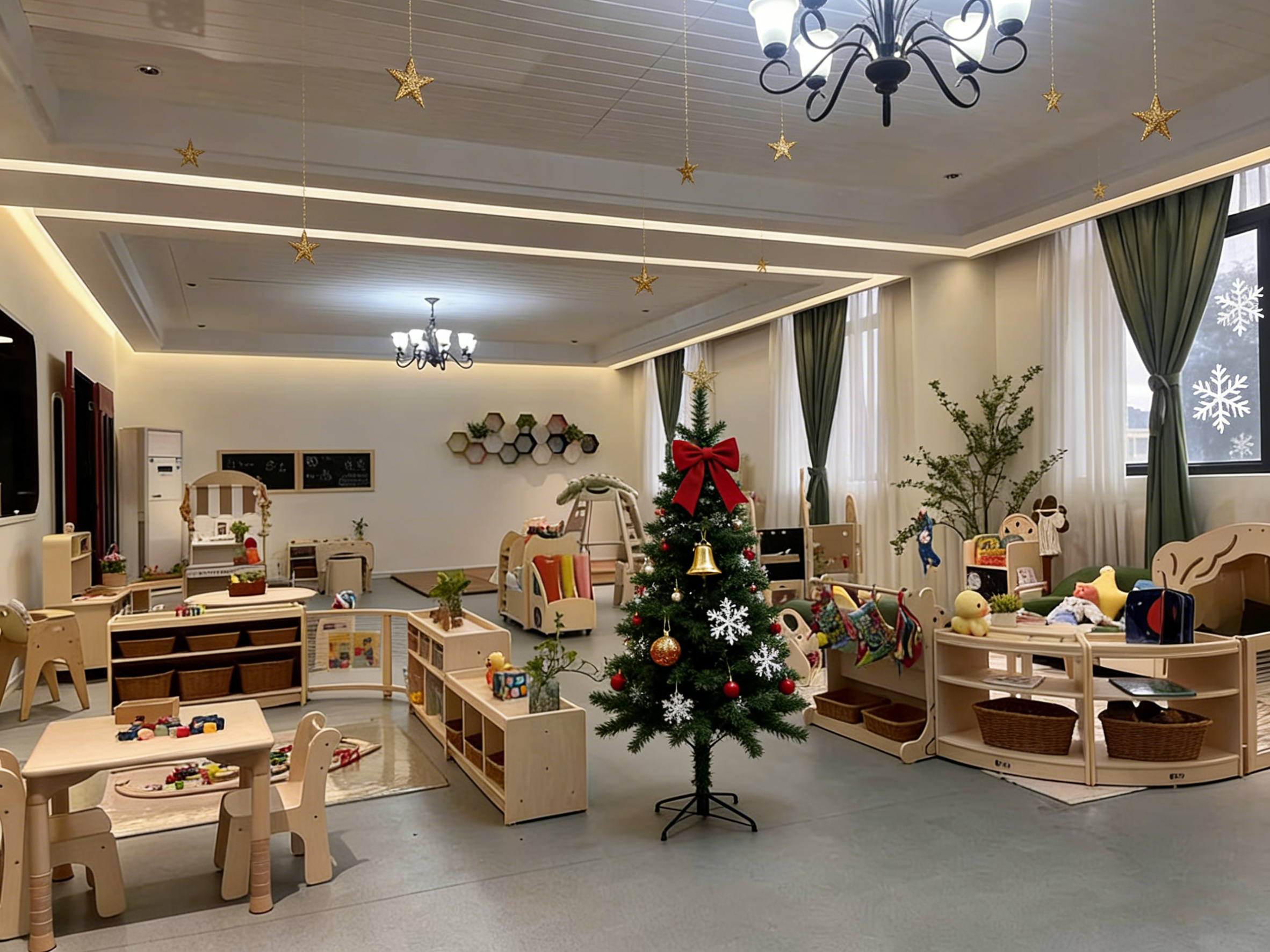
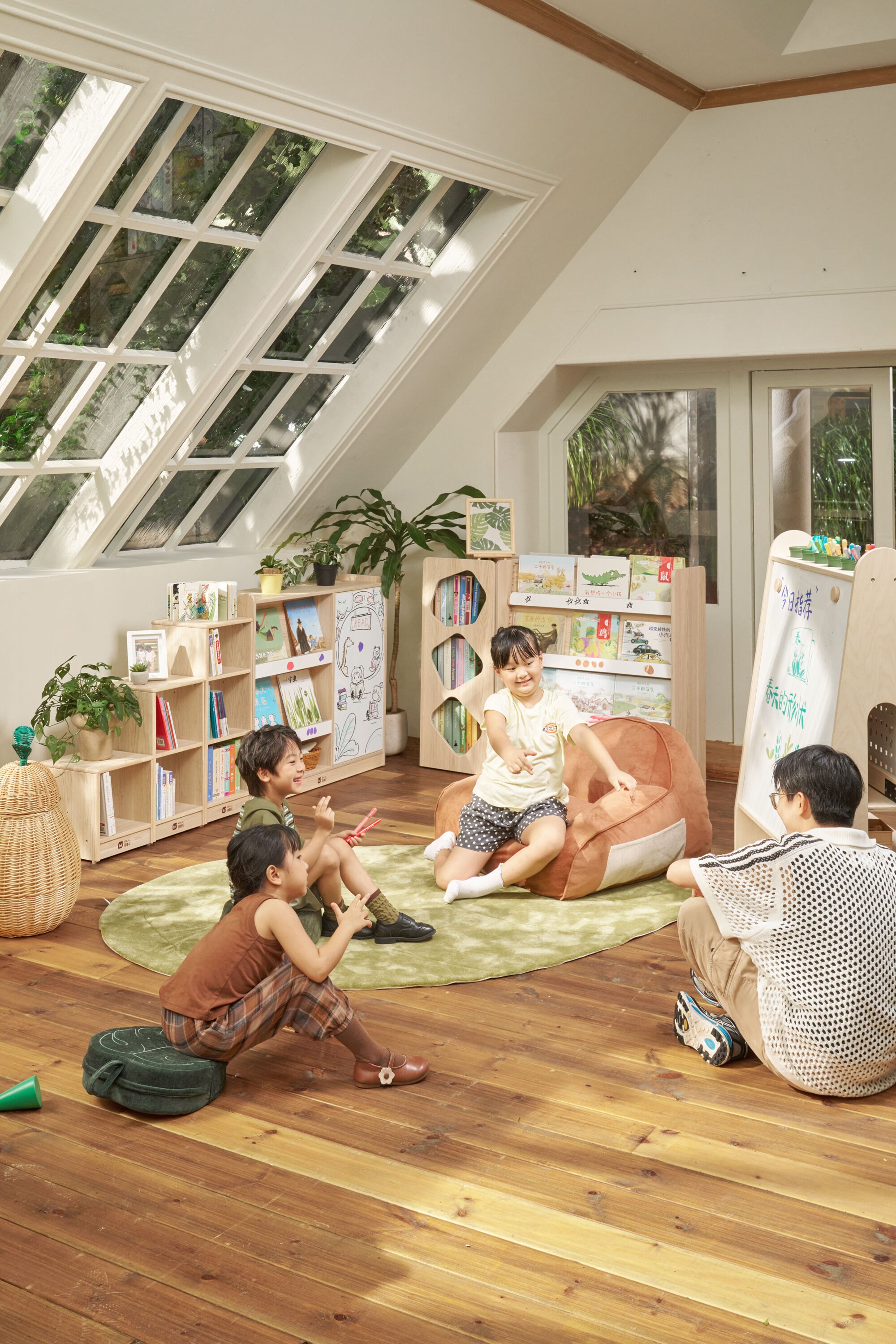
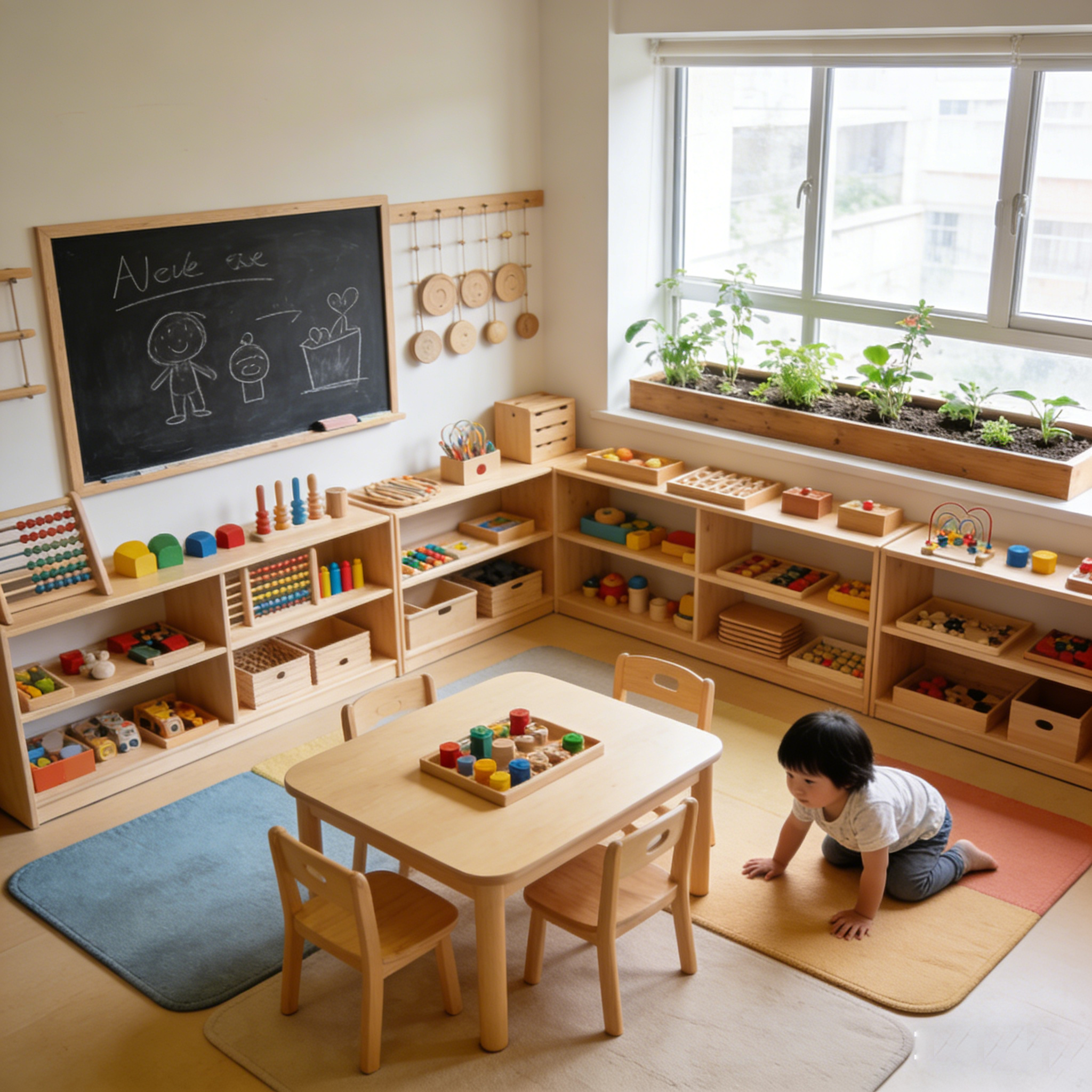
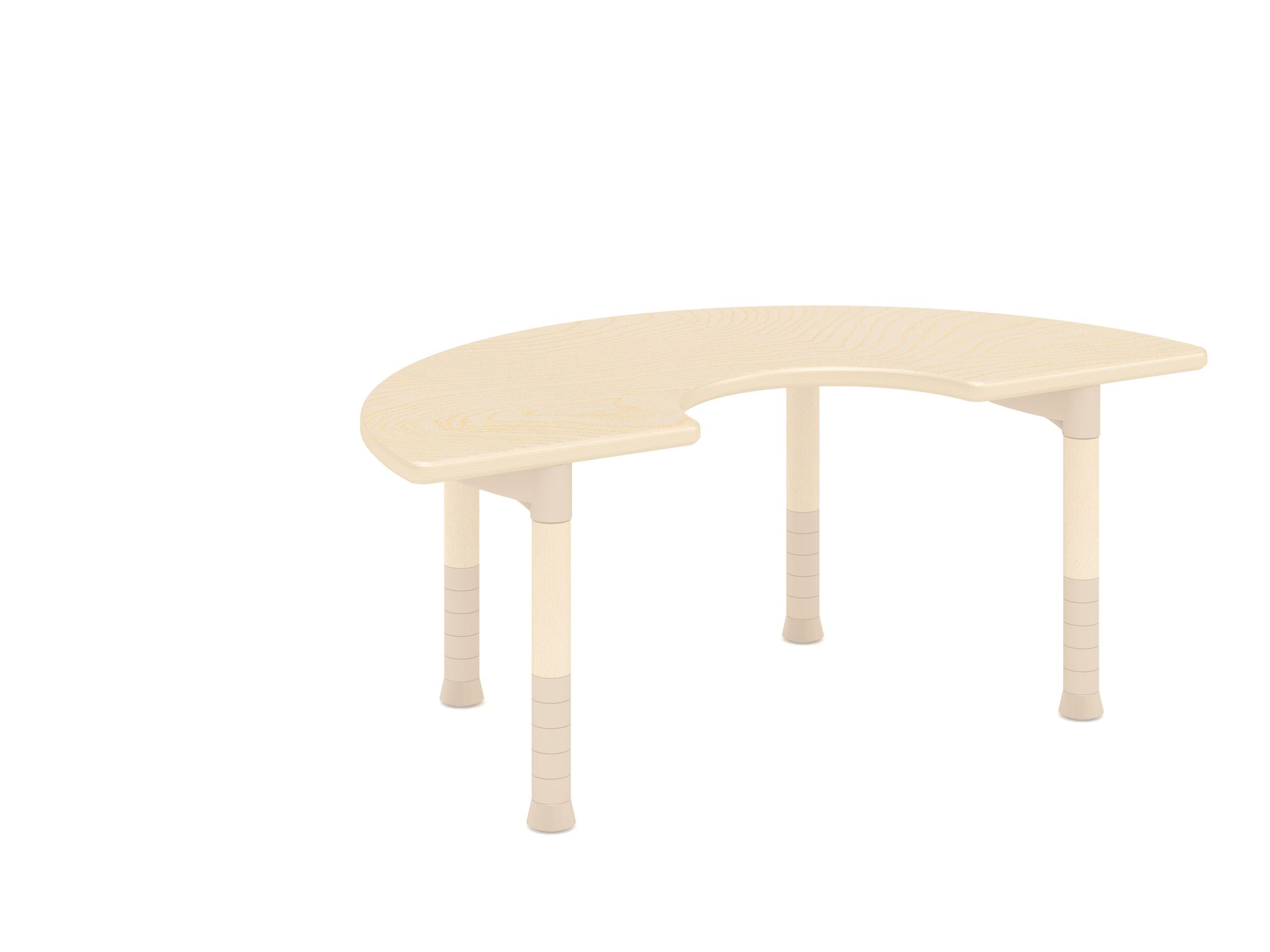
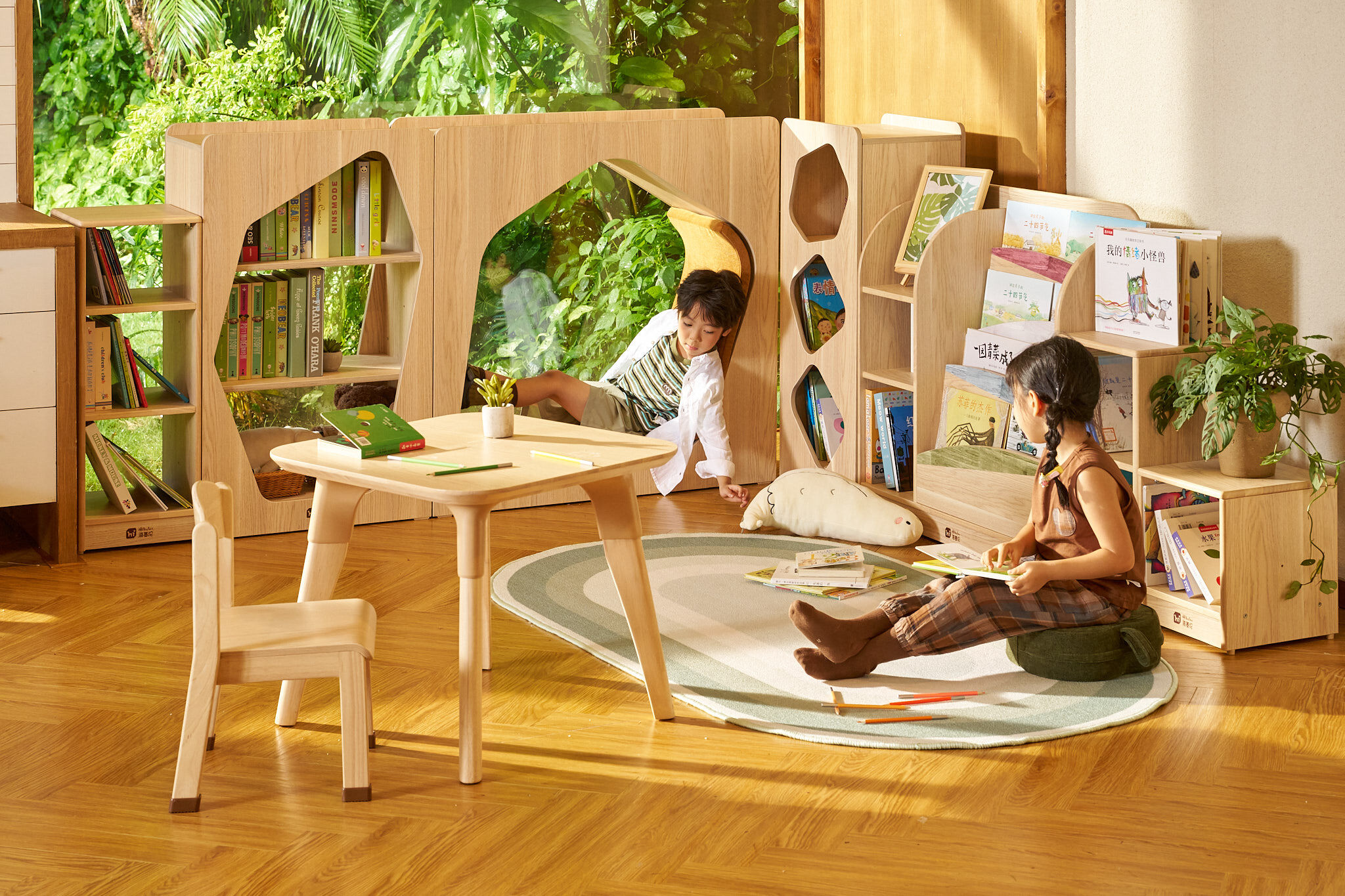
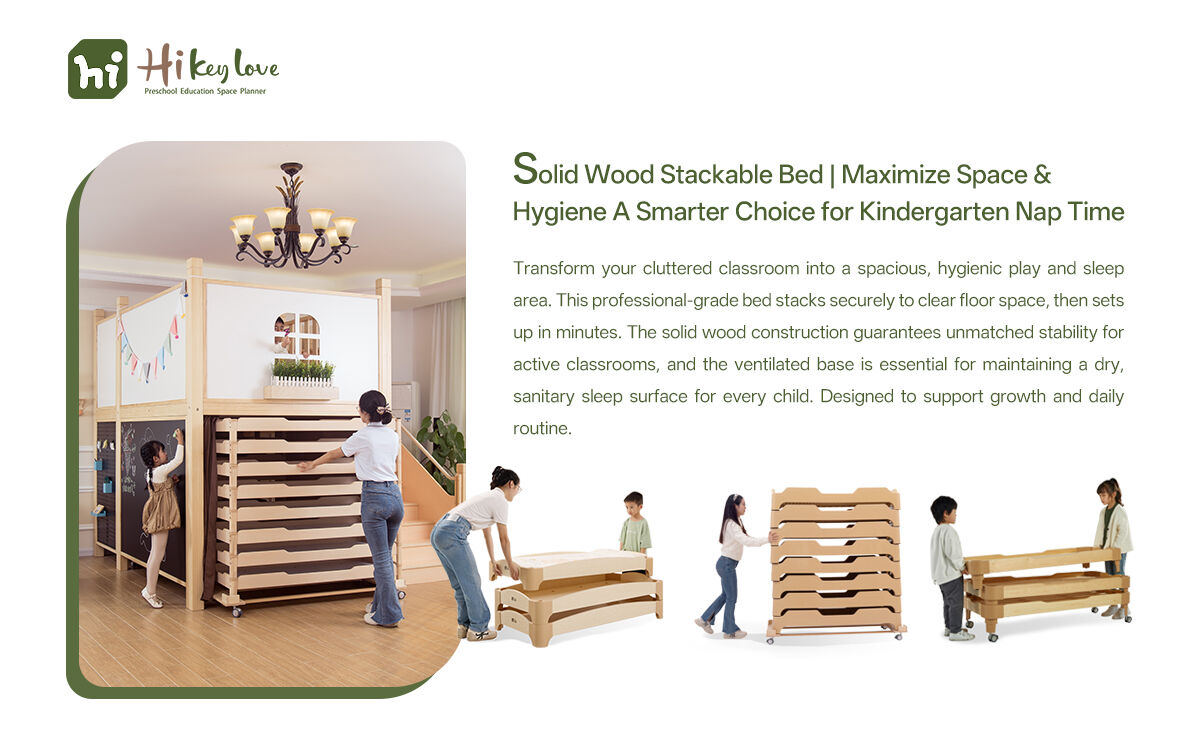
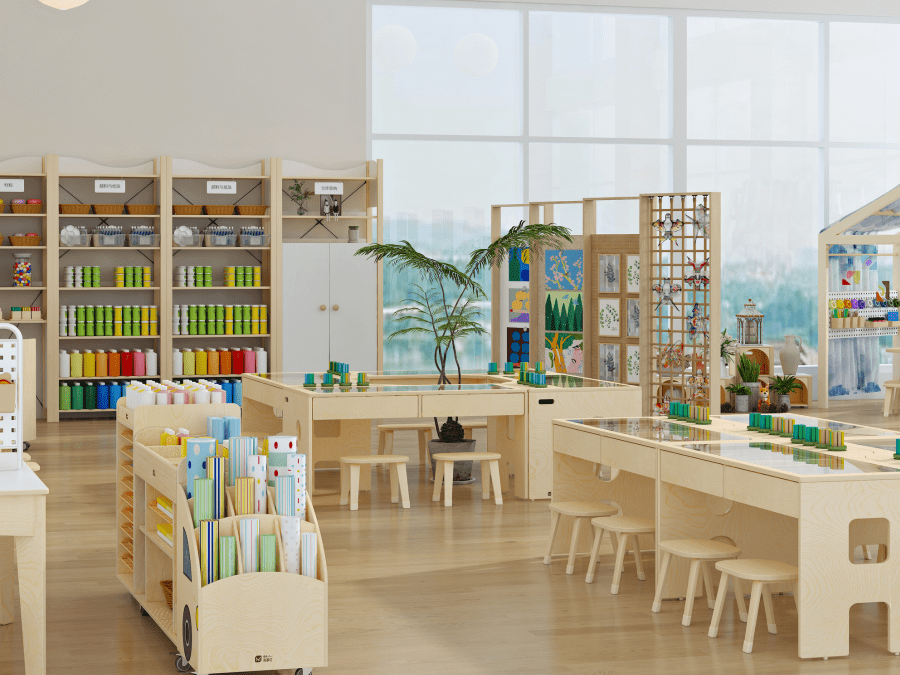
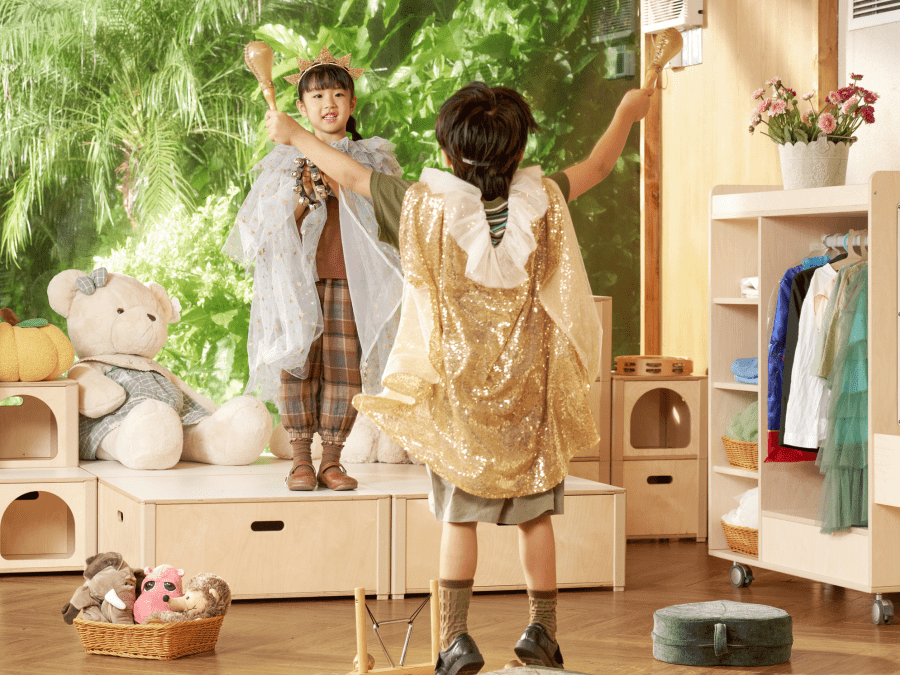
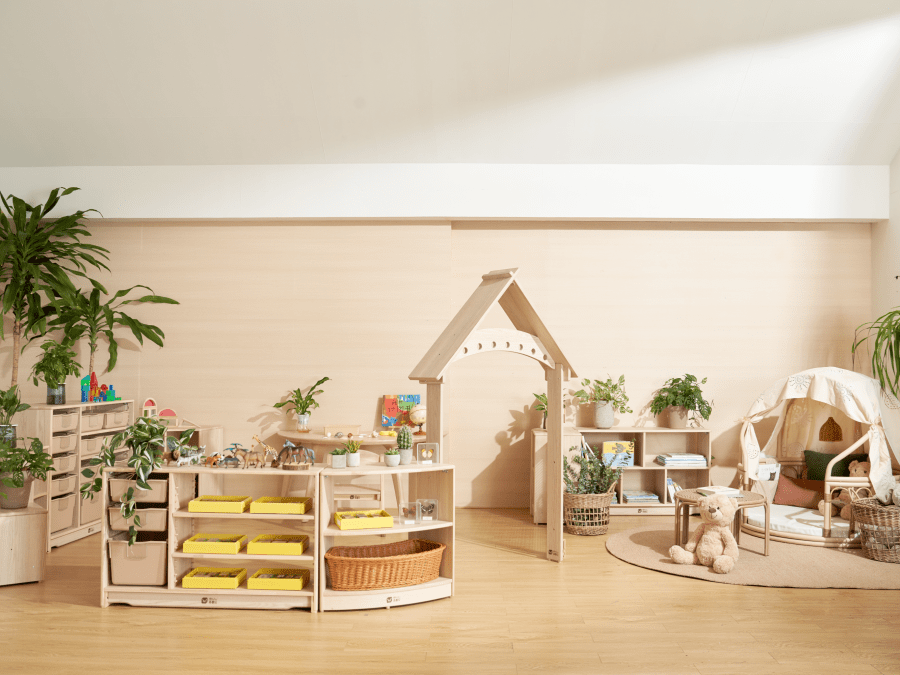
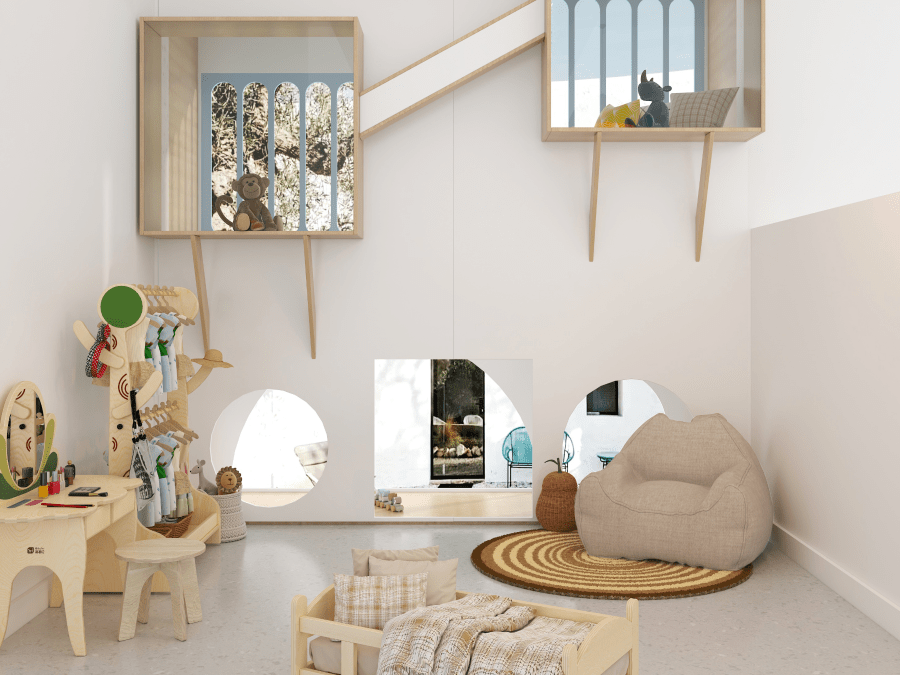
Montessori furniture represents a revolutionary approach to creating child-centered learning environments that foster independence, confidence, and natural development. This specialized furniture category draws its principles from Dr. Maria Montessori's educational philosophy, emphasizing child-sized proportions, natural materials, and purposeful design. The main functions of montessori furniture center around promoting self-directed learning, encouraging practical life skills, and creating accessible spaces where children can explore and interact without constant adult assistance. The furniture includes various components such as low tables and chairs scaled to child height, open shelving units that display materials at eye level, floor beds that eliminate barriers to movement, and practical storage solutions that teach organization skills. Technological features focus on safety engineering with rounded edges, non-toxic finishes, and sturdy construction that withstands active use while maintaining aesthetic appeal. The design philosophy prioritizes simplicity over complexity, using natural wood materials that connect children with organic textures and sustainable practices. Applications span multiple environments including homes, preschools, daycare centers, and early childhood education facilities. In residential settings, montessori furniture transforms bedrooms, playrooms, and common areas into spaces that respect children's natural development stages. Educational institutions utilize this furniture to create prepared environments where students can choose activities independently, develop concentration skills, and build confidence through successful interactions with appropriately sized tools and spaces. The furniture supports various developmental areas including fine motor skills through manipulative materials, gross motor development via movement-friendly designs, and cognitive growth through organized, accessible learning materials. Each piece serves multiple purposes while maintaining the core principle of respecting children as capable individuals who thrive when given appropriate tools and environments.