Premium Montessori Preschool Classroom Furniture - Child-Centered Learning Solutions

Get a Free Quote

Our representative will contact you soon.
Email
Name
Company Name
Mobile/WhatsApp
Message
0/1000

montessori preschool classroom furniture

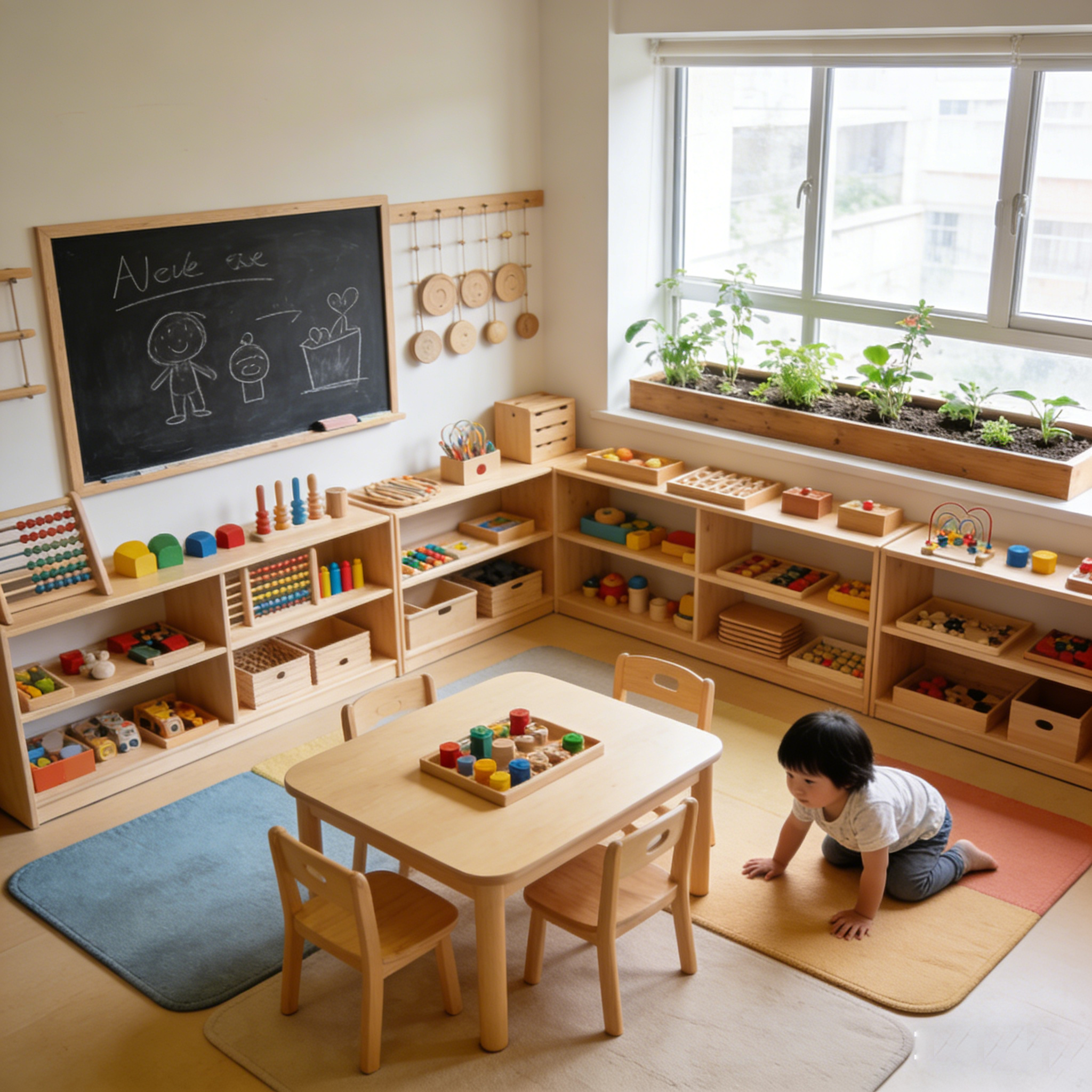
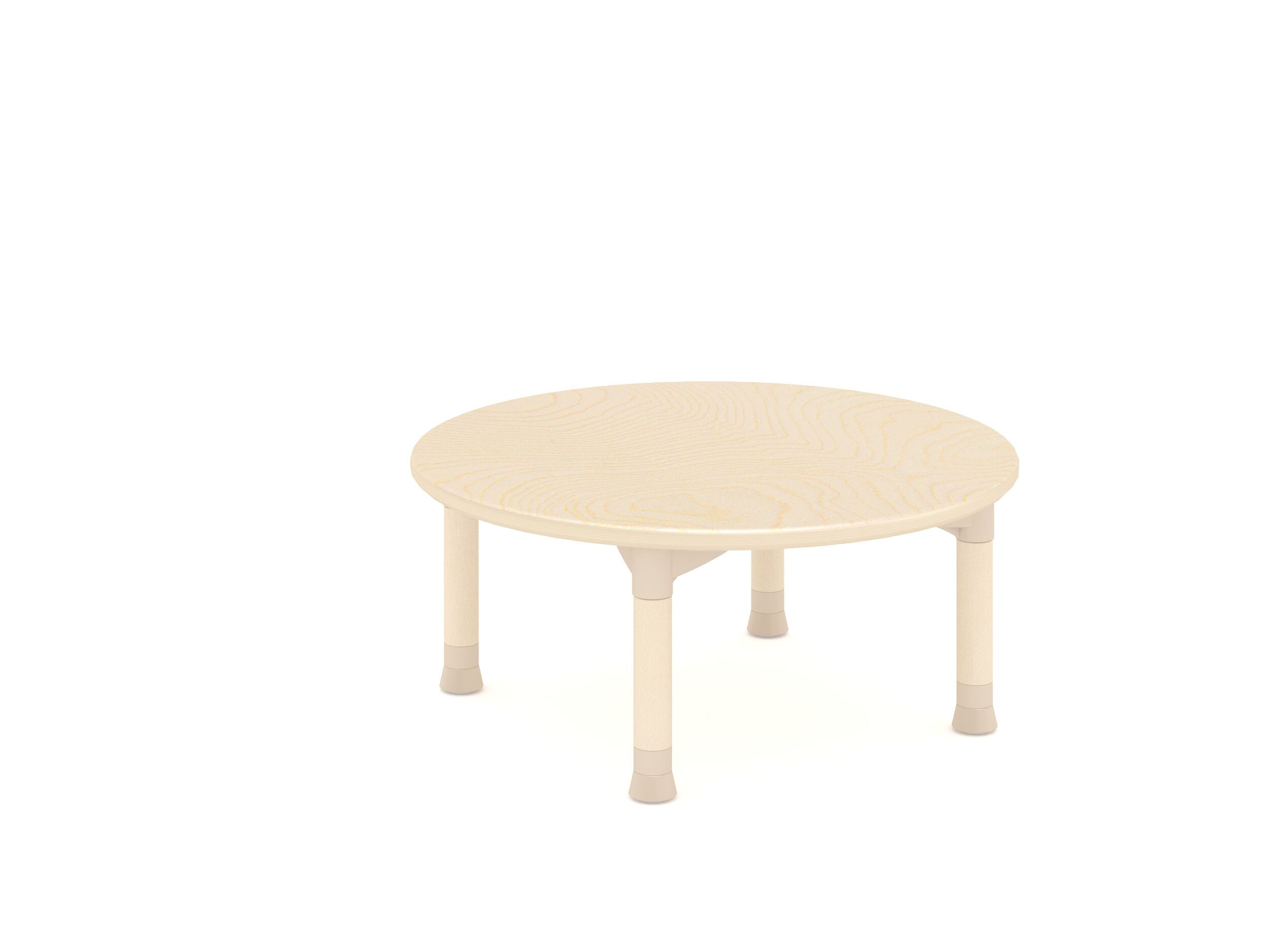
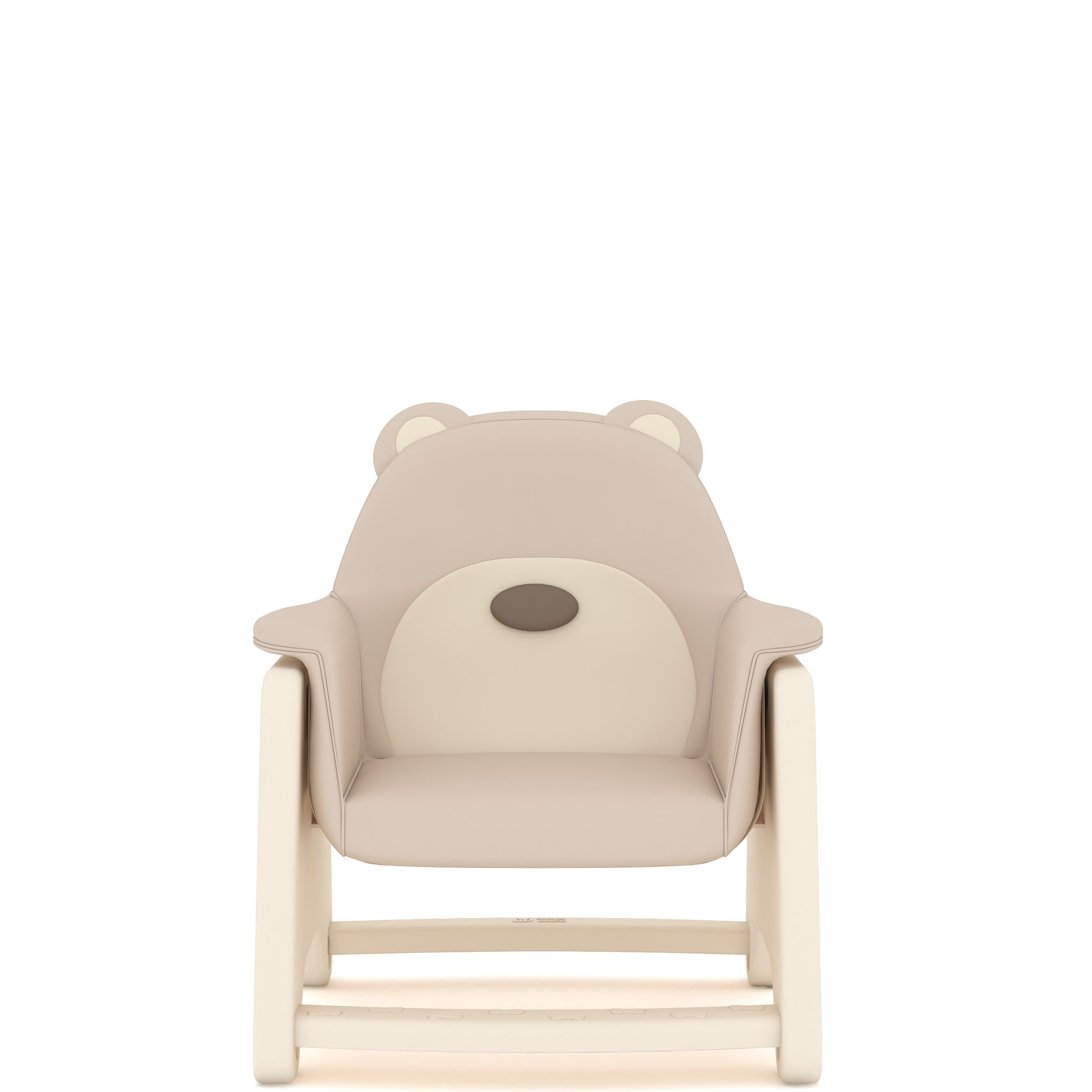
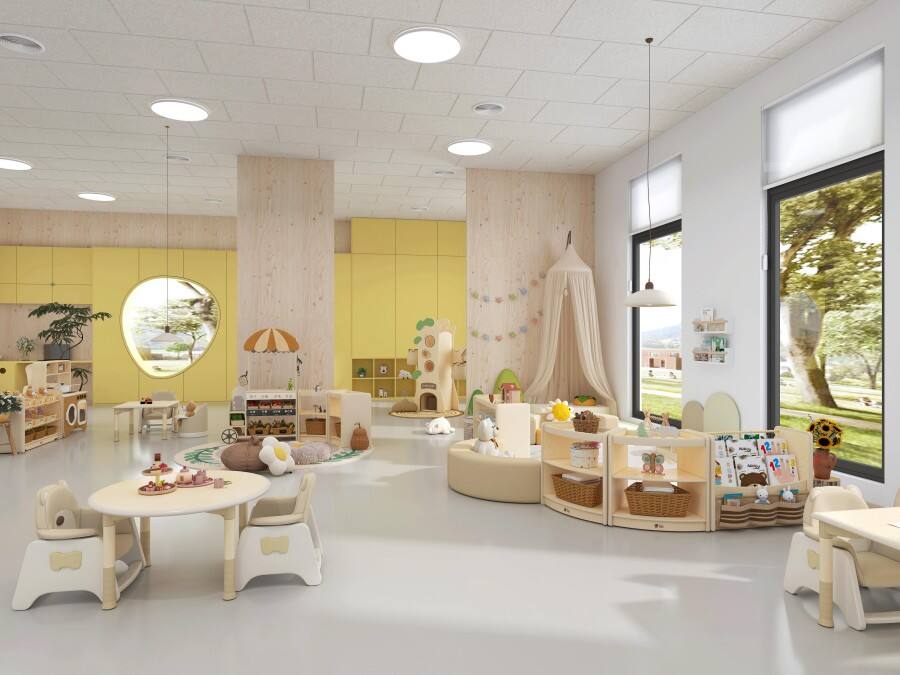
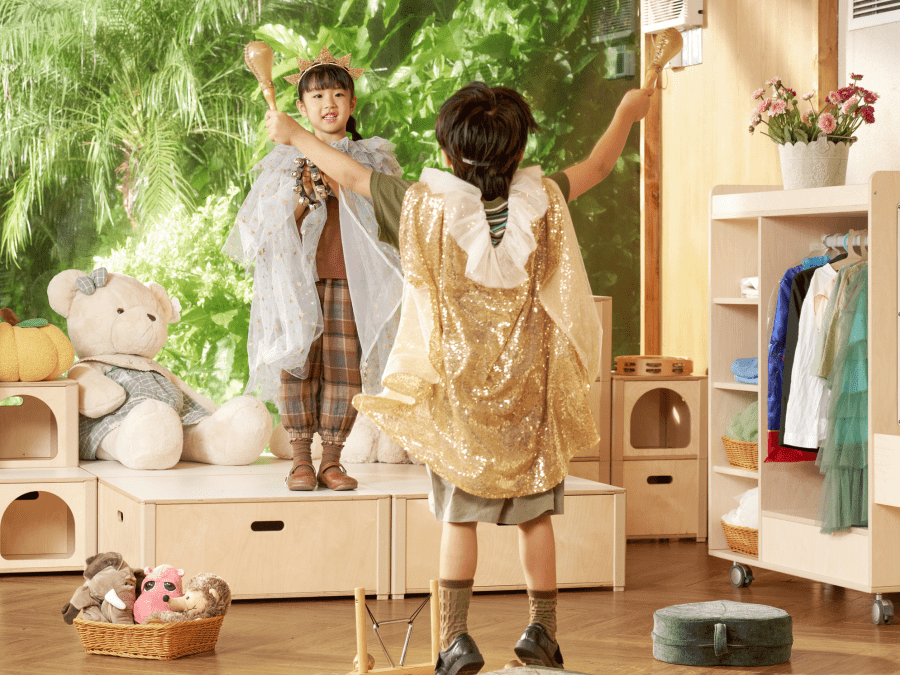
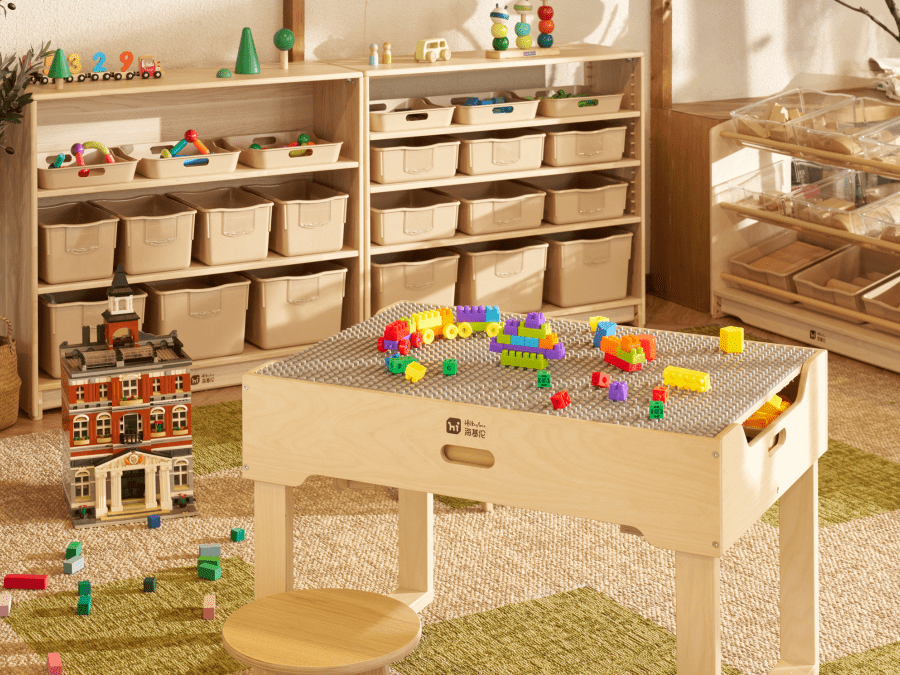
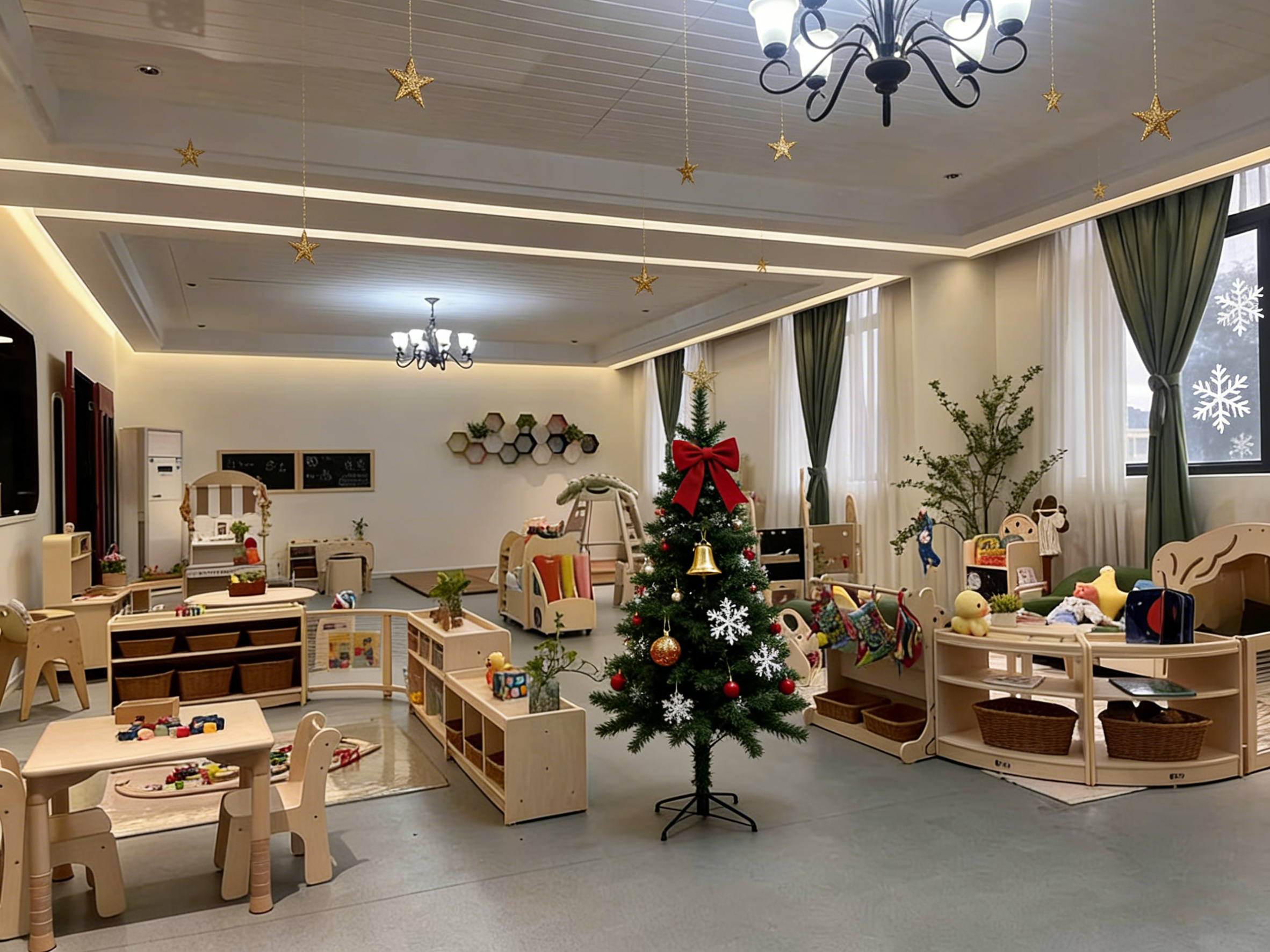
Montessori preschool classroom furniture represents a revolutionary approach to educational environments, specifically designed to support child-centered learning principles established by Dr. Maria Montessori. This specialized furniture collection encompasses scaled-down tables, chairs, shelving units, and learning stations that promote independence and self-directed exploration among young learners aged 3 to 6 years. The primary function of montessori preschool classroom furniture revolves around creating an accessible learning environment where children can freely choose their activities and materials without adult assistance. Each piece features child-appropriate dimensions, typically measuring 12-18 inches in height for seating and 18-24 inches for work surfaces, ensuring optimal ergonomic support for developing bodies. The technological features of modern montessori preschool classroom furniture incorporate sustainable materials, rounded safety edges, and modular designs that adapt to various classroom configurations. Natural wood construction dominates the material selection, providing durability while maintaining the aesthetic warmth essential to Montessori philosophy. Many pieces feature integrated storage solutions, allowing children to independently access and return materials to designated spaces. The furniture applications extend beyond traditional classroom settings to include home schooling environments, daycare centers, and therapeutic learning spaces. Specialized components include practical life stations with child-sized sinks and preparation areas, sensorial material displays with adjustable shelving, and quiet reading nooks that encourage concentration and focus. The modular nature of montessori preschool classroom furniture allows educators to reconfigure spaces based on curriculum needs and group dynamics. Advanced manufacturing techniques ensure consistent quality while maintaining the handcrafted appearance that aligns with Montessori principles. This furniture system supports the development of executive function skills, spatial awareness, and personal responsibility through its intentional design elements that encourage purposeful movement and choice-making throughout the learning environment.

New Product Recommendations

The advantages of montessori preschool classroom furniture extend far beyond conventional educational seating and storage solutions, offering transformative benefits that directly impact child development and learning outcomes. First, the appropriately scaled dimensions eliminate barriers to independence, allowing children to confidently navigate their environment without requiring adult intervention for basic needs. This accessibility builds self-confidence and encourages active participation in learning activities throughout the day. The ergonomic design promotes proper posture and physical development, reducing strain and fatigue while supporting extended periods of focused work that are characteristic of Montessori education. Natural materials used in montessori preschool classroom furniture provide sensory benefits that plastic alternatives cannot match, offering tactile experiences that enhance neural development and create calming learning atmospheres. The durability of solid wood construction ensures long-term value, withstanding the intensive use typical in early childhood environments while maintaining aesthetic appeal over multiple years of service. Maintenance requirements remain minimal due to quality craftsmanship and protective finishes that resist stains and scratches from daily use. The modular design flexibility allows educators to adapt classroom layouts seasonally or as curriculum focus shifts, maximizing space utilization and maintaining student interest through environmental changes. Safety features integrated into every piece eliminate sharp corners and unstable structures that could pose risks to young children, while maintaining the natural beauty that supports peaceful learning environments. The furniture promotes social interaction by facilitating both individual and collaborative work arrangements, supporting the mixed-age groupings fundamental to Montessori methodology. Storage solutions built into many pieces teach organizational skills while keeping materials accessible and classroom spaces uncluttered. The investment in quality montessori preschool classroom furniture yields measurable returns through improved student engagement, reduced behavioral issues, and enhanced learning outcomes that justify the initial expense through long-term educational benefits. Teachers report increased job satisfaction when working in properly equipped Montessori environments, leading to better staff retention and program consistency. Parents value the developmental benefits their children experience in classrooms furnished with authentic Montessori materials and furniture that support their child's natural learning progression.

Tips And Tricks

Inside Hikeylove's R&D Lab: Where the Ethos of

09

Dec

Inside Hikeylove's R&D Lab: Where the Ethos of "Quality Companions for Growth" Is Forged

View More
A Festive Journey Through Imagination: Experience Hikeylove's World This Christmas

25

Dec

A Festive Journey Through Imagination: Experience Hikeylove's World This Christmas

A Festive Journey Through Imagination: Experience Hikeylove's World This Christmas
View More
The Hikeylove Story: 25 Years of Crafting Spaces for Childhood.

03

Jan

The Hikeylove Story: 25 Years of Crafting Spaces for Childhood.

View More
How to Design a Calming and Effective Preschool Reading Corner: A Guide from Hikeylove

04

Jan

How to Design a Calming and Effective Preschool Reading Corner: A Guide from Hikeylove

View More

Get a Free Quote

Our representative will contact you soon.
Email
Name
Company Name
Mobile/WhatsApp
Message
0/1000

montessori preschool classroom furniture

Child-Centered Ergonomic Design

Child-Centered Ergonomic Design

The ergonomic design of montessori preschool classroom furniture stands as its most distinctive feature, revolutionizing how young children interact with their learning environment. This specialized design philosophy prioritizes the physical and developmental needs of children aged 3 to 6 years, creating furniture that truly serves the user rather than forcing adaptation to adult-scaled alternatives. The carefully calculated proportions ensure that children can sit comfortably with feet flat on the floor and arms positioned naturally for work activities, promoting proper spinal alignment and reducing physical stress during extended learning sessions. Each piece undergoes extensive research and testing to determine optimal dimensions that accommodate the rapid growth patterns typical of preschool-aged children while maintaining usability across age ranges. The seat heights, typically ranging from 10 to 14 inches, allow for natural transitions between sitting and standing positions that are essential for maintaining attention and engagement during independent work periods. Table surfaces positioned at appropriate working heights enable children to manipulate materials with precision and control, developing fine motor skills through comfortable, repeated use. The lightweight construction of montessori preschool classroom furniture empowers children to independently move and arrange their workspace according to their preferences and project requirements, fostering autonomy and decision-making skills. Rounded edges and smooth surfaces eliminate safety hazards while maintaining the structural integrity necessary for daily classroom use. The ergonomic considerations extend to storage accessibility, with shelving heights that allow children to retrieve and replace materials without assistance, building confidence and responsibility. This thoughtful design approach directly supports the Montessori principle of following the child's natural development, creating an environment where physical comfort enhances cognitive focus and emotional well-being. Research consistently demonstrates that children working with properly sized furniture show improved concentration spans, reduced restlessness, and greater engagement with learning materials compared to those using standard-sized furniture adaptations.
Sustainable Natural Materials Construction

Sustainable Natural Materials Construction

The commitment to sustainable natural materials in montessori preschool classroom furniture reflects both environmental responsibility and educational philosophy, creating learning environments that connect children to the natural world while supporting their sensory development. Solid hardwoods such as birch, maple, and oak dominate the construction, selected for their durability, beauty, and non-toxic properties that ensure safety in environments where children frequently touch and explore surfaces. These natural materials provide rich tactile experiences that synthetic alternatives cannot replicate, offering varying textures, grains, and temperatures that stimulate sensory awareness and appreciation for natural beauty. The manufacturing process emphasizes minimal environmental impact through responsible forestry practices, local sourcing when possible, and finishes that contain low or zero volatile organic compounds, maintaining healthy indoor air quality essential for developing respiratory systems. The inherent strength of quality hardwoods eliminates the need for chemical strengtheners or artificial reinforcements, resulting in furniture that ages gracefully while maintaining structural integrity throughout decades of use. The natural variation in wood grain and color creates unique pieces that celebrate individuality while maintaining design consistency, teaching children to appreciate natural diversity in their immediate environment. Maintenance of montessori preschool classroom furniture constructed from natural materials requires simple cleaning methods using mild, natural products, avoiding harsh chemicals that could compromise indoor air quality or material integrity. The thermal properties of wood provide comfort in various climate conditions, remaining cool in summer and warm in winter, contributing to the physical comfort essential for sustained attention and learning. The renewable nature of wood resources aligns with Montessori education's emphasis on environmental stewardship, providing opportunities for educators to discuss sustainability concepts with young learners. The longevity of natural wood construction creates excellent value propositions for educational institutions, with many pieces serving multiple generations of students while maintaining their functional and aesthetic qualities. The biodegradable nature of natural materials ensures responsible end-of-life disposal, supporting institutional sustainability goals and environmental education initiatives.
Modular Flexibility and Space Optimization

Modular Flexibility and Space Optimization

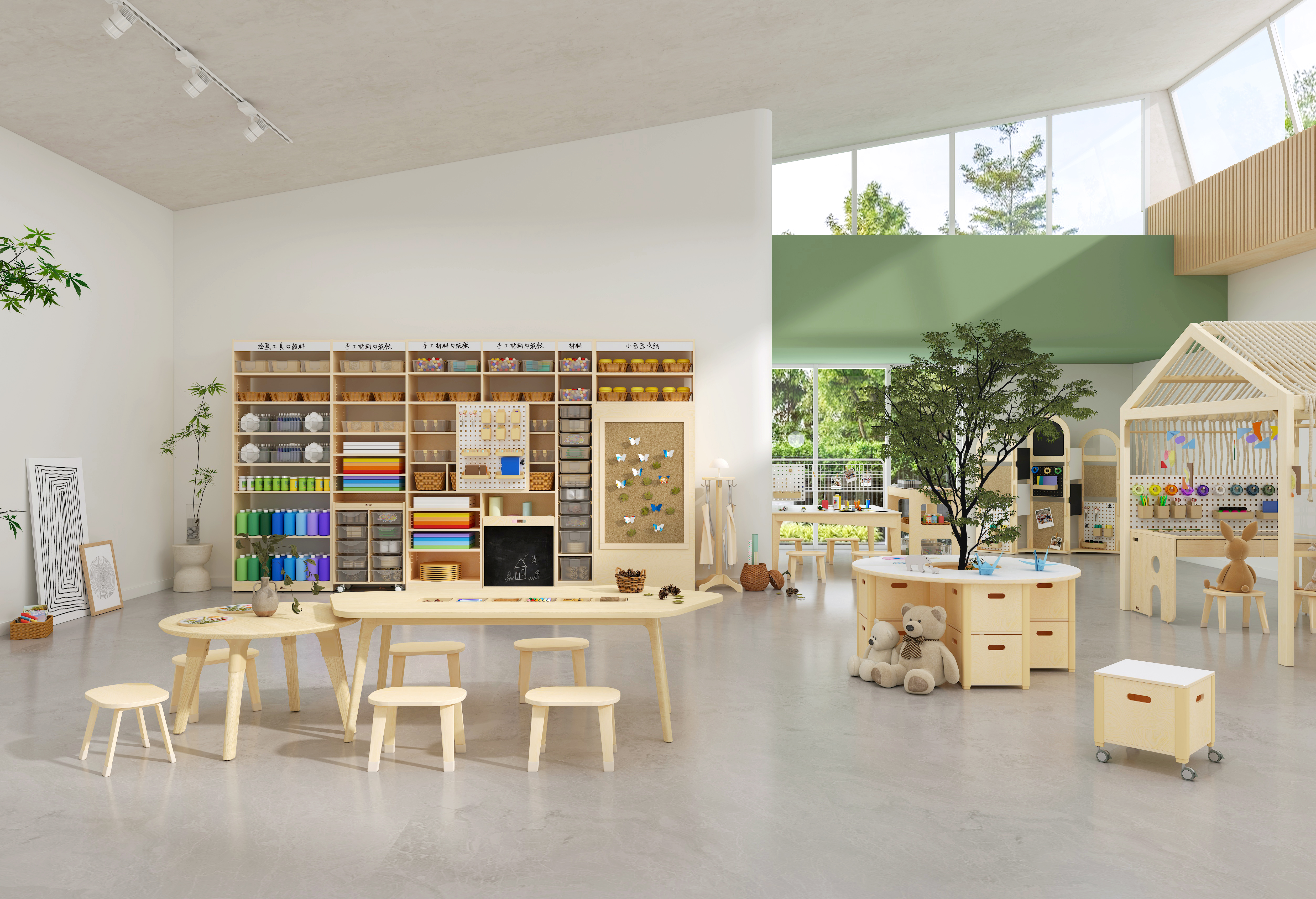
The modular flexibility inherent in montessori preschool classroom furniture systems revolutionizes classroom design possibilities, enabling educators to create dynamic learning environments that adapt to changing pedagogical needs and group configurations throughout the academic year. This innovative approach moves beyond traditional fixed arrangements, offering components that can be recombined, repositioned, and repurposed to support diverse learning activities and accommodate varying enrollment numbers without requiring additional furniture purchases. The standardized dimensions and connection systems allow seamless integration of different pieces, creating custom configurations that maximize available space while maintaining the open, accessible environment essential to Montessori methodology. Lightweight construction facilitates easy rearrangement by adult supervisors while remaining stable and secure during student use, balancing flexibility with safety requirements. The modular design supports the creation of distinct learning zones within shared spaces, allowing simultaneous activities such as individual work, small group collaboration, and practical life exercises without interference or distraction. Storage components integrate smoothly with work surfaces and seating arrangements, creating cohesive units that maintain organization while supporting independence and accessibility. The adaptability of montessori preschool classroom furniture enables seamless transitions between different curriculum focuses, such as reconfiguring spaces for seasonal celebrations, special projects, or visiting experts without disrupting the overall classroom flow. Multi-functional pieces serve dual purposes, such as storage benches that provide seating or room dividers that incorporate display and organization features, maximizing utility in space-constrained environments. The systematic approach to modularity includes careful consideration of traffic flow patterns, ensuring that various configurations maintain clear pathways and emergency access while creating intimate learning spaces. Educators report significant time savings when using modular systems, as furniture rearrangement becomes a quick, manageable task rather than a major undertaking requiring additional staff or disruption to programming. The investment efficiency of modular montessori preschool classroom furniture becomes apparent as programs grow or change focus, with existing pieces adapting to new requirements rather than necessitating complete replacement. The flexibility extends to maintenance and replacement needs, as individual components can be serviced or updated without affecting the entire system, providing long-term cost benefits and minimal operational disruption.

Get a Free Quote

Our representative will contact you soon.
Email
Name
Company Name
Mobile/WhatsApp
Message
0/1000