Premium Montessori School Furniture - Child-Centered Educational Solutions

Get a Free Quote

Our representative will contact you soon.
Email
Name
Company Name
Mobile/WhatsApp
Message
0/1000

montessori school furniture

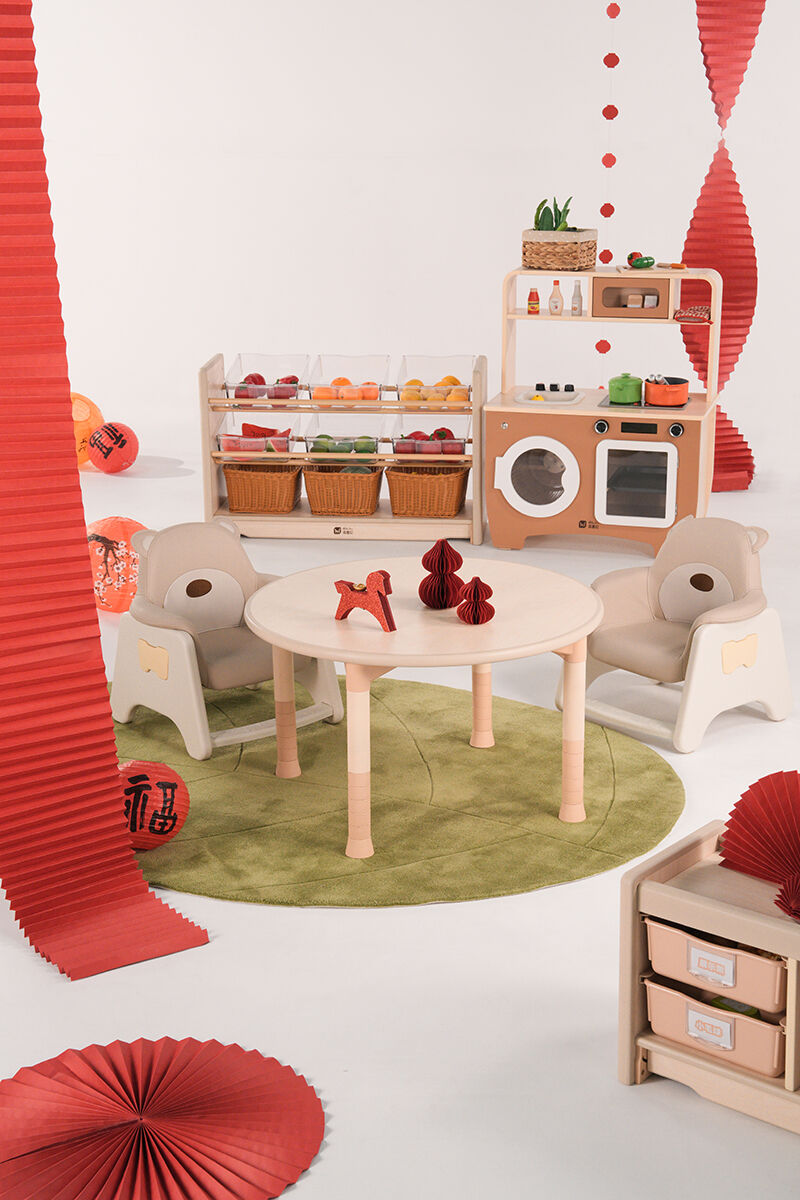
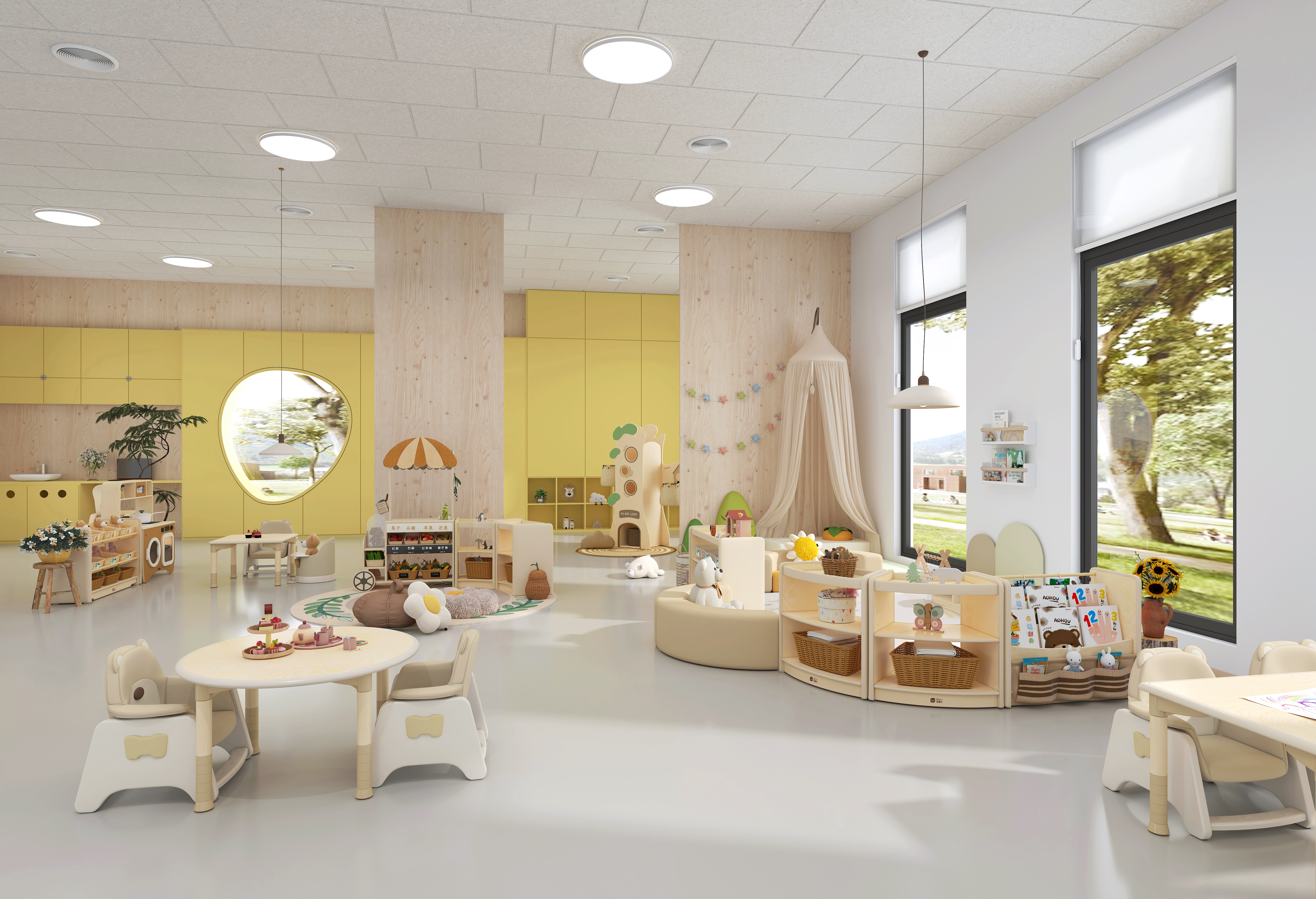
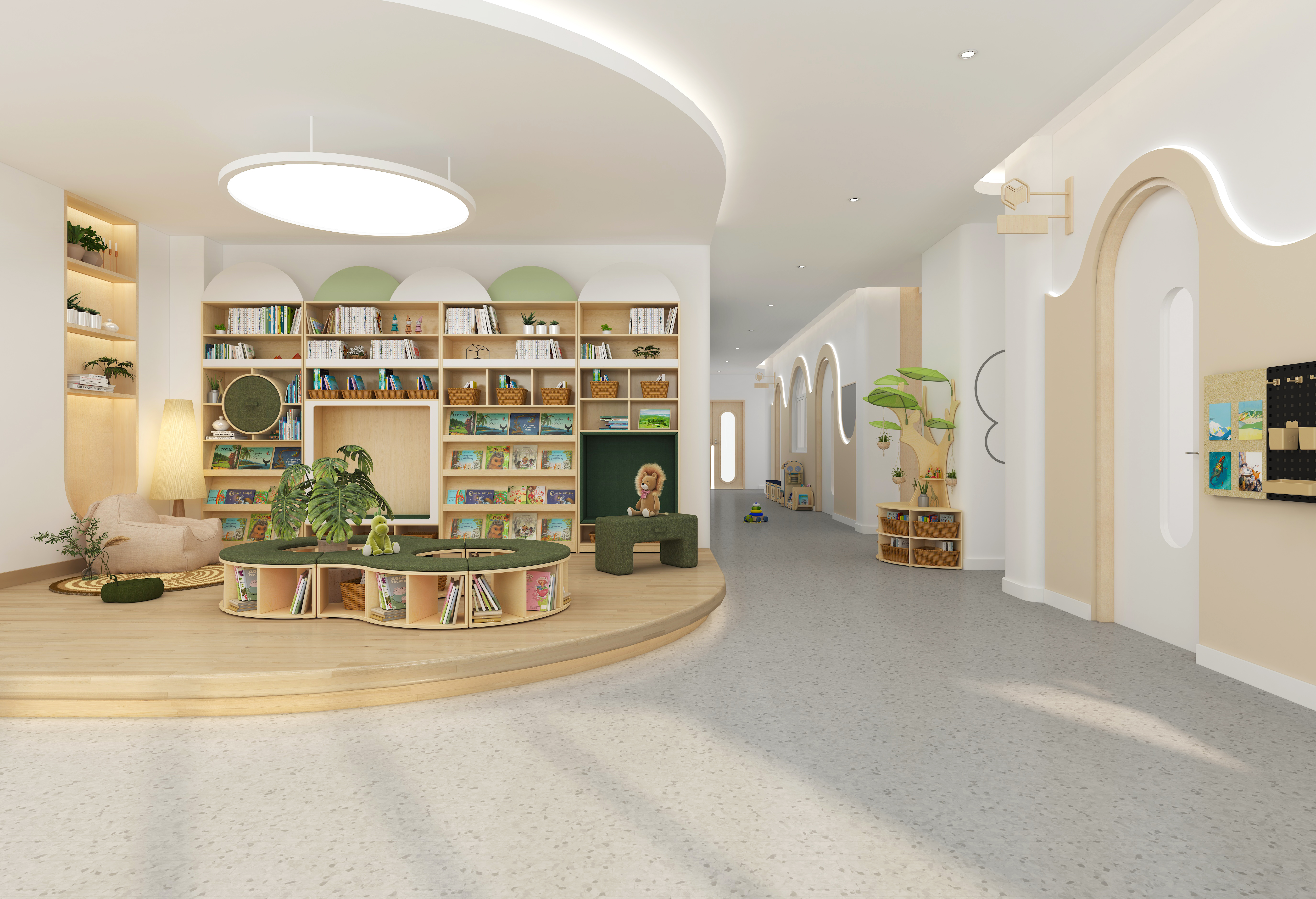
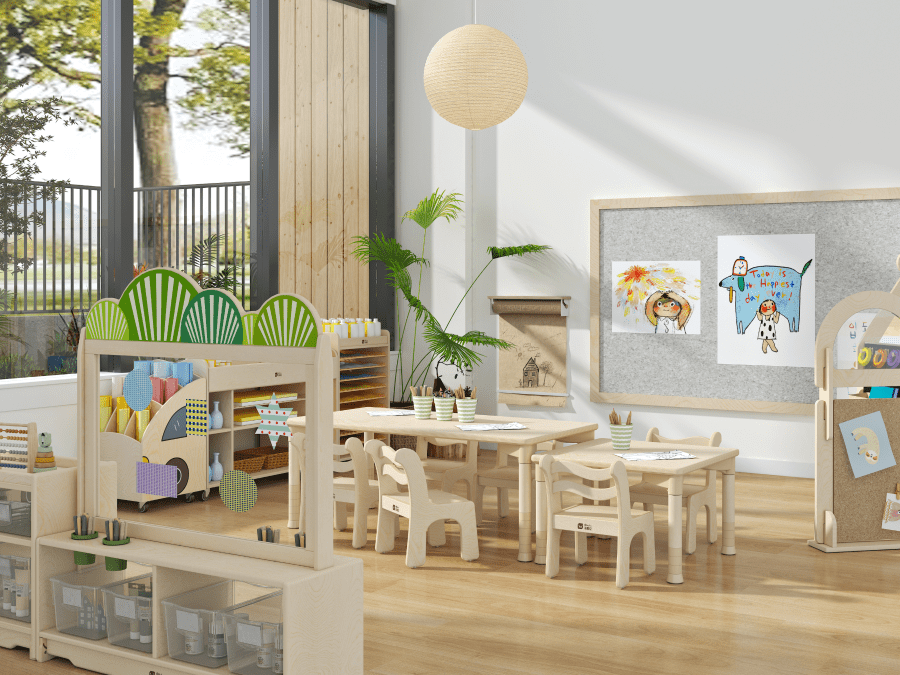
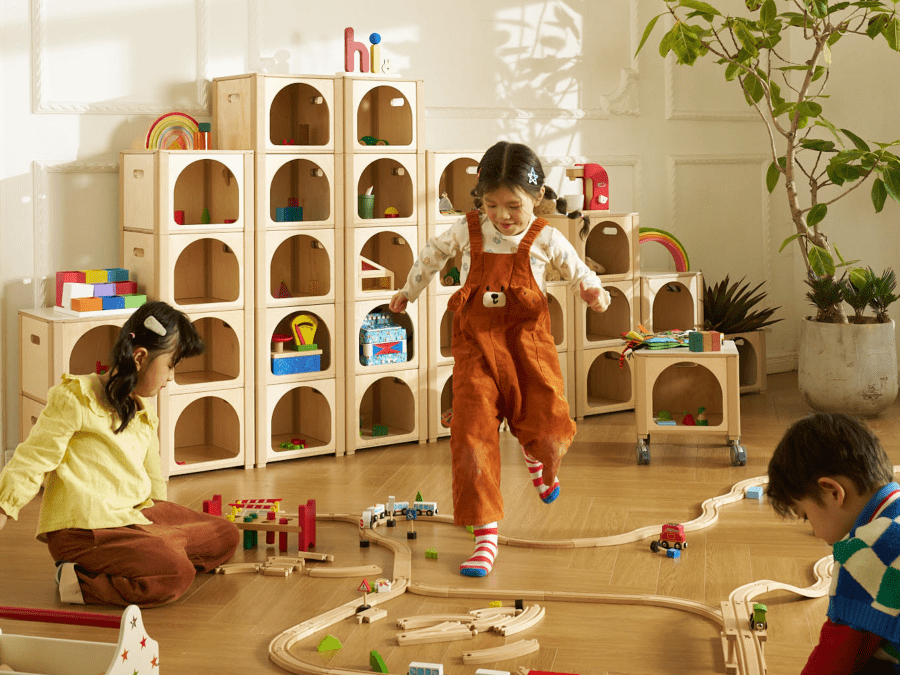
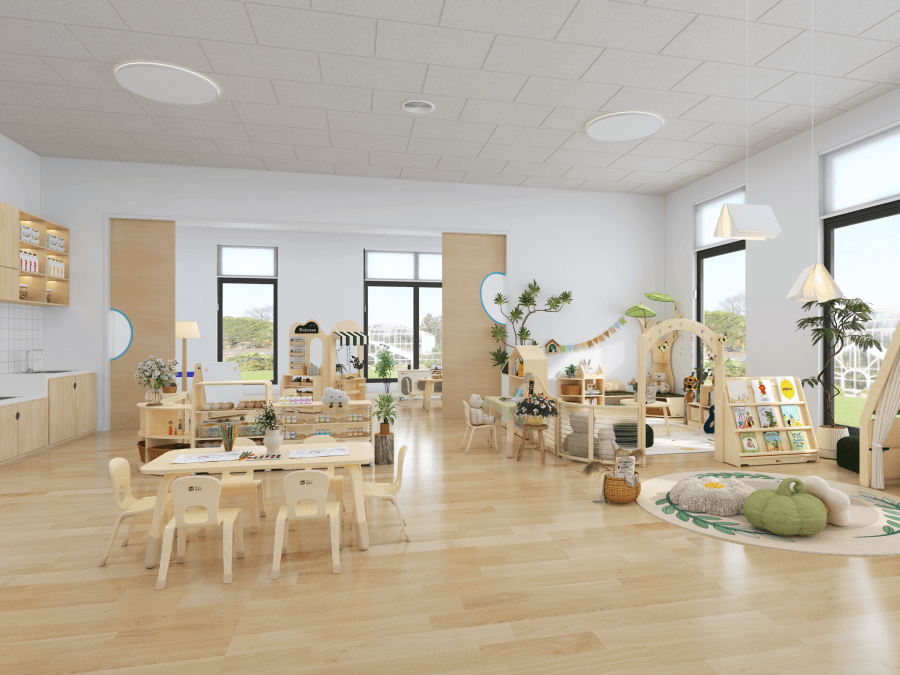
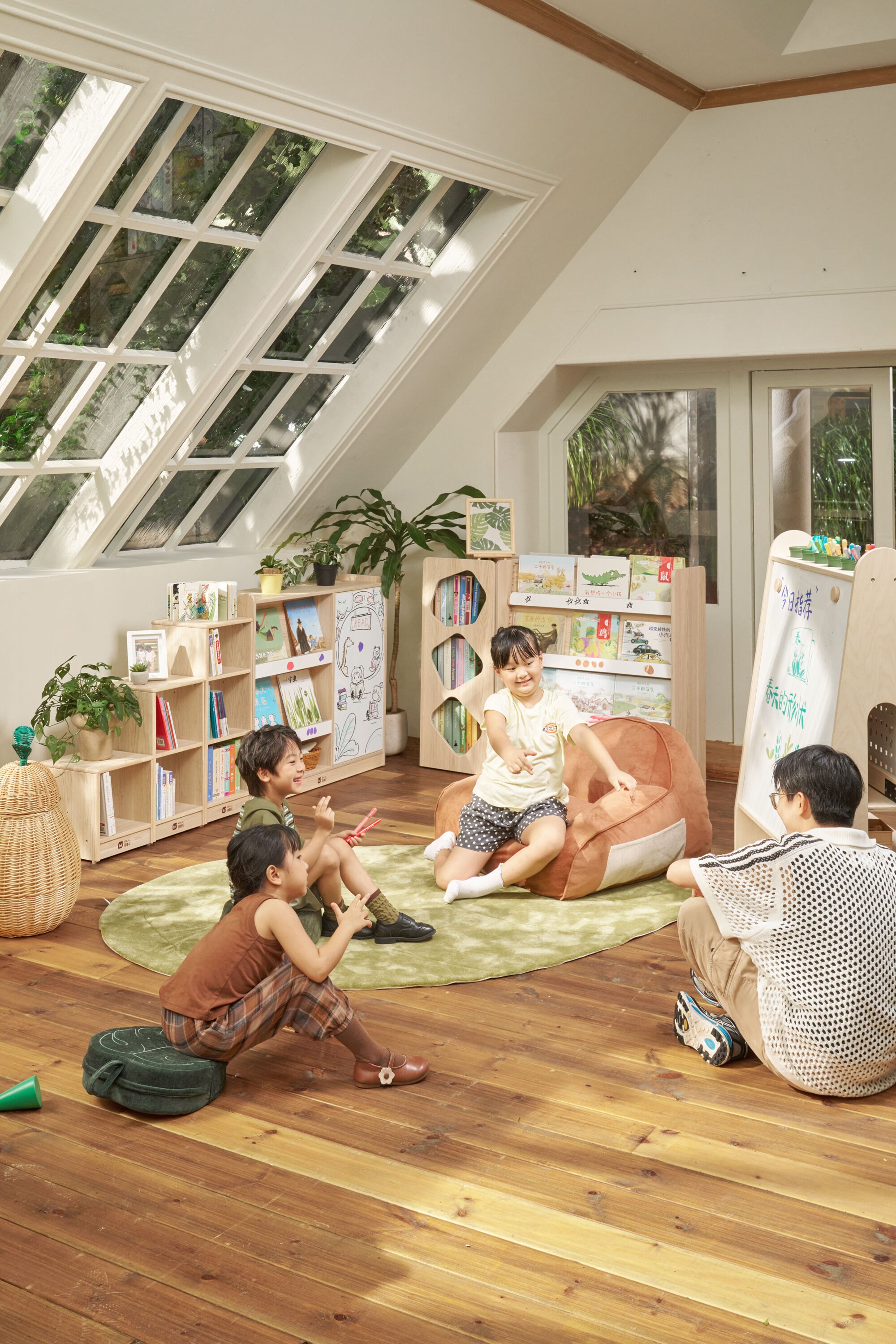
Montessori school furniture represents a revolutionary approach to educational environments, specifically designed to support the unique learning methodology developed by Dr. Maria Montessori. This specialized furniture collection emphasizes child-centered design principles that promote independence, self-directed learning, and natural development. The main functions of montessori school furniture include creating accessible learning spaces where children can freely choose their activities, fostering concentration through appropriately scaled environments, and supporting various developmental stages from toddlerhood through elementary years. The furniture features child-sized proportions that eliminate the need for adult assistance, enabling young learners to interact confidently with their surroundings. Key technological features incorporate rounded edges for safety, natural wood construction that provides tactile experiences, and modular designs that adapt to changing classroom needs. The furniture utilizes non-toxic finishes and sustainable materials, ensuring environmental safety while maintaining durability under constant use. Height-adjustable components accommodate growing children, while lightweight construction allows easy repositioning by small hands. Storage solutions integrate seamlessly into learning areas, teaching organization skills while maintaining classroom aesthetics. Applications of montessori school furniture span diverse educational settings including traditional Montessori schools, progressive public institutions, homeschooling environments, and childcare centers. The furniture supports practical life activities through specialized stations for food preparation, cleaning, and self-care routines. Academic learning receives enhanced support through dedicated spaces for mathematics manipulation, language development, and sensorial exploration. The furniture design encourages movement and collaboration while respecting individual learning preferences, creating balanced environments that nurture both social skills and independent thinking capabilities.

New Product Recommendations

Montessori school furniture offers compelling advantages that directly benefit children, educators, and educational institutions. The primary advantage lies in promoting genuine independence among young learners by providing appropriately sized furniture that children can use without adult assistance. This independence builds confidence and self-esteem while reducing teacher workload and classroom disruptions. The furniture encourages natural learning progression by allowing children to select activities based on their interests and developmental readiness, leading to deeper engagement and better retention of concepts. Safety represents another significant advantage, with rounded corners, stable construction, and non-toxic materials protecting children during active learning periods. The furniture reduces accident risks while maintaining durability under intensive daily use. Cost-effectiveness emerges through the furniture's longevity and adaptability, with many pieces serving multiple age groups and functions throughout their lifespan. This versatility maximizes educational budgets while providing consistent learning environments. The natural wood construction offers sensory benefits that plastic alternatives cannot match, providing tactile experiences that support neurological development and create calming, warm atmospheres conducive to learning. Flexibility stands out as a major practical benefit, with lightweight pieces easily rearranged to accommodate different activities, group sizes, and teaching approaches. This adaptability supports diverse learning styles and enables quick classroom transformations. Organization becomes effortless with integrated storage solutions that teach children responsibility while maintaining tidy learning spaces. The furniture supports various pedagogical approaches beyond traditional Montessori methods, making it valuable for schools transitioning between educational philosophies. Maintenance requirements remain minimal due to quality construction and protective finishes, reducing long-term operational costs. The furniture promotes proper posture and ergonomic positioning, supporting physical development during crucial growth periods. Environmental consciousness receives support through sustainable materials and manufacturing processes, aligning with modern educational values. Teacher satisfaction increases as classroom management becomes easier with self-directing students and organized learning environments that montessori school furniture facilitates.

Tips And Tricks

Hikeylove at the 86th China Educational Equipment Show: Where Thoughtful Spaces Meet the Future of Early Learning

11

Dec

Hikeylove at the 86th China Educational Equipment Show: Where Thoughtful Spaces Meet the Future of Early Learning

View More
Beyond Bookshelves: Crafting a Preschool Reading Nook That Inspires Young Minds

26

Dec

Beyond Bookshelves: Crafting a Preschool Reading Nook That Inspires Young Minds

View More
Welcoming 2026: A Year of Transformative Spaces for Growth and Learning

30

Dec

Welcoming 2026: A Year of Transformative Spaces for Growth and Learning

View More
The Hikeylove Story: 25 Years of Crafting Spaces for Childhood.

03

Jan

The Hikeylove Story: 25 Years of Crafting Spaces for Childhood.

View More

Get a Free Quote

Our representative will contact you soon.
Email
Name
Company Name
Mobile/WhatsApp
Message
0/1000

montessori school furniture

Child-Centered Independence Design

Child-Centered Independence Design

The revolutionary child-centered independence design of montessori school furniture fundamentally transforms how young learners interact with their educational environment. This design philosophy recognizes that children possess an innate desire for independence and self-direction, which traditional adult-sized furniture often inhibits. The furniture features precise proportions scaled to match children's physical dimensions, eliminating the frustration and dependency that comes from struggling with oversized equipment. Tables reach comfortable heights that allow proper posture without straining, while chairs provide stable seating that keeps feet firmly planted on the ground, promoting concentration and physical stability during learning activities. Storage units position materials at eye level and within easy reach, empowering children to select, use, and return items independently. This accessibility reduces wait times and classroom disruptions while fostering decision-making skills and personal responsibility. The design incorporates intuitive functionality that allows even very young children to manipulate furniture components safely and effectively. Lightweight construction enables children to move chairs and small tables as needed, creating personalized learning spaces that adapt to individual preferences and activities. The independence-focused design extends to specialized features like child-accessible drawers with smooth-gliding mechanisms, shelving units with varying heights to accommodate different materials, and work surfaces that provide adequate space for both individual and collaborative activities. This thoughtful engineering eliminates the need for constant adult intervention, allowing educators to focus on guidance and instruction rather than basic furniture manipulation. The psychological impact of this independence cannot be overstated, as children develop confidence in their abilities and learn to trust their own judgment when selecting appropriate learning materials and environments. This design approach supports the Montessori principle that children learn best when they have control over their learning environment, leading to increased engagement, better retention, and stronger intrinsic motivation for learning.
Sustainable Natural Materials Construction

Sustainable Natural Materials Construction

The sustainable natural materials construction of montessori school furniture represents a commitment to environmental responsibility while providing superior learning experiences for children. This construction approach prioritizes renewable hardwoods sourced from responsibly managed forests, ensuring that each piece contributes to positive environmental impact rather than depletion of natural resources. The natural wood construction offers multiple developmental benefits that synthetic materials cannot replicate, providing rich tactile experiences that stimulate sensory development and create connections between learning and the natural world. Children benefit from the organic textures, natural variations in grain patterns, and subtle temperature differences that wood provides, supporting neurological development through multi-sensory engagement. The construction process emphasizes traditional joinery techniques combined with modern precision manufacturing, creating furniture that withstands decades of intensive classroom use while maintaining structural integrity and aesthetic appeal. Non-toxic finishes protect the wood while ensuring complete safety for children who may touch, taste, or closely examine furniture surfaces during their natural exploration processes. These eco-friendly finishes allow the natural beauty and characteristics of the wood to shine through while providing necessary protection against daily wear and classroom activities. The sustainable construction extends to packaging and shipping methods that minimize environmental impact, with recyclable materials and efficient logistics reducing the carbon footprint associated with furniture delivery and installation. Quality control processes ensure that each piece meets strict durability standards, extending product lifespan and reducing the need for frequent replacements that contribute to waste streams. The natural materials construction also supports healthier indoor air quality by avoiding off-gassing associated with synthetic materials and chemical adhesives common in mass-produced furniture. This attention to environmental health creates better learning environments while teaching children about sustainability through direct experience with responsibly sourced materials. The construction methods support local craftspeople and traditional woodworking skills, contributing to community economic development while maintaining high quality standards that mass production cannot achieve.
Modular Adaptability System

Modular Adaptability System

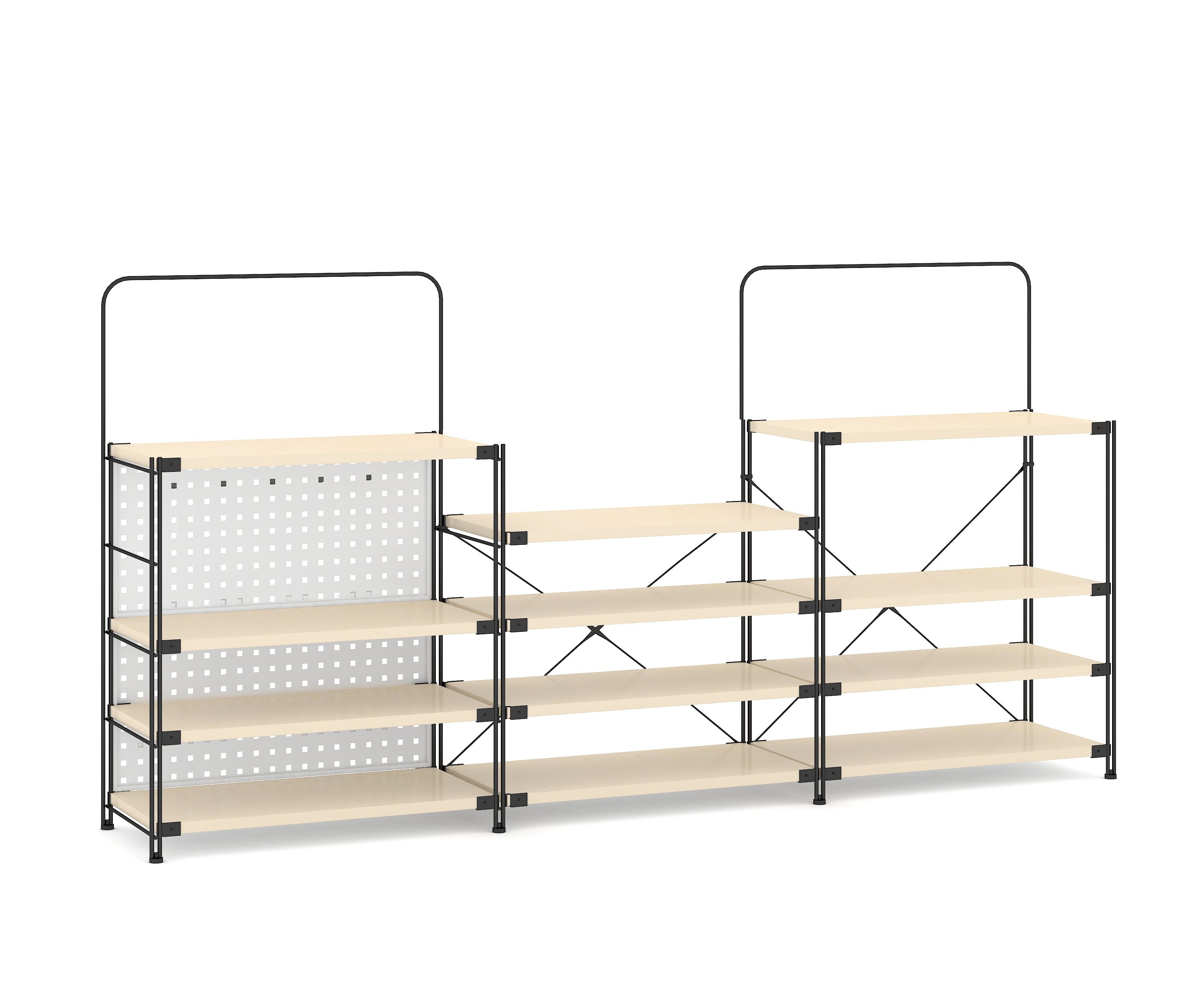
The modular adaptability system of montessori school furniture provides unprecedented flexibility for educational environments, allowing spaces to evolve and adapt as programs, student populations, and teaching methodologies change over time. This innovative system recognizes that modern educational institutions need furniture solutions that can accommodate diverse learning styles, varying class sizes, and evolving pedagogical approaches without requiring complete furniture replacement. The modular design incorporates standardized connection points and compatible dimensions across different furniture pieces, enabling endless reconfiguration possibilities that transform single-purpose items into versatile learning tools. Tables can combine to create collaborative work surfaces or separate for individual study, while storage units stack, connect, or stand alone based on specific classroom needs. This adaptability extends to height adjustments that accommodate children of different ages and developmental stages, ensuring that the same furniture pieces can serve toddlers, preschoolers, and elementary students effectively. The system includes interchangeable components such as tabletops, drawer configurations, and shelving arrangements that allow educators to customize furniture functions for specific subjects, activities, or learning objectives. Quick-release mechanisms enable rapid reconfiguration without tools, allowing teachers to adapt classroom layouts multiple times per day to support different activities and learning phases. The modular approach significantly reduces long-term costs by eliminating the need for complete furniture replacement when educational needs change, instead requiring only selective component updates or additions. This system supports various educational philosophies beyond traditional Montessori approaches, making the furniture valuable for schools exploring integrated learning methods or transitioning between educational models. Space efficiency improves dramatically through modular design, with pieces nesting or combining to maximize floor space during activities requiring open areas for movement or group gatherings. The adaptability system includes specialized accessories and add-on components that expand functionality, such as easel attachments, material holders, and display panels that transform basic furniture into comprehensive learning stations. Quality engineering ensures that modular connections maintain strength and stability regardless of configuration, preventing safety concerns while maximizing creative possibilities for learning environment design.

Get a Free Quote

Our representative will contact you soon.
Email
Name
Company Name
Mobile/WhatsApp
Message
0/1000