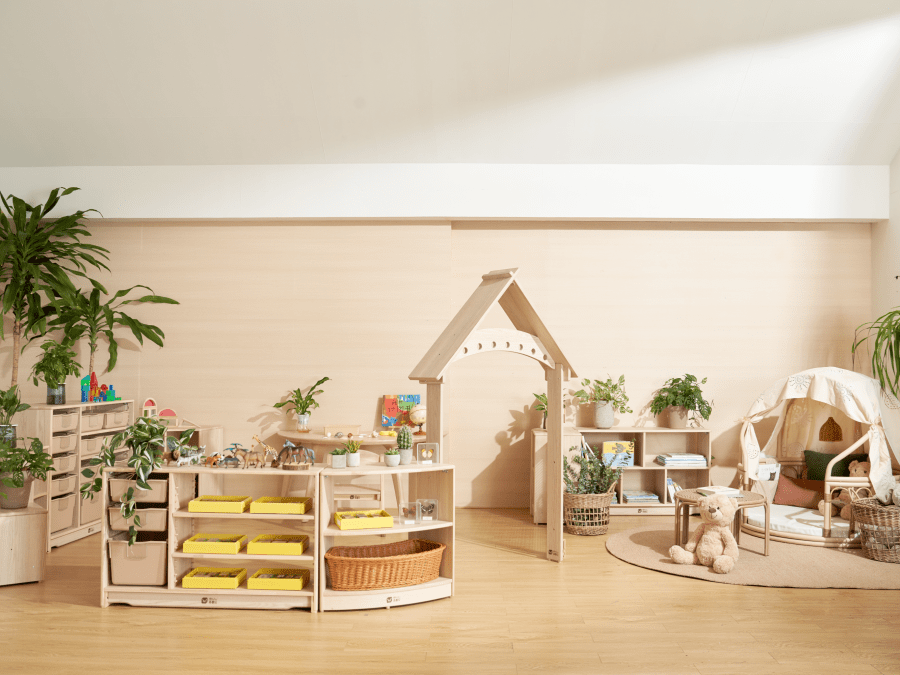
kindergarten tables
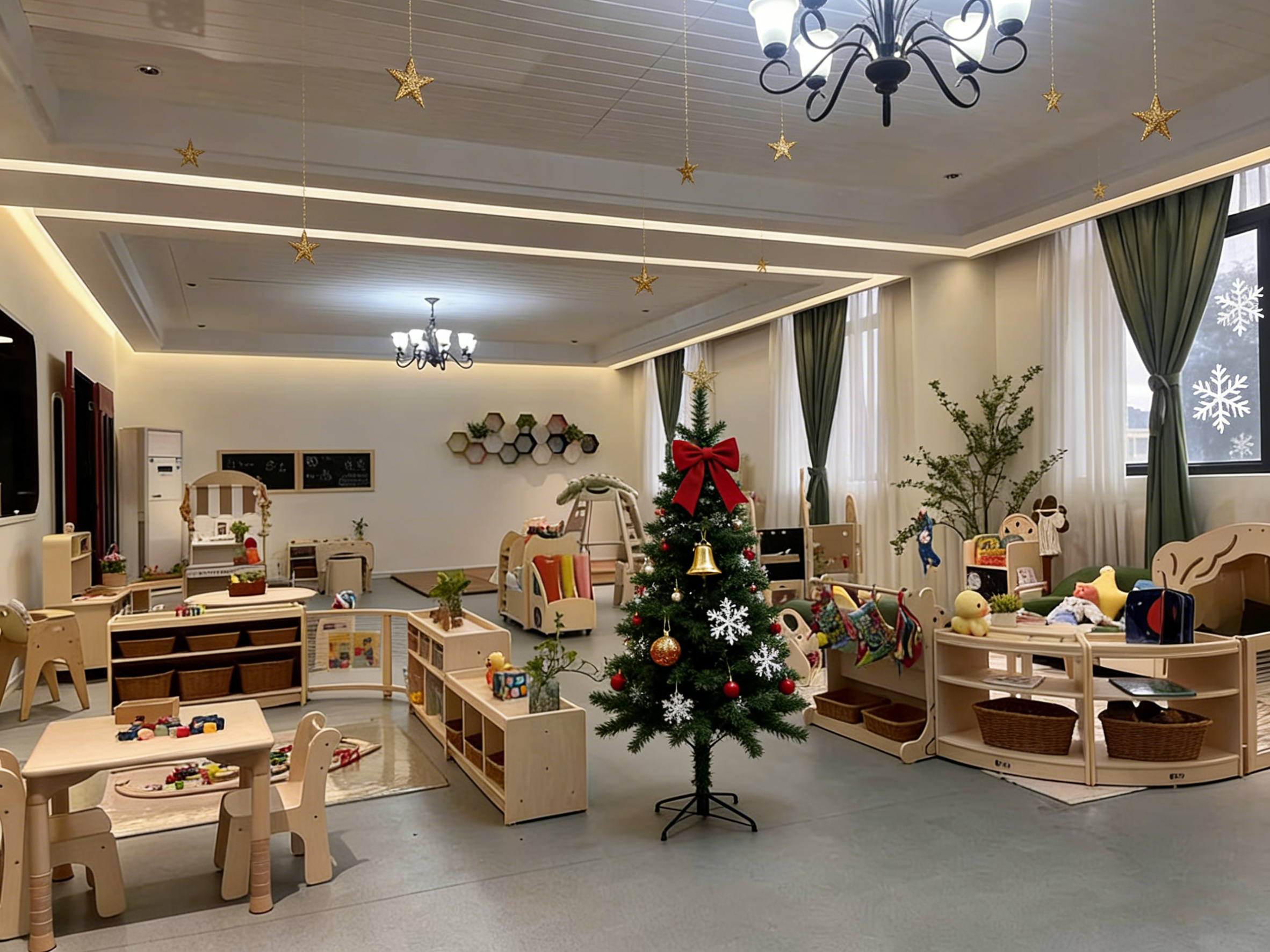
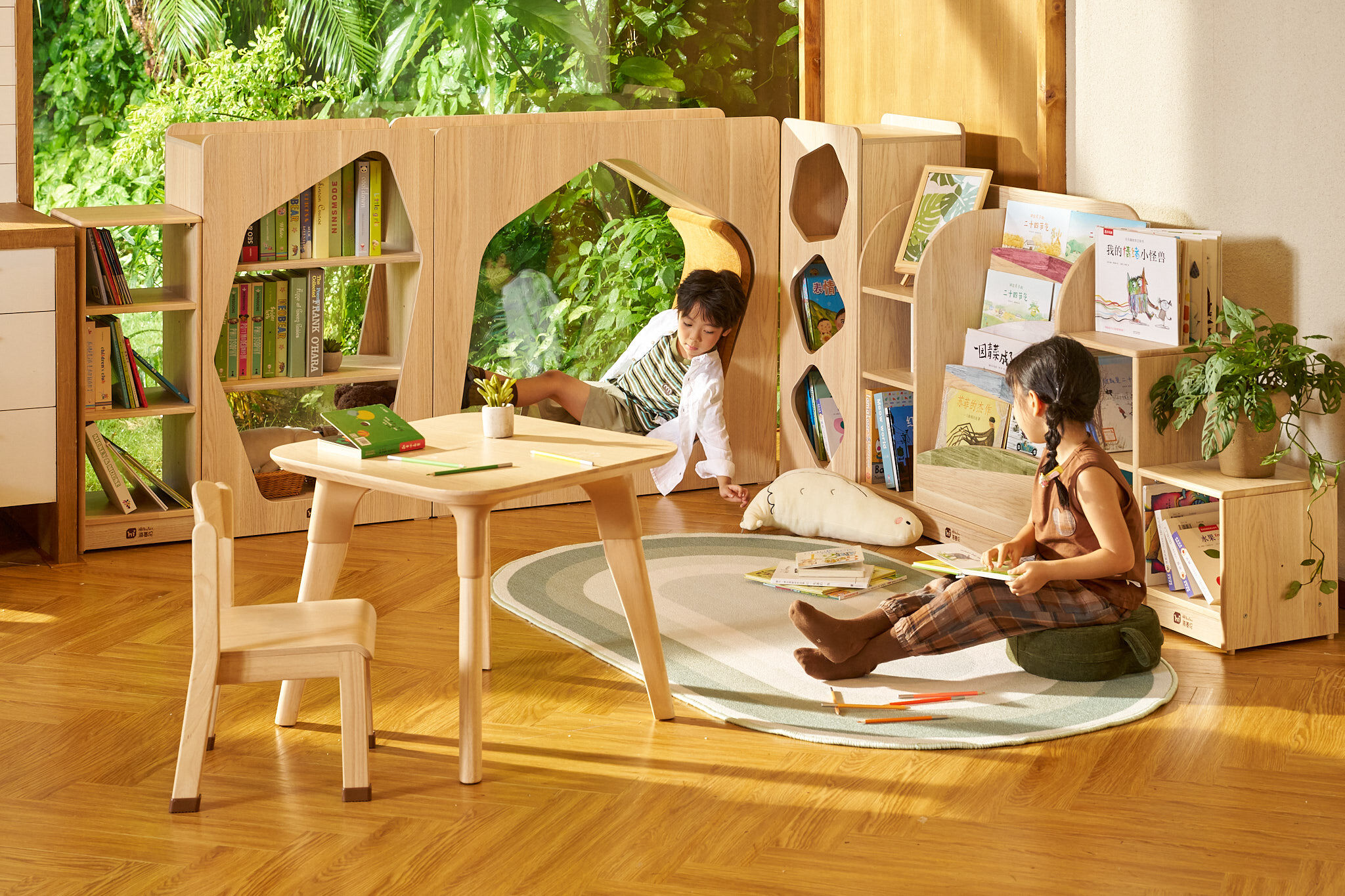
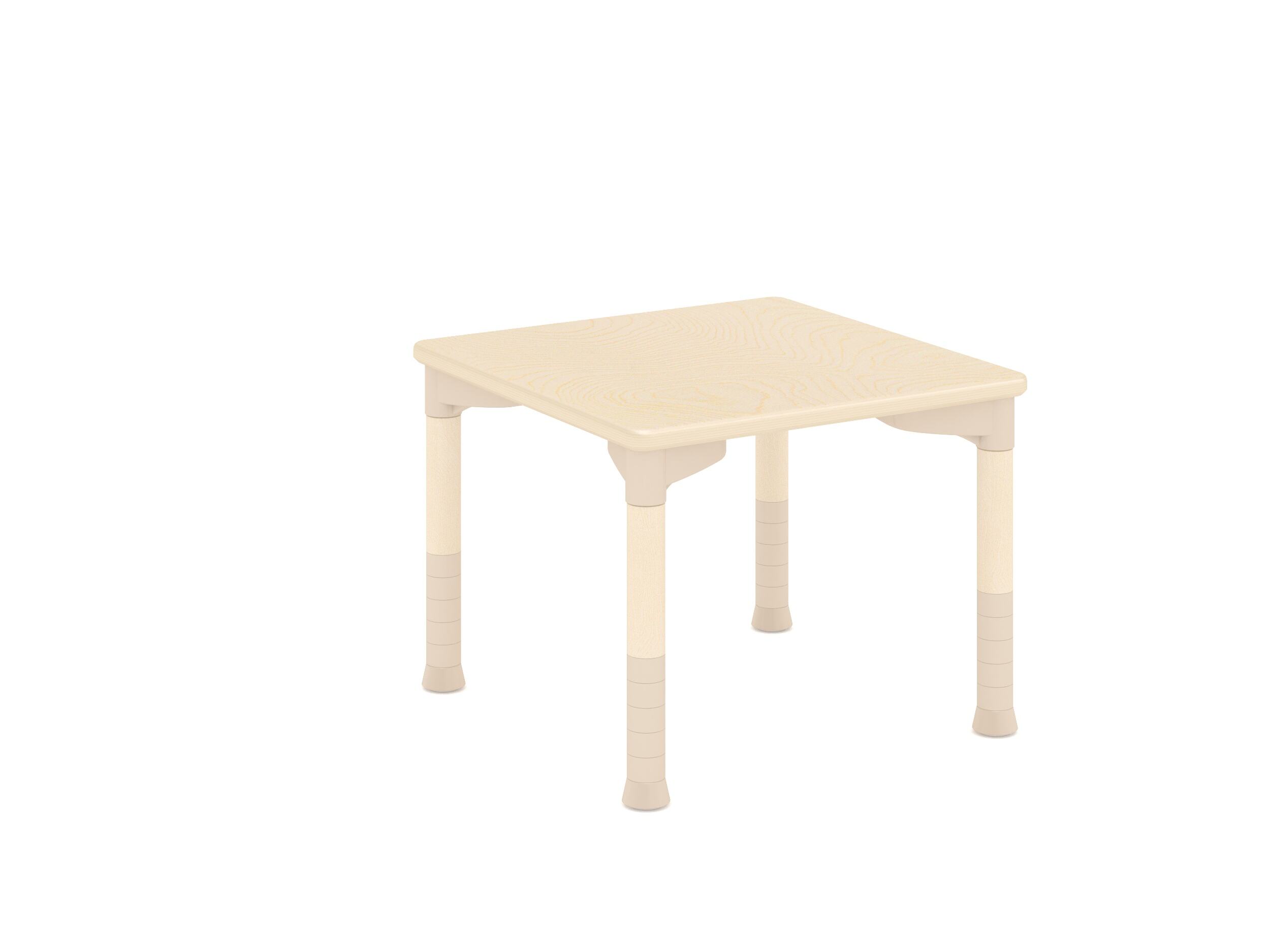
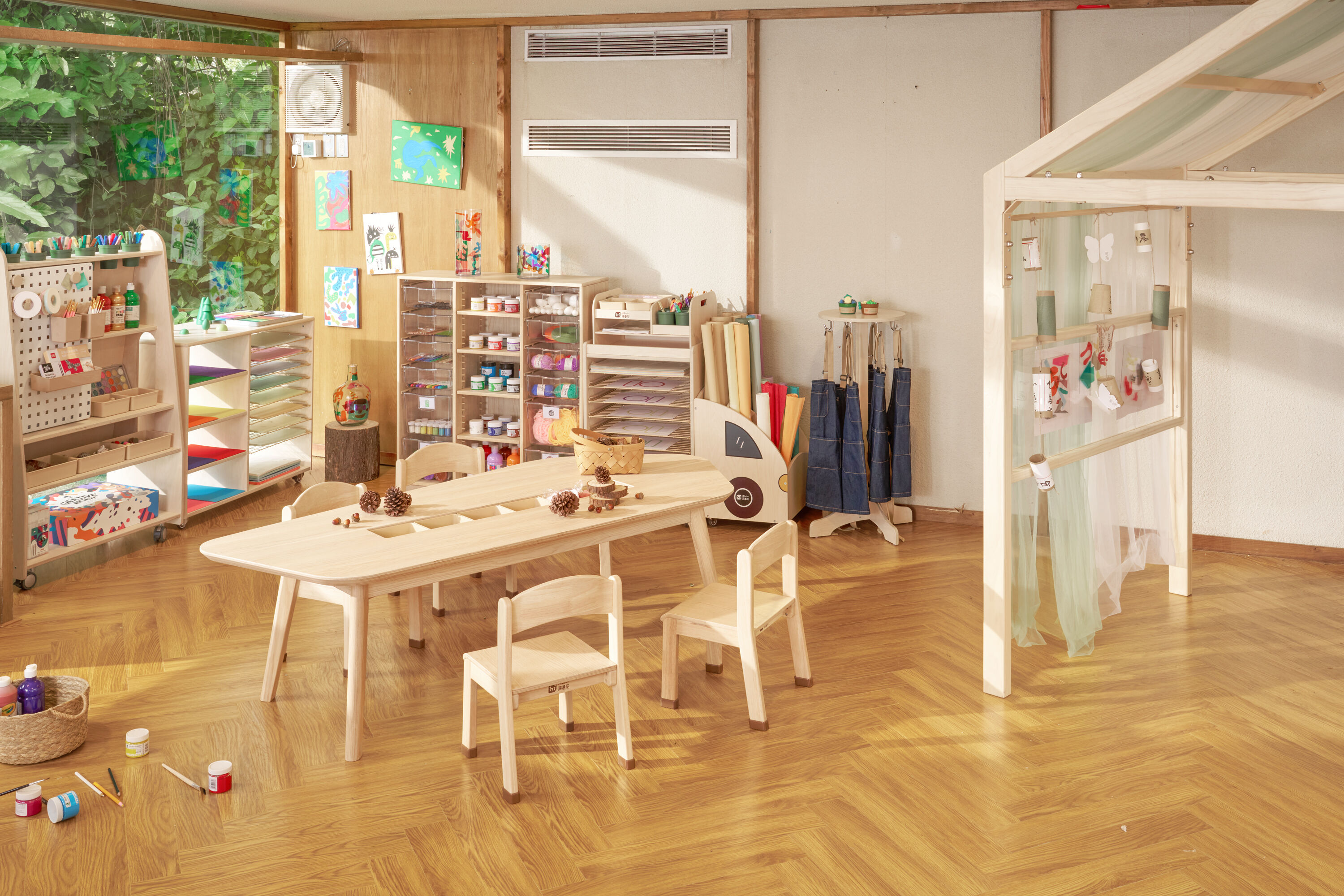
Kindergarten tables represent essential furniture pieces specifically engineered for early childhood educational environments, serving as fundamental components that support various learning activities and developmental milestones. These specialized tables are meticulously crafted to accommodate the unique physical dimensions and educational requirements of children aged 3-6 years, ensuring optimal comfort and functionality throughout their formative learning experiences. The primary functions of kindergarten tables encompass facilitating group learning sessions, supporting individual study activities, enabling creative arts and crafts projects, and providing stable surfaces for meal times and snack periods. Modern kindergarten tables incorporate advanced technological features including height-adjustable mechanisms that grow with children, antimicrobial surface treatments that maintain hygiene standards, and rounded safety edges that prevent injuries during active play. The construction typically utilizes high-grade materials such as laminated wood composites, durable plastics, or metal frameworks with powder-coated finishes that resist wear and maintain vibrant appearances over extended periods. Kindergarten tables find extensive applications across diverse educational settings including public and private preschools, daycare centers, early learning academies, home-based childcare facilities, and therapeutic environments designed for children with special needs. The versatile designs accommodate various classroom configurations, from traditional rectangular arrangements to innovative hexagonal cluster formations that promote collaborative learning experiences. Color-coding systems integrated into many kindergarten tables help organize different activity zones while stimulating visual development and spatial awareness. Storage solutions built into table designs maximize classroom efficiency by providing accessible compartments for learning materials, art supplies, and personal belongings. The ergonomic considerations embedded in kindergarten tables ensure proper posture development, reducing strain on developing spines and promoting healthy sitting habits that benefit children throughout their educational journey. These tables serve as platforms for sensory exploration, fine motor skill development, and social interaction, making them indispensable tools in comprehensive early childhood education programs.