Educational Integration and Independence Development Through Smart Storage
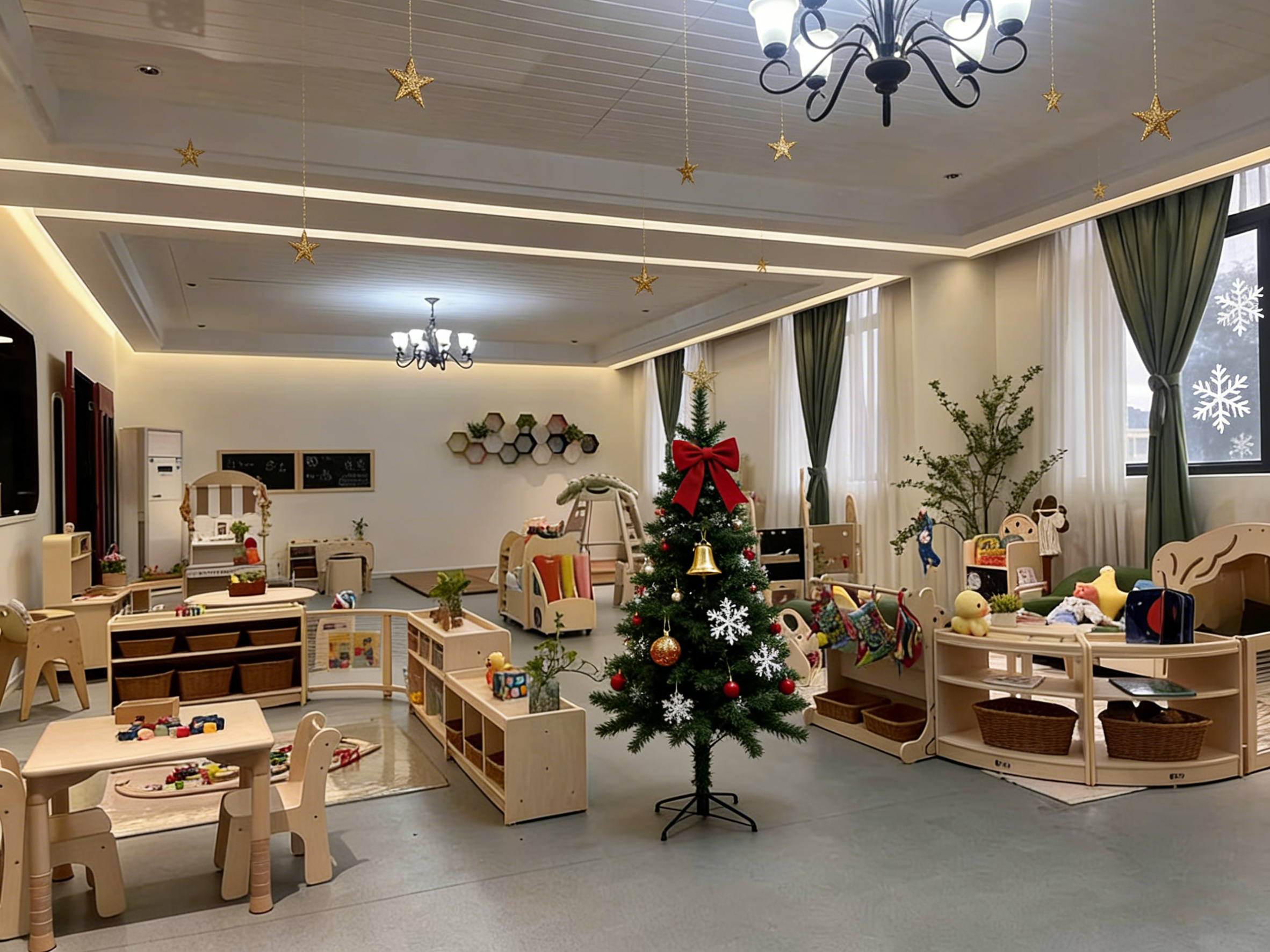
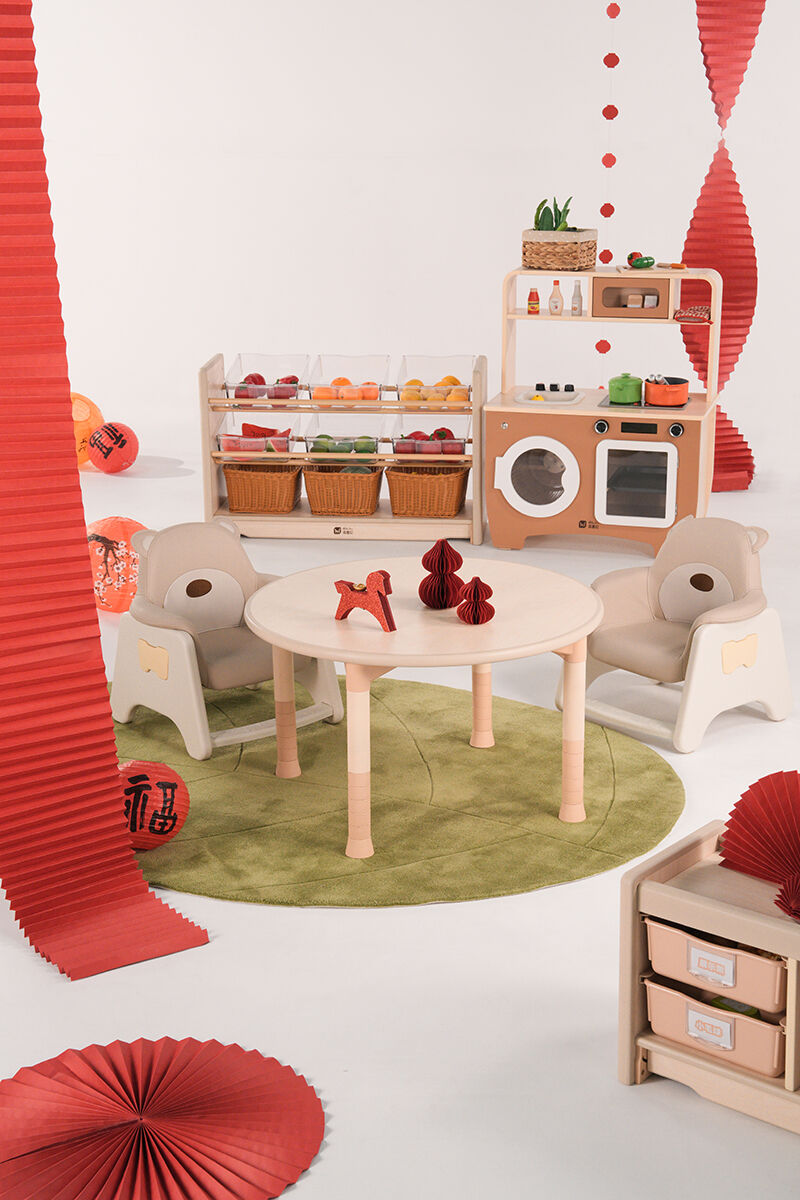
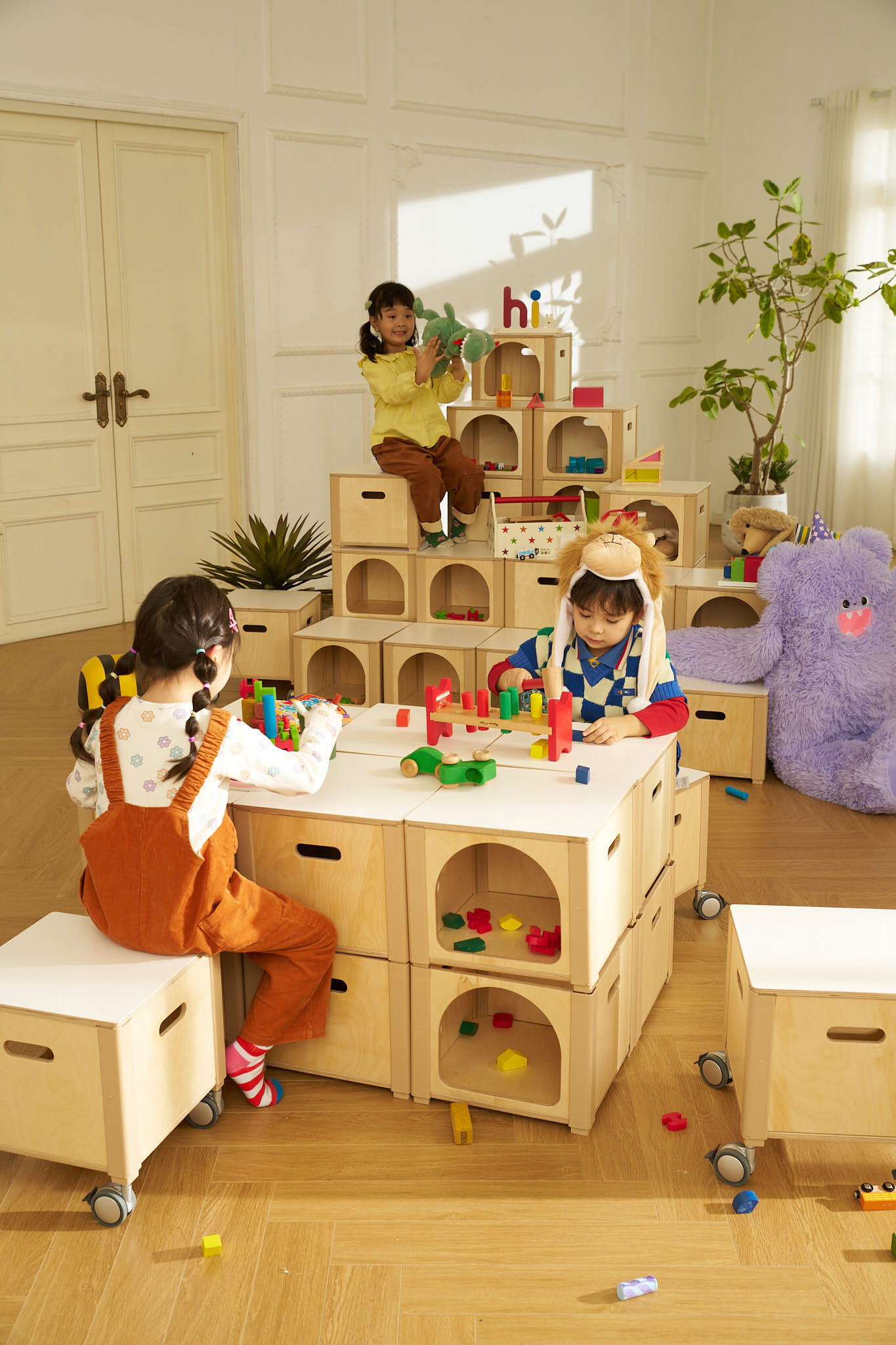
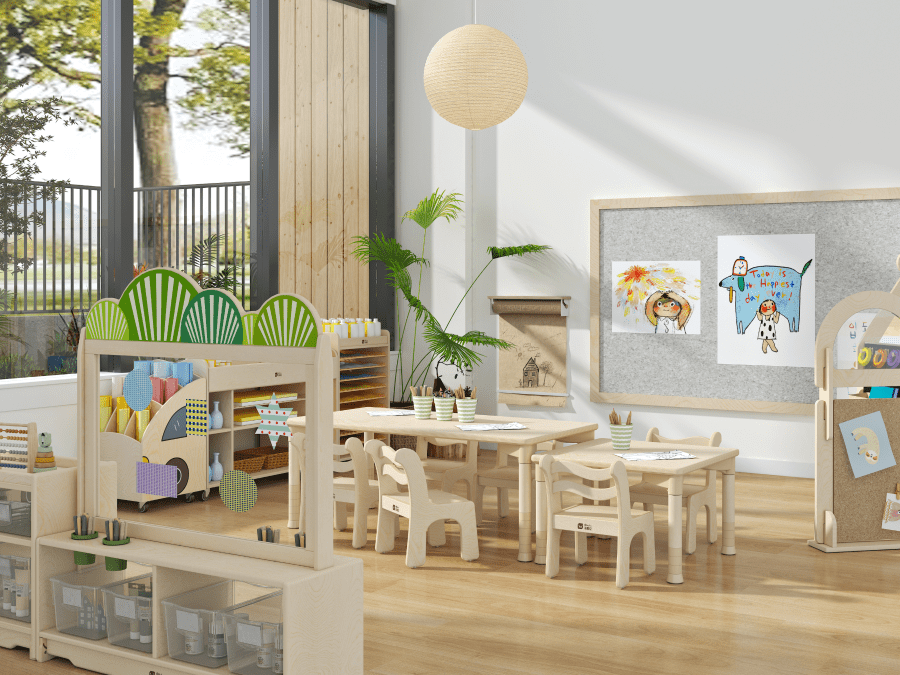
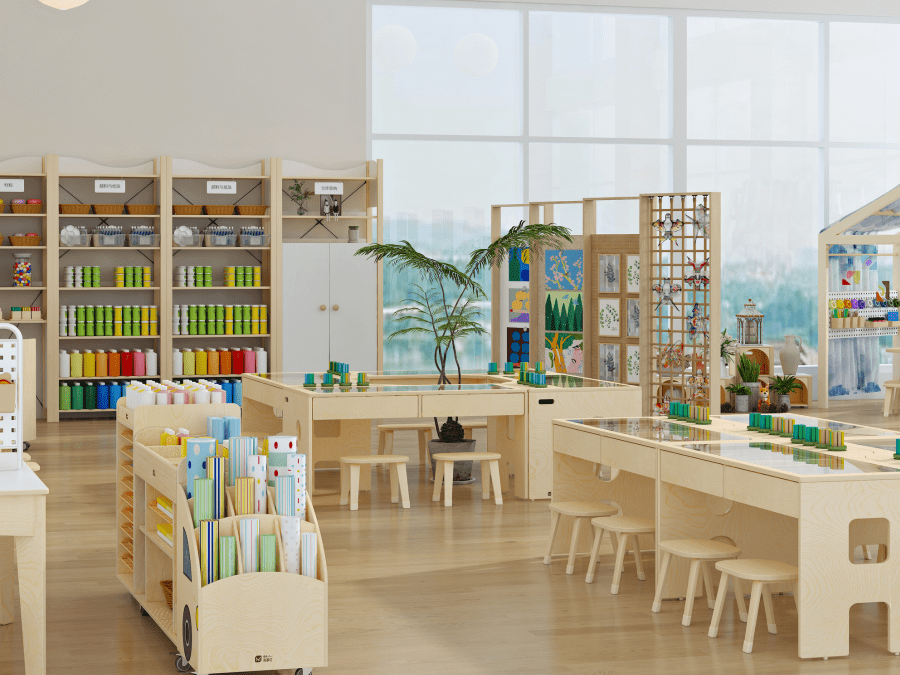
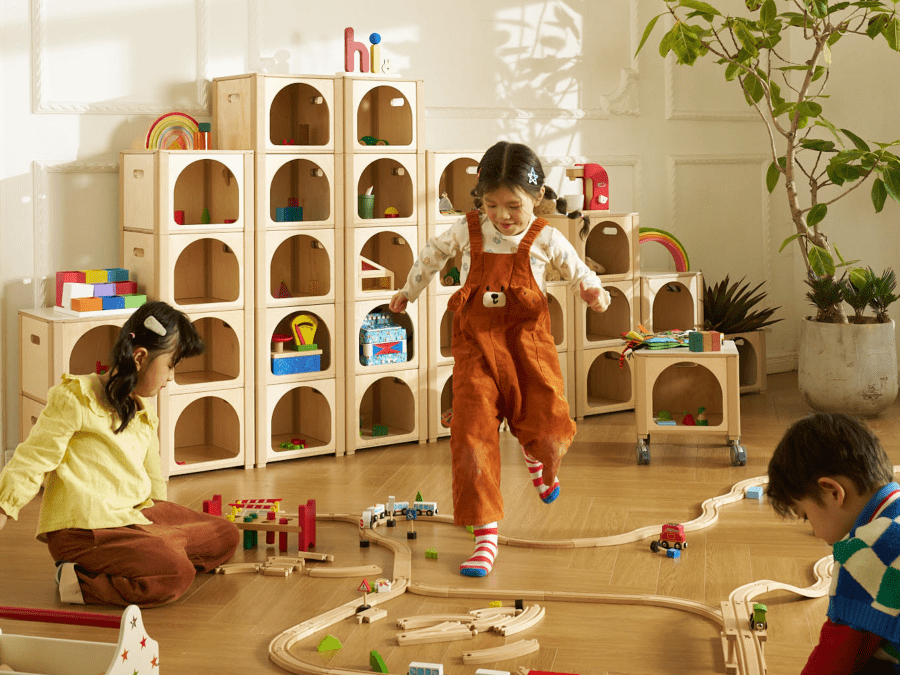
Kindergarten storage cabinets transcend traditional storage concepts by functioning as integrated educational tools that actively support child development goals while maintaining classroom organization and efficiency. These innovative storage solutions incorporate visual learning aids directly into their design, featuring color-coded compartments that help young children associate specific colors with particular activities, materials, or personal belongings, reinforcing color recognition skills while building organizational habits. Picture labeling systems utilize clear, age-appropriate imagery that enables pre-reading students to identify contents independently, supporting literacy development through visual-textual associations that bridge the gap between concrete objects and abstract symbols. The spatial design encourages proper sorting and categorization behaviors, with appropriately sized compartments that teach children about size relationships, volume concepts, and logical grouping principles through hands-on daily interactions. Independence development accelerates through accessible design features that empower children to manage their personal belongings, retrieve learning materials, and maintain organized spaces without constant adult intervention, building confidence and self-reliance that extends beyond classroom boundaries. The storage system supports routine development by providing consistent, predictable locations for materials and belongings, helping children internalize time management concepts as they learn to prepare for activities, transitions, and dismissal procedures. Motor skill development benefits from repeated opening, closing, and organizing activities that strengthen fine motor coordination, bilateral hand use, and spatial awareness through purposeful, repetitive actions integrated into daily classroom routines. Social skill development emerges through shared storage experiences, where children learn negotiation, sharing, and responsibility concepts while managing community supplies and respecting others' personal storage spaces. The transparent or semi-transparent design elements allow children to see contents without opening compartments, supporting decision-making skills and reducing unnecessary disruption during quiet activities or group instruction times. These educational integration features transform mundane storage tasks into meaningful learning opportunities that support curriculum objectives while maintaining the practical organization needs essential for effective classroom management.