
Panlabas muwebles para sa pangangalaga sa bata kumakatawan sa isang espesyalisadong kategorya ng kagamitan na idinisenyo upang baguhin ang mga lugar sa labas ng gusali sa ligtas, nakakaengganyo, at angkop sa pag-unlad na kapaligiran para sa mga bata. Kapag nagpaplano ng mga panlabas na lugar para sa paglalaro sa mga pasilidad ng pag-aalaga sa bata, ang pagpili ng angkop na mga kasangkapan sa pag-aalaga sa bata ay naging napakahalaga upang maitatag ang mga lugar na nagpapahiwatig ng pisikal na aktibidad, interaksyon panlipunan, at pag-unlad ng kognitibo habang pinapanatili ang pinakamataas na pamantayan sa kaligtasan.
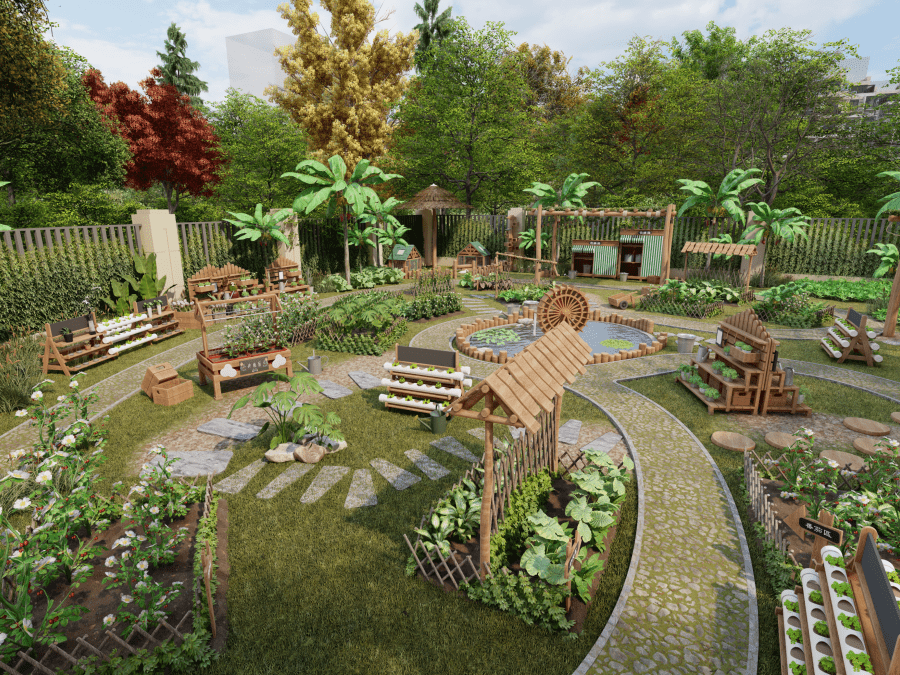
Ang paglikha ng epektibong mga outdoor play yard ay nangangailangan ng maingat na pagsasaalang-alang sa pagkakalagay ng mga kasangkapan, tibay ng mga materyales, at mga elemento ng disenyo na angkop sa edad. Ang mga propesyonal na tagapag-alaga ng bata ay naiintindihan na ang mga kasangkapan para sa panlabas na pangangalaga sa bata ay kailangang tumagal sa paulit-ulit na paggamit, pagkakalantad sa panahon, at sa natatanging pangangailangan ng mga aktibong bata habang sumusuporta sa mga layunin sa edukasyon at mga hakbang sa pag-unlad para sa iba't ibang grupo ng edad.
Mga Pangunahing Bahagi ng Mga Panlabas na Kapaligiran para sa Paglalaro ng mga Bata
Mga Solusyon sa Upuan para sa mga Grupo ng Aktibidad
Ang mga panlabas na pagkakalagay ng upuan ay bumubuo ng pundasyon ng organisadong mga grupo ng aktibidad sa mga kapaligiran ng pangangalaga sa bata. Ang mga kasangkapan para sa pangangalaga sa bata na idinisenyo para sa panlabas na paggamit ay kailangang magkasya sa iba't ibang laki ng grupo at uri ng aktibidad, mula sa mga talakayan sa 'circle time' hanggang sa mga tahimik na sesyon ng pagbasa. Ang mga upuan at hanay ng upuan para sa panlabas na gamit na may antas ng propesyonal ay nagbibigay ng mga itinalagang espasyo kung saan makakasama ang mga bata para sa mga istrukturadong aktibidad habang pinapanatili ang angkop na mga linya ng paningin para sa pangangalaga ng mga tagapag-alaga.
Ang mga opsyon sa upuan na tumutol sa panahon ay kasama ang mga bench na gawa sa metal na may powder coating at ergonomikong disenyo, mga upuan na gawa sa mataas na densidad na polyethylene na tumutol sa pagpapakulay at pagsisira, at mga kompositong materyales na nagkakaisa ng tibay at kaginhawahan. Ang mga espesipikasyon sa taas at lalim ng mga kasangkapan para sa panlabas na pangangalaga sa bata ay dapat sumunod sa mga yugto ng pag-unlad, na nagsisigurado na ang mga batang-toddler hanggang sa mga batang nasa edad ng paaralan ay maaaring gamitin ang kagamitan nang ligtas at komportable.
Ang estratehikong pagkakalagay ng mga lugar para sa upuan ay lumilikha ng mga likas na punto ng pagtitipon na humihikayat sa sosyal na interaksyon at kolaboratibong paglalaro. Dapat isaalang-alang sa pagkakalagay ng mga kasangkapan para sa pangangalaga sa bata ang mga pattern ng lilim sa buong araw, ang kalapitan sa mga lugar ng aktibidad, at ang malinaw na visibility para sa pangangalaga, habang pinapanatili ang sapat na espasyo para sa mga wheelchair at iba pang device para sa mobility upang matiyak ang inklusibong access para sa lahat ng bata.
Mga Mesa para sa Aktibidad at Mga Surface para sa Gawain
Ang mga mesa para sa gawain sa labas ay nagsisilbing versatile na platform para sa mga gawaing pang-edukasyon, kreatibong proyekto, at karanasan sa pagsusuri ng pandama. Inirerekomenda ng mga eksperto sa kasangkapan para sa pangangalaga ng bata ang mga mesa na may makinis at hindi porous na ibabaw upang madaling linisin at disinfektan, habang tumutol din sa mga stain at pagkapinsala dulot ng matagal na pagkakalantad sa labas.
Ang mga mesa na may adjustable na taas ay angkop para sa iba't ibang grupo ng edad sa loob ng parehong espasyo sa labas, na nagbibigay-daan sa mga tagapag-alaga ng bata na baguhin ang mga ibabaw ng trabaho habang lumalaki ang mga bata o kapag naglilingkod sa mga grupo na may halo-halong edad sa panahon ng mga programang panglabas. Ang ideal na mesa para sa gawain sa labas ay may rounded na sulok, matatag na konstruksyon ng mga paa, at integrated na solusyon para sa imbakan na nagpapanatili ng kaayusan at madaling abot ng mga kagamitan.
Ang pagpili ng materyales para sa mga ibabaw ng trabaho sa labas ay binibigyang-prioridad ang tibay at kahusayan sa pagpapanatili. Ang mga ibabaw na gawa sa high-pressure laminate, mga ibabaw na gawa sa stainless steel, at mga espesyal na materyales na naaprubahan para sa labas ay nagsisiguro na ang mga kasangkapan para sa pangangalaga sa bata ay nananatiling may kakayahang gumana at magmukhang maganda kahit sa araw-araw na paggamit at pagkakalantad sa panahon. Ang tamang disenyo para sa pagbubuhos ng tubig ay nakakaiwas sa pag-akumula ng tubig habang pinapanatili ang matatag na kondisyon sa paggawa para sa iba't ibang gawain.
Mga Sistema ng Pag-iimbak at Organisasyon
Ang epektibong mga yarda para sa paglalaro sa labas ay nangangailangan ng sistematikong mga solusyon sa imbakan na nagpapanatili ng madaling pag-access sa mga materyales habang protektado ang kagamitan mula sa pinsala dulot ng panahon. Ang mga kasangkapan para sa pangangalaga sa bata na idinisenyo para sa imbakan sa labas ay pinauunlad na may kombinasyon ng mga tampok para sa seguridad at resistensya sa panahon, na nagsisigurong organisado at handa para sa mga spontaneong gawain ang mga laruan, laro, at edukasyonal na materyales.
Ang mga propesyonal na sistema ng pag-iimbak ay kasama ang mga kabinet na may lock, mobile na cart, at mga itinalagang cubby na nagbibigay-daan sa mga bata na sumali sa mga gawain sa pag-setup at paglilinis. Ang mga organisasyonal na elemento na ito ay nagtuturo ng responsibilidad habang pinapanatili ang istrukturadong kapaligiran na sumusuporta sa epektibong outdoor na programa. Ang mga kagamitan sa pampangangalaga sa bata na may built-in na imbakan ay nagmamaksima ng kahusayan sa paggamit ng espasyo habang binabawasan ang kalat sa mga aktibong lugar para sa paglalaro.
Ang mga konsiderasyon sa ventilasyon ay naging mahalaga para sa mga kagamitan sa imbakan na naglalaman ng mga tela, kagamitan sa sports, o iba pang materyales na nangangailangan ng sirkulasyon ng hangin. Ang tamang disenyo ay nakakapigil sa pag-akumula ng kahalumigmigan at paglago ng amag habang pinapanatili ang seguridad at proteksyon laban sa panahon para sa mga mahalagang edukasyonal na resource at mga kagamitan sa paglalaro.
Mga Pamantayan sa Kaligtasan at mga Konsiderasyon sa Disenyo
Pagsunod sa mga Regulasyon sa Kaligtasan sa Pampangangalaga sa Bata
Ang mga kagamitan sa panlabas na pangangalaga sa bata ay kailangang sumunod sa mahigpit na mga pamantayan sa kaligtasan na itinakda ng mga ahensya ng regulasyon at mga propesyonal na organisasyon sa pangangalaga sa bata. Ang mga pamantayang ito ay tumutugon sa integridad ng istruktura, toxicidad ng materyales, pagwawakas ng mga gilid, at mga kinakailangan sa katatagan upang matiyak ang kaligtasan ng bata habang ginagamit nang normal at sa mga sitwasyong maaaring mangyari dahil sa di-maingat na paggamit.
Ang mga tagagawa ng propesyonal na kagamitan sa pangangalaga sa bata ay nagpapatupad ng malawak na pagsusuri upang mapatunayan ang pagkakasunod sa mga gabay ng Consumer Product Safety Commission, sa mga pamantayan ng ASTM International, at sa mga kinakailangan sa lisensya para sa pangangalaga sa bata na nakabase sa estado. Ang dokumentasyon ng pagkakasunod ay naging mahalaga sa panahon ng inspeksyon para sa lisensya at ng mga pagsusuri para sa insurance, kaya ang mga sertipikadong kagamitan ay isang mahalagang investisyon para sa mga propesyonal na operasyon sa pangangalaga sa bata.
Ang mga kinakailangan sa pag-install ng mga kagamitan sa panlabas na pangangalaga sa bata ay kadalasang kasama ang mga tuntunin sa pundasyon, mga sistema ng pagkakabit, at mga lugar na walang sagabal upang maiwasan ang pinsala habang aktibong naglalaro. Ang tamang pag-install ay nagsisiguro na ang mga kagamitan ay nananatiling matatag at ligtas habang sumusunod sa mga kinakailangan sa lugar ng kaligtasan upang maiwasan ang anumang pagkakalito sa pagitan ng iba't ibang lugar ng gawain sa panlabas na espasyo.
Ang Sukat na Angkop sa Edad at Pagkakaroon ng Access
Ang pagpili ng sukat ng mga kagamitan sa panlabas na pangangalaga sa bata ay binabatayan ng kahihinatnan sa pag-unlad, upang matiyak na ang kagamitan ay umaayon sa pisikal na kakayahan at antas ng kognitibong pag-unlad ng mga ninanais na gumamit nito. Ang sukat ng mga kagamitan ay nakaaapekto hindi lamang sa komportableng paggamit at kahusayan, kundi pati na rin sa mga resulta ng kaligtasan kapag ang mga bata ay nakikipag-ugnayan sa kagamitan habang nasa ilalim ng pagsupervise o habang nagsasarili.
Ang mga prinsipyo ng universal na disenyo ay nakaaapekto sa modernong muwebles para sa pangangalaga sa bata pag-unlad, na nagsisiguro na ang mga outdoor na espasyo ay nananatiling ma-access para sa mga bata na may iba't ibang kakayahan sa pisikal at pangangailangan sa paggalaw. Kasama sa mga tampok ng inklusibong disenyo ang mga taas ng mesa na ma-access gamit ang wheelchair, mga opsyon sa upuan na madaling paglipat-lipat, at malinaw na daanan na sumasaklaw sa iba't ibang kagamitan sa paggalaw nang hindi nakakompromiso sa kaligtasan o pagganap.
Ang mga kapaligiran na may maraming edad ay nangangailangan ng mga solusyon sa kasangkapan na nakakasakop sa iba't ibang yugto ng pag-unlad nang sabay-sabay. Ang mga adjustable na tampok, modular na disenyo, at iba't ibang opsyon sa taas ay nagbibigay-daan sa mga tagapag-alaga ng bata na lumikha ng inklusibong outdoor na espasyo na serbisyo sa iba't ibang populasyon habang pinapanatili ang angkop na hamon at suporta para sa bawat grupo ng edad na kinakatawan sa programa.
Katatagan ng Material at Resistensya sa Panahon
Ang pagkakalantad sa labas ng bahay ay nagpapakailangan sa mga kagamitan para sa pangangalaga sa bata ng matitinding pagbabago ng temperatura, mga siklo ng kahalumigmigan, radiation na ultraviolet, at pisikal na stress na lubos na lumalampas sa mga kondisyon ng paggamit sa loob ng bahay. Ang pagpili ng materyales ay naging napakahalaga upang mapanatili ang kaligtasan, pagganap, at anyo sa loob ng mahabang panahon ng serbisyo habang pinabababa ang mga kinakailangan sa pagpapanatili at mga gastos sa pagpapalit.
Ang mga materyales na may mataas na pagganap para sa mga panlabas na muwebles para sa pangangalaga ng bata ay kinabibilangan ng marine-grade aluminum, stainless steel hardware, UV-stabilized plastics, at mga composite material na lumalaban sa pagbibitak, pagkupas, at pagkasira ng istruktura. Pinapanatili ng mga materyales na ito ang kanilang mga katangian sa kabila ng mga pana-panahong pagbabago ng panahon habang nagbibigay ng katatagan at tibay na kinakailangan para sa mga aktibong kapaligiran para sa pangangalaga ng bata.
Ang mga paggamot sa ibabaw at mga protektibong coating ay nagpapahaba ng buhay na serbisyo ng mga kagamitan sa panlabas na pampangangalaga sa bata habang pinapanatili ang mga pamantayan sa kaligtasan at estetika. Ang powder coating, anodizing, at mga espesyalisadong sistema ng pintura ay nagbibigay ng karagdagang proteksyon laban sa korosyon at pagsuot, samantalang nag-ooffer din ng mga opsyon sa kulay na nagpapahusay ng visual appeal ng mga panlabas na kapaligiran para sa pag-aaral.
Paglikha ng Mga Stimulating na Kapaligiran para sa Pag-aaral
Pang-planong Aktibidad Batay sa Zona
Ang epektibong disenyo ng panlabas na lugar para sa paglalaro ay gumagamit ng mga kagamitan sa pampangangalaga sa bata upang lumikha ng mga hiwalay na zona ng aktibidad na sumusuporta sa iba't ibang uri ng pag-aaral at karanasan sa paglalaro. Ang pang-planong aktibidad batay sa zona ay nagsisiguro na ang mga lugar para sa aktibong paglalaro ay nananatiling hiwalay sa mga tahimik na aktibidad, habang pinapanatili ang malinaw na tanawin para sa pangangasiwa at madaling transisyon sa pagitan ng iba't ibang oportunidad para sa pakikilahok.
Ang pagkakalagay ng mga kagamitang pang-tahanan ay nagtatakda ng mga hangganan sa pagitan ng mga zona nang hindi lumilikha ng mga pisikal na hadlang na nakakabarra sa pangangasiwa o sa agarang pag-access sa kalamidad. Ang estratehikong pagkakalagay ng mga bangko, mesa, at mga yunit ng imbakan ay lumilikha ng natural na transisyon sa pagitan ng mga aktibong lugar para sa paglalaro, mga espasyo para sa paglikha, at mga lugar para sa pagninilay na sumusuporta sa iba't ibang estilo ng pagkatuto at antas ng enerhiya sa buong araw.
Ang mga nababaluktot na konpigurasyon ng mga zona ay nagbibigay-daan sa mga tagapag-alaga ng bata na baguhin ang mga outdoor na espasyo batay sa laki ng grupo, kondisyon ng panahon, at mga pangangailangan ng programa. Ang modular na mga sistema ng kagamitang pang-alaga sa bata ay sumusuporta sa ganitong kakayahang umangkop sa pamamagitan ng mabilis na pag-rekonpigur ng mga kagamitan habang pinapanatili ang mga pamantayan sa kaligtasan at pagganap na kinakailangan para sa propesyonal na operasyon ng alaga sa bata.
Pagsasama-sama ng Sensory at mga Likas na Elemento
Ang mga modernong panlabas na kapaligiran para sa pangangalaga sa bata ay pagsasama-sama ng mga sensoryong karanasan na sumusuporta sa pag-unlad ng bata sa pamamagitan ng mga likas na materyales at maingat na disenyo ng mga kasangkapan. Ang mga kasangkapan para sa pangangalaga sa bata na naglalaman ng mga likas na tekstura, organikong hugis, at mga kulay na nanggagaling sa lupa ay lumilikha ng ugnayan sa kalikasan habang nagbibigay din ng istrukturadong mga oportunidad para sa gawain.
Kabilang sa mga elemento ng kasangkapan na mayaman sa sensoryong karanasan ang mga ibabaw na may tekstura para sa pagsusuri gamit ang pandama, mga nakaimbak na planter para sa mga gawaing panghalaman, at mga hanay ng upuan na hinihikayat ang obserbasyon ng mga likas na pangyayari. Ang mga katangiang ito ay nagpapalit sa tradisyonal na kagamitan sa laruan upang maging mga pang-edukasyong kasangkapan na sumusuporta sa mga layunin ng kurikulum habang pinapanatili ang tibay at mga kinakailangan sa kaligtasan ng propesyonal na kasangkapan para sa pangangalaga sa bata.
Ang integrasyon sa mga natural na elemento ng landscape ay nangangailangan ng mga kagamitan sa pangangalaga sa bata na umaakord sa mga kapaligiran sa labas imbes na dominahin ang mga ito. Ang mga materyales na pangmatagalan, mga eco-friendly na pampatong, at mga disenyo na umaakord nang harmoniya sa mga halaman at natural na katangian ay lumilikha ng mga espasyo sa labas na pakiramdam na konektado sa kalikasan habang nagbibigay ng mga istrukturadong elemento na kinakailangan para sa epektibong programa sa pangangalaga sa bata.
Integrasyon sa Edukasyon at Suporta sa Kurikulum
Ang mga kagamitan sa pangangalaga sa bata sa labas ay nagsisilbing isang plataporma upang palawigin ang pag-aaral mula sa silid-aralan papunta sa natural na kapaligiran, na sumusuporta sa mga layunin ng kurikulum sa iba't ibang larangan ng paksa. Ang mga maayos na idisenyong espasyo sa labas ay humihikayat sa siyentipikong obserbasyon, matematikal na pag-iisip, malikhaing pagpapahayag, at pag-unlad ng mga kasanayan sa pakikipagkapwa sa pamamagitan ng mga istrukturadong at di-istrukturadong gawain.
Ang mga katangian ng mga kagamitang pang-tahanan na sumusuporta sa mga layunin sa edukasyon ay kinabibilangan ng mga marka ng pagsukat sa mga mesa, na naisama ang imbakan para sa mga koleksyon mula sa kalikasan, mga sukat ng kagamitan para sa obserbasyon ng panahon, at mga espasyo para sa kolaboratibong gawain na naghihikayat sa pangkatang paglutas ng problema. Ang mga elemento na ito ay nagpapalawak ng mga silid-aralan sa labas habang pinapanatili ang kalayaan at kreatividad na kaugnay ng mga karanasan sa paglalaro sa labas.
Ang kakayahang umangkop sa mga panahon ay nagpapatiyak na ang mga kagamitang pang-pangangalaga sa bata sa labas ay sumusuporta sa mga programa sa buong taon anuman ang kondisyon ng panahon. Ang mga tampok sa disenyo tulad ng mga nakabalot na lugar para sa gawain, mga solusyon sa imbakan na tumutol sa hangin, at mga materyales na mabilis tuyo ay nagpapahintulot sa patuloy na edukasyon sa labas kahit noong mga mahihirap na panahon ng panahon, upang makamit ang pinakamataas na halaga ng investasyon sa mga kapaligiran ng pag-aaral sa labas.
Mga Dakilang Gampanin sa Pag-instala at Pagsasawi
Kinakailangang Pag-instal sa Propesyonal
Ang tamang pag-install ng mga kagamitan sa panlabas na pampangalaga sa bata ay nangangailangan ng propesyonal na ekspertise upang matiyak ang pagkakasunod sa mga pamantayan sa kaligtasan, lokal na mga code sa gusali, at mga tukoy na pangangailangan ng tagagawa. Ang mga propesyonal na koponan sa pag-install ay nakapag-uunawa sa mga natatanging pangangailangan ng mga kapaligiran sa pampangalaga sa bata at kayang tugunan ang mga hamong partikular sa lokasyon na nakaaapekto sa pagganap at haba ng buhay ng mga kagamitan.
Ang paghahanda ng pundasyon para sa mga kagamitan sa panlabas na pampangalaga sa bata ay kasama ang pagsusuri sa lupa, pag-iisip sa drenaje, at pagtataya sa antas upang makabuo ng matatag na kondisyon sa pag-mount. Ang tamang mga pundasyon ay nagpapigil sa paglulubog, paggalaw, at pag-akumula ng tubig na maaaring sumira sa kaligtasan o magdulot ng mga problema sa pagpapanatili sa buong buhay na serbisyo ng kagamitan.
Ang dokumentasyon ng propesyonal na pag-install ay nagbibigay ng proteksyon laban sa pananagutan at saklaw ng warranty habang sinusiguro na ang mga kagamitan para sa pangangalaga sa bata ay sumusunod sa mga regulasyon para sa lisensya at seguransiya. Ang mga propesyonal na installer ay nagbibigay ng sertipikadong dokumentasyon ng pagkumpleto na nagpapakita ng pagsumunod sa mga naaangkop na pamantayan at teknikal na tukoy.
Mga Programa para sa Preventibong Paghuhugot
Ang sistematikong pagpapanatili ay nagpapahaba ng buhay ng serbisyo ng mga kagamitan para sa pangangalaga sa bata sa labas ng gusali habang pinapanatili ang mga pamantayan sa kaligtasan at anyo na kinakailangan para sa propesyonal na operasyon ng pangangalaga sa bata. Ang mga regular na iskedyul ng inspeksyon ay nakakatukoy ng potensyal na mga problema bago pa man ito makaapekto sa kaligtasan o pagganap, na nagbabawas sa mga pangmatagalang gastos sa pagpapanatili at sa panahon ng hindi paggamit ng kagamitan.
Ang mga gawain sa pang-araw-araw na pagpapanatili ay kasama ang mga pansariling inspeksyon, mga pamamaraan sa paglilinis, at mga pangunang pagsusuri sa seguridad upang matiyak na ang mga kagamitan sa pampangangalaga sa bata ay nananatiling ligtas at gumagana nang maayos para sa pang-araw-araw na paggamit. Ang pagsasanay sa mga kawani tungkol sa mga pamamaraan sa pagpapanatili ay nagbibigay-daan sa maagang pagkilala sa mga problema habang tinitiyak na ang mga gawain sa paglilinis at pangangalaga ay sumusuporta—imbes na sirain—sa mga surface finish at istruktural na bahagi ng kagamitan.
Ang mga gawain sa pangmusika o pangpanahon na pagpapanatili ay tumutugon sa kabuuang epekto ng pagkakalantad sa panahon at matalas na paggamit. Kasama sa mga pamamaraang ito ang malalim na paglilinis, inspeksyon sa mga hardware, pagrerepair o pagpapaganda ng surface finish, at mga pansimbahan o pangpigil na paggamot upang mapanatili ang itsura at pagganap ng mga kagamitan sa pampangangalaga sa bata sa buong inaasahang buhay ng serbisyo nito.
Mahabang Panahong Pangangalaga at Pagpaplano para sa Kapalit
Ang estratehikong pagpaplano para sa kapalit ng mga kagamitan sa pampangalaga sa bata ay nagpapagarantiya ng patuloy na pagpapatupad ng mga programa sa labas ng gusali habang pinamamahalaan nang epektibo ang mga badyet para sa kapital na gastos. Ang pag-unawa sa inaasahang buhay-pangserbisyo ng iba't ibang bahagi ng mga kagamitan ay tumutulong sa mga tagapagbigay ng pampangalaga sa bata na magplano ng mga iskedyul para sa kapalit nito upang mabawasan ang anumang pagkakagambala sa pang-araw-araw na operasyon.
Ang dokumentasyon ng mga gawain sa pagpapanatili, mga gastos sa pagkukumpuni, at mga isyu sa pagganap ay lumilikha ng datos na sumusuporta sa mga mapanuri na desisyon tungkol sa kapalit. Ang impormasyong ito ay tumutulong sa mga tagapagbigay ng pampangalaga sa bata na suriin ang kabuuang gastos ng pagmamay-ari para sa iba't ibang opsyon ng mga kagamitan habang inilalagay ang badyet para sa mga susunod na pangangailangan sa kagamitan.
Ang mga konsiderasyon sa pagkabuhay-buhay (sustainability) ay nakaaapekto sa mga desisyon ukol sa kapalit, kung saan ang maraming tagapagbigay ng pampangalaga sa bata ay binibigyang-priority ang mga opsyon ng mga kagamitan na sumusuporta sa pangangalaga sa kapaligiran habang natutugunan ang mga kinakailangan sa pagganap at kaligtasan. Ang mga maaaring i-recycle na materyales, mga proseso sa paggawa na may pagkabuhay-buhay, at ang mahabang buhay-pangserbisyo ay nag-aambag sa mga praktika ng responsable na pamamahala ng mga likas na yaman.
Madalas Itanong
Anong mga materyales ang pinakamainam para sa mga kasangkapan sa panlabas na pangangalaga sa bata sa iba't ibang klima?
Ang pinakamainam na mga materyales para sa mga kasangkapan sa panlabas na pangangalaga sa bata ay nakasalalay sa tiyak na kondisyon ng klima at antas ng paggamit. Sa mga lugar malapit sa baybayin na may mataas na kahalumigan at eksposur sa asin, ang aluminum na may kalidad para sa dagat at ang stainless steel ay nagbibigay ng mahusay na paglaban sa korosyon. Para sa mga rehiyon na may ekstremong pagbabago ng temperatura, ang mga kompositong materyales at mga plastik na naka-stabilize laban sa UV ay mas mainam na panatilihin ang istruktural na integridad at anyo kumpara sa tradisyonal na mga materyales. Sa mga lugar na may matinding sikat ng araw, ang mga pinturang naka-powder-coated at mga materyales na tumutol sa UV ay nakakaiwas sa pagpapakulay at pagkasira. Ang mga malamig na klima ay nangangailangan ng mga materyales na tumutol sa pinsala dulot ng paulit-ulit na pagbabago ng temperatura, tulad ng high-density polyethylene at mga espesyal na tinrato na metal na nananatiling nababaluktot sa mababang temperatura.
Paano ko malalaman ang tamang sukat at bilang ng mga kasangkapan para sa aking panlabas na espasyo para sa pangangalaga sa bata?
Ang pagkalkula sa sukat at bilang ng mga kagamitang pang-tahanan ay dapat batay sa pinakamataas na kapasidad ng pag-enroll, saklaw ng edad ng mga bata na tinatamasa, at inilaang programa ng gawain. Bilang pangkalahatang gabay, magbigay ng upuan para sa kahit 75% ng pinakamataas na kapasidad sa labas upang matiyak ang sapat na espasyo sa panahon ng pinakamataas na paggamit. Ang ibabaw ng mesa ay dapat kayang akomodahin ang 4–6 na bata bawat karaniwang mesa, kasama ang pagkalkula sa espasyo para sa gawain na humigit-kumulang 2–3 square feet bawat bata para sa komportableng pakikilahok sa gawain. Isaalang-alang ang mga pangangailangan ng multi-age programming sa pamamagitan ng pagpili ng mga adjustable o iba’t ibang taas na opsyon na naglilingkod sa iba’t ibang yugto ng pag-unlad sa loob ng iisang espasyo.
Anong mga sertipikasyon sa kaligtasan ang dapat kong hanapin kapag bumibili ng mga kagamitang pang-pangangalaga sa bata sa labas?
Ang propesyonal na kagamitan sa panlabas para sa pangangalaga sa bata ay dapat tumugon o lumampas sa mga pamantayan ng CPSC (Consumer Product Safety Commission) para sa komersyal na kagamitan sa parke, mga pamantayan sa kaligtasan ng ASTM International para sa kagamitan sa pangangalaga sa bata, at anumang mga kinakailangan sa lisensya na nakabase sa estado para sa iyong lokasyon. Hanapin ang sertipikasyon mula sa ikatlong partido para sa pagsusuri mula sa mga kilalang laboratorio, pagkakasunod sa mga kinakailangan sa pag-access ng ADA, at dokumentasyon ng mga pinturang walang lead at mga hindi toxic na materyales. Ang mga tagagawa ay dapat magbigay ng detalyadong dokumentasyon ng pagkakasunod at mga tuntunin sa pag-install na sumusunod sa lokal na mga code sa gusali at sa mga pamantayan sa lisensya para sa pangangalaga sa bata.
Paano maibibigay ng kagamitan sa panlabas ang suporta sa mga layunin ng kurikulum sa edukasyon?
Ang maayos na disenyo ng mga kagamitan sa panlabas na pangangalaga sa mga bata ay nagsisilbing pagpapalawak ng pag-aaral sa silid-aralan sa pamamagitan ng pagbibigay ng mga platform para sa mga aktibidad na may kinalaman sa praktikal na pagkatuto. Ang mga mesa na may nakaimbak na mga kasangkapan sa pagsukat ay sumusuporta sa pag-aaral ng matematika at agham, samantalang ang mga solusyon sa imbakan na inayos ayon sa lugar ng kurikulum ay hinihikayat ang malayang paggalugad sa mga materyales sa pagtuturo. Ang mga pagkakasunud-sunod ng mga kagamitan na lumilikha ng mga espasyo para sa kolaboratibong gawain ay sumusuporta sa pag-unlad ng mga kasanayan sa pakikipagkapwa at sa mga aktibidad ng pangkat na may kinalaman sa paglutas ng problema. Isaalang-alang ang mga kagamitan na may mga katangian tulad ng mga mounting para sa kagamitan sa obserbasyon ng panahon, mga integrated na planter para sa kurikulum sa pagtatanim, at mga flexible na konpigurasyon na umaangkop sa iba't ibang mga plano ng aralin at sa mga pagbabago ng programa ayon sa panahon.
Talaan ng Nilalaman
- Mga Pangunahing Bahagi ng Mga Panlabas na Kapaligiran para sa Paglalaro ng mga Bata
- Mga Pamantayan sa Kaligtasan at mga Konsiderasyon sa Disenyo
- Paglikha ng Mga Stimulating na Kapaligiran para sa Pag-aaral
- Mga Dakilang Gampanin sa Pag-instala at Pagsasawi
-
Madalas Itanong
- Anong mga materyales ang pinakamainam para sa mga kasangkapan sa panlabas na pangangalaga sa bata sa iba't ibang klima?
- Paano ko malalaman ang tamang sukat at bilang ng mga kasangkapan para sa aking panlabas na espasyo para sa pangangalaga sa bata?
- Anong mga sertipikasyon sa kaligtasan ang dapat kong hanapin kapag bumibili ng mga kagamitang pang-pangangalaga sa bata sa labas?
- Paano maibibigay ng kagamitan sa panlabas ang suporta sa mga layunin ng kurikulum sa edukasyon?
