Premium Childrens Furniture: Safety-First Design with Growth-Adaptive Technology

Get a Free Quote

Our representative will contact you soon.
Email
Name
Company Name
Mobile/WhatsApp
Message
0/1000

childrens furniture

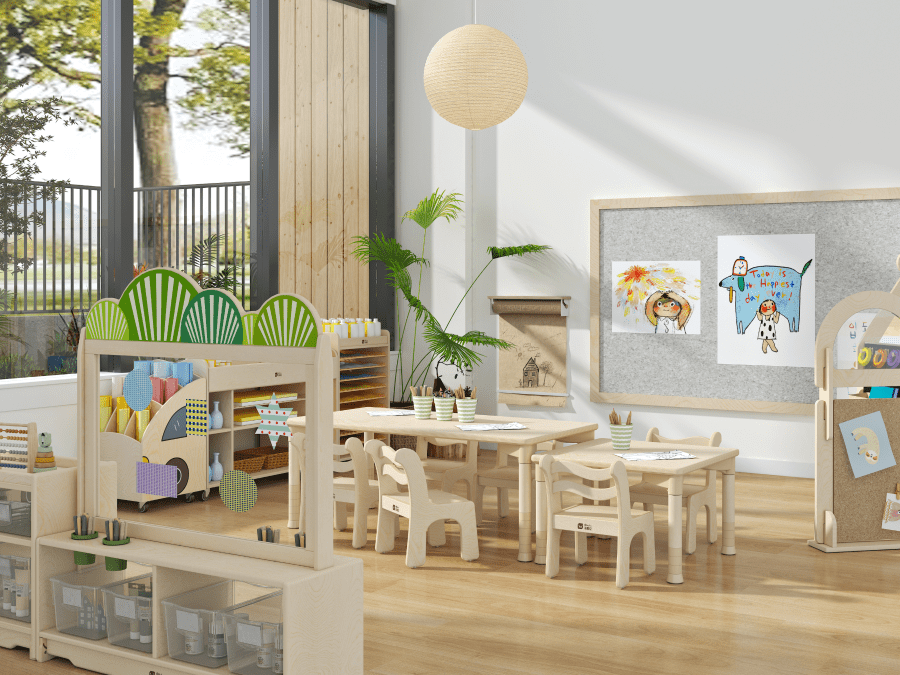
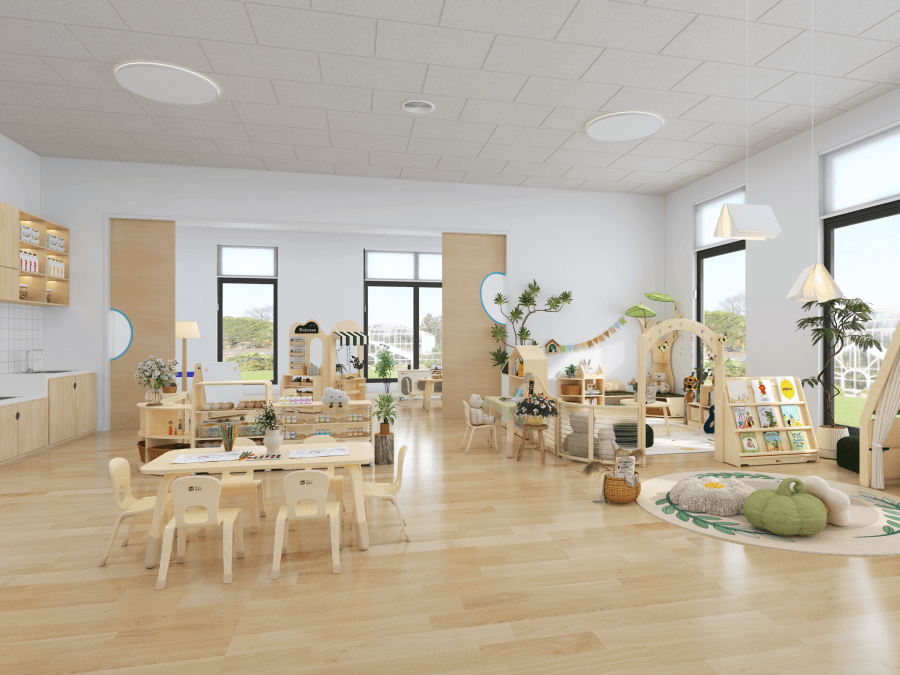
Childrens furniture represents a specialized category of home furnishings specifically designed to meet the unique needs, safety requirements, and developmental stages of young users. This essential furniture category encompasses beds, desks, chairs, storage solutions, bookcases, and play tables that prioritize both functionality and child-friendly design principles. Modern childrens furniture incorporates advanced safety technologies including rounded corners, non-toxic finishes, and anti-tip mechanisms to prevent accidents while promoting independence and creativity. The primary functions of childrens furniture extend beyond basic utility to support physical development, learning activities, and organizational skills. Height-adjustable mechanisms allow furniture pieces to grow alongside children, ensuring long-term usability and value. Many contemporary designs feature modular components that can be reconfigured as needs change, transforming play areas into study spaces or sleeping quarters. Technological innovations in childrens furniture include integrated LED lighting systems, built-in charging stations for educational devices, and smart storage compartments with soft-close mechanisms. These features enhance both safety and convenience while introducing children to modern technology in age-appropriate ways. Applications for childrens furniture span residential bedrooms, playrooms, nurseries, educational institutions, and healthcare facilities. In home environments, this furniture creates designated spaces that encourage responsibility and personal ownership while maintaining visual appeal for family living areas. Educational applications focus on ergonomic designs that support proper posture during learning activities and collaborative furniture arrangements that facilitate group interactions. Healthcare settings utilize specialized childrens furniture that combines medical functionality with comforting, child-friendly aesthetics to reduce anxiety during treatment. The versatility of modern childrens furniture allows for seamless integration into diverse architectural styles while maintaining the core principles of safety, durability, and age-appropriate design that distinguish it from standard adult furniture options.
New Product Releases

Childrens furniture delivers exceptional value through its specialized design approach that prioritizes safety without compromising style or functionality. Parents benefit from furniture pieces that feature reinforced construction methods specifically engineered to withstand the active lifestyle and exploratory nature of children. These robust designs translate to longer product lifecycles and reduced replacement costs compared to standard furniture that may not endure intensive daily use. The safety advantages of childrens furniture extend beyond basic construction to include innovative features like soft-edge technology, which eliminates sharp corners and reduces injury risks during active play. Anti-tip safety mechanisms provide peace of mind for parents while allowing children greater independence in their personal spaces. Non-toxic finishes and materials ensure healthy indoor air quality, addressing growing concerns about chemical exposure in home environments. Growth adaptability represents another significant advantage, as adjustable height mechanisms and expandable designs accommodate children from toddler years through adolescence. This adaptability eliminates the need for frequent furniture replacements, providing exceptional long-term value and reducing environmental impact. Modular design systems allow parents to reconfigure layouts as children develop new interests and needs, maximizing space utilization in smaller homes. Educational benefits emerge through furniture designs that incorporate learning elements such as alphabet engravings, color-coding systems, and organizational features that teach responsibility and tidiness. Ergonomic advantages support healthy posture development during crucial growth years, with chairs and desks designed to promote proper spinal alignment and reduce fatigue during homework sessions. Storage integration helps maintain organized living spaces while teaching children valuable organizational skills from an early age. The aesthetic advantages of modern childrens furniture allow for seamless integration into contemporary home designs without creating jarring visual contrasts. Neutral color palettes and sophisticated styling ensure that childrens furniture complements rather than clashes with adult furnishings, making it easier to maintain cohesive interior design throughout the home. Easy maintenance features, including stain-resistant surfaces and simple cleaning requirements, reduce the burden on busy parents while maintaining attractive appearances despite daily wear and usage patterns.

Practical Tips

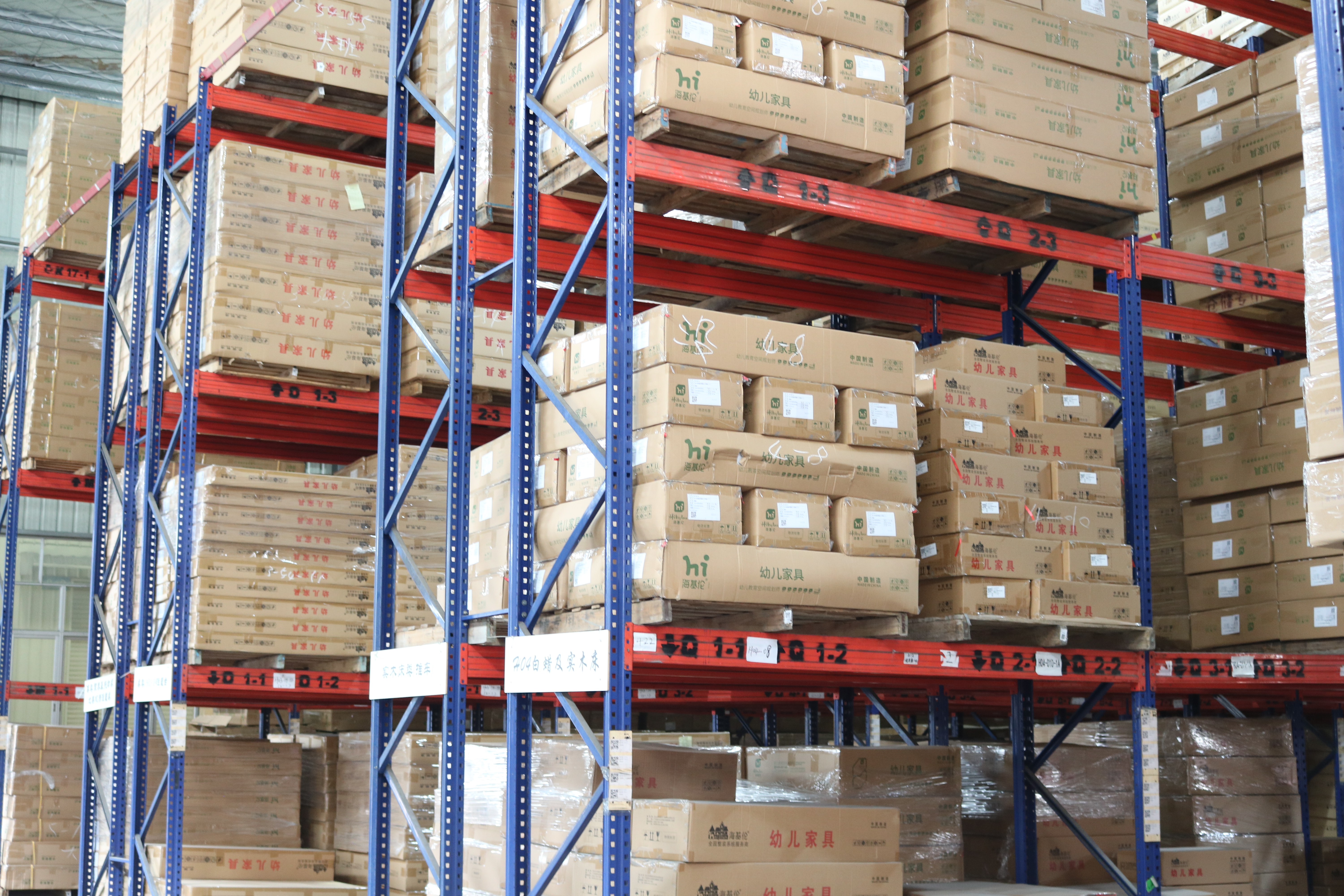
Hikeylove Your Partner in Getting It There Smoothly: A Look at Our Logistics & Care

24

Dec

Hikeylove Your Partner in Getting It There Smoothly: A Look at Our Logistics & Care

View More
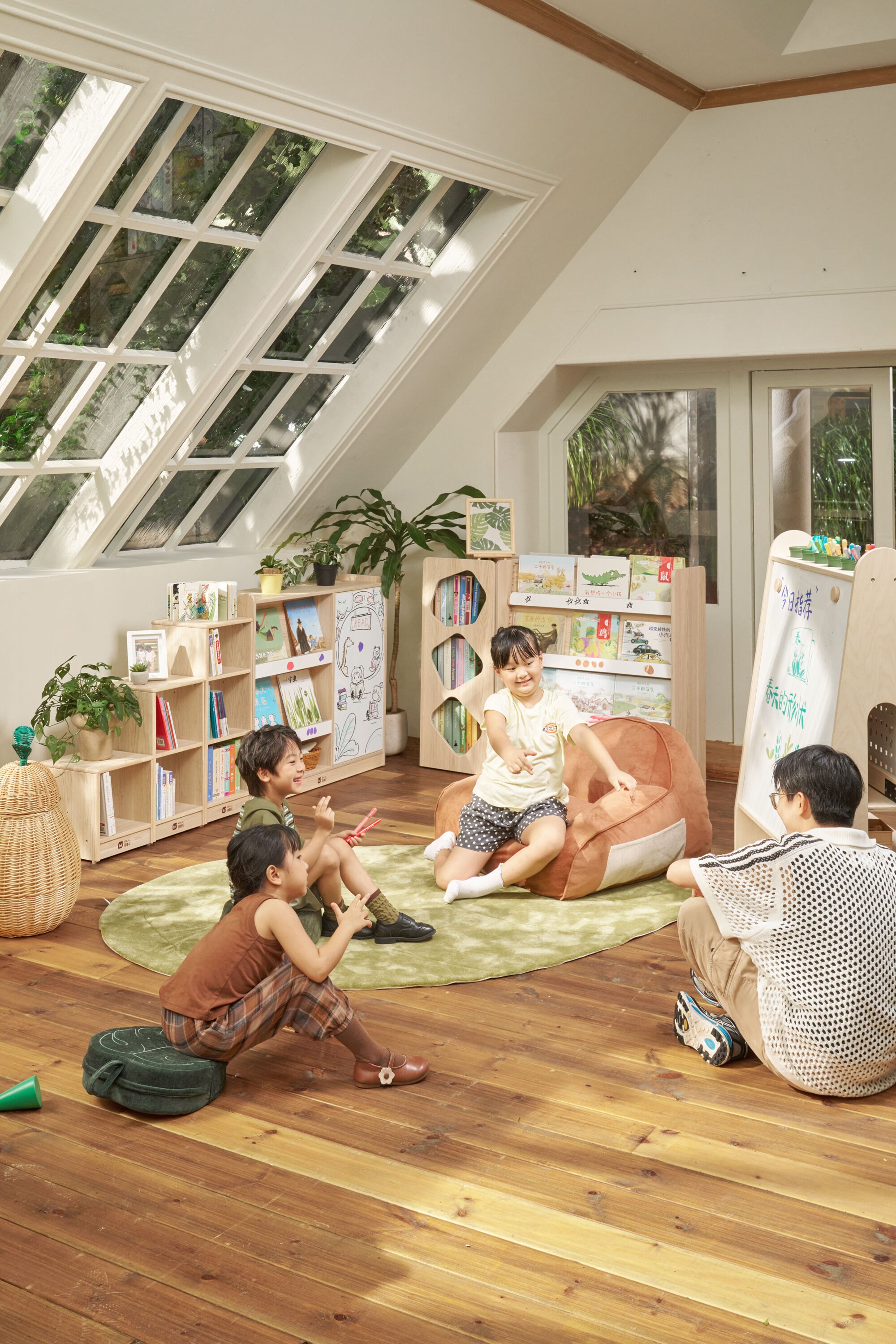
Beyond Bookshelves: Crafting a Preschool Reading Nook That Inspires Young Minds

26

Dec

Beyond Bookshelves: Crafting a Preschool Reading Nook That Inspires Young Minds

View More
The Hikeylove Story: 25 Years of Crafting Spaces for Childhood.

03

Jan

The Hikeylove Story: 25 Years of Crafting Spaces for Childhood.

View More
How to Design a Calming and Effective Preschool Reading Corner: A Guide from Hikeylove

04

Jan

How to Design a Calming and Effective Preschool Reading Corner: A Guide from Hikeylove

View More

Get a Free Quote

Our representative will contact you soon.
Email
Name
Company Name
Mobile/WhatsApp
Message
0/1000

childrens furniture

Advanced Safety Engineering and Child-Centric Design

Advanced Safety Engineering and Child-Centric Design

The cornerstone of exceptional childrens furniture lies in its revolutionary safety engineering that goes far beyond basic safety standards to create protective environments where children can explore and grow with confidence. Modern childrens furniture incorporates multi-layered safety systems including proprietary soft-edge technology that eliminates dangerous sharp corners through carefully rounded profiles and impact-absorbing materials. These design innovations significantly reduce the risk of cuts, bruises, and serious injuries that commonly occur with standard furniture during active play and daily activities. Anti-tip mechanisms represent another crucial safety advancement, utilizing precision-engineered weight distribution systems and secure anchoring methods that prevent furniture from tipping over even under extreme circumstances. This technology provides parents with invaluable peace of mind while encouraging children to develop independence and confidence in their personal spaces. The implementation of non-toxic finishing systems addresses growing health concerns by eliminating harmful chemicals and volatile organic compounds that can negatively impact indoor air quality and child development. These environmentally responsible finishes undergo rigorous testing to ensure they meet or exceed international safety standards while maintaining attractive appearances and durability. Child-centric design principles extend to hardware selection, with specially designed handles and knobs that fit small hands comfortably while promoting proper grip development and fine motor skills. Height considerations ensure that children can safely access their furniture without requiring adult assistance, fostering independence and self-reliance. The integration of visual safety cues, such as color-coded edges and intuitive design elements, helps children understand proper usage while developing spatial awareness and safety consciousness. Manufacturing processes for childrens furniture employ enhanced quality control measures that include multiple inspection points and stress testing to identify potential safety hazards before products reach consumers. This comprehensive approach to safety engineering demonstrates the furniture industry's commitment to protecting children while enabling them to enjoy functional, beautiful furniture designed specifically for their unique needs and developmental stages.
Growth-Adaptive Technology and Long-Term Value

Growth-Adaptive Technology and Long-Term Value

Revolutionary growth-adaptive technology distinguishes premium childrens furniture by providing unprecedented flexibility and long-term value through innovative adjustment mechanisms that accommodate children from toddlerhood through their teenage years. This cutting-edge approach eliminates the traditional need for multiple furniture purchases as children grow, representing both significant cost savings and environmental responsibility. Height-adjustable desk systems utilize precision engineering to offer seamless transitions between multiple height settings, ensuring optimal ergonomic positioning for children of varying ages and sizes. These sophisticated adjustment mechanisms feature smooth operation that children can safely manage independently, promoting self-sufficiency while maintaining proper posture during homework and creative activities. Expandable bed systems showcase remarkable engineering innovation by incorporating telescoping frames and modular components that transform compact toddler beds into full-size sleeping solutions. This adaptability addresses the common challenge of limited space in children's bedrooms while providing comfortable sleeping arrangements throughout various growth stages. The expansion process utilizes tool-free assembly methods that allow parents to reconfigure furniture quickly and easily as needs evolve. Modular storage solutions represent another breakthrough in adaptive design, featuring interchangeable components that can be rearranged to create customized organizational systems. These flexible storage options grow with changing interests and possessions, from toy storage in early years to book and supply organization during school years. The modular approach encourages children to participate in organizing their spaces, developing important life skills while maintaining tidy environments. Investment value calculations demonstrate that growth-adaptive childrens furniture provides exceptional return on investment by eliminating the need for multiple replacement purchases. Quality construction ensures that adjusted furniture maintains structural integrity and aesthetic appeal throughout extended use periods. The environmental benefits of growth-adaptive technology include reduced waste generation and lower resource consumption compared to traditional replacement cycles. This sustainable approach aligns with growing consumer awareness of environmental responsibility while delivering practical benefits for families. Manufacturing innovations continue to advance growth-adaptive technology through improved materials, enhanced adjustment mechanisms, and expanded customization options that meet diverse family needs and preferences.
Educational Integration and Developmental Support

Educational Integration and Developmental Support

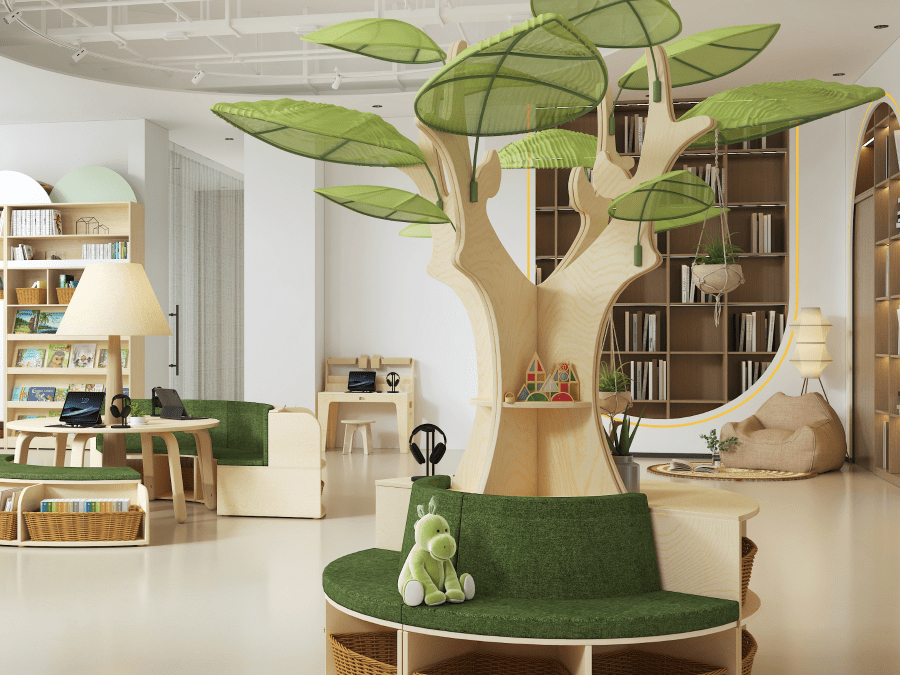
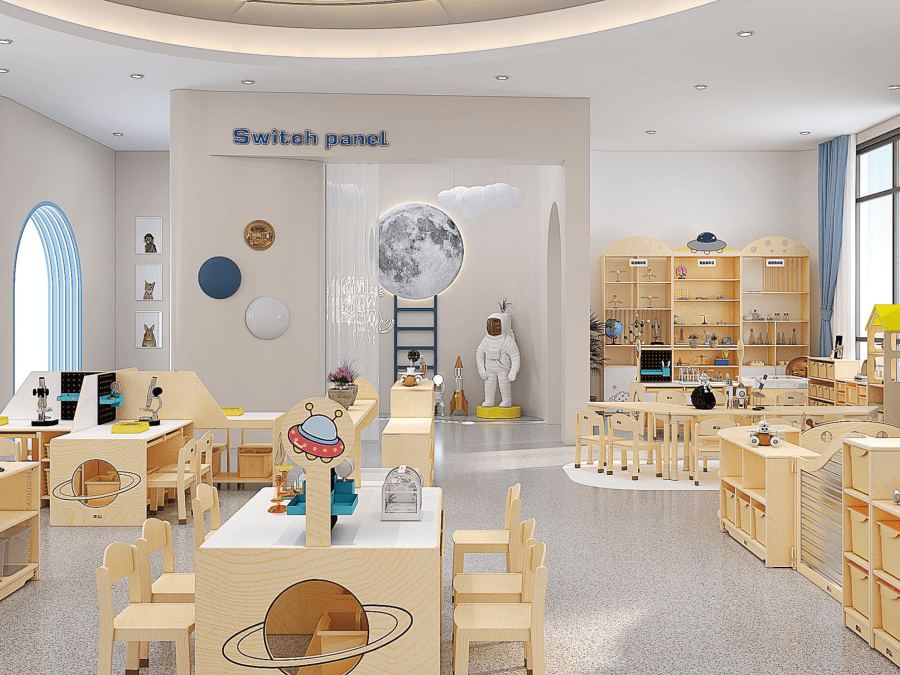
Forward-thinking childrens furniture design now incorporates sophisticated educational integration features that transform everyday furniture into powerful learning tools that support cognitive development, creativity, and academic achievement. This innovative approach recognizes that children learn continuously through their environment, making furniture an essential component of educational development rather than simply functional objects. Interactive learning surfaces embedded within desk tops and table surfaces feature dry-erase capabilities, allowing children to practice writing, drawing, and problem-solving directly on their furniture. These surfaces encourage spontaneous learning moments and creative expression while maintaining easy cleanup for busy parents. Alphabet and number engravings strategically placed on furniture edges and surfaces provide constant exposure to fundamental educational concepts, reinforcing learning through daily interaction. Color-coding systems integrated throughout furniture designs teach organizational skills while supporting visual learning preferences. These systematic color applications help children categorize belongings, understand spatial relationships, and develop logical thinking patterns that benefit academic performance. Built-in book displays and reading nooks create dedicated spaces that encourage literacy development and foster lifelong reading habits. Strategic lighting integration ensures optimal reading conditions while creating inviting atmospheres that make learning activities more appealing to young minds. STEM learning support emerges through furniture designs that incorporate basic engineering principles, geometric patterns, and construction concepts that introduce children to science and mathematics through hands-on experience. Assembly processes that allow age-appropriate child participation teach problem-solving skills and spatial reasoning while building confidence in technical abilities. Organizational systems built into childrens furniture teach responsibility and time management skills through designated spaces for specific items and activities. These structured approaches help children develop executive functioning skills that prove essential for academic success and personal development. Social development benefits from furniture arrangements that facilitate both independent work and collaborative activities, teaching children how to balance solitary focus with group interaction. Technology integration includes cable management systems and device charging stations that introduce children to responsible technology use while maintaining organized learning environments. The psychological benefits of educational childrens furniture include increased engagement with learning activities, improved focus during study time, and enhanced sense of ownership over educational achievements. Research demonstrates that children who use educationally integrated furniture show improved academic performance and greater enthusiasm for learning activities compared to those using standard furniture options.

Get a Free Quote

Our representative will contact you soon.
Email
Name
Company Name
Mobile/WhatsApp
Message
0/1000