Premium Childcare Furniture - Safe, Ergonomic & Modular Solutions for Early Learning Centers

Get a Free Quote

Our representative will contact you soon.
Email
Name
Company Name
Mobile/WhatsApp
Message
0/1000

childcare furniture

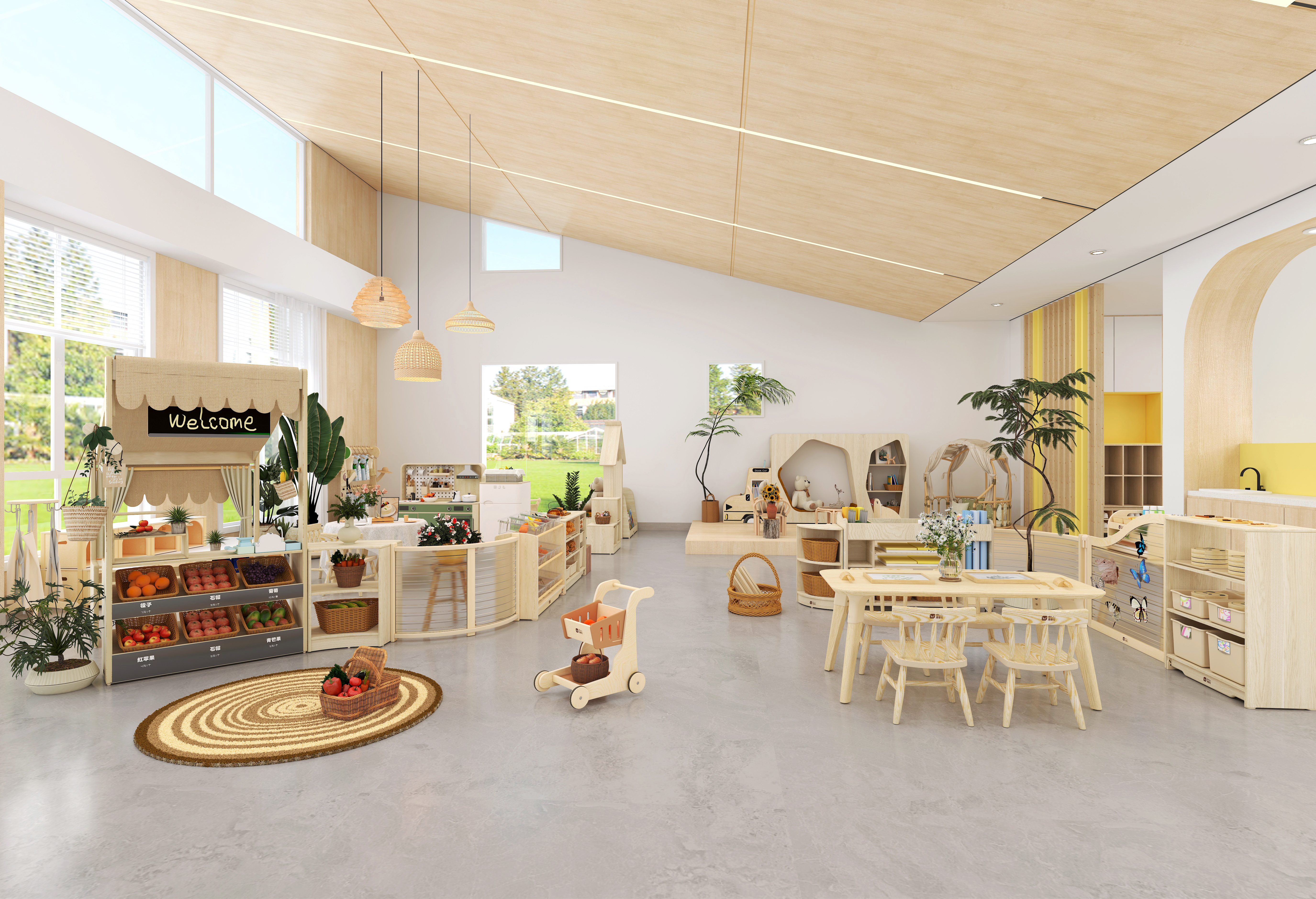
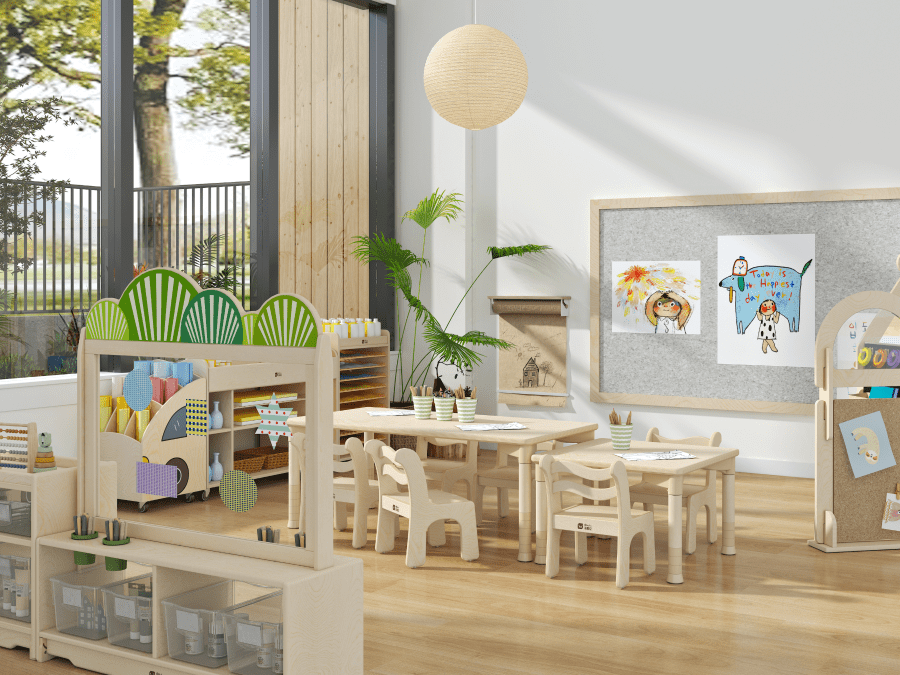
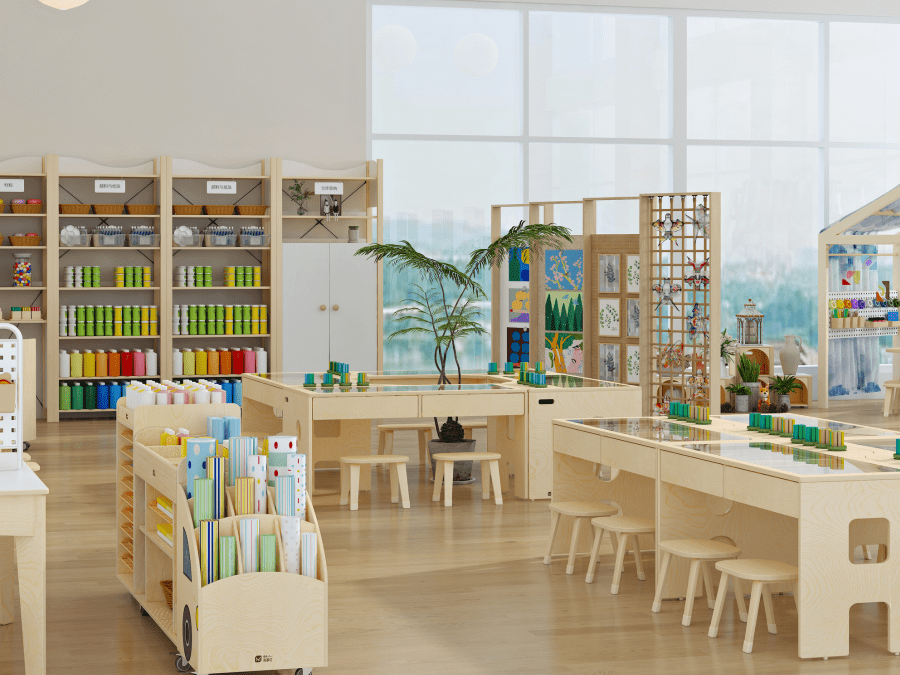
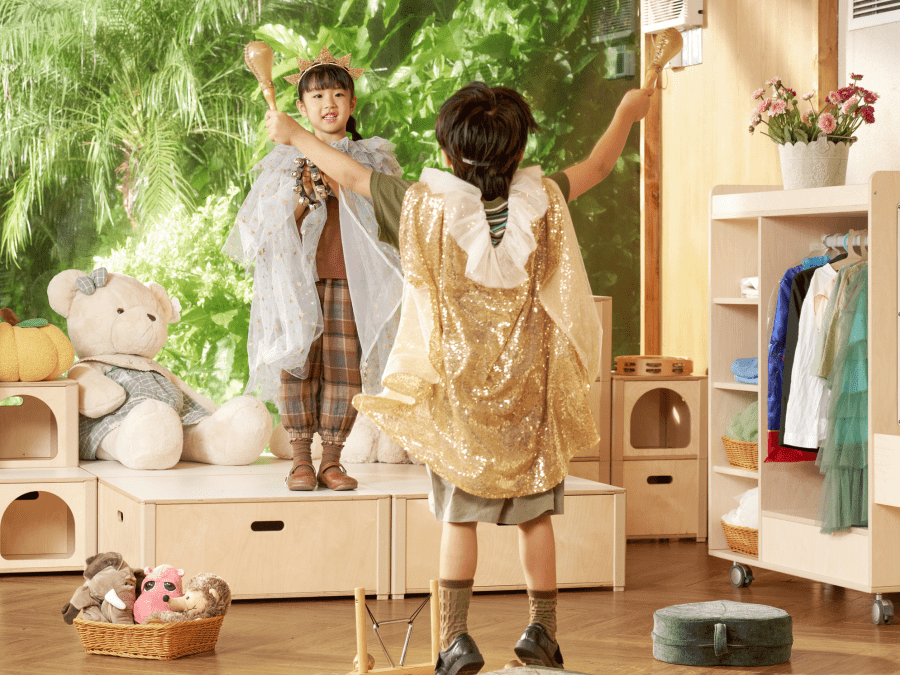
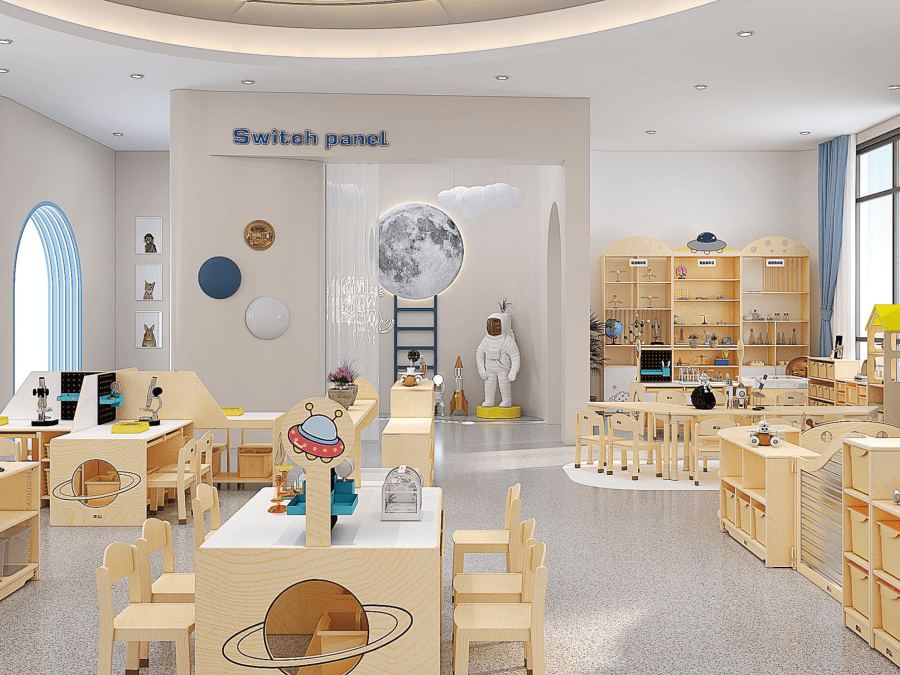
Childcare furniture represents a specialized category of furnishings designed specifically to meet the unique needs of children in educational and care environments. This essential equipment encompasses a wide range of items including tables, chairs, storage units, sleeping cots, cubbies, and activity stations that create safe, comfortable, and developmentally appropriate spaces for young learners. Modern childcare furniture incorporates advanced safety features such as rounded corners, non-toxic finishes, and anti-tip mechanisms to ensure maximum protection for active children. The furniture is constructed using durable materials like high-grade plastics, solid wood, and reinforced metal components that withstand daily use in busy childcare settings. Height-adjustable mechanisms allow furniture to grow with children, providing ergonomic support across different age groups from toddlers to school-age children. Many pieces feature antimicrobial surfaces and easy-to-clean materials that maintain hygiene standards essential in childcare environments. The furniture applications extend across various settings including daycare centers, preschools, kindergartens, after-school programs, and home-based childcare facilities. Technological innovations have introduced smart storage solutions with color-coded systems, modular designs for flexible space configuration, and integrated technology ports for digital learning tools. The furniture supports multiple learning activities through specialized designs like art tables with built-in storage, reading nooks with soft seating, and collaborative workstations that encourage group interaction. Environmental considerations drive the use of sustainable materials and eco-friendly manufacturing processes, ensuring childcare furniture meets green building standards. These furnishings create organized, stimulating environments that promote independence, creativity, and social development while providing caregivers with practical solutions for managing classroom activities and maintaining orderly spaces conducive to learning and growth.
New Products

Childcare furniture offers numerous practical benefits that directly impact the daily operations of care facilities and the development of children. Safety stands as the primary advantage, with specially designed features that minimize injury risks through rounded edges, stable bases, and non-toxic materials that protect curious toddlers and active preschoolers. The durability of professional childcare furniture provides exceptional value through extended service life, reducing replacement costs and maintaining consistent appearance despite heavy daily use by multiple children. Easy maintenance saves significant time and labor costs, as surfaces resist stains, scratches, and wear while requiring only simple cleaning procedures to maintain hygiene standards. The ergonomic design promotes proper posture and physical development by providing appropriately sized seating and work surfaces that support growing bodies and developing motor skills. Flexibility emerges as a key operational benefit, with modular components and adjustable features allowing facilities to reconfigure spaces quickly to accommodate different activities, group sizes, and age ranges throughout the day. Storage integration maximizes space efficiency by incorporating organizational solutions directly into furniture pieces, helping maintain tidy environments while teaching children responsibility and organization skills. Cost-effectiveness becomes apparent through the furniture's multi-functional design, where single pieces serve multiple purposes, reducing the overall quantity of furniture needed while maximizing utility. The professional appearance enhances facility reputation and creates positive first impressions for visiting parents and regulatory inspectors. Childcare furniture supports developmental goals by providing appropriately scaled environments that encourage independence and confidence in young children. The standardized dimensions ensure compatibility with educational materials and activities designed for specific age groups. Weather resistance in outdoor childcare furniture extends usable space and provides year-round durability against environmental elements. The furniture creates defined activity zones that help children understand expectations and transitions while providing caregivers with better supervision capabilities and classroom management tools for maintaining structured, productive learning environments.

Latest News

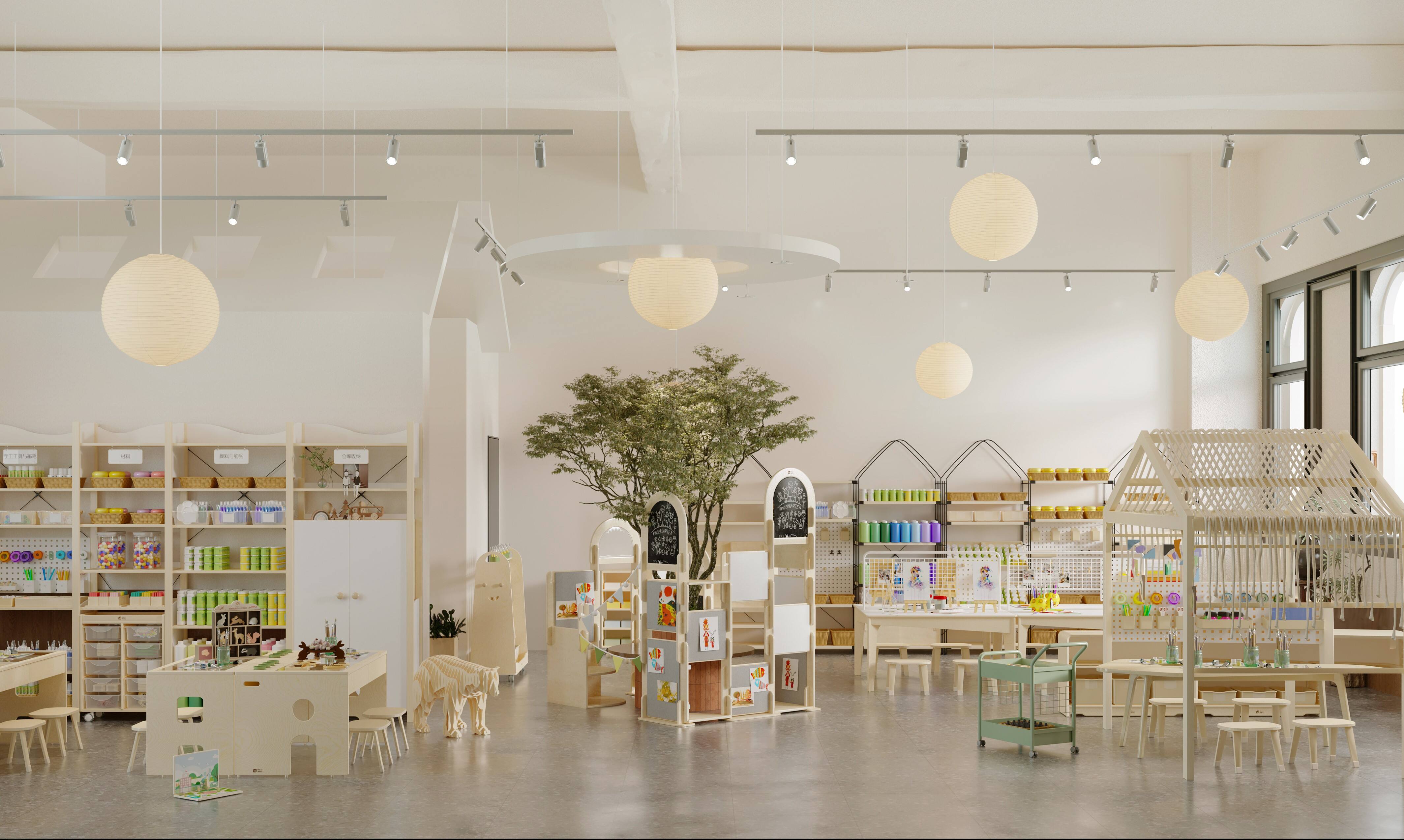
Inside Hikeylove's R&D Lab: Where the Ethos of

09

Dec

Inside Hikeylove's R&D Lab: Where the Ethos of "Quality Companions for Growth" Is Forged

View More
Hikeylove Your Partner in Getting It There Smoothly: A Look at Our Logistics & Care

24

Dec

Hikeylove Your Partner in Getting It There Smoothly: A Look at Our Logistics & Care

View More
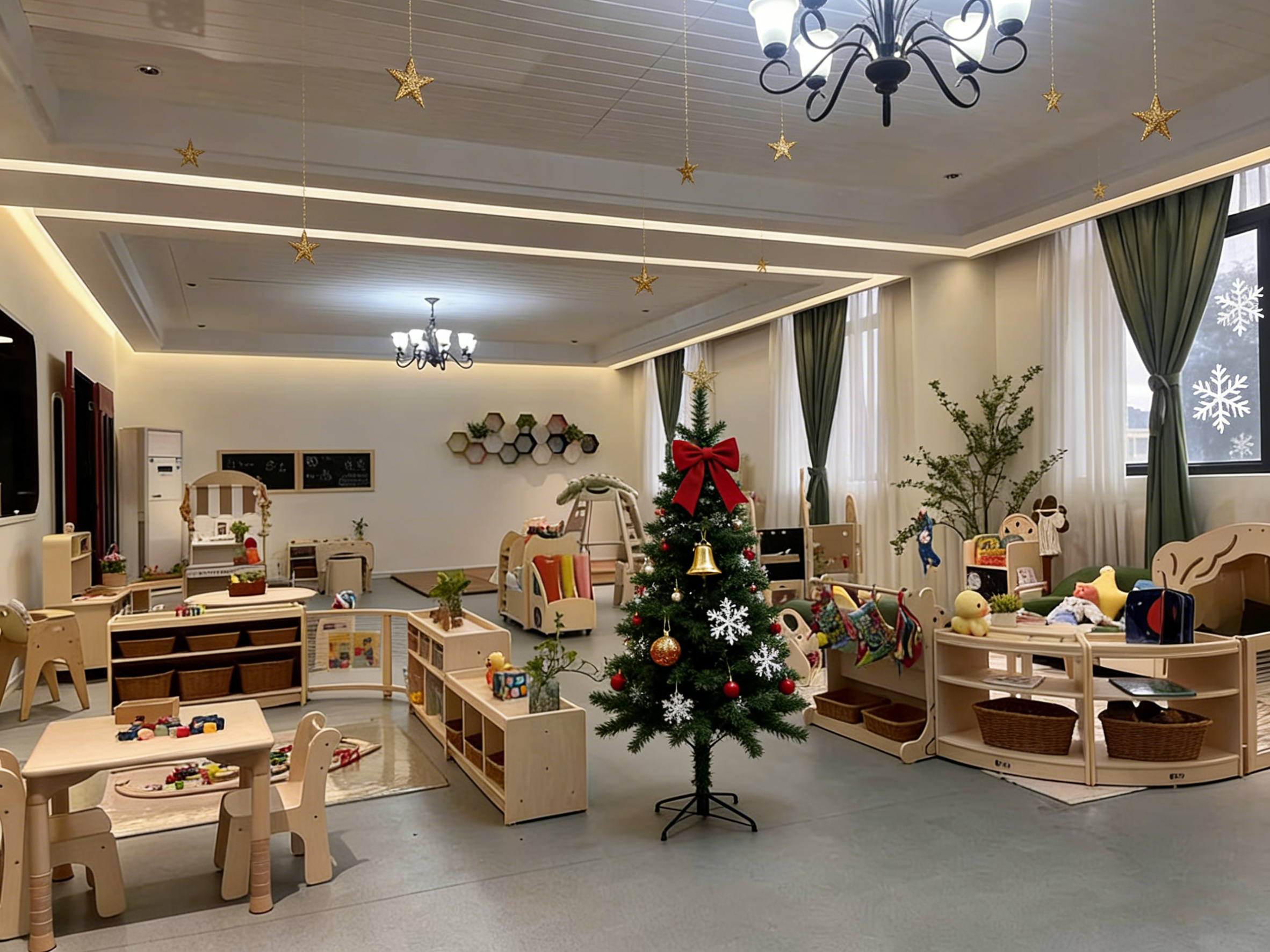
A Festive Journey Through Imagination: Experience Hikeylove's World This Christmas

25

Dec

A Festive Journey Through Imagination: Experience Hikeylove's World This Christmas

A Festive Journey Through Imagination: Experience Hikeylove's World This Christmas
View More
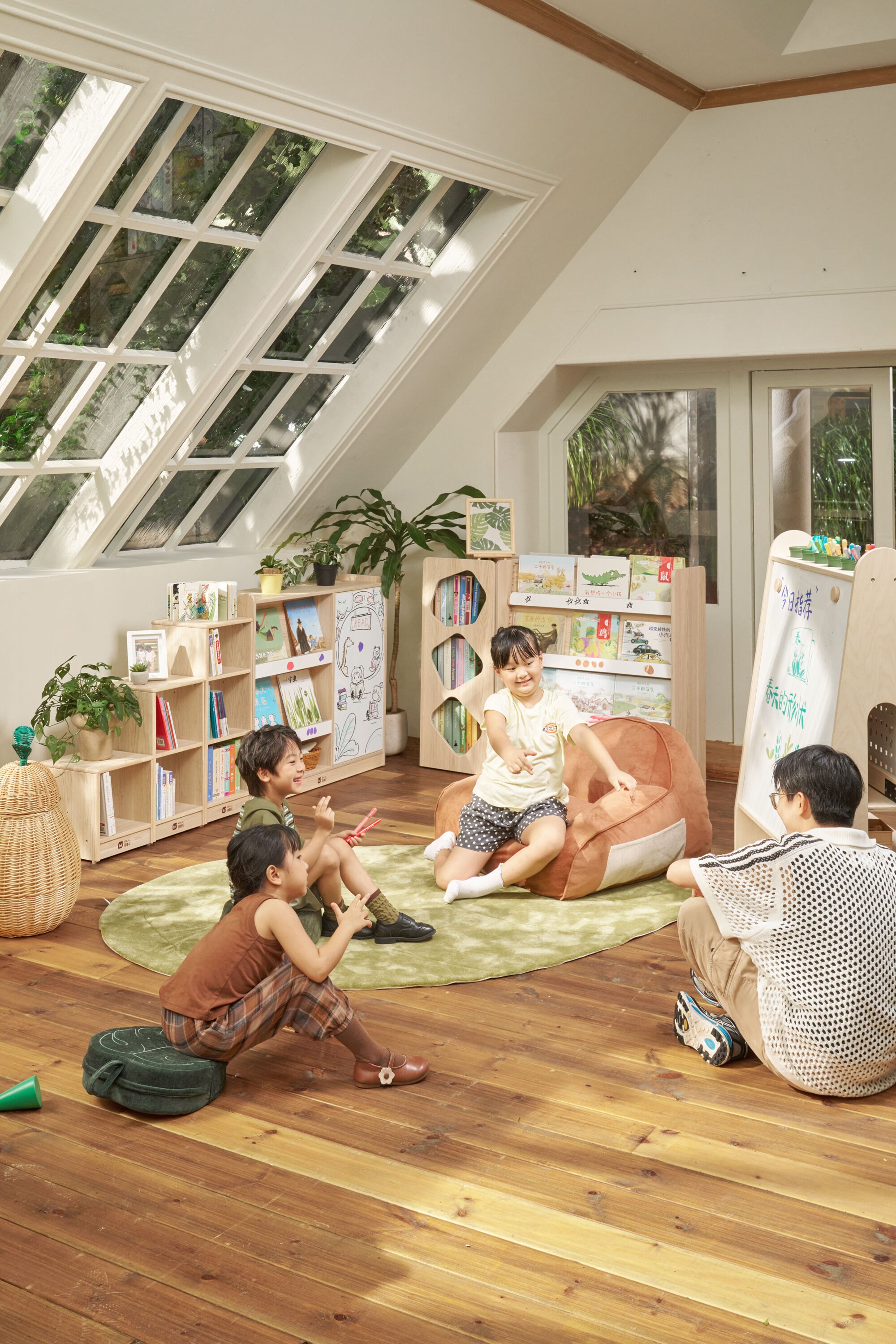
Beyond Bookshelves: Crafting a Preschool Reading Nook That Inspires Young Minds

26

Dec

Beyond Bookshelves: Crafting a Preschool Reading Nook That Inspires Young Minds

View More

Get a Free Quote

Our representative will contact you soon.
Email
Name
Company Name
Mobile/WhatsApp
Message
0/1000

childcare furniture

Advanced Safety Engineering for Complete Child Protection

Advanced Safety Engineering for Complete Child Protection

The most compelling feature of modern childcare furniture lies in its comprehensive safety engineering that addresses every potential hazard children might encounter during their daily activities. This safety-first approach begins with rounded corner technology that eliminates sharp edges through precision manufacturing processes, creating smooth, curved surfaces that prevent cuts and bruises during active play. The furniture incorporates anti-tip mechanisms with weighted bases and low centers of gravity, ensuring stability even when children climb or lean against pieces during exploration. Advanced material selection prioritizes non-toxic, lead-free finishes that meet or exceed all safety regulations, protecting children from harmful chemical exposure through normal use and inevitable mouthing behaviors common in early childhood. The construction utilizes reinforced joints and heavy-duty hardware designed to withstand forces far exceeding typical use, preventing structural failures that could cause injuries. Surface treatments include antimicrobial properties that inhibit bacterial growth, maintaining healthier environments while reducing illness transmission between children. Safety testing protocols exceed industry standards, with each piece undergoing rigorous evaluation for stability, durability, and chemical safety before reaching childcare facilities. The furniture features smooth, seamless construction that eliminates pinch points and trap hazards where small fingers might become caught during normal use. Height specifications ensure age-appropriate scaling that prevents falls and promotes safe independent use. Quality control measures include regular third-party testing and certification from recognized safety organizations, providing peace of mind for administrators, parents, and caregivers. Emergency-friendly design considerations ensure furniture can be quickly moved or reconfigured during evacuations or emergencies. The safety engineering extends to color selection, using bright, visible colors that enhance supervision while avoiding small decorative elements that could present choking hazards. This comprehensive approach to safety creates environments where children can explore, learn, and develop confidently while minimizing risks and liability concerns for childcare providers.
Ergonomic Design Supporting Optimal Child Development

Ergonomic Design Supporting Optimal Child Development

Childcare furniture excels in promoting healthy physical development through scientifically designed ergonomic features that support growing bodies and developing motor skills across all age groups. The furniture incorporates precise anthropometric measurements based on extensive child development research, ensuring seating heights, table dimensions, and support angles align perfectly with children's natural proportions and postural needs. Adjustable height mechanisms allow single pieces to accommodate multiple age groups simultaneously, providing proper ergonomic support as children grow while maximizing facility investment value. The seating design promotes active sitting through carefully calculated seat depths and back angles that encourage proper spinal alignment while allowing natural movement and position changes throughout activities. Table heights coordinate precisely with seating to maintain optimal arm and shoulder positioning during fine motor activities like writing, drawing, and manipulative play. The furniture supports bilateral coordination development through strategically placed armrests and work surfaces that encourage cross-body movements essential for brain development. Footrest integration ensures proper leg support for shorter children, preventing circulation restriction and promoting comfort during extended sitting periods. The design accommodates children with varying physical abilities through inclusive features that support diverse needs without stigmatization. Surface texturing provides appropriate tactile feedback that supports sensory development while maintaining easy cleaning requirements. The furniture encourages proper lifting techniques through thoughtful weight distribution and grip placement, teaching safe movement patterns from early ages. Stability features prevent wobbling and sliding, allowing children to focus on learning activities without furniture distractions. The ergonomic considerations extend to caregiver needs, with heights and access points that reduce strain during supervision and assistance activities. Color psychology integration uses research-based color selections that promote calm focus while stimulating appropriate energy levels for different activities. This comprehensive ergonomic approach ensures childcare furniture actively contributes to healthy physical development while creating comfortable, supportive environments that enhance learning outcomes and reduce fatigue for both children and caregivers.
Versatile Modular Systems Maximizing Space Efficiency

Versatile Modular Systems Maximizing Space Efficiency

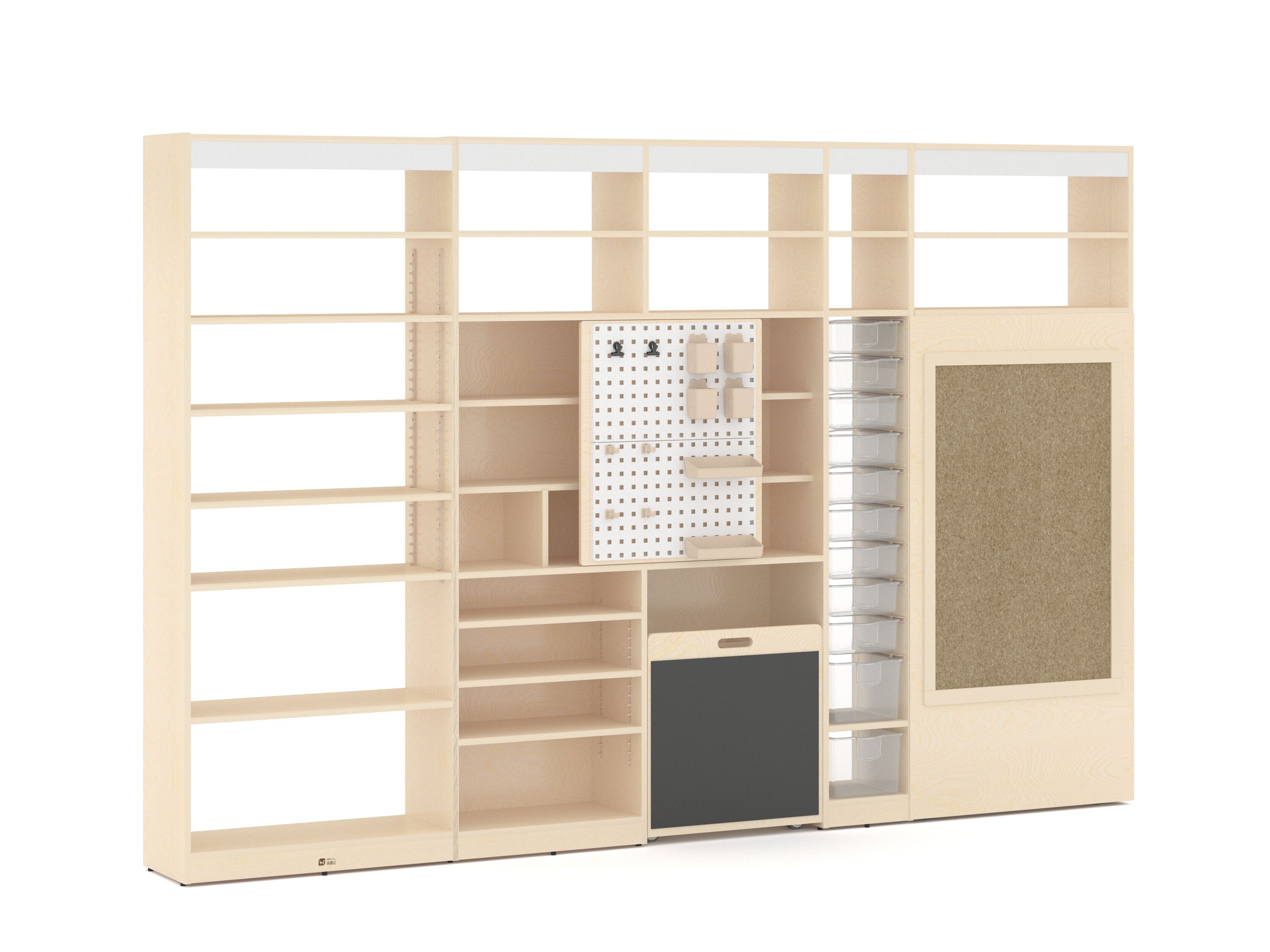
The modular design philosophy of contemporary childcare furniture creates unprecedented flexibility for space utilization and activity programming in modern care facilities. These innovative systems feature interchangeable components that connect seamlessly through standardized joining mechanisms, allowing administrators to reconfigure environments quickly based on changing needs, enrollment fluctuations, or activity requirements. The modular approach maximizes square footage efficiency by eliminating wasted space between fixed furniture pieces, instead creating continuous, adaptable surfaces that serve multiple functions throughout the day. Storage integration within modular systems provides organized solutions for toys, supplies, and personal belongings while maintaining clean, uncluttered appearances that support focused learning. The flexibility extends to age group transitions, where furniture configurations adapt instantly to accommodate different developmental stages without requiring complete room makeovers or significant additional investments. Seasonal adaptability allows facilities to transform spaces for special events, holiday celebrations, or curriculum themes through simple rearrangement of modular components. The system supports diverse learning styles by creating distinct zones for quiet reading, active play, artistic expression, and collaborative projects within single rooms. Traffic flow optimization becomes possible through strategic placement of modular elements that guide movement patterns while maintaining supervision sight lines for caregivers. The furniture accommodates varying group sizes from individual work to large group activities through quick reconfiguration capabilities that require minimal staff time and effort. Technology integration features within modular systems provide power access and device storage for modern digital learning tools without permanent installation requirements. The standardized dimensions ensure compatibility with educational materials and equipment designed for specific age groups while maintaining aesthetic consistency across entire facilities. Inventory management simplifies through standardized components that serve multiple purposes, reducing storage requirements and replacement complexity. The modular approach supports growth and adaptation as facilities expand or modify their programs, with existing furniture pieces remaining useful in new configurations. This comprehensive modularity transforms traditional static childcare environments into dynamic, responsive spaces that evolve with changing needs while maximizing both functionality and investment value for childcare providers.

Get a Free Quote

Our representative will contact you soon.
Email
Name
Company Name
Mobile/WhatsApp
Message
0/1000