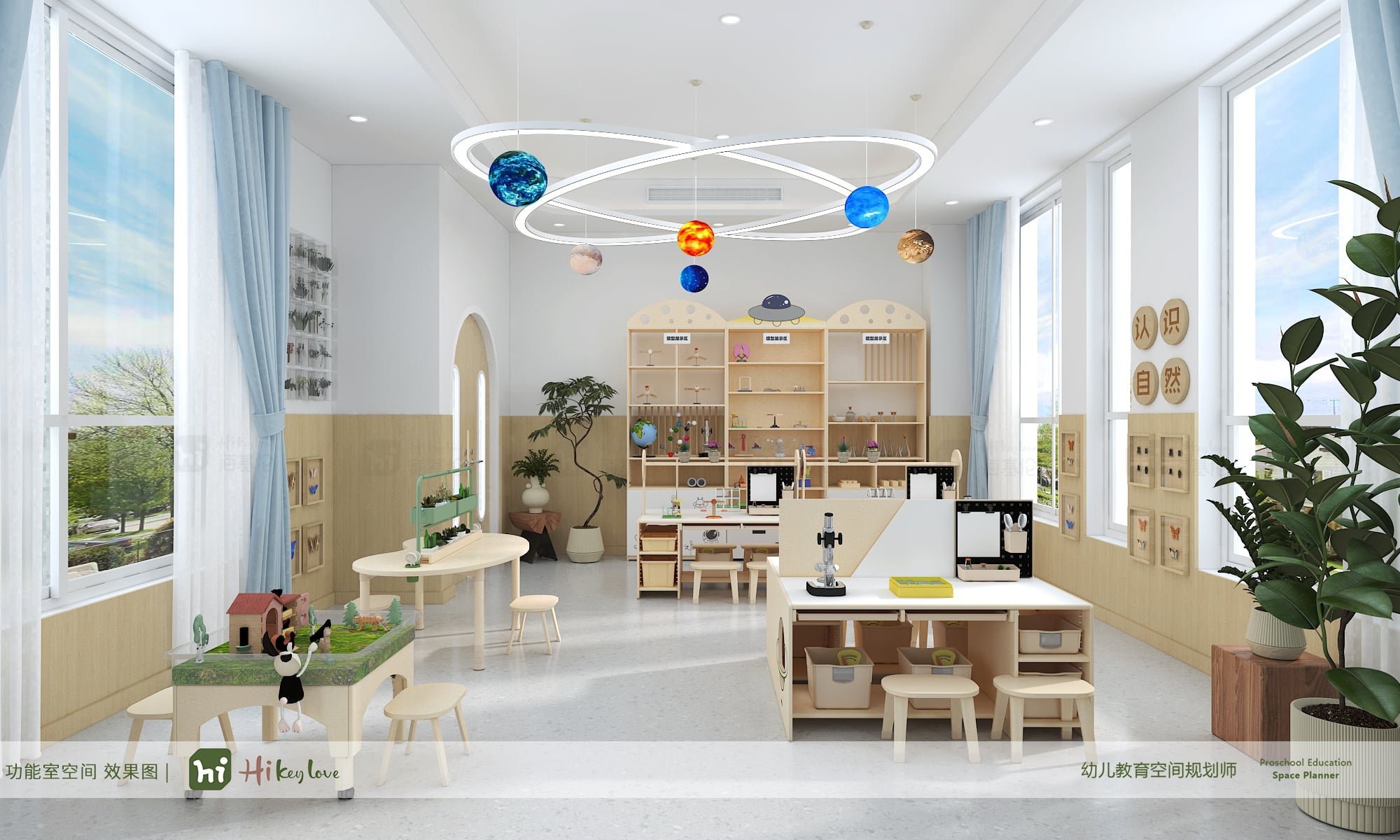
The concept of the 'prepared environment' sits at the heart of Montessori education, and Montessori furniture is one of its most essential physical expressions. When Maria Montessori developed her educational philosophy, she understood that a child's surroundings are not merely decorative — they are active teachers. Every chair, table, shelf, and workspace in a Montessori setting is deliberately chosen to match the physical scale, strength, and developmental stage of the child who uses it. Montessori furniture is not a stylistic preference; it is a pedagogical tool.
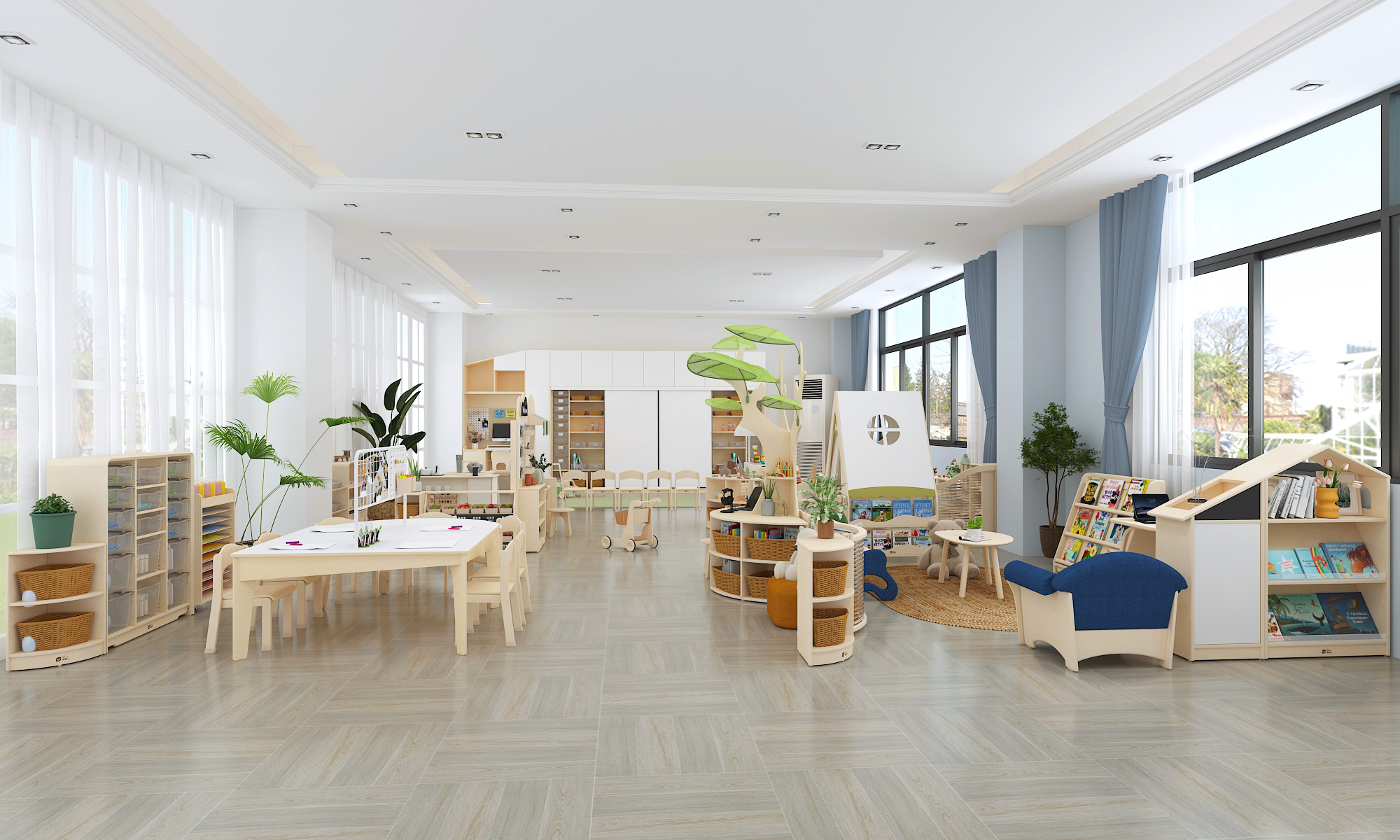
Understanding why Montessori furniture is fundamental requires us to look closely at what the prepared environment actually means, what it demands from physical space, and how child-sized Montessori furniture enables children to develop independence, concentration, and self-confidence. Every design decision behind quality Montessori furniture connects directly to observable outcomes in a child's growth. This article explores those connections in depth, offering practical insight for educators and parents who are creating or improving a Montessori learning space.
The Prepared Environment and the Role of Scale
Why Physical Scale Matters in Montessori Philosophy
In Montessori philosophy, the prepared environment is a thoughtfully arranged space that invites independent exploration. Montessori furniture plays a defining role in this arrangement because the scale of each piece communicates directly to the child. When a child can pull out a chair, sit comfortably, and place both feet flat on the floor without adult assistance, the environment is speaking the child's language. Montessori furniture that is correctly proportioned removes the physical barriers that would otherwise cause a child to depend on an adult for basic spatial navigation. This removal of unnecessary dependency is central to the Montessori method.
Adult-sized furniture, by contrast, creates an environment of disempowerment. A child struggling to climb onto an oversized chair or reaching awkwardly across a tall table cannot focus on learning — the physical effort itself becomes the obstacle. Montessori furniture eliminates that obstacle entirely. Each piece of Montessori furniture is scaled to the child's body so that physical movement feels natural, controlled, and purposeful. This is not a small detail; it is a foundational requirement of the prepared environment.
Montessori Furniture as an Invitation to Engage
Well-designed Montessori furniture also functions as a quiet invitation. Low open shelves filled with accessible materials invite a child to select, carry, and return items independently. A small work table at the correct height invites focused, sustained activity. Montessori furniture communicates freedom within structure — the child is free to move, choose, and engage, but the furniture itself guides orderly, purposeful behavior. This is why the physical characteristics of Montessori furniture, including height, weight, material, and simplicity of design, are never arbitrary choices.
Independence and Motor Development Through Montessori Furniture
How Child-Sized Furniture Builds Practical Independence
One of the most visible benefits of Montessori furniture is the way it cultivates genuine independence in daily routines. When children can sit, stand, push, and carry their own furniture without strain, they naturally begin managing their environment. A child who can move a light Montessori chair across the room to work near a window has made an autonomous spatial decision. Montessori furniture is typically designed with this maneuverability in mind — lightweight frames, smooth edges, and proportionate dimensions all support a child's ability to self-manage within the space. These repeated acts of independence build self-efficacy over time.
Montessori furniture also supports fine and gross motor development in indirect but consistent ways. Carrying a small tray from a low shelf to a work table, pulling out a correctly sized drawer, or placing a chair precisely at a table all involve motor coordination that larger furniture would make impossible or clumsy. Montessori furniture turns ordinary classroom movements into subtle motor exercises, reinforcing physical skill without formal instruction. This embedded physical challenge is a hallmark of how the prepared environment works as a whole learning system.
Concentration and Order Supported by Montessori Furniture
Montessori observed that children have a deep, innate sensitivity to order during their early years. Montessori furniture supports this sensitivity by being consistent, predictable, and logically arranged. When every piece of Montessori furniture has a fixed place and children can independently maintain that order, the environment becomes a source of calm and security rather than confusion. A tidy, well-organized space furnished with appropriate Montessori furniture directly supports the long concentration cycles that Montessori education is known for developing. Disorder in the physical environment, or furniture that is too large or heavy to manage, disrupts those cycles.
Designing a Prepared Environment with Montessori Furniture
Key Characteristics of Effective Montessori Furniture
Not all child-friendly furniture qualifies as Montessori furniture. Genuine Montessori furniture tends to share specific characteristics: it is sized precisely for the age group it serves, made from natural materials where possible, free of unnecessary decoration, durable enough for daily independent use, and designed to encourage self-correction and self-management. Montessori furniture avoids bright plastic construction that prioritizes visual appeal over functional purpose. The simplicity of authentic Montessori furniture is itself a design principle — it keeps the child's attention on the work and materials rather than on the furniture itself.
Montessori furniture also needs to be adaptable across different activity types. Low work tables serve individual and small-group tasks. Open shelves organize and display materials accessibly. Small chairs support both table work and floor-level reading areas. Together, these pieces of Montessori furniture create a coherent spatial grammar that children quickly learn to navigate and trust. When the environment is consistent and purposeful, children spend less cognitive energy managing space and more energy engaging with ideas.
Montessori Furniture in Home Environments
The principles of Montessori furniture extend well beyond formal classrooms. Many families are creating Montessori-inspired spaces at home by replacing oversized or adult-proportioned furniture with appropriately scaled Montessori furniture. A low bed, a child-height wardrobe, a small table and chair set — these are straightforward applications of the same philosophy. Montessori furniture in the home tells a child that this space was designed with them in mind, reinforcing autonomy from the earliest years. Parents who invest in quality Montessori furniture often observe faster development of self-care routines, tidying habits, and focused independent play.
FAQ
What age range is Montessori furniture designed for?
Montessori furniture is typically designed for children from infancy through early primary school years, roughly ages 0 to 9. Different size ranges of Montessori furniture correspond to specific developmental stages, ensuring that the proportions remain appropriate as a child grows. Many Montessori furniture providers offer size-specific ranges to match toddler, preschool, and lower elementary environments precisely.
Can Montessori furniture be used outside of a formal Montessori school?
Absolutely. Montessori furniture is equally effective in home environments, childcare centers, and play-based learning spaces that are not formally accredited Montessori programs. The core purpose of Montessori furniture — enabling child independence through appropriate physical scale — applies in any setting where children need an environment that respects their size and capabilities. Many families incorporate Montessori furniture into specific rooms or activity corners without redesigning their entire home.
Does the material of Montessori furniture affect its educational value?
Yes, material choice matters in Montessori furniture selection. Natural wood is widely preferred in authentic Montessori furniture because it is durable, tactilely pleasant, and visually calm. Wood also ages well and resists the visual overstimulation associated with brightly colored plastic furniture. That said, the most critical factors in Montessori furniture remain correct sizing, accessibility, and ease of independent use by the child. A well-proportioned piece of Montessori furniture in any safe, durable material will serve the prepared environment better than a visually attractive but impractically scaled alternative.
