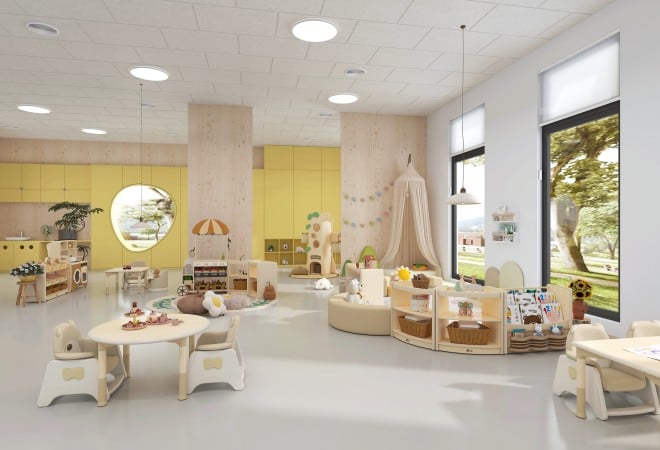
There is a quiet elegance to a well-designed child's room that prioritizes function, simplicity, and natural beauty all at once. Montessori furniture embodies exactly this philosophy, offering environments where children feel empowered, capable, and at ease. When parents and educators begin sourcing Montessori furniture, they quickly discover that aesthetics and developmental purpose are not opposites — they are deeply intertwined. Choosing the right pieces means understanding what makes Montessori furniture distinct from conventional children's furnishings.
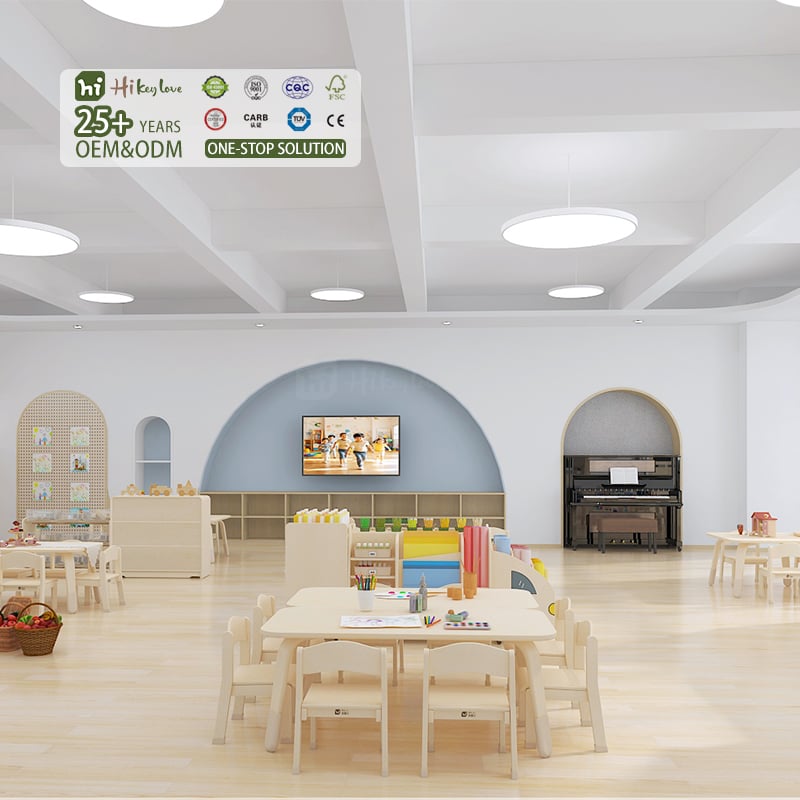
Montessori furniture is built around the principle of child-led independence. Every piece of Montessori furniture is scaled to a child's body, designed to invite exploration, and crafted from materials that feel warm and natural to the touch. Sourcing Montessori furniture thoughtfully means looking beyond trends and instead focusing on materials, proportions, and the learning intent behind each item. This guide explores the core qualities that define great Montessori furniture, where to focus your sourcing attention, and how to evaluate Montessori furniture choices for both beauty and long-term educational value.
The Core Principles Behind Montessori Furniture Design
Child-Sized Proportions and Accessibility
One of the defining characteristics of Montessori furniture is that it is designed entirely around the child's scale. Montessori furniture places shelves, tables, chairs, and storage within reach of a toddler or young child without adult assistance. This proportional design is not merely aesthetic — it is the functional backbone of the Montessori method. When Montessori furniture is correctly sized, children can independently access their materials, tidy their space, and feel genuine ownership over their environment. Well-sourced Montessori furniture respects a child's growing autonomy rather than requiring adult mediation for every task.
Natural Materials as a Design Philosophy
Authentic Montessori furniture is almost always made from natural materials, particularly solid wood. The warmth of wood, its texture, and its visual simplicity align with the Montessori emphasis on sensory richness and calm, uncluttered surroundings. Sourcing Montessori furniture made from sustainably harvested hardwood or beech ensures durability alongside aesthetic harmony. Natural finishes, non-toxic paints, and smooth edges are standard markers of quality Montessori furniture. When evaluating Montessori furniture options, parents should prioritize pieces that are free from synthetic coatings, sharp hardware, or overly bright colors that can overstimulate rather than focus a child's attention.
Aesthetic Simplicity as a Learning Tool
Why Understated Design Matters in Montessori Furniture
The visual simplicity of Montessori furniture is intentional. Montessori furniture avoids decorative excess, cartoon imagery, and cluttered ornamentation because these distractions shift a child's focus away from purposeful activity. Clean lines, natural grain patterns, and neutral tones allow the child — rather than the furniture — to be the center of the room. When sourcing Montessori furniture, buyers should look for designs that complement a variety of interior styles without competing for visual attention. Good Montessori furniture recedes gracefully into the background, creating a calm stage on which children perform independent work and creative play.
Combining Aesthetic Appeal with Functional Longevity
High-quality Montessori furniture is an investment that grows alongside a child. Many well-crafted Montessori furniture pieces are adaptable — a low shelf that holds manipulative toys at age two may later organize books or art supplies for a six-year-old. This longevity is one of the most compelling arguments for sourcing Montessori furniture made from solid natural materials rather than budget composites. Durable Montessori furniture holds its appearance through years of daily use, maintaining that quiet aesthetic integrity that makes Montessori-inspired spaces so visually satisfying. Sourcing Montessori furniture with convertible or modular features further extends its practical life and aesthetic consistency.
Practical Guidance for Sourcing Montessori Furniture
Evaluating Quality and Craftsmanship
When sourcing Montessori furniture, there are clear indicators that separate quality craftsmanship from imitation. Genuine Montessori furniture uses joinery techniques that provide structural stability — dovetail joints, mortise-and-tenon connections, or solid wood dowels are good signs. The finish on quality Montessori furniture should feel smooth and consistent without visible brush marks or chemical odors. Montessori furniture should also be stable enough to resist tipping when a small child pulls on a shelf or uses a piece for support while standing. Safety certifications relevant to children's products add another layer of assurance when selecting Montessori furniture for home or classroom settings.
Matching Montessori Furniture to Your Space and Needs
Sourcing Montessori furniture also requires honest assessment of your specific environment. A compact urban apartment calls for Montessori furniture that maximizes vertical storage while keeping a low visual profile. A spacious playroom might accommodate a full Montessori furniture arrangement including low open shelving, a child's work table, a reading nook bench, and a floor mirror. Identifying which Montessori furniture pieces address your child's current developmental stage helps prioritize purchasing decisions. For toddlers, Montessori furniture centered on floor-level access and gross motor support is especially valuable. For preschool-aged children, Montessori furniture that organizes fine motor activities and creative materials becomes more central.
Budget is also a realistic factor in Montessori furniture sourcing. Prioritizing core pieces of Montessori furniture — such as a low open shelf and a child-sized table-and-chair set — before expanding into supplementary items is a practical approach. Quality Montessori furniture made from natural wood may carry a higher upfront cost, but the durability of genuine Montessori furniture typically makes it more economical over time than repeatedly replacing lower-quality alternatives. Viewing Montessori furniture as a long-term educational investment rather than a decorative purchase reframes the sourcing conversation entirely.
FAQ
What makes furniture qualify as true Montessori furniture?
True Montessori furniture is defined by child-scaled proportions, natural and non-toxic materials, clean aesthetic design, and functional accessibility. Montessori furniture is built to support a child's independence rather than adult convenience, which means every piece should be reachable, usable, and safe for young children without help. Open shelving, low tables, and floor-level beds are common examples of Montessori furniture that meets these criteria.
Is Montessori furniture suitable for standard home interiors?
Yes. The understated aesthetic of Montessori furniture integrates well into most home interior styles, including Scandinavian, minimalist, and natural or organic design themes. Because Montessori furniture favors neutral tones and natural wood finishes, it rarely clashes with existing decor. Many families find that introducing Montessori furniture actually elevates the visual coherence of a child's room by eliminating the visual noise that more colorful or plastic-heavy furnishings create.
How do I know if a seller genuinely offers Montessori furniture?
Evaluating a seller's Montessori furniture requires looking at materials, proportions, and product philosophy rather than just the label. Reputable Montessori furniture sources will describe the wood species, finish type, and dimensions clearly. They will emphasize child accessibility, safety testing, and developmental intent. If a seller positions Montessori furniture primarily by aesthetics without referencing child development principles, it is worth investigating further before purchasing. Reading customer reviews from families who have used the Montessori furniture in real learning environments can also provide valuable insight.
