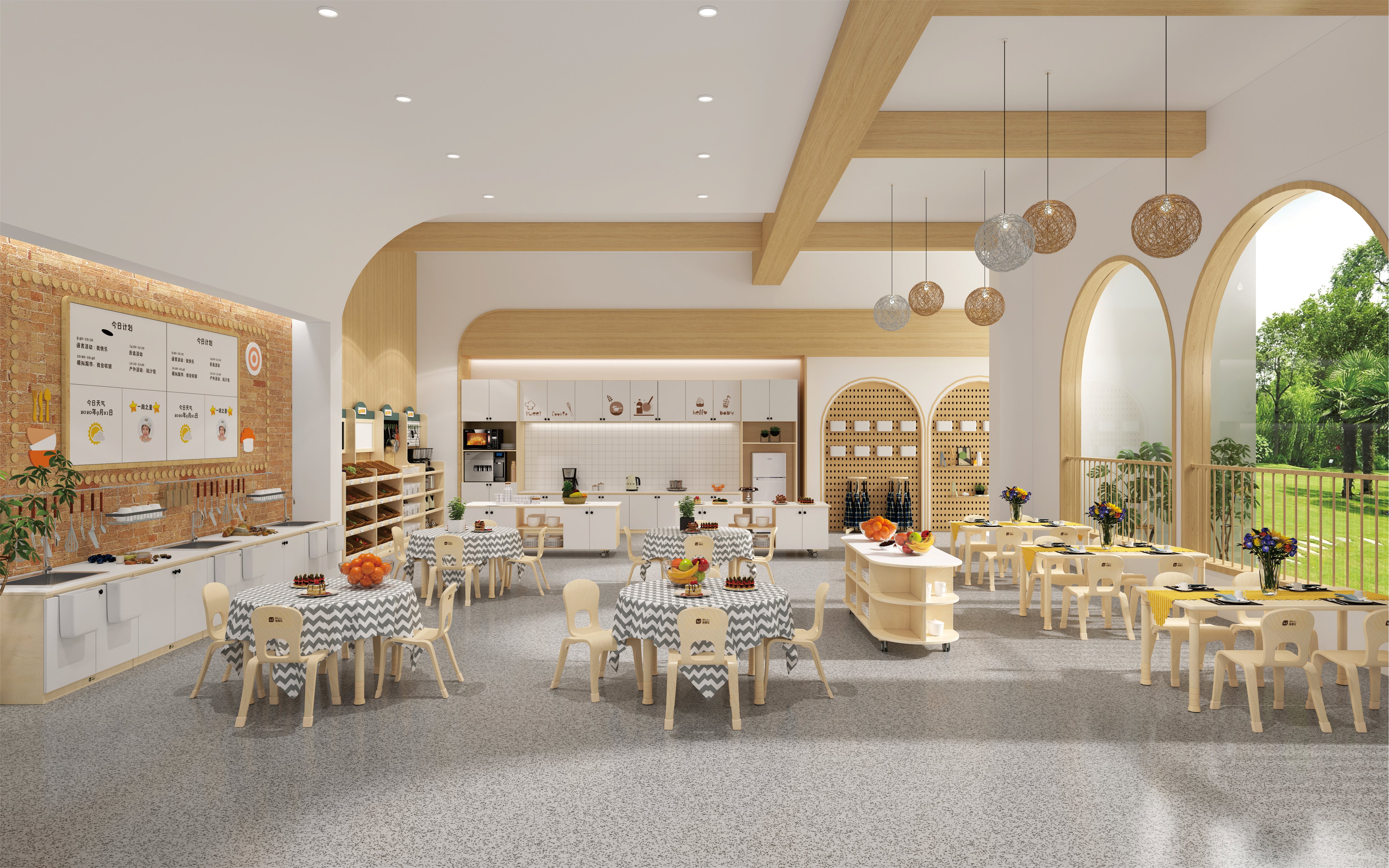
When parents think about creating a space where a child can truly thrive, the physical environment matters far more than many realize. Montessori furniture is specifically designed to place the child at the center of every decision — from the height of a shelf to the weight of a chair. This philosophy holds that when children can access, use, and return objects independently, they develop confidence, self-regulation, and a genuine love of learning. Understanding how Montessori furniture achieves this reveals why it has become a trusted framework for early childhood spaces worldwide.
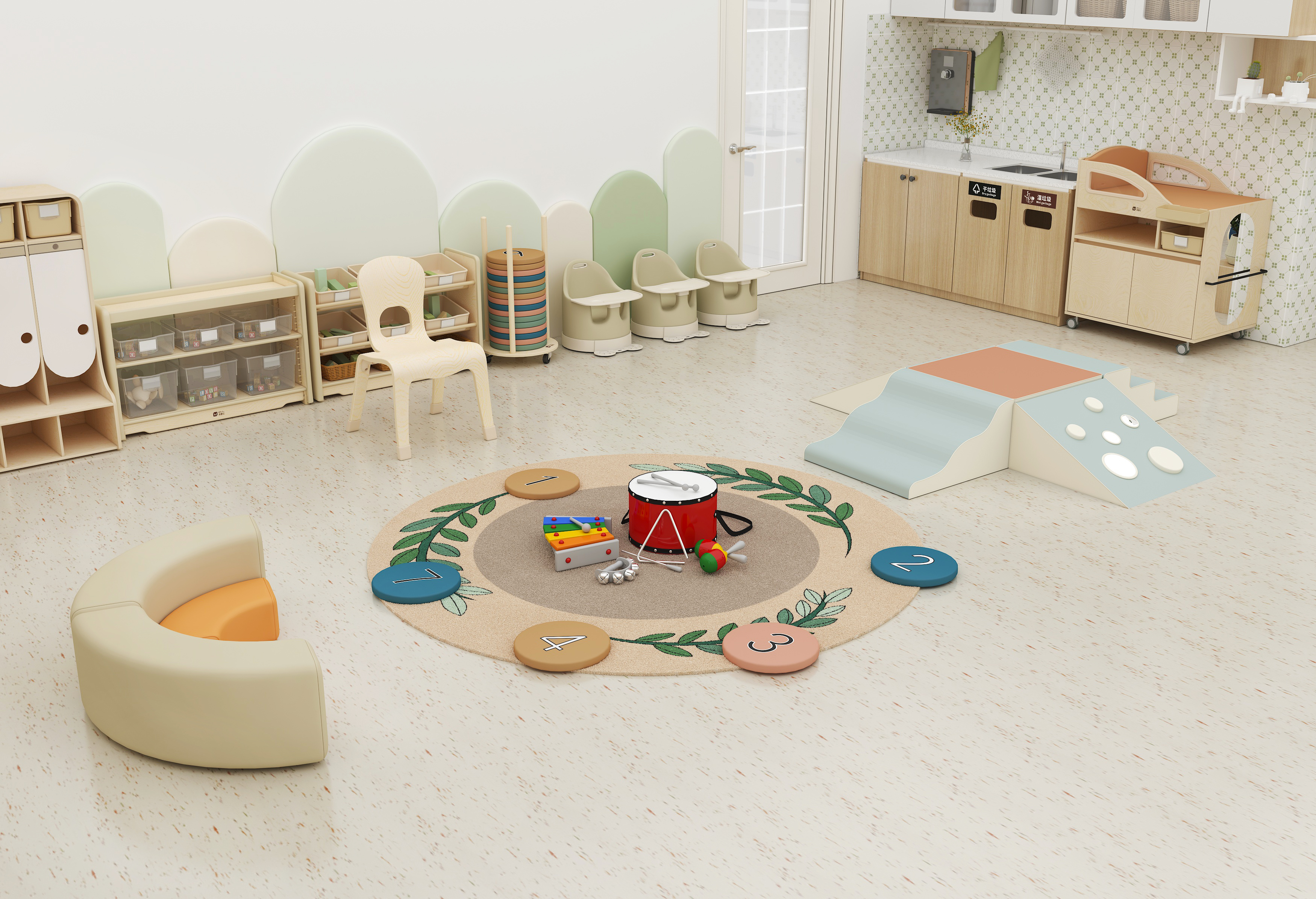
Montessori furniture is not simply scaled-down adult furniture. It is purposefully crafted around the developmental needs of young children — their physical proportions, their motor capabilities, and their growing desire to act without constant adult assistance. Every element of Montessori furniture, from low open shelves to floor-level beds, communicates one clear message to the child: this space belongs to you, and you are capable of navigating it on your own. That message, repeated daily through the environment, becomes a profound driver of independence and inner order.
How Montessori Furniture Builds Independence
Child-Accessible Design as a Daily Practice
The most visible way Montessori furniture fosters independence is through accessibility. When a toddler can reach their own books, retrieve their own materials, and sit down at a table without help, they are not simply being given convenience — they are being given agency. Montessori furniture keeps everything at child height so that the environment itself teaches autonomy. Low shelves, open storage, and child-sized tables are all core features of Montessori furniture that eliminate the constant need to ask an adult for help.
This design approach also reduces frustration. A child who cannot reach their materials may give up or become dependent on adult intervention. Montessori furniture removes that barrier entirely. Over time, a child raised with Montessori furniture develops what educators describe as 'independence of action' — the habit of initiating tasks, completing them, and cleaning up afterward, all without prompting. This is not a behavioral trick but the natural result of an environment designed through Montessori furniture principles.
Empowerment Through Personal Responsibility
Montessori furniture also fosters independence by assigning children real responsibility for their space. Because Montessori furniture is lightweight and manageable, children can move their own chairs, rearrange their work areas, and care for their belongings without adult involvement. This physical empowerment reinforces the belief that children are capable contributors to their environment, not passive recipients of adult-arranged spaces. When a child pushes their own chair under the table after a meal, that small act, made possible by Montessori furniture, builds lifelong habits of care and accountability.
The Role of Montessori Furniture in Creating Inner Order
Predictable Environments and Cognitive Calm
Inner order — the child's internal sense of pattern, sequence, and predictability — is one of the most important concepts in Montessori education. Montessori furniture supports this by creating environments where everything has a defined place. Open shelves in Montessori furniture display materials clearly and consistently, so children always know where to find what they need and where to return it. This visual and spatial predictability mirrors the order that children are internally building within themselves during early childhood.
When a child's surroundings are consistent and logical, they can focus their mental energy on learning rather than on managing confusion. Montessori furniture creates the physical conditions for this calm. Sparse, well-organized Montessori furniture communicates that the environment is trustworthy and stable. Children raised in spaces shaped by Montessori furniture tend to show greater concentration, less anxiety, and a stronger ability to follow through on self-directed tasks. The furniture is not just a container for activity — it actively shapes the child's developing sense of internal structure.
Simplicity That Invites Focus
Montessori furniture is typically made from natural materials like solid wood, with clean lines and minimal decoration. This simplicity is intentional. Overly stimulating furniture competes for the child's attention and disrupts the sense of order that Montessori furniture is meant to support. By presenting a calm, neutral visual field, Montessori furniture directs the child's focus toward the materials and activities themselves rather than toward the furniture as a spectacle. Simplicity in Montessori furniture is a pedagogical choice as much as an aesthetic one.
Freedom of Movement Enabled by Montessori Furniture
Floor-Level Design and Physical Freedom
Freedom of movement is a foundational principle in Montessori education, and Montessori furniture is its primary physical expression. Floor beds, low tables, and floor cushions are all forms of Montessori furniture that allow children to move into and out of spaces without risk or restriction. A child can get up from a floor bed independently, choose a workspace, sit on the floor or at a table, and transition freely between activities. This mobility is not incidental — Montessori furniture is designed to make continuous, self-directed movement both safe and natural.
Physical movement and cognitive development are deeply linked in young children. Montessori furniture supports this connection by ensuring that the environment never restricts a child's natural urge to move. Traditional high chairs, cribs, and adult-height counters all require adult mediation for the child to navigate. Montessori furniture eliminates these bottlenecks, allowing children to follow their own physical impulses freely. The result is a child who is more physically coordinated, more confident in their body, and more engaged in their environment.
Spatial Autonomy and Self-Directed Exploration
Montessori furniture also promotes freedom of movement by defining spaces without enclosing them. Rather than using walls or gates, Montessori furniture arranges low shelves and rugs to create soft boundaries that a child can perceive and respect without feeling confined. This spatial literacy — understanding where different activities happen and how to move between them — is something Montessori furniture teaches through daily experience. Children learn to read their environment and navigate it intentionally, which is itself a sophisticated form of independence.
FAQ
What age is Montessori furniture most appropriate for?
Montessori furniture is most commonly designed for children from birth through age six, though many families continue using Montessori furniture principles into the early school years. The core features of Montessori furniture — accessibility, child-sized dimensions, and open organization — are especially impactful during the first three years, when children are most sensitive to their physical environment. Families can begin introducing Montessori furniture principles from infancy by starting with a floor bed and low open shelves.
Is Montessori furniture safe for very young children?
Yes. Montessori furniture is specifically designed with child safety in mind. Because Montessori furniture is low to the ground and lightweight, the risks associated with climbing or falling from height are significantly reduced. Natural materials used in quality Montessori furniture avoid harsh chemicals and sharp edges. Parents should still ensure that specific pieces of Montessori furniture meet relevant safety standards and are anchored securely when required, particularly shelving units.
Can Montessori furniture work in a small home or apartment?
Absolutely. Montessori furniture is actually well suited to smaller spaces because its design principles favor simplicity and intentionality over volume. A small collection of well-chosen Montessori furniture — a low shelf, a child-sized table and chair, and a floor mat — can fully support the independence, order, and movement goals of the Montessori approach. The key is curating Montessori furniture thoughtfully so that the space remains uncluttered and each piece serves a clear developmental purpose.
