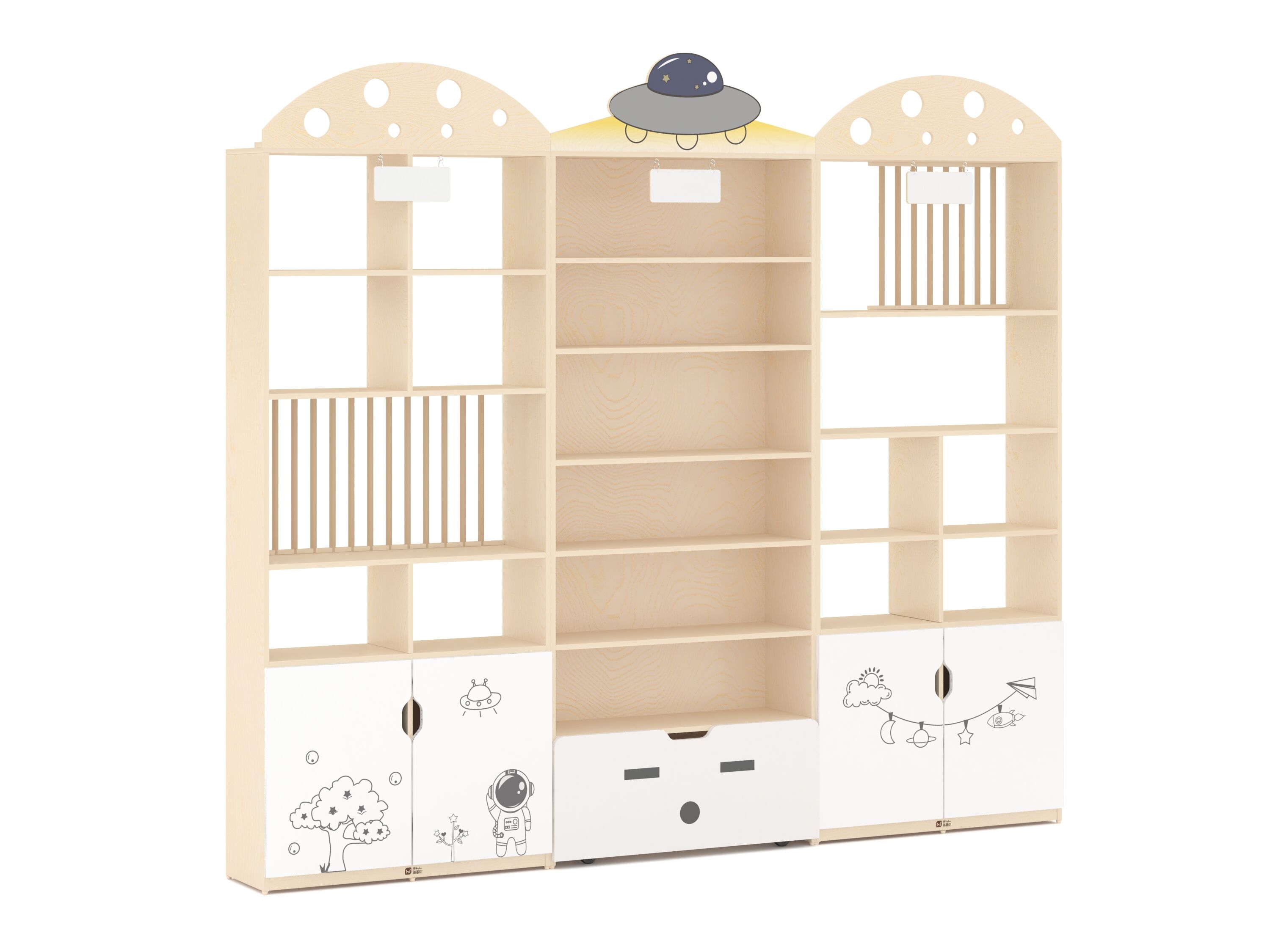
Selecting the right kindergarten furniture requires careful consideration of safety standards, durability requirements, and educational value. Educational institutions face unique challenges when outfitting learning spaces for young children, as furniture must withstand daily use while maintaining the highest safety protocols. The investment in quality kindergarten furniture directly impacts the learning environment and operational costs over time.
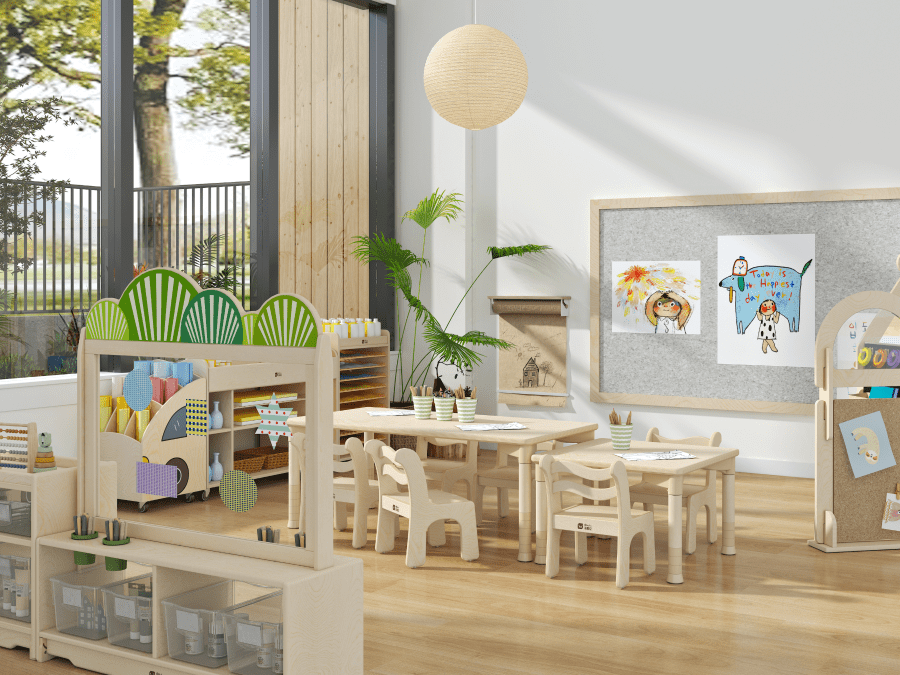
Modern kindergarten environments demand furniture solutions that balance functionality with child development principles. Every piece must serve multiple purposes while adhering to strict safety regulations and durability standards. Understanding the essential criteria for evaluating kindergarten furniture helps administrators make informed purchasing decisions that benefit both students and staff.
Safety Standards and Certifications
Required Safety Certifications
Quality kindergarten furniture must meet comprehensive safety standards established by regulatory bodies. The Consumer Product Safety Commission mandates specific requirements for furniture used in educational settings with children under six years old. These standards cover everything from material composition to structural integrity and surface treatments.
International certifications such as GREENGUARD Gold ensure that kindergarten furniture meets low chemical emission standards. This certification is particularly important for indoor air quality, as young children are more susceptible to volatile organic compounds and chemical off-gassing from furniture materials.
Material Safety Considerations
Non-toxic materials form the foundation of safe kindergarten furniture selection. Lead-free paints and finishes are mandatory, while formaldehyde-free wood products help maintain healthy indoor environments. Antimicrobial surface treatments provide additional protection against bacteria and viruses without introducing harmful chemicals.
Edge safety features including rounded corners and smooth surfaces prevent injury during active play and learning activities. Quality manufacturers incorporate these design elements naturally into their kindergarten furniture without compromising aesthetic appeal or functionality.
Durability and Construction Quality
Material Selection and Longevity
Solid wood construction typically provides superior durability compared to particleboard alternatives in kindergarten furniture applications. Hardwood species like maple and birch offer excellent resistance to wear while maintaining structural integrity under constant use. High-quality laminate surfaces provide easy cleaning and maintenance without sacrificing appearance over time.
Metal components should feature powder-coated finishes that resist chipping and corrosion. Stainless steel hardware ensures long-term reliability in high-humidity environments common in kindergarten facilities. These material choices significantly impact the total cost of ownership for kindergarten furniture investments.
Assembly and Joint Construction
Professional-grade joinery techniques distinguish high-quality kindergarten furniture from residential alternatives. Mortise and tenon joints provide superior strength compared to simple screw assemblies. Reinforced connection points handle the stress of active use while maintaining stability throughout the furniture's lifespan.
Proper hardware selection includes heavy-duty fasteners designed for institutional use. Quality manufacturers use specialized connectors that allow for disassembly and reassembly without compromising joint integrity, essential for kindergarten furniture that may require relocation.
Size and Ergonomic Specifications
Age-Appropriate Dimensions
Kindergarten furniture dimensions must align with anthropometric data for children ages three to six years. Table heights typically range from 18 to 22 inches, while chair seat heights should measure 10 to 14 inches. These specifications ensure proper posture and comfort during extended learning activities.
Adjustable height features in kindergarten furniture accommodate children of varying sizes within the same classroom. This flexibility extends the useful life of furniture investments while providing optimal comfort for each child throughout their developmental period.
Space Planning Considerations
Modular kindergarten furniture systems offer maximum flexibility for classroom layout changes throughout the academic year. Stackable chairs and nesting tables optimize storage space while maintaining easy access for daily setup requirements. These design features are particularly valuable in multipurpose kindergarten spaces.
Traffic flow patterns influence kindergarten furniture placement and selection. Rounded table edges and compact profiles reduce collision hazards while allowing teachers to move freely throughout the learning environment. Proper spacing between furniture pieces accommodates wheelchairs and other mobility devices as required by accessibility standards.
Maintenance and Cleaning Requirements
Surface Materials and Care
Easy-to-clean surfaces are essential for kindergarten furniture maintenance protocols. Non-porous materials resist staining and bacterial growth while withstanding frequent cleaning with approved disinfectants. Textured surfaces should be minimal to prevent dirt accumulation and simplify sanitization procedures.
Fabric components in kindergarten furniture require antimicrobial treatments and stain-resistant properties. Removable and washable upholstery elements provide the highest level of hygiene control. When fabric is integral to the furniture design, commercial-grade materials ensure durability under frequent cleaning cycles.
Long-Term Care Strategies
Preventive maintenance schedules extend kindergarten furniture lifespan significantly. Regular tightening of hardware prevents loosening from daily use vibrations. Touch-up finishes address minor scratches before they compromise the protective coating on wood or metal surfaces.
Manufacturer warranty terms reflect confidence in kindergarten furniture quality and construction. Comprehensive warranties covering both materials and workmanship provide protection against premature failure. Extended warranty options may justify higher initial costs through reduced replacement expenses.
Educational Functionality
Learning Activity Support
Kindergarten furniture should enhance rather than limit educational activities. Variable-height work surfaces accommodate different learning styles and physical needs. Built-in storage solutions keep materials organized and accessible while teaching children responsibility for their learning environment.
Collaborative learning spaces require kindergarten furniture that easily reconfigures for group activities. Lightweight yet stable pieces allow teachers and students to modify classroom layouts quickly. This adaptability supports diverse teaching methodologies and student engagement strategies.
Technology Integration
Modern kindergarten furniture increasingly incorporates technology features such as built-in charging stations and cable management systems. These elements support digital learning tools while maintaining clean, organized appearances. Wireless charging surfaces in tables eliminate cord clutter and trip hazards.
Interactive surface options transform traditional kindergarten furniture into engaging learning tools. Writable surfaces on tables and storage units encourage creativity and collaborative problem-solving. These features add educational value without compromising the primary function of the furniture.
Budget and Value Considerations
Total Cost of Ownership
Initial purchase price represents only one component of kindergarten furniture costs. Maintenance expenses, replacement frequency, and energy costs for climate-controlled storage affect the true financial impact. Quality kindergarten furniture typically provides lower total cost of ownership despite higher upfront investment.
Bulk purchasing arrangements often provide significant savings on kindergarten furniture orders. Educational discounts and institutional pricing structures make premium furniture more accessible to budget-conscious administrators. Volume commitments may also unlock additional warranty coverage or service benefits.
Financing and Procurement Options
Leasing programs allow kindergarten facilities to acquire high-quality furniture without large capital outlays. These arrangements often include maintenance and replacement services, simplifying budget planning. End-of-lease options provide flexibility for upgrades or ownership transfer.
Grant funding sources specifically support kindergarten furniture purchases for qualifying institutions. Federal and state education grants, along with private foundation funding, can offset significant portions of furniture costs. Professional grant writing assistance maximizes success rates for these applications.
Vendor Selection and Support
Manufacturer Reputation and Experience
Established kindergarten furniture manufacturers bring decades of experience in educational environments. Their understanding of unique requirements and challenges translates into superior product design and customer support. Industry certifications and awards provide objective measures of manufacturer credibility.
Local dealer networks ensure responsive service and support for kindergarten furniture installations. Regional representatives understand specific building codes and educational requirements that vary by location. This local expertise proves invaluable during planning and implementation phases.
Installation and Training Services
Professional installation services guarantee proper assembly and placement of kindergarten furniture. Trained technicians understand weight distribution, safety clearances, and accessibility requirements that may not be obvious to general maintenance staff. Proper installation prevents premature wear and safety issues.
Staff training programs help educators maximize the benefits of new kindergarten furniture investments. Training covers proper use, basic maintenance, and reconfiguration techniques that extend furniture lifespan. Ongoing support relationships provide resources for troubleshooting and optimization.
FAQ
What safety certifications should kindergarten furniture have
Kindergarten furniture should carry CPSC compliance certificates, GREENGUARD Gold certification for low emissions, and ANSI/BIFMA standards for institutional furniture. Additional certifications may include fire retardant treatments and antimicrobial surface approvals depending on local requirements and facility policies.
How long should quality kindergarten furniture last
Well-constructed kindergarten furniture typically lasts 10-15 years with proper maintenance and care. Solid wood pieces may last even longer, while laminate and engineered materials usually provide 8-12 years of service. Manufacturer warranties of 5-10 years indicate confidence in long-term durability and performance.
What is the optimal table height for kindergarten students
Standard kindergarten furniture table heights range from 20-22 inches for most five and six-year-old children. Adjustable height tables accommodate the full range from 18-24 inches, allowing customization for individual student needs and multi-age classrooms. Chair heights should correspond to table heights maintaining proper ergonomic relationships.
How much should schools budget for kindergarten furniture
Quality kindergarten furniture typically costs $200-500 per student for a complete classroom setup including tables, chairs, and storage. Premium options may reach $600-800 per student while budget alternatives start around $150 per student. Long-term value calculations should include maintenance costs and replacement frequency when comparing options.
