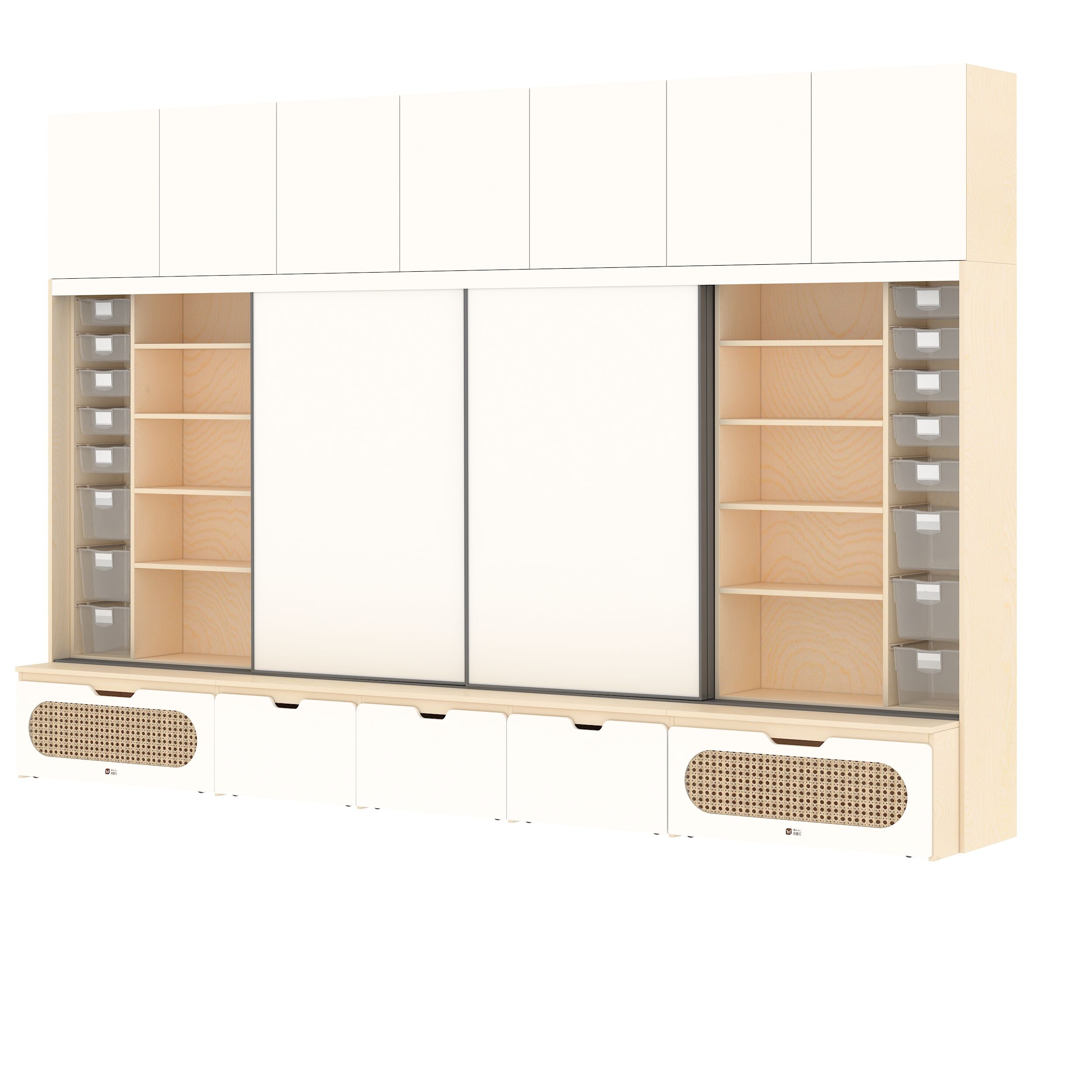
Creating an engaging and functional learning environment for young children requires careful consideration of every element in the classroom. Quality kindergarten furniture serves as the foundation for educational success, providing young learners with safe, comfortable, and stimulating spaces where they can explore, create, and grow. The right furniture pieces not only support various learning activities but also contribute to children's physical development, social interaction, and cognitive growth. When selecting furniture for early childhood education settings, educators and administrators must balance durability, safety, functionality, and aesthetic appeal to create spaces that inspire curiosity and learning.
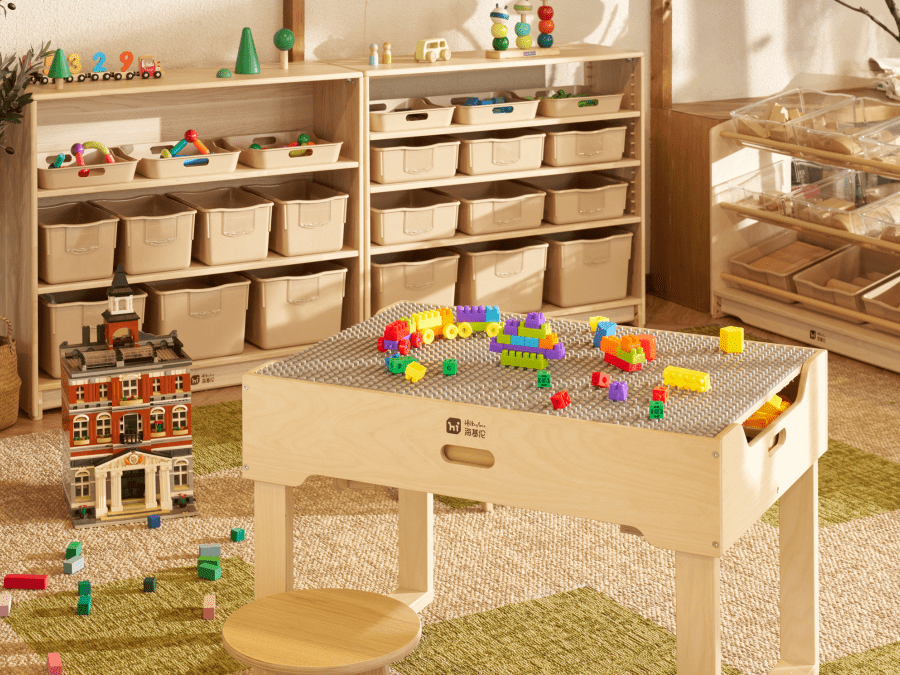
Essential Seating Solutions for Young Learners
Height-Adjustable Student Chairs
Modern kindergarten furniture emphasizes adaptability and growth accommodation. Height-adjustable student chairs represent one of the most crucial investments for any early childhood classroom. These versatile seating solutions grow with children, ensuring proper posture and comfort throughout the academic year. The adjustable mechanism allows teachers to customize seat height for individual students, promoting healthy spine alignment and reducing fatigue during extended learning sessions.
Quality adjustable chairs feature sturdy construction with smooth adjustment mechanisms that children can easily operate under supervision. The seats typically include rounded edges for safety, non-slip surfaces for stability, and ergonomic design that supports natural sitting positions. Many models incorporate bright, engaging colors that complement the overall classroom aesthetic while maintaining professional durability standards required in educational environments.
Flexible Soft Seating Options
Complementing traditional chairs, soft seating options provide alternative learning positions that support different learning styles and activities. Bean bags, floor cushions, and reading nooks create comfortable spaces where children can engage with books, participate in quiet activities, or simply relax during transition periods. These flexible seating arrangements encourage movement and choice, giving students autonomy over their learning environment.
When selecting soft seating for kindergarten furniture collections, prioritize easy-to-clean materials, flame-resistant fabrics, and age-appropriate sizing. Modular soft seating systems allow teachers to reconfigure classroom layouts quickly, supporting various instructional methods and group activities throughout the day.
Functional Table Systems for Collaborative Learning
Multi-Purpose Activity Tables
Activity tables serve as central hubs for learning experiences in kindergarten classrooms. These multifunctional surfaces accommodate everything from art projects and science experiments to group discussions and independent work time. The best kindergarten furniture includes tables with durable laminate tops that resist stains, scratches, and moisture while providing smooth writing surfaces for emerging writers.
Modern activity tables feature adjustable legs that accommodate children of varying heights and can be modified as students grow throughout the year. Many designs include integrated storage compartments, cup holders, or supply organizers that keep materials accessible while maintaining clean work surfaces. The table edges should be rounded for safety, and the overall construction must withstand the active use typical in early childhood education settings.
Collaborative Learning Stations
Specialized table configurations support collaborative learning approaches increasingly popular in modern kindergarten curricula. Kidney-shaped tables, trapezoid clusters, and modular systems allow teachers to create various grouping arrangements that facilitate peer interaction and cooperative learning experiences. These kindergarten furniture pieces promote social skill development while supporting academic objectives.
Collaborative stations should include adequate surface area for multiple students to work comfortably while maintaining clear sightlines to instructional areas. Consider tables with casters for easy reconfiguration, allowing teachers to adapt spaces quickly for different activities or group sizes throughout the day.
Storage Solutions That Promote Organization
Accessible Cubby Systems
Personal storage space gives kindergarten students a sense of ownership and responsibility in their classroom environment. Well-designed cubby systems provide individual spaces where children can store personal belongings, completed work, and daily materials. Effective kindergarten furniture incorporates cubbies at appropriate heights with clear labeling systems that support literacy development and organizational skills.
Modern cubby designs feature durable construction with smooth surfaces that are easy to clean and sanitize. Open-front cubbies allow easy access while maintaining visibility of contents, helping students locate items independently. Some systems include hooks for backpacks or coats, integrated name plates, and color-coding options that support classroom management and student independence.
Mobile Storage Carts and Centers
Flexibility in classroom organization requires mobile storage solutions that can adapt to changing instructional needs. Rolling carts, portable supply centers, and moveable storage units allow teachers to bring materials directly to learning areas or reconfigure spaces for different activities. These versatile kindergarten furniture pieces maximize classroom efficiency while supporting various teaching approaches.
Quality mobile storage features smooth-rolling casters, multiple shelf levels, and secure storage compartments. Many designs include specialized organizers for specific materials like art supplies, manipulatives, or technology devices. The mobility factor allows teachers to rotate materials, create temporary learning stations, or clear spaces for large group activities as needed.
Creative Play and Learning Centers
Reading Corner Essentials
A dedicated reading area represents one of the most important features in any kindergarten classroom. Comfortable seating arrangements, proper lighting, and book storage combine to create inviting spaces where children develop literacy skills and foster love for reading. Quality kindergarten furniture for reading areas includes soft seating options, book displays, and cozy elements that encourage extended engagement with texts.
Reading corner furniture should prioritize comfort and accessibility, featuring low seating that allows children to settle in comfortably with books. Book storage solutions might include forward-facing displays that showcase cover art, rotating book carousels, or themed book bins that organize literature by topic or reading level. Creating an inviting atmosphere with appropriate furniture choices encourages independent reading and supports literacy development goals.
Dramatic Play Furniture
Imaginative play supports crucial developmental milestones in kindergarten students, requiring furniture that facilitates role-playing and creative expression. Dramatic play areas might include child-sized kitchen sets, dress-up storage, puppet theaters, or themed play environments that encourage storytelling and social interaction. These specialized kindergarten furniture pieces provide structured opportunities for creative exploration.
When selecting dramatic play furniture, prioritize realistic proportions, safe materials, and durability that withstands active play. Many sets include interactive features like opening doors, working faucets, or storage compartments that enhance the play experience. The furniture should be appropriately scaled for kindergarten-aged children while maintaining safety standards and educational value.
Technology Integration and Modern Learning
Computer and Tablet Stations
Modern kindergarten education increasingly incorporates technology tools that require specialized furniture solutions. Computer stations, tablet storage, and charging centers must be integrated thoughtfully into classroom layouts while maintaining age-appropriate accessibility and safety standards. Effective kindergarten furniture for technology includes adjustable work surfaces, cable management, and secure device storage.
Technology furniture should accommodate various device sizes while providing ergonomic positioning for young users. Adjustable monitor arms, keyboard trays, and appropriate seating ensure comfortable technology interaction. Security features, charging capabilities, and organized storage help teachers manage digital resources effectively while maintaining classroom organization.
Interactive Learning Surfaces
Interactive whiteboards, touch screens, and digital learning walls require supporting furniture that maximizes accessibility and engagement. Mobile stands, adjustable mounts, and collaborative seating arrangements help integrate digital tools seamlessly into kindergarten furniture layouts. These solutions should accommodate whole-group instruction while allowing individual student interaction with digital content.
Supporting furniture for interactive technology includes mobile presentation carts, document cameras stands, and teacher workstations that facilitate technology-enhanced instruction. The furniture must provide stable platforms for expensive equipment while maintaining flexibility for various instructional approaches and classroom configurations.
Safety and Durability Considerations
Material Quality and Construction Standards
Safety represents the primary concern when selecting kindergarten furniture for early childhood education environments. All furniture pieces must meet strict safety standards regarding material composition, construction quality, and design features. Non-toxic finishes, rounded edges, stable construction, and age-appropriate proportions ensure student safety while supporting learning objectives.
Quality kindergarten furniture incorporates durable materials that withstand daily use while maintaining aesthetic appeal. Laminate surfaces resist stains and scratches, powder-coated metal frames prevent rust and chipping, and reinforced joints ensure long-term stability. Regular safety inspections and maintenance protocols help maintain furniture condition and extend useful life.
Age-Appropriate Design Features
Kindergarten students have specific physical and developmental needs that require specialized furniture design considerations. Appropriate heights, accessible storage, and intuitive operation mechanisms ensure students can use furniture independently while developing confidence and autonomy. Ergonomic features support healthy physical development during crucial growth periods.
Design features should accommodate the wide range of physical sizes typical in kindergarten classrooms while providing growth flexibility throughout the academic year. Adjustable components, modular systems, and scalable solutions help maximize furniture utility while supporting diverse student needs and learning objectives.
Budget-Friendly Furniture Selection Strategies
Prioritizing Essential Pieces
Educational budgets require careful planning and strategic purchasing decisions when selecting kindergarten furniture. Prioritizing essential pieces ensures maximum impact while maintaining fiscal responsibility. Core items like student seating, work surfaces, and storage solutions should receive primary focus, with specialty pieces added as budgets allow.
Strategic purchasing might involve phased implementation plans that spread costs over multiple budget cycles while maintaining classroom functionality. Quality investments in durable kindergarten furniture often provide better long-term value than lower-cost alternatives that require frequent replacement. Consider warranty coverage, maintenance requirements, and expected lifespan when evaluating furniture options.
Multi-Functional Furniture Solutions
Maximizing functionality through versatile furniture pieces helps stretch educational budgets while maintaining comprehensive classroom capabilities. Multi-purpose items that serve various functions throughout the day provide excellent value while reducing storage requirements and spatial demands. Examples include storage ottomans that provide seating, tables with integrated supply compartments, or modular systems that reconfigure for different activities.
When evaluating multi-functional kindergarten furniture, consider how each piece supports multiple learning objectives and daily routines. Versatile solutions often justify higher initial costs through expanded utility and reduced need for additional furniture purchases. Focus on items that adapt to changing instructional needs and growing student requirements.
Creating Inclusive Learning Environments
Accessibility and Universal Design
Modern kindergarten classrooms must accommodate students with diverse abilities and learning needs. Universal design principles ensure kindergarten furniture serves all students effectively while promoting inclusive learning environments. Adjustable components, accessible storage, and barrier-free pathways support students with varying physical abilities and learning differences.
Inclusive furniture design might include adjustable table heights, accessible storage solutions, sensory-friendly materials, and flexible seating options that accommodate different learning styles and physical needs. These considerations ensure all students can participate fully in classroom activities while developing independence and confidence.
Cultural Responsiveness in Furniture Selection
Diverse student populations benefit from furniture selections that reflect cultural awareness and sensitivity. Flexible arrangements that support various cultural learning traditions, family involvement opportunities, and community connections help create welcoming environments for all families. Kindergarten furniture choices should facilitate inclusive practices and multicultural learning experiences.
Consider how furniture arrangements might accommodate different cultural practices around learning, family involvement, and community gathering. Flexible configurations allow teachers to adapt spaces for various cultural celebrations, family events, and community partnerships that enrich the educational experience for all students.
FAQ
What safety certifications should I look for when purchasing kindergarten furniture
When selecting kindergarten furniture, look for GREENGUARD Gold certification for low chemical emissions, BIFMA safety standards for commercial furniture, and CPSC compliance for children's products. Additionally, ensure all finishes are non-toxic, edges are rounded or cushioned, and construction meets or exceeds relevant safety codes. Verify that adjustable components have secure locking mechanisms and that all hardware is properly secured to prevent loose parts that could pose choking hazards.
How can I determine the appropriate size furniture for my kindergarten students
Kindergarten furniture sizing should accommodate children typically aged 5-6 years, with seat heights generally ranging from 10-12 inches and table heights from 18-22 inches. However, adjustable options provide the best solution since kindergarten classes often include children of varying sizes. Consider furniture that adjusts within appropriate ranges and allows for growth throughout the academic year. Consult manufacturer sizing guides and consider conducting measurements of your specific student population to ensure optimal fit.
What is the expected lifespan of quality kindergarten furniture
High-quality kindergarten furniture designed for educational environments typically lasts 10-15 years with proper maintenance and care. Factors affecting lifespan include construction quality, material durability, usage intensity, and maintenance practices. Furniture with adjustable components may require periodic mechanism servicing, while solid wood or high-grade laminate surfaces generally maintain appearance and functionality longer than budget alternatives. Regular cleaning, prompt repair of minor damage, and proper storage during breaks help maximize furniture lifespan.
How should I plan the layout of kindergarten furniture for optimal learning
Effective kindergarten furniture layout creates distinct learning zones while maintaining clear sightlines and smooth traffic flow. Position quiet activities like reading areas away from active zones, ensure adequate space between furniture pieces for wheelchair accessibility, and create flexible arrangements that support both individual and group work. Consider natural lighting sources when placing work surfaces, maintain emergency egress paths, and ensure teachers can supervise all areas effectively. Use furniture placement to define spaces naturally without creating barriers to interaction and movement.
Table of Contents
- Essential Seating Solutions for Young Learners
- Functional Table Systems for Collaborative Learning
- Storage Solutions That Promote Organization
- Creative Play and Learning Centers
- Technology Integration and Modern Learning
- Safety and Durability Considerations
- Budget-Friendly Furniture Selection Strategies
- Creating Inclusive Learning Environments
-
FAQ
- What safety certifications should I look for when purchasing kindergarten furniture
- How can I determine the appropriate size furniture for my kindergarten students
- What is the expected lifespan of quality kindergarten furniture
- How should I plan the layout of kindergarten furniture for optimal learning
