Premium Modular Preschool Furniture - Flexible, Safe & Cost-Effective Educational Solutions

Get a Free Quote

Our representative will contact you soon.
Email
Name
Company Name
Mobile/WhatsApp
Message
0/1000

modular preschool furniture

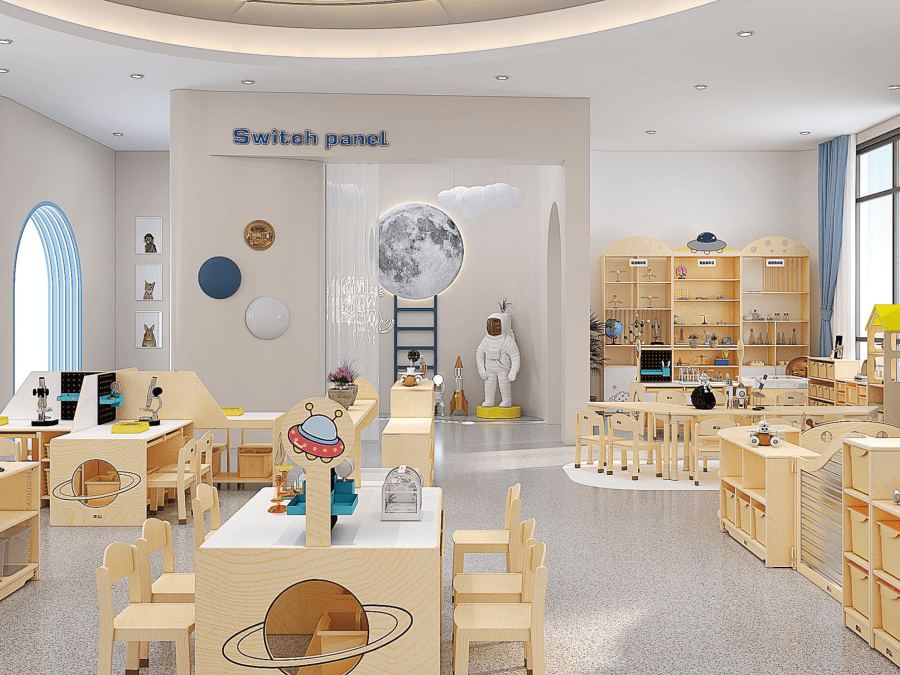
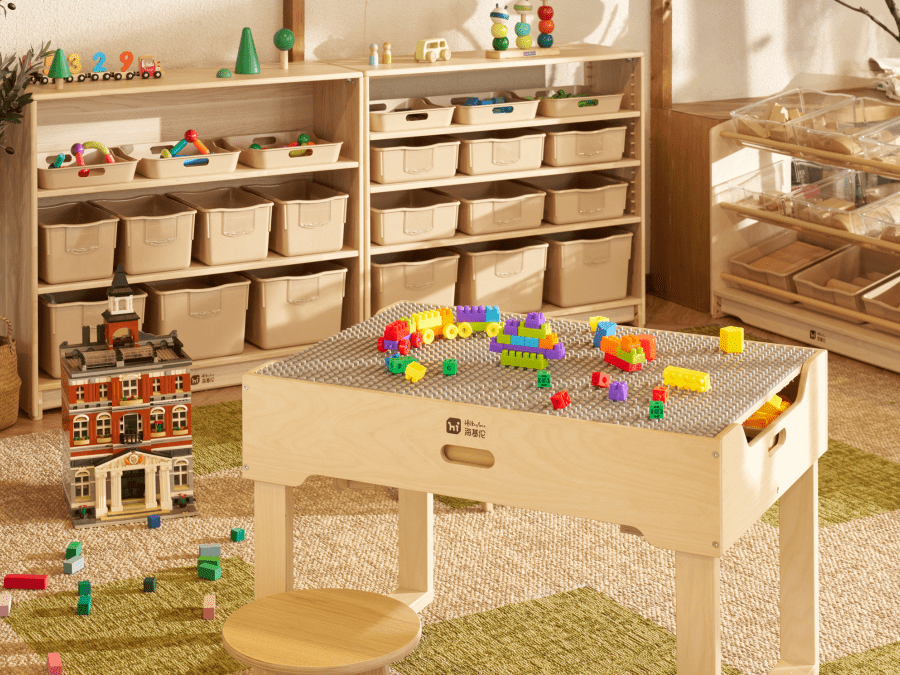
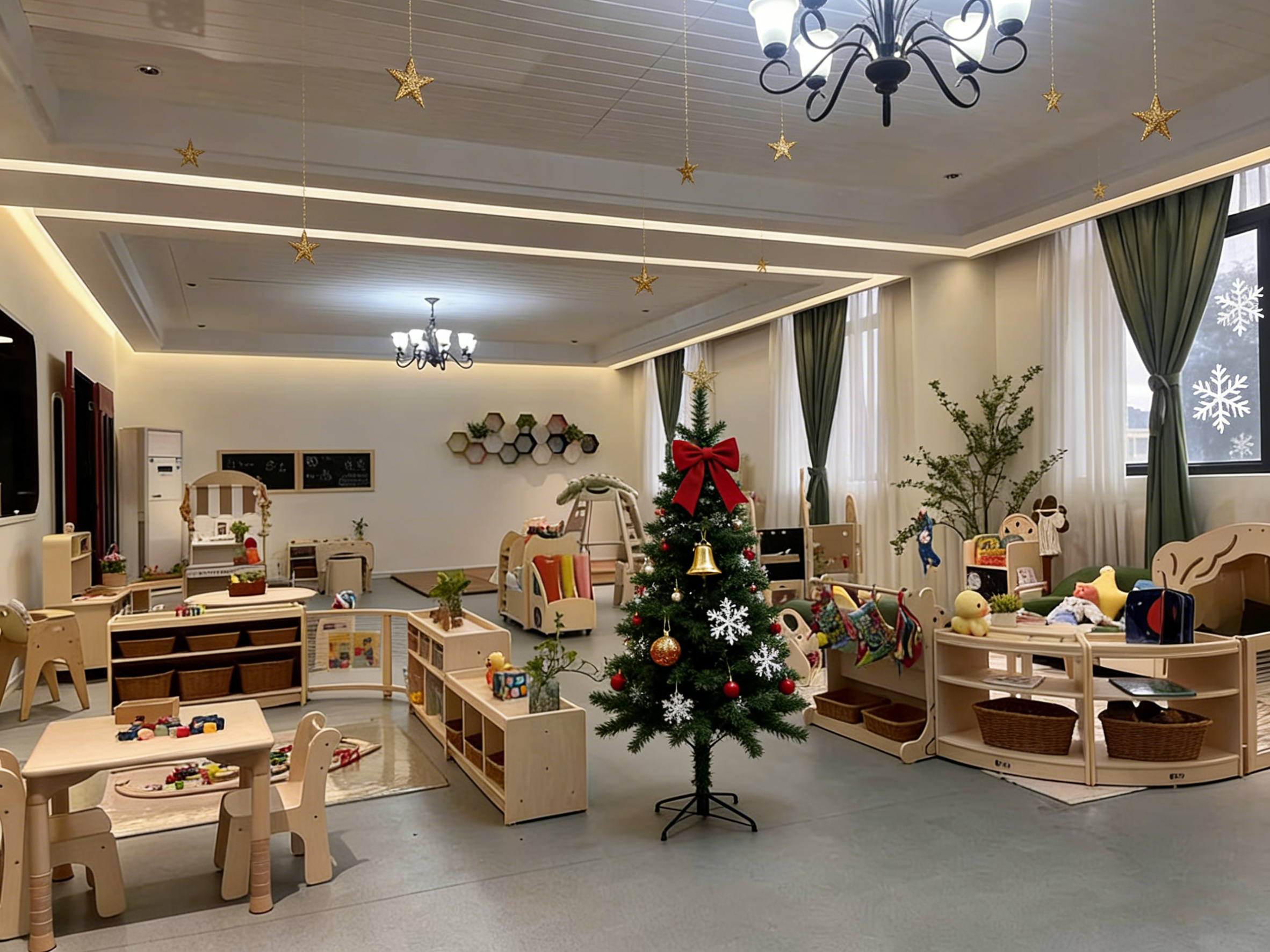
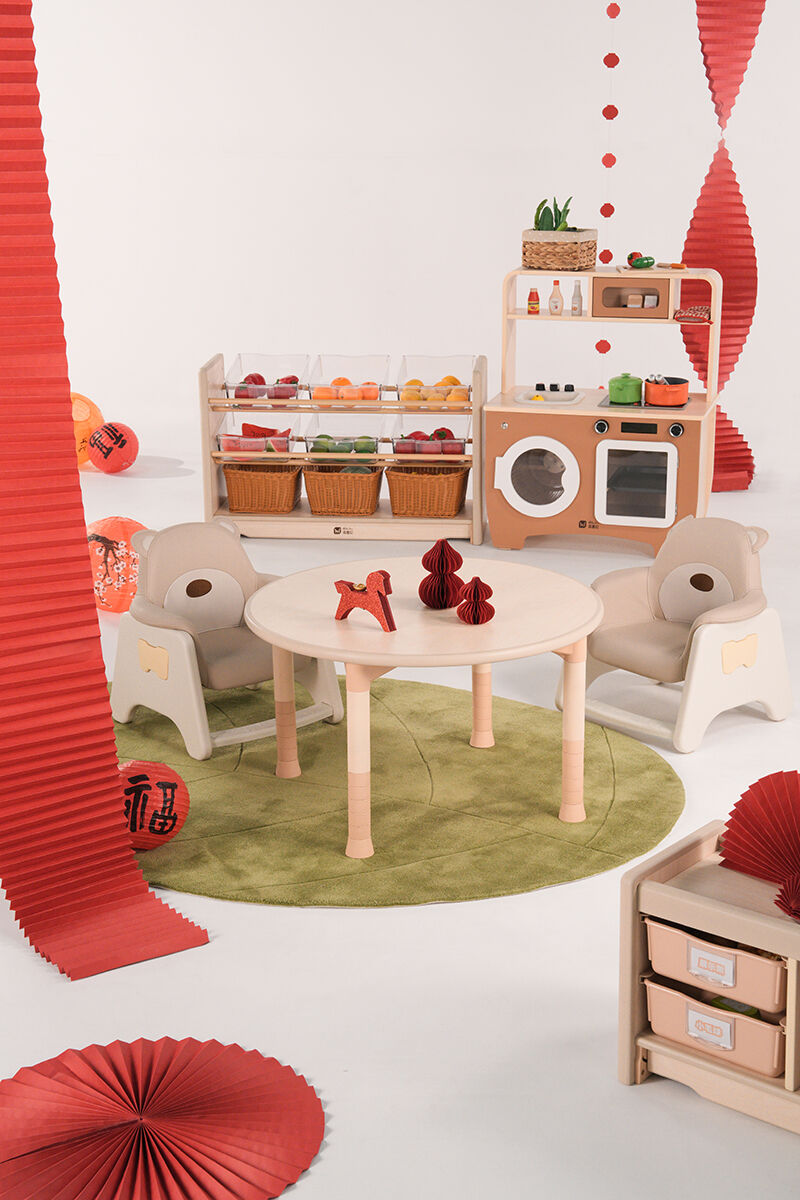
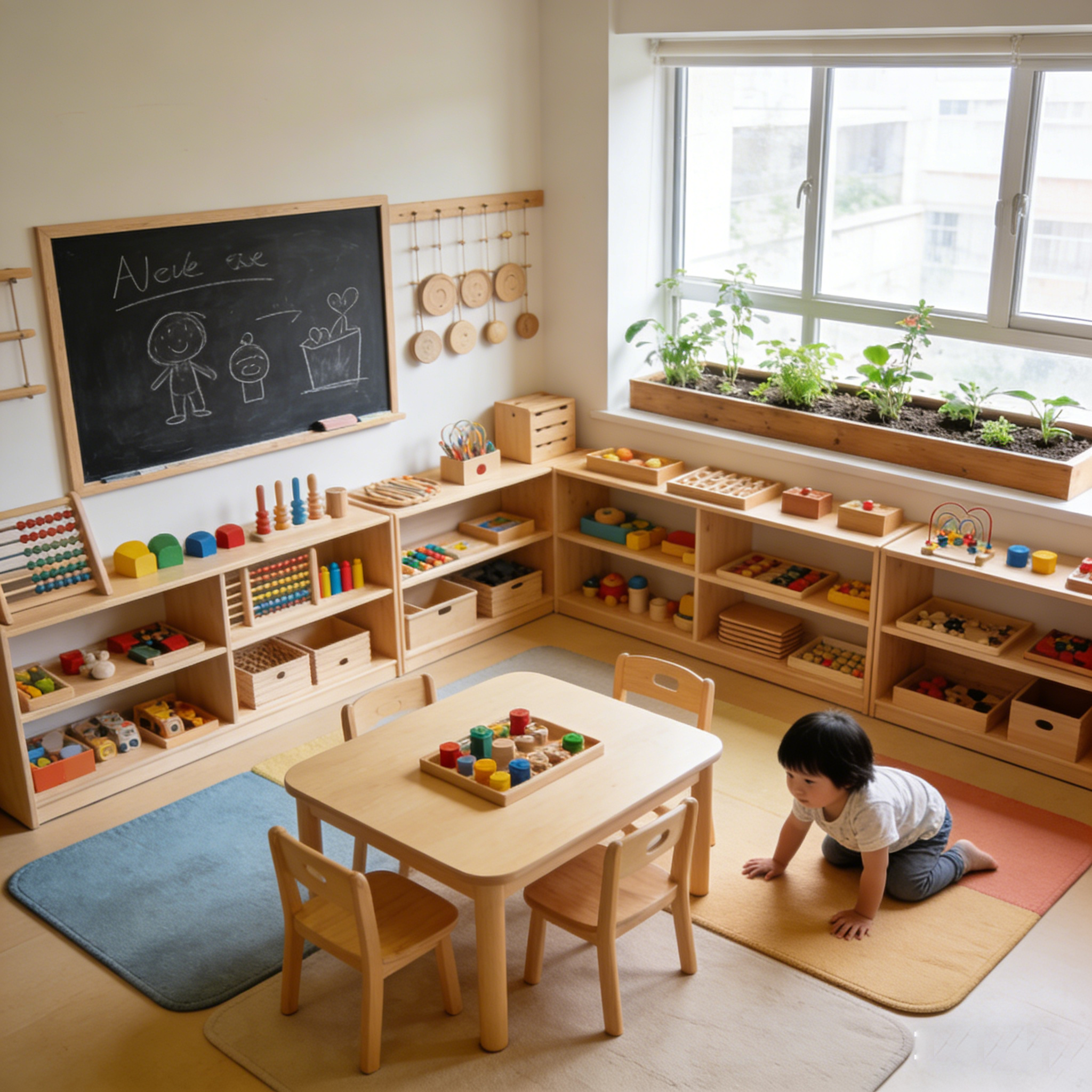
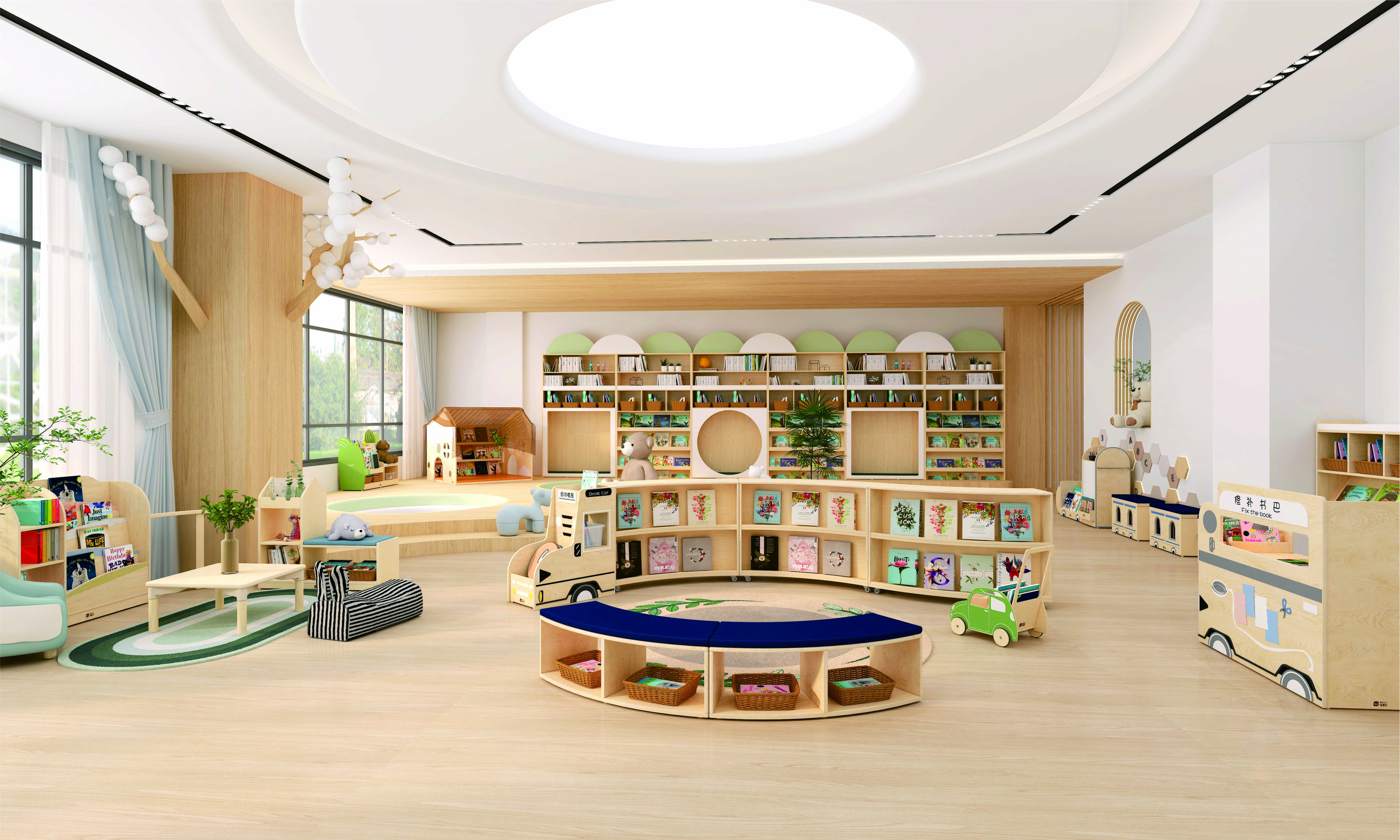
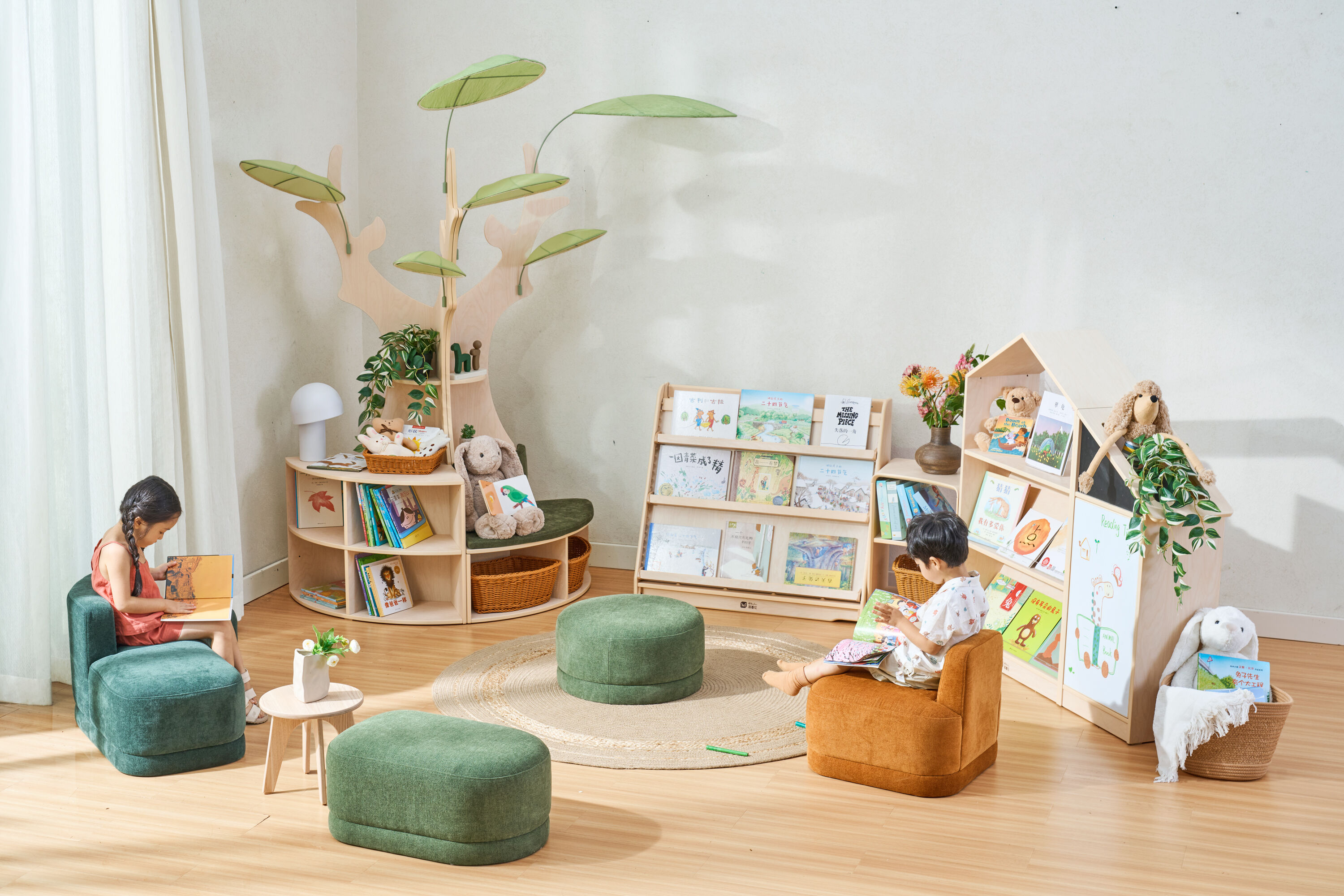
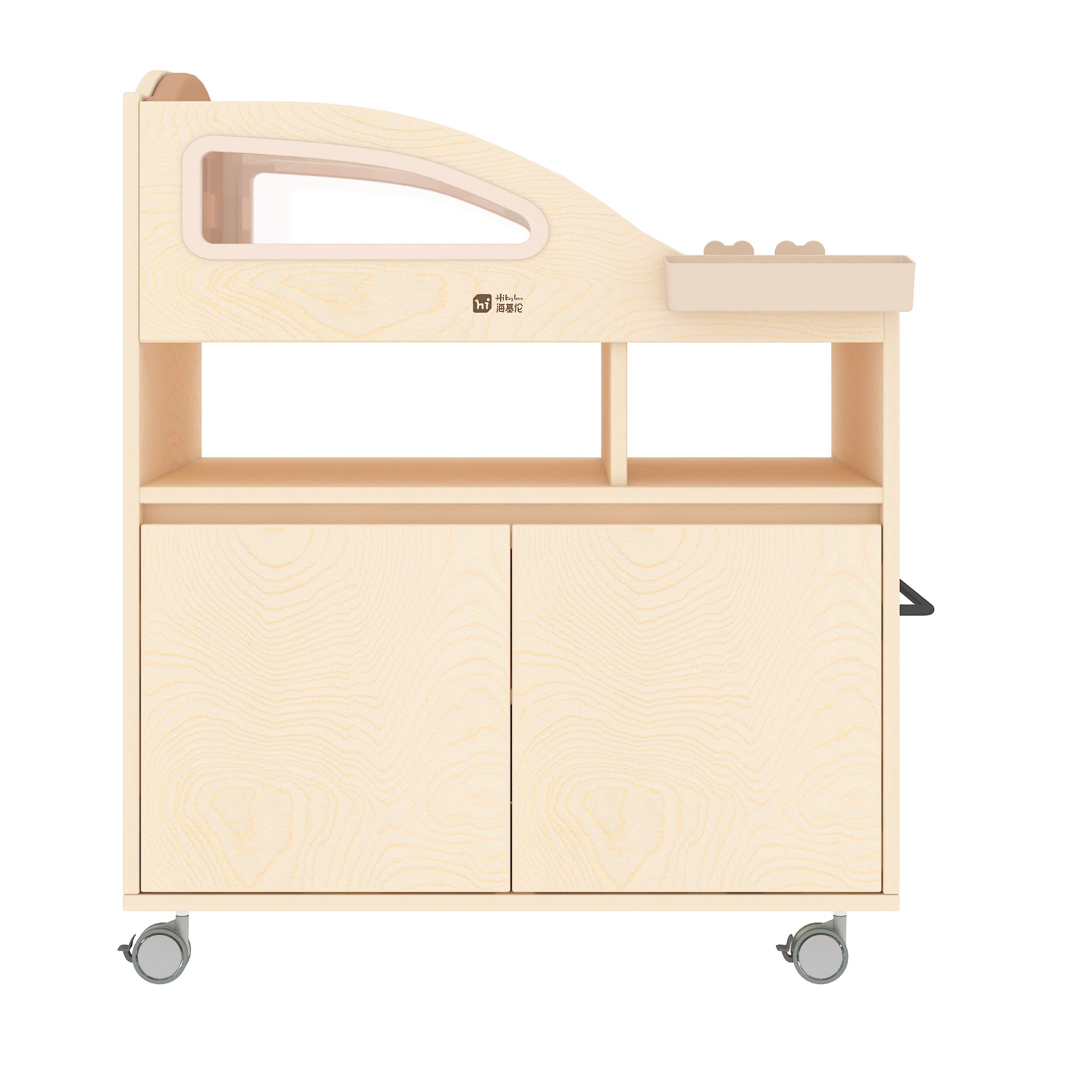
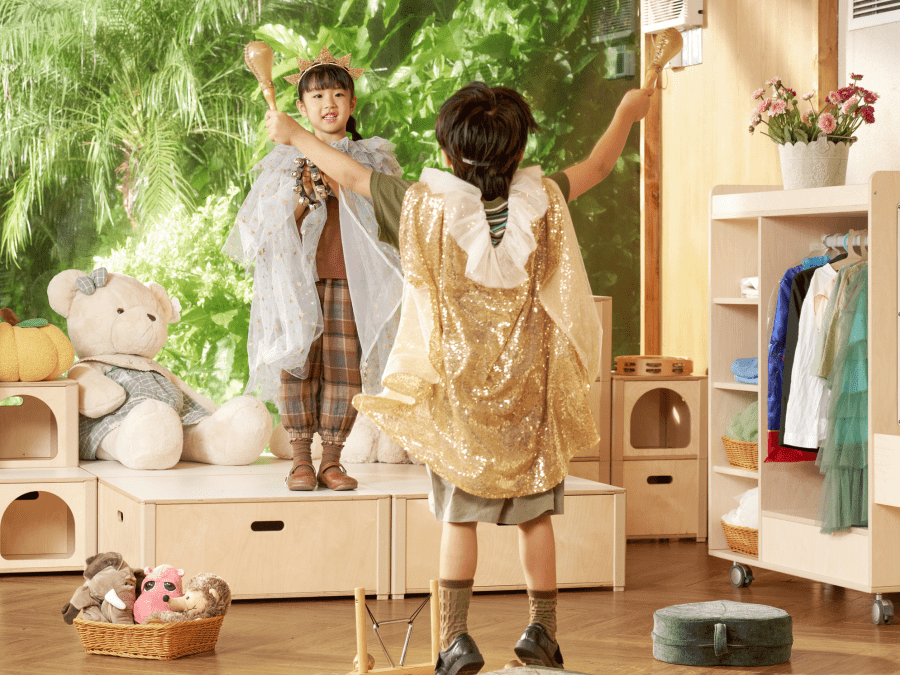
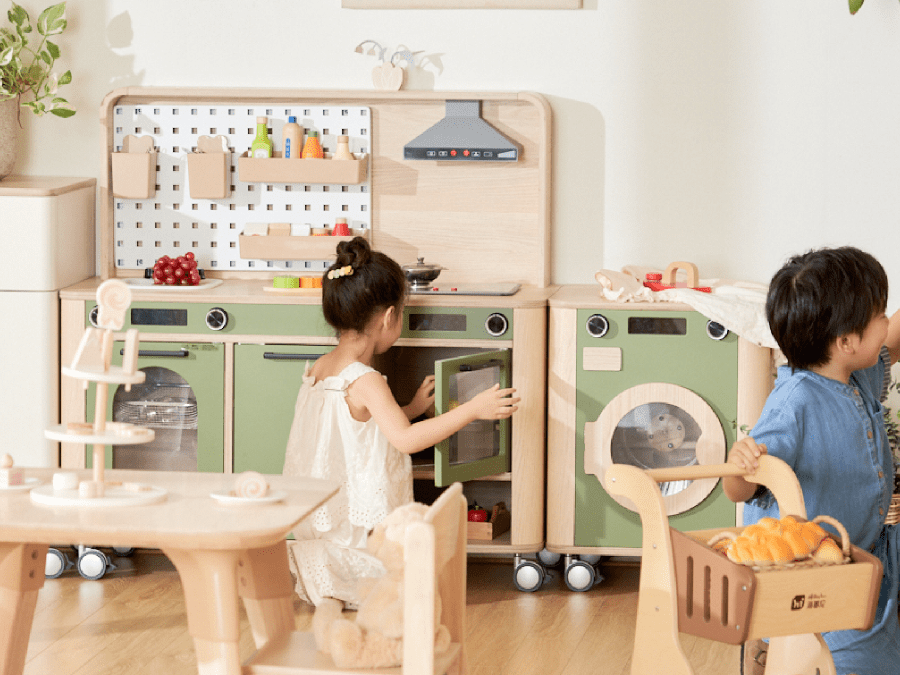
Modular preschool furniture represents a revolutionary approach to early childhood education environments, combining flexibility, safety, and developmental support in innovative designs. This specialized furniture system consists of interconnected components that can be easily reconfigured to meet changing classroom needs and accommodate various learning activities. The modular design philosophy enables educators to transform spaces quickly, creating distinct zones for different educational purposes throughout the day. These furniture systems incorporate child-safe materials, rounded edges, and non-toxic finishes that meet stringent safety standards for young learners. The technological features of modular preschool furniture include lightweight yet durable construction materials such as high-grade plastics, engineered wood composites, and metal frameworks designed to withstand frequent reconfiguration. Many systems feature color-coded connection points, tool-free assembly mechanisms, and intuitive interlocking systems that allow teachers to modify layouts without professional assistance. The furniture often incorporates storage solutions within individual modules, maximizing space efficiency in compact classroom environments. Height-adjustable components accommodate children of different ages and developmental stages, ensuring ergonomic comfort during various activities. Applications for modular preschool furniture span across diverse educational settings including traditional classrooms, multi-purpose learning spaces, outdoor learning environments, and specialized therapy rooms. These systems prove particularly valuable in schools with limited space, as they enable single rooms to serve multiple functions throughout the day. Libraries, art studios, STEM learning centers, and collaborative workspaces all benefit from the adaptability that modular systems provide. The furniture supports various pedagogical approaches including Montessori methods, play-based learning, and collaborative education models by enabling rapid environment modifications that align with specific teaching methodologies and learning objectives.
Popular Products

Modular preschool furniture delivers exceptional value through its remarkable versatility, allowing educators to create dynamic learning environments that evolve with curriculum needs and student activities. Unlike traditional fixed furniture arrangements, these systems enable teachers to reconfigure spaces within minutes, transforming a reading circle into individual workstations or converting activity centers into collaborative zones. This flexibility maximizes the utility of every square foot in educational facilities, particularly beneficial for schools operating in space-constrained environments. The cost-effectiveness of modular systems becomes apparent over time, as institutions avoid purchasing separate furniture sets for different activities or grade levels. Instead, a single modular system adapts to accommodate various age groups and learning styles, providing long-term value that extends well beyond initial investment costs. Safety considerations receive paramount attention in modular preschool furniture design, with manufacturers incorporating rounded corners, smooth surfaces, and stable construction that prevents tipping or collapse during active use. The materials selected for these systems prioritize child safety through non-toxic coatings, antimicrobial surfaces, and easy-to-clean finishes that maintain hygienic learning environments. Durability represents another significant advantage, as modular components undergo rigorous testing to ensure they withstand the demanding conditions of preschool environments, including frequent movement, energetic play, and daily cleaning protocols. The intuitive design of connection systems empowers teachers to make layout changes independently, eliminating the need for maintenance staff or external assistance during reconfigurations. This independence enables immediate response to evolving classroom needs, supporting spontaneous learning opportunities and accommodating unexpected schedule changes. Storage integration within modular units reduces clutter while keeping essential materials easily accessible, contributing to organized learning spaces that promote focus and engagement. The psychological benefits extend to both students and educators, as varied environments stimulate creativity, reduce monotony, and support diverse learning preferences through spatial variety that maintains student interest and participation throughout extended learning sessions.

Practical Tips

A Festive Journey Through Imagination: Experience Hikeylove's World This Christmas

25

Dec

A Festive Journey Through Imagination: Experience Hikeylove's World This Christmas

A Festive Journey Through Imagination: Experience Hikeylove's World This Christmas
View More
Welcoming 2026: A Year of Transformative Spaces for Growth and Learning

30

Dec

Welcoming 2026: A Year of Transformative Spaces for Growth and Learning

View More
The Hikeylove Story: 25 Years of Crafting Spaces for Childhood.

03

Jan

The Hikeylove Story: 25 Years of Crafting Spaces for Childhood.

View More
How to Design a Calming and Effective Preschool Reading Corner: A Guide from Hikeylove

04

Jan

How to Design a Calming and Effective Preschool Reading Corner: A Guide from Hikeylove

View More

Get a Free Quote

Our representative will contact you soon.
Email
Name
Company Name
Mobile/WhatsApp
Message
0/1000

modular preschool furniture

Ultimate Flexibility for Dynamic Learning Environments

Ultimate Flexibility for Dynamic Learning Environments

The cornerstone advantage of modular preschool furniture lies in its unparalleled flexibility, enabling educators to create and recreate learning environments that precisely match pedagogical objectives and student needs. This adaptability transforms traditional static classrooms into dynamic spaces where furniture arrangements support specific learning activities, from quiet individual work to energetic group collaborations. Teachers can effortlessly transition between different educational modes by reconfiguring furniture layouts, creating reading nooks for literacy development, open spaces for movement-based learning, or intimate circles for storytelling and discussion. The modular system responds to the natural rhythm of preschool education, where activities change frequently throughout the day to maintain young learners' attention and accommodate their developmental needs. This flexibility proves invaluable during special events, parent visits, or when accommodating children with varying abilities and learning styles within the same classroom. The quick reconfiguration capability allows teachers to optimize space usage based on class size fluctuations, seasonal activities, or curriculum changes without requiring additional furniture purchases or storage solutions. Educational research consistently demonstrates that environmental variety supports cognitive development and maintains student engagement, making the flexibility of modular systems a powerful tool for enhanced learning outcomes. The system's adaptability extends beyond daily classroom management to support long-term educational planning, allowing schools to modify learning environments as educational philosophies evolve or new teaching methods emerge. This future-proofing aspect protects institutional investments while ensuring that learning environments remain current with best practices in early childhood education. The psychological impact of varied environments cannot be understated, as children thrive in spaces that offer novelty and discovery opportunities, which modular furniture facilitates through endless configuration possibilities that keep learning environments fresh and stimulating.
Enhanced Safety Standards and Child-Centric Design

Enhanced Safety Standards and Child-Centric Design

Modular preschool furniture prioritizes child safety through comprehensive design features that address the unique vulnerabilities and behavioral patterns of young learners in educational settings. Every component undergoes meticulous engineering to eliminate sharp edges, unstable joints, and potential pinch points that could pose risks during normal use or enthusiastic play. The materials selection process emphasizes non-toxic formulations, ensuring that surfaces remain safe even when children engage in typical exploratory behaviors such as touching, leaning, or occasional mouthing of furniture components. Antimicrobial coatings integrated into surface treatments actively resist bacteria and germs, contributing to healthier learning environments that reduce illness transmission among young children who frequently share spaces and materials. The structural integrity of modular systems receives extensive testing to ensure stability during various loading conditions, preventing furniture collapse or tipping that could result in injuries during active use. Connection mechanisms incorporate safety locks and secure fastening systems that prevent accidental disconnection while remaining accessible for intentional reconfiguration by adults. The height specifications of modular components align with ergonomic standards for preschool-aged children, promoting proper posture and reducing physical strain during extended periods of use for activities such as writing, drawing, or manipulative play. Color-coding systems built into connection points not only facilitate easy assembly but also provide visual safety cues that help prevent incorrect configurations that might compromise structural integrity. The lightweight construction of individual modules reduces the risk of injury during movement or reconfiguration while maintaining sufficient stability to support intended use patterns. Emergency considerations receive attention through design features that enable rapid furniture removal or reconfiguration to facilitate evacuation procedures or accommodate emergency responders. Quality control processes ensure consistent manufacturing standards that maintain safety performance across all components, providing educators and administrators with confidence in the protective qualities of their learning environment investments.
Cost-Effective Investment with Long-Term Value

Cost-Effective Investment with Long-Term Value

Modular preschool furniture represents a strategic investment that delivers exceptional long-term value through multiple cost-saving mechanisms and extended usability that traditional furniture arrangements cannot match. The initial investment in a comprehensive modular system eliminates the need for multiple furniture purchases to serve different functions, as a single system adapts to accommodate various activities, age groups, and spatial requirements throughout its service life. This consolidation significantly reduces procurement costs while simplifying inventory management and maintenance schedules for educational institutions operating under tight budget constraints. The durability engineering inherent in modular designs ensures extended service life that far exceeds traditional preschool furniture, as components withstand frequent reconfiguration, intensive daily use, and the demanding conditions typical of early childhood education environments. The replacement cost advantages become apparent over time, as institutions can replace individual damaged components rather than entire furniture sets, minimizing disruption to educational activities while controlling maintenance expenses. The scalability of modular systems allows institutions to expand their furniture inventory incrementally as enrollment grows or additional spaces come online, spreading capital expenditures across multiple budget cycles rather than requiring large upfront investments. Storage efficiency contributions reduce facility costs by maximizing usable space within existing buildings, potentially delaying or eliminating the need for costly expansions or relocations. The professional appearance and functionality of well-designed modular systems enhance institutional reputation and support enrollment marketing efforts by demonstrating commitment to quality educational environments that attract families seeking excellent early childhood programs. Training costs remain minimal due to intuitive connection systems that require no specialized skills or tools, enabling all staff members to participate in furniture reconfiguration without additional certification or professional development expenses. The resale value of quality modular systems remains high due to their continued functionality and adaptability, providing institutions with asset recovery options when upgrading or changing facilities. Insurance considerations may favor modular systems due to their enhanced safety features and reduced injury risk profiles, potentially resulting in lower premium costs for liability coverage. The environmental benefits of durable, long-lasting furniture align with sustainability initiatives that increasingly influence institutional purchasing decisions and community reputation in environmentally conscious markets.

Get a Free Quote

Our representative will contact you soon.
Email
Name
Company Name
Mobile/WhatsApp
Message
0/1000