Premium Daycare Center Furniture: Safe, Educational, and Durable Solutions for Early Learning Environments

Get a Free Quote

Our representative will contact you soon.
Email
Name
Company Name
Mobile/WhatsApp
Message
0/1000

daycare center furniture

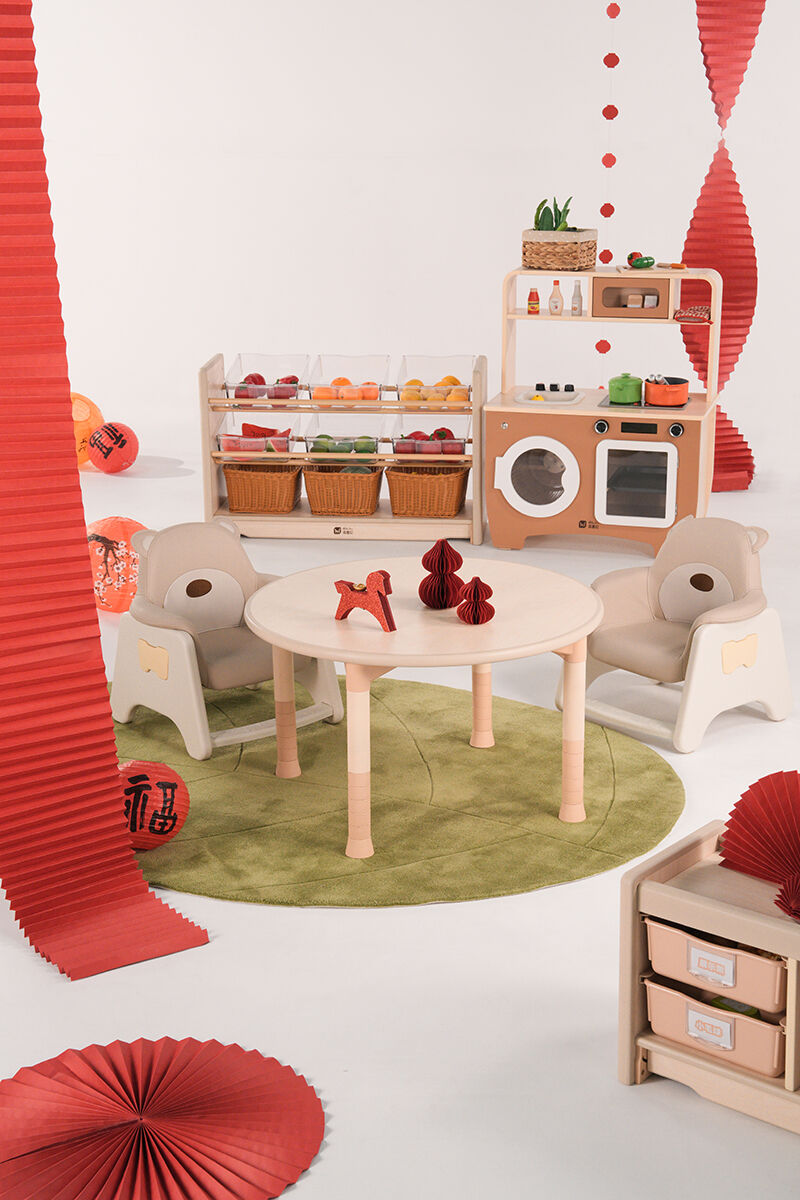
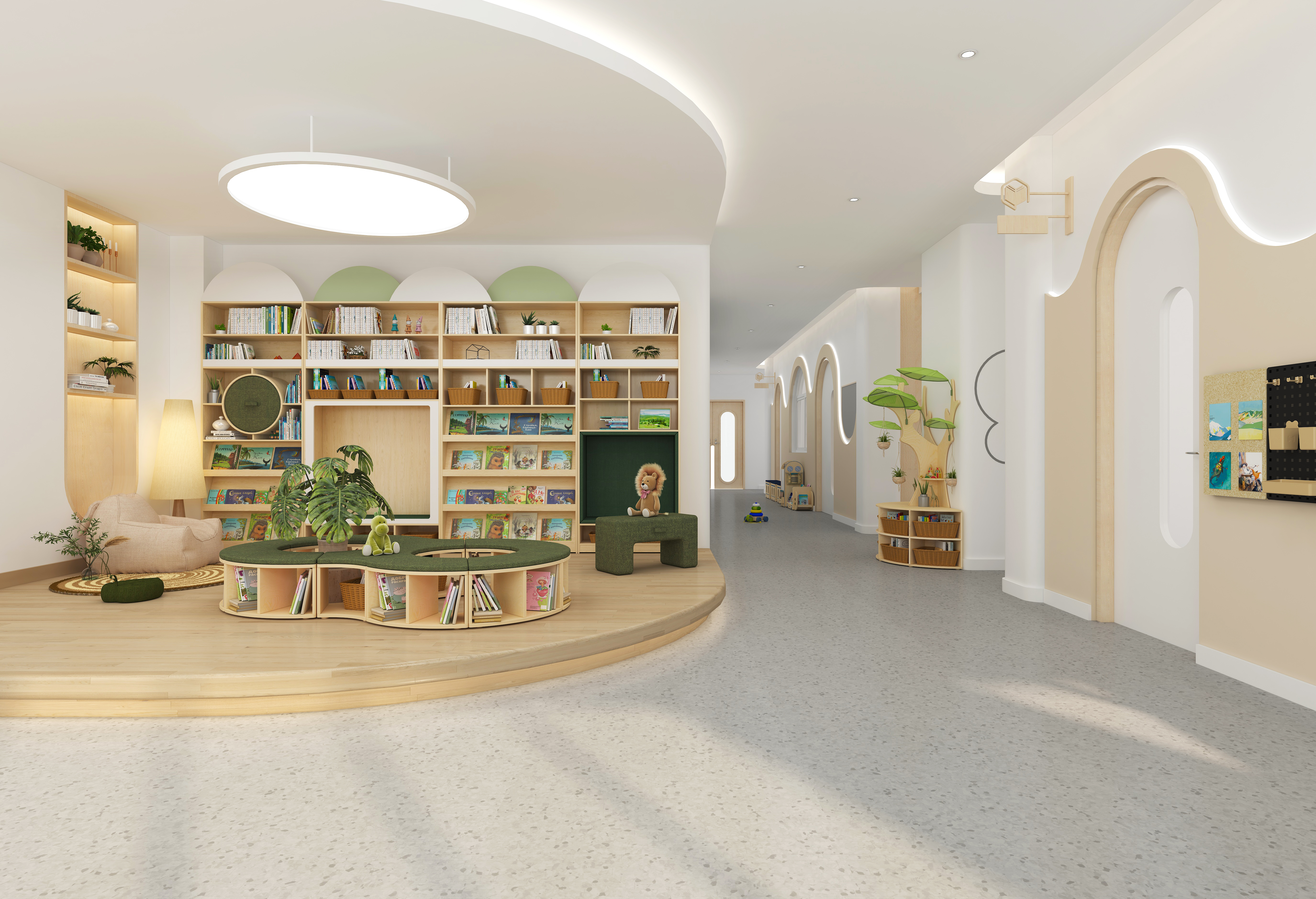
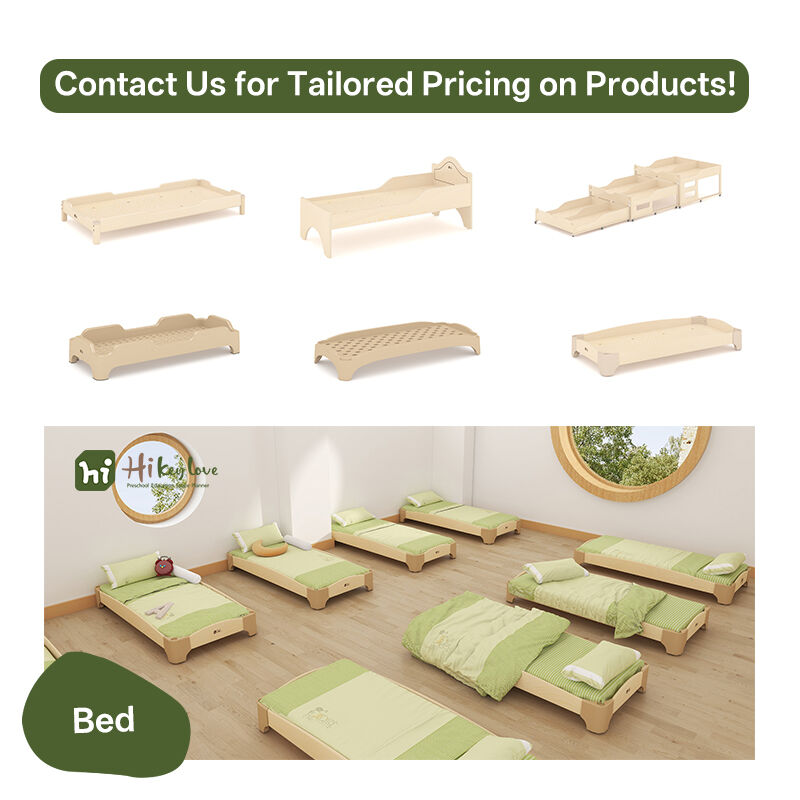
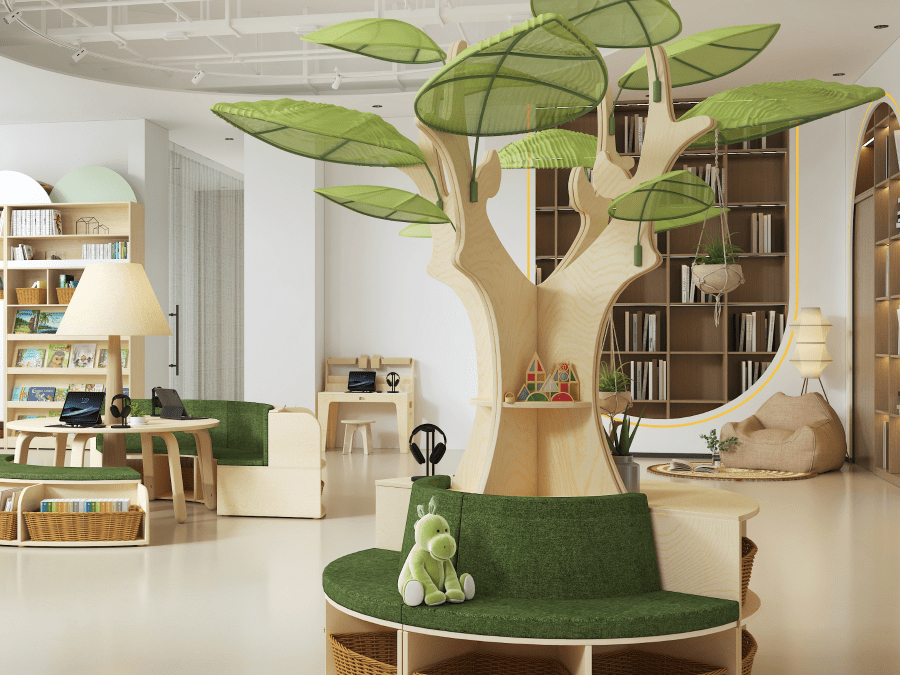
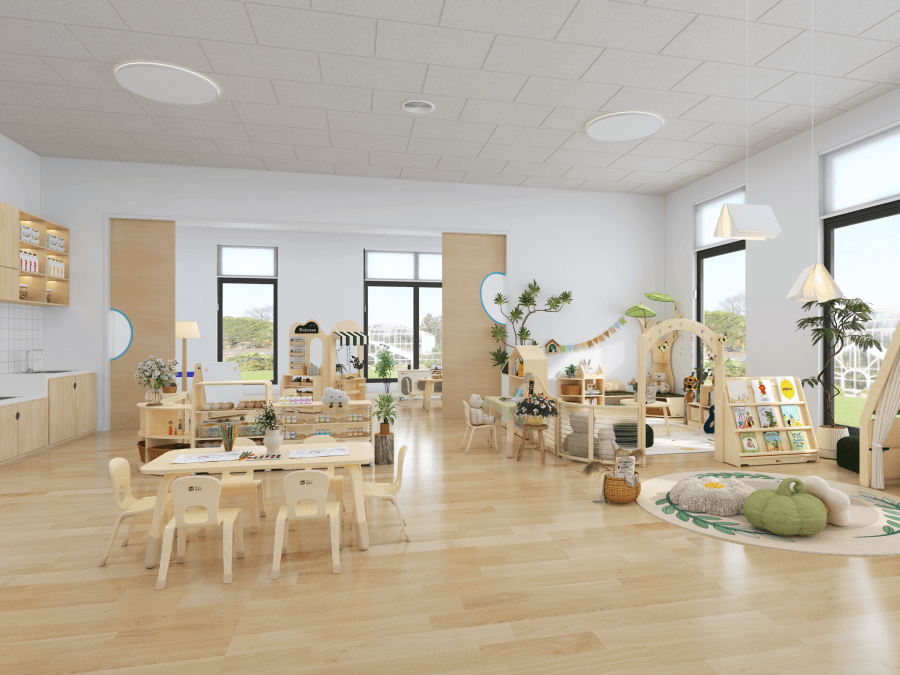
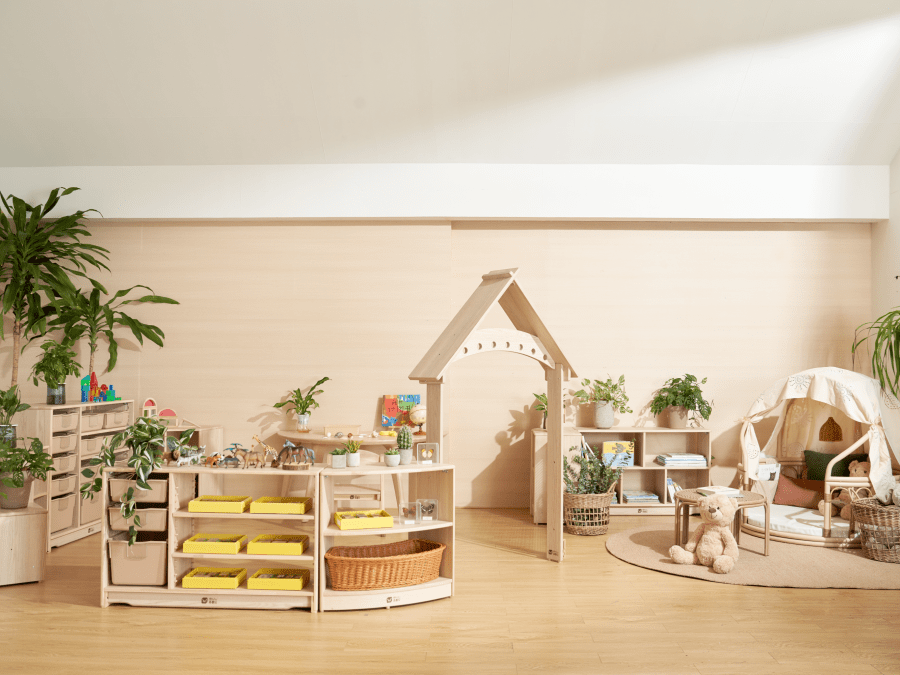
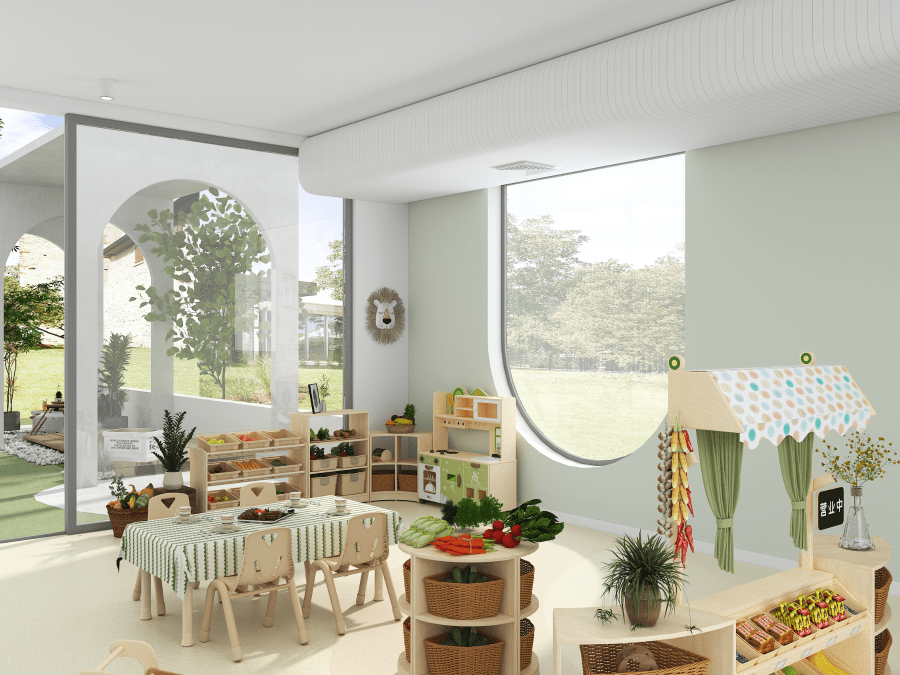
Daycare center furniture represents a specialized category of educational equipment designed specifically to meet the unique needs of early childhood development environments. This comprehensive furniture collection encompasses various essential pieces including child-sized tables and chairs, storage solutions, reading nooks, play areas, and safety-focused components that create nurturing learning spaces. The primary function of daycare center furniture revolves around providing age-appropriate seating, learning surfaces, and organizational systems that support both educational activities and recreational play. Modern daycare center furniture incorporates advanced safety technologies such as rounded corners, non-toxic finishes, and anti-tip mechanisms that prevent accidents while maintaining durability under constant use. These furniture pieces feature adjustable heights to accommodate children of different ages, enabling multi-age classroom configurations that maximize space utilization. The technological features of contemporary daycare center furniture include antimicrobial surface treatments that resist bacteria and viruses, scratch-resistant laminate surfaces that maintain appearance despite heavy use, and modular designs that allow for flexible room arrangements. Many pieces incorporate educational elements such as alphabet patterns, number sequences, and color-coding systems that reinforce learning concepts throughout daily activities. The applications of daycare center furniture extend across various educational settings including preschools, kindergartens, after-school programs, community centers, and home-based childcare facilities. These versatile furniture solutions support diverse activities ranging from arts and crafts projects to group reading sessions, meal times, and quiet individual study periods. The furniture's design considers both functionality and aesthetic appeal, creating welcoming environments that encourage exploration and creativity while maintaining the structural integrity necessary for institutional use in high-traffic educational facilities.
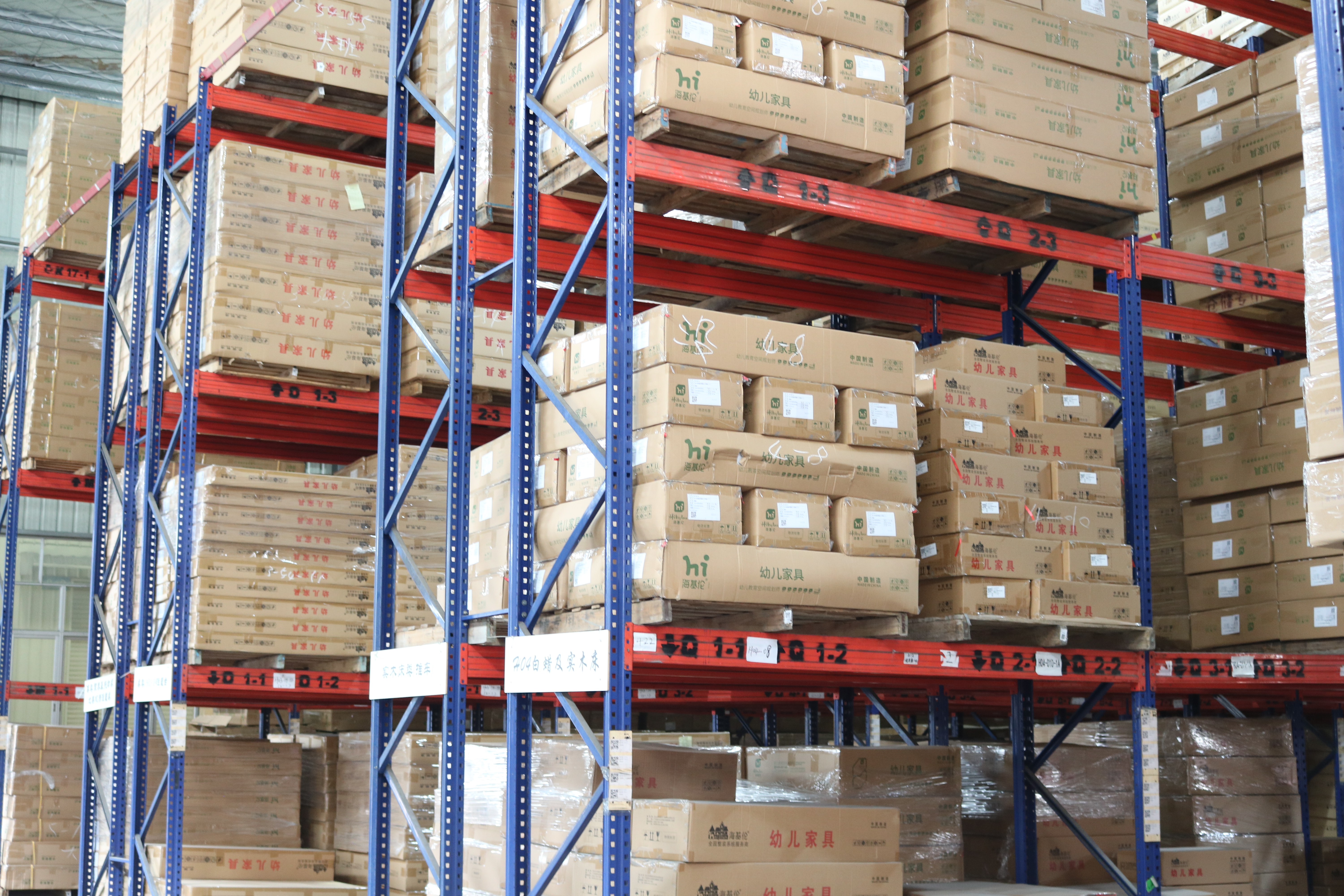
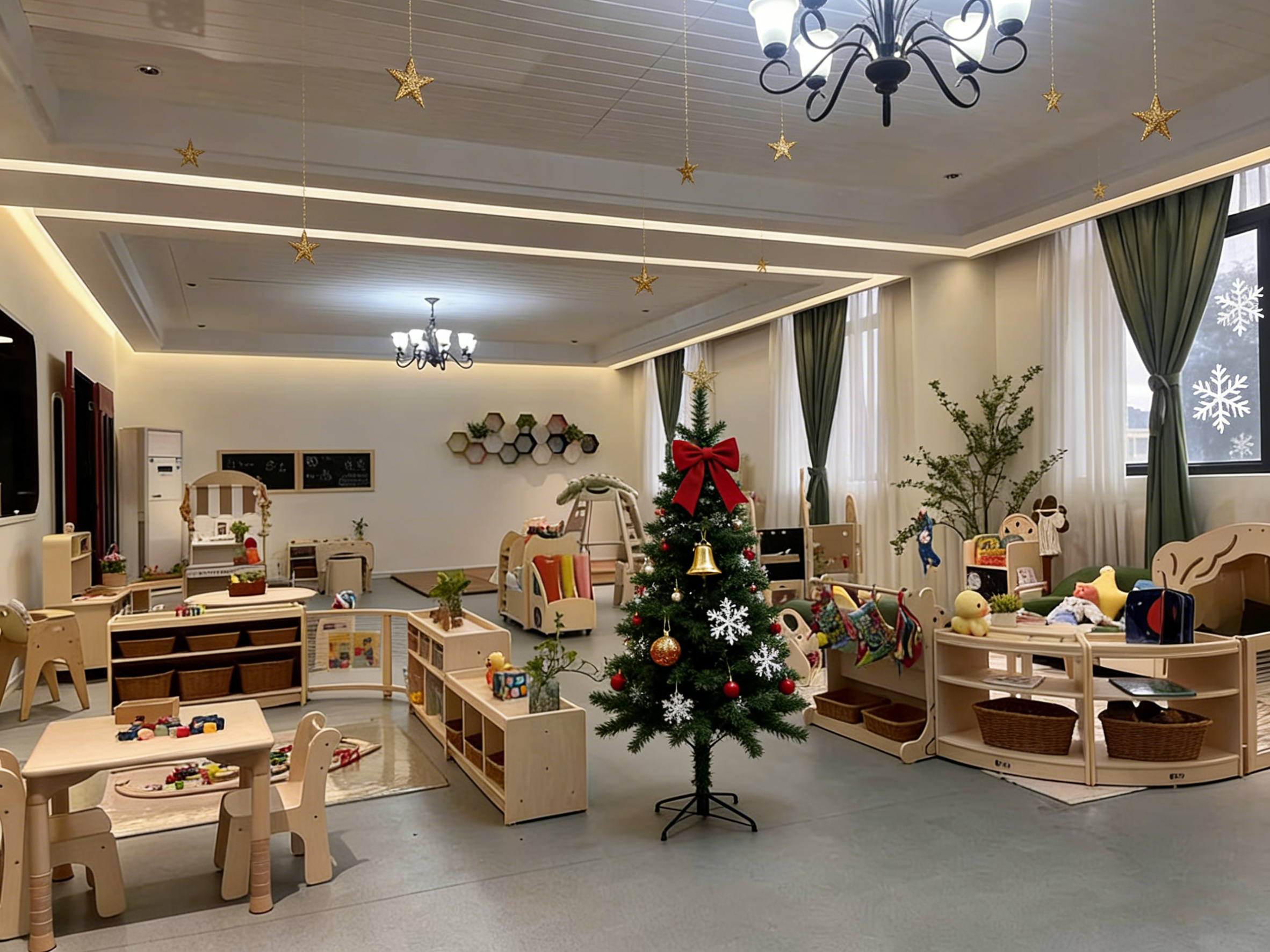
New Product Recommendations

Daycare center furniture offers numerous practical benefits that directly impact the daily operations and success of early childhood education facilities. The most significant advantage lies in the enhanced safety features that protect children during their developmental years. These specially designed pieces eliminate sharp edges and incorporate stable bases that prevent tipping, reducing accident risks and creating peace of mind for educators and parents alike. The size-appropriate dimensions of daycare center furniture ensure proper posture development in young children, supporting healthy growth patterns and comfortable learning experiences throughout extended classroom sessions. Easy maintenance represents another crucial advantage, as daycare center furniture typically features stain-resistant surfaces and simple cleaning protocols that help staff maintain hygienic environments efficiently. This practical benefit saves valuable time and resources while ensuring compliance with health regulations. The durability factor of professional daycare center furniture provides exceptional value over time, withstanding the rigorous daily use typical in childcare environments while maintaining structural integrity and appearance. The modular nature of modern daycare center furniture systems allows administrators to reconfigure spaces quickly to accommodate different activities, group sizes, or special events without requiring additional purchases. This flexibility maximizes the utility of existing furniture investments while adapting to evolving program needs. Cost-effectiveness emerges as a substantial benefit when facilities invest in quality daycare center furniture, as the reduced replacement frequency and minimal maintenance requirements result in lower long-term operational costs. The educational integration capabilities of specialized daycare center furniture support learning objectives by incorporating visual elements and interactive features that reinforce academic concepts naturally throughout daily routines. These furniture pieces also promote independence in young children by providing accessible storage solutions and appropriately scaled work surfaces that enable self-directed activities. The positive impact on classroom management cannot be understated, as well-organized daycare center furniture creates clear activity zones that help children understand expectations and transitions between different parts of their day. Finally, the professional appearance of quality daycare center furniture enhances the facility's reputation among parents and regulatory agencies, supporting enrollment goals and community standing while creating environments that truly serve the developmental needs of young learners.

Latest News

Hikeylove Your Partner in Getting It There Smoothly: A Look at Our Logistics & Care

24

Dec

Hikeylove Your Partner in Getting It There Smoothly: A Look at Our Logistics & Care

View More
A Festive Journey Through Imagination: Experience Hikeylove's World This Christmas

25

Dec

A Festive Journey Through Imagination: Experience Hikeylove's World This Christmas

A Festive Journey Through Imagination: Experience Hikeylove's World This Christmas
View More
Welcoming 2026: A Year of Transformative Spaces for Growth and Learning

30

Dec

Welcoming 2026: A Year of Transformative Spaces for Growth and Learning

View More
The Hikeylove Story: 25 Years of Crafting Spaces for Childhood.

03

Jan

The Hikeylove Story: 25 Years of Crafting Spaces for Childhood.

View More

Get a Free Quote

Our representative will contact you soon.
Email
Name
Company Name
Mobile/WhatsApp
Message
0/1000

daycare center furniture

Superior Safety Engineering and Child-Centric Design

Superior Safety Engineering and Child-Centric Design

The exceptional safety engineering incorporated into modern daycare center furniture represents the pinnacle of child-focused design innovation, addressing every potential hazard that could arise in active learning environments. This comprehensive approach to safety begins with meticulous attention to edge treatment, where every corner and edge undergoes specialized rounding processes that eliminate sharp points and reduce injury risks during normal play and movement. The stability engineering of daycare center furniture utilizes advanced weight distribution principles and low center-of-gravity designs that prevent tipping even when children climb or lean on furniture pieces, a common behavior in energetic classroom settings. Anti-tip mechanisms are seamlessly integrated into the furniture structure without compromising aesthetic appeal or functionality. The materials selection process prioritizes non-toxic finishes and components that meet or exceed rigorous safety standards, ensuring that even if children come into direct contact with surfaces through normal exploration behaviors, they remain protected from harmful chemicals or substances. The structural integrity of daycare center furniture undergoes extensive testing protocols that simulate years of intensive use, including weight stress tests, impact resistance evaluations, and joint stability assessments that guarantee long-term safety performance. Height specifications are carefully calibrated to match developmental stages, ensuring that children can use furniture independently without straining or requiring assistance, thereby promoting confidence and reducing supervision demands. The surface treatments applied to daycare center furniture include antimicrobial properties that actively resist bacterial growth and viral transmission, creating healthier environments that support community wellness goals. Additionally, the non-slip features integrated into seating and table surfaces prevent sliding and shifting during use, maintaining stable platforms for learning activities and reducing distraction caused by furniture movement. This comprehensive safety approach extends to hardware selection, where fasteners and connection points are specifically chosen for their ability to withstand repeated stress while remaining secure and tamper-resistant, ensuring that curious children cannot access potentially dangerous components during normal exploration activities.
Educational Integration and Developmental Support Features

Educational Integration and Developmental Support Features

Daycare center furniture serves as an integral component of the educational environment, incorporating sophisticated design elements that actively support learning objectives and developmental milestones throughout early childhood education programs. The educational integration begins with carefully planned color schemes and visual elements that reinforce foundational concepts such as letter recognition, numerical understanding, and shape identification through subtle incorporation into furniture design elements. These learning-supportive features appear naturally within the furniture's aesthetic framework, allowing children to absorb educational content through passive exposure during routine activities rather than requiring dedicated instruction time. The height adjustability features of modern daycare center furniture accommodate the diverse developmental stages present in multi-age classroom settings, ensuring that each child can participate fully in activities regardless of their current growth trajectory. This adaptability supports inclusive educational practices while maximizing the utility of furniture investments across various age groups and program configurations. Storage integration within daycare center furniture promotes organizational skills and independence by providing accessible compartments and designated spaces for personal belongings, learning materials, and project supplies. These built-in storage solutions teach children responsibility while maintaining classroom organization and reducing clutter that can impede learning focus. The modular design characteristics of contemporary daycare center furniture enable educators to create dynamic learning environments that can be reconfigured to support different educational activities throughout the day, from individual work sessions to collaborative group projects and large group instruction periods. This flexibility supports diverse teaching methodologies and learning styles while maintaining efficient space utilization. The tactile and sensory elements incorporated into specialized daycare center furniture pieces provide additional developmental benefits, including fine motor skill enhancement through interactive components and sensory exploration opportunities that support cognitive development. The ergonomic considerations built into daycare center furniture design promote proper posture and physical development while ensuring comfort during extended learning periods, creating positive associations with educational activities that encourage continued engagement and enthusiasm for learning experiences.
Durability and Long-Term Value Investment Benefits

Durability and Long-Term Value Investment Benefits

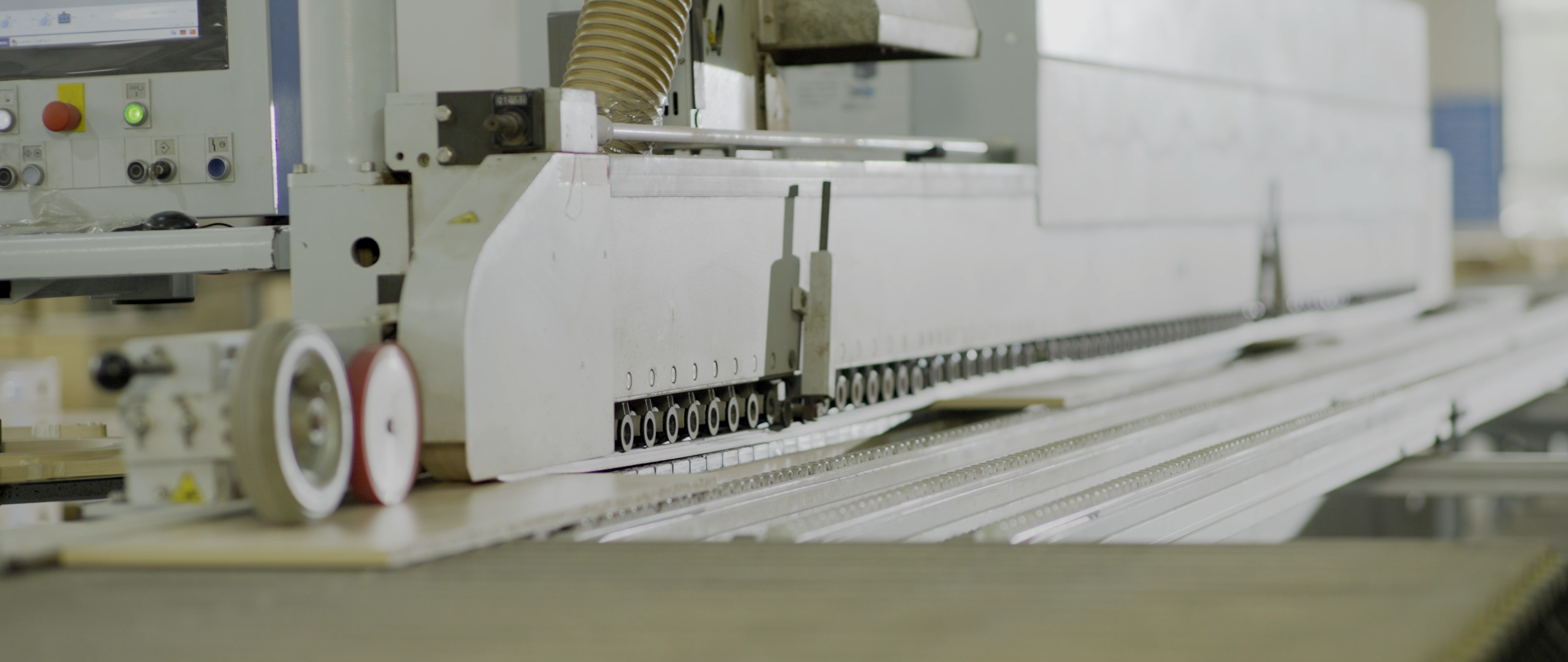
The exceptional durability characteristics of professional daycare center furniture represent a significant investment advantage that delivers substantial long-term value through reduced replacement costs, minimal maintenance requirements, and sustained performance under intensive daily use conditions. The construction methodologies employed in manufacturing daycare center furniture utilize industrial-grade materials and assembly techniques that far exceed residential furniture standards, ensuring structural integrity that withstands the unique challenges presented by active childhood environments. The frame construction typically incorporates solid hardwood components or high-strength engineered materials that resist warping, cracking, and joint failure even under repeated stress from climbing, jumping, and general rough handling that characterizes normal childhood behavior patterns. Surface treatments applied to daycare center furniture include advanced protective coatings that resist scratches, stains, and chemical damage from cleaning products and art supplies commonly used in educational settings. These protective finishes maintain their appearance and functionality over years of continuous use, eliminating the need for frequent refinishing or replacement due to cosmetic deterioration. The hardware selection process prioritizes commercial-grade fasteners and connection systems that maintain tight joints and stable assemblies despite constant movement and adjustment typical in dynamic classroom environments. The fabric and upholstery materials chosen for daycare center furniture incorporate stain-resistant and fade-resistant properties that preserve appearance while simplifying cleaning procedures and reducing maintenance labor costs. Additionally, many upholstery options feature antimicrobial treatments that provide ongoing protection against bacterial growth and odor development, supporting hygiene standards while extending usable life spans. The modular design approach common in modern daycare center furniture systems allows for individual component replacement when necessary, avoiding complete furniture replacement and further extending investment value. Quality daycare center furniture typically includes comprehensive warranty coverage that demonstrates manufacturer confidence in durability while providing protection for facility investments. The cost analysis over typical furniture lifecycles reveals that initial investments in quality daycare center furniture result in significantly lower total cost of ownership compared to frequent replacement of lower-grade alternatives, making professional furniture solutions the economically sound choice for sustainable childcare operations.

Get a Free Quote

Our representative will contact you soon.
Email
Name
Company Name
Mobile/WhatsApp
Message
0/1000