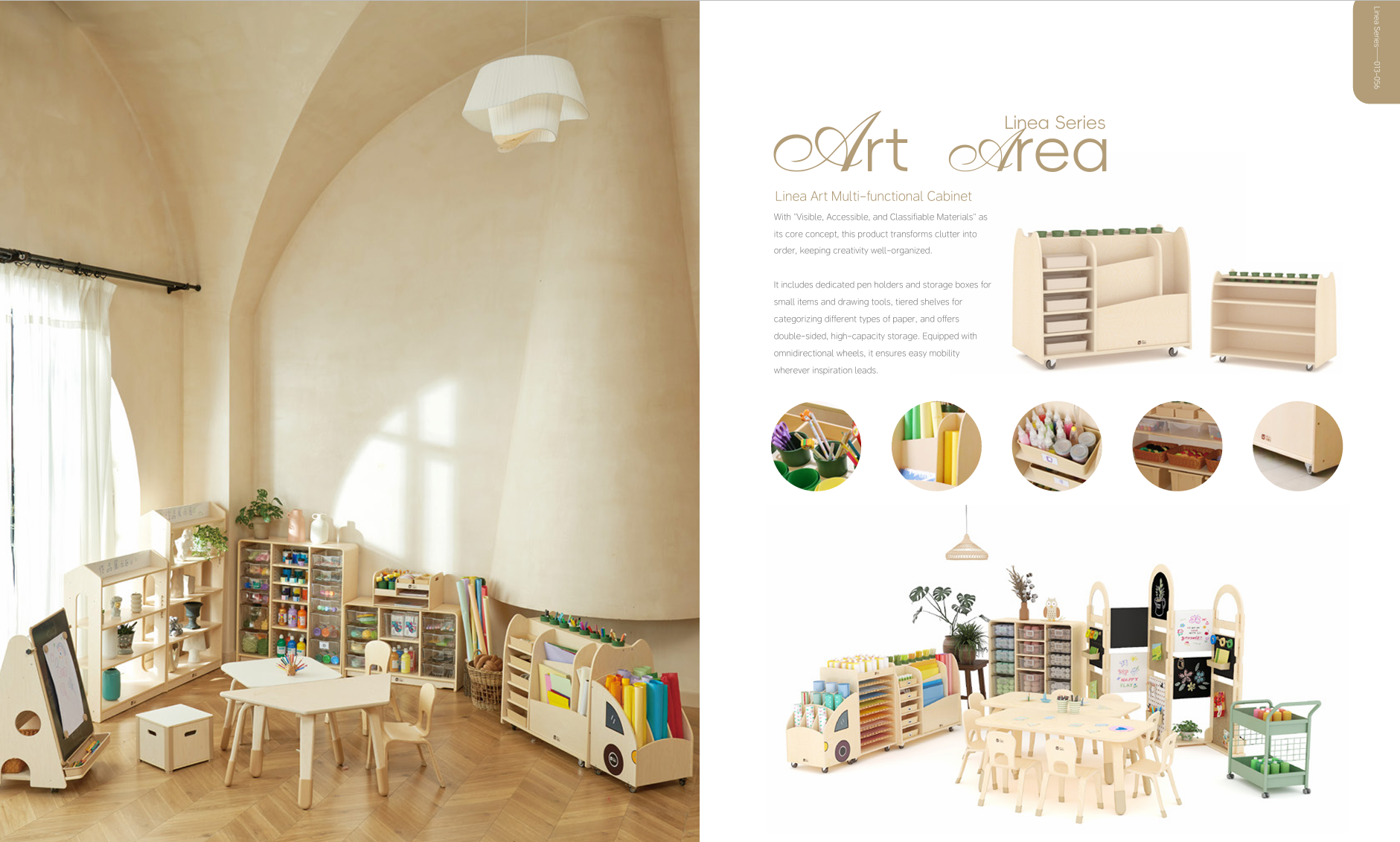
Grupinės priežiūros aplinkose, tokiuose kaip dienos priežiūros centrai, pradiniai mokyklos darželiai ir vaikų priežiūros įstaigos, higienos standartų laikymasis yra esminis, kad būtų užkirstas kelias ligų plitimui tarp vaikų ir darbuotojų. Tinkamų medžiagų pasirinkimas tiesiogiai veikia tiek valymo efektyvumą, tiek infekcijų kontrolės protokolus. darželio baldai lengvai dezinfekuojamos paviršiaus medžiagos tapo būtina sąlyga, o ne prabangos elementu, nes reguliavimo institucijos ir sveikatos departamentai vis labiau pabrėžia tinkamos dezinfekcijos svarbą ankstyvojo amžiaus ugdymo aplinkose.
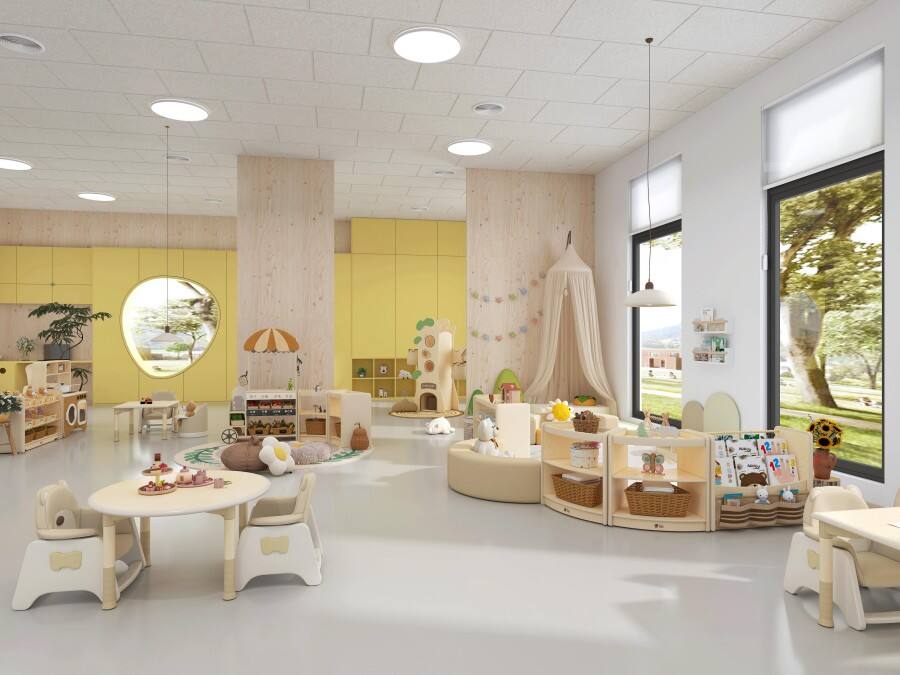
Iššūkis, su kuriuo susiduria vaikų priežiūros administratoriai ir įstaigų planuotojai, yra suderinti ilgaamžiškumą, saugą, naudingumą ir dezinfekcijos reikalavimus parenkant darželio baldus grupinėms patalpoms. Skirtingai nuo buitinės baldų įrangos, komercinės paskirties darželio baldai turi ištverti nuolatinį kelių vaikų naudojimą, išlaikyti savo konstrukcinę vientisumą ir išvaizdą po daugkartinės valymo procedūros naudojant ligoninių lygio dezinfekcinius priemones.
Neperšlampamos paviršiaus medžiagos maksimaliam dezinfekavimui
Didelio slėgio laminuoti paviršiai
Didelio slėgio laminatas yra vienas veiksmingiausių medžiagų vaikų darželių baldams grupinėje priežiūroje dėl visiškai nešvaraus paviršiaus. Ši medžiaga susideda iš kelių krafto popieriaus sluoksnių, prisotintų fenolio dervomis, viršutinio dekoratyvaus sluoksnio ir apsauginio skaidraus melamino dangos sluoksnio. Gamybos procesas sukuria vientisą paviršių, kuris neleidžia bakterijoms, virusams ir kitoms patogeninėms mikroorganizmų rūšims prasiskverbti ar pasislėpti mikroskopinėse porose.
Aukšto slėgio laminato dezinfekavimo pranašumas kyla iš jo gebėjimo atlaikyti pakartotinį valymą chloro pagrindu pagamintais dezinfekantais, ketvirtiniais amonio junginiais ir alkoholio pagrindu pagamintais tirpalais, nepažeidžiant ir neprarandant apsauginių savybių. Skirtingai nuo medžio lukšto ar dažytų paviršių, kurie laikui bėgant gali sukelti mikroįtrūkimus, laminatas išlaiko savo vientisumą net po tūkstančių valymo ciklų. Ši konsistencija užtikrina, kad vaikų kambario baldai tūkstantąją dieną išliktų tokie pat higieniški, kaip ir pradinio montavimo metu.
Laminuotos vaikų kambarių baldų priežiūros protokolai yra paprasti ir laiko taupantys, reikalaujantys tik standartinių komercinių dezinfekcijos priemonių ir mikropluošto audinių. Paviršius gali būti greitai išvalytas tarp veiklos, leidžiant greitą paruošimą, kuris yra būtinas užsiėmusiose grupinės priežiūros aplinkose. Be to, medžiagos atsparumas dėmėms reiškia, kad išsipylusios skysčiai ir nelaimei galima nedelsiant pašalinti be nuolatinės žalos baldų išvaizdai.
Kietosios paviršiaus medžiagos
Kietosios paviršiaus medžiagos, sudarytos iš akrylo arba poliesterio dervų, sujungtų su natūraliais mineralais, suteikia išsklitančias dezinfekcijos savybes darželio baldai taikymams. Šios medžiagos sukurtos taip, kad būtų visiškai neperšviečiamos visu savo storiu, todėl neleidžiama jokiam bakterijų augimui medžiagos struktūroje. Homogeniška sudėtis reiškia, kad net jei paviršius subraižytų, po jo esanti medžiaga išlaiko tas pačias higienines savybes.
Kietųjų paviršių medžiagų atsinaujinamumas suteikia ilgalaikę vertę grupinėse priežiūros aplinkose, kur baldai intensyviai naudojami. Nedidelės bruožos ar pažeidimai gali būti iššlifuoti ir poliruoti, kad būtų atkurtas pradinis lygus paviršius, taip efektyviai pratęgiant baldų tarnavimo laiką ir tuo pačiu išlaikant optimalias dezinfekavimo galimybes. Šis atsinaujinamumo veiksnys daro kietųjų paviršių vaikų darželio baldus ypač naudingais ilgalaikiu eksploatavimu.
Kitas svarbus privalumas, kurį kietieji paviršiai suteikia vaikų darželio baldams dezinfekuojant, yra jų cheminių medžiagų suderinamumas. Šie paviršiai gali atlaikyti beveik bet kokius valymo priemones, patvirtintas vaikų priežiūros tikslams, įskaitant stiprius dezinfekuojančius tirpalus, kurie kitoms medžiagoms gali būti žalingi. Galimybė, kai reikia, naudoti galingesnius dezinfekavimo protokolus, pvz., ligų protrūkių metu, suteikia įstaigų administratoriams lankstumo savo infekcijų kontrolės strategijose.
Specializuoti dengiamieji sluoksniai ir apdorojimai, padedantys gerinti higieną
Antimikrobiniai paviršiaus apdovanojimai
Pažangūs antimikrobiniai denginiai radikaliai pakeitė vaikų darželio baldų dezinfekavimo galimybes, užtikrindami nuolatinę apsaugą nuo bakterinės ir virusinės užterštumo. Šios apdorojimo priemonės į paviršiaus danga integruoja sidabro jonus, vario junginius arba cinko pagrindu paremtas medžiagas, kurios sukuria aplinką, aktyviai slopinančią mikroorganizmų augimą net tarp valymo procedūrų. Grupinėse priežiūros vietose, kur vaikai visą dieną gali liesti paviršius, ši nuolatinė apsauga suteikia papildomą saugumo lygį.
Antimikrobinės priemonės veiksmingumas ant darželio baldų paviršių buvo patvirtintas išsamiais tyrimais prieš dažnai pasitaikančius vaikų priežiūros aplinkoje mikroorganizmus, įskaitant Escherichia coli, Staphylococcus aureus ir įvairius kvėpavimo takų virusus. Nepriklausomų laboratorijų tyrimai rodo, kad tinkamai taikytos antimikrobinės danga gali sumažinti mikroorganizmų populiaciją iki 99,9 % per kelias valandas po sąlyčio, žymiai sumažindama kryžminės užkrėtimos riziką tarp vaikų.
Antimikrobinėmis priemonėmis apdorotų darželio baldų įdiegimas reikalauja supratimo apie sąveiką tarp šių priemonių ir standartinių valymo protokolų. Dauguma antimikrobinių dangų sukurtos veikti sinergiškai su reguliariais dezinfekcijos procesais, o ne visiškai jų pakeisti. Aktyvių antimikrobinių savybių ir tinkamos dezinfekcijos derinys sukuria išsamią infekcijų kontrolės sistemą, tinkamą intensyviai naudojamoms grupinėms priežiūros aplinkoms.
UV-spindulių atsparūs ir lengvai valomi paviršiai
Ultravioletinės spinduliuotės atsparūs baldų vaikų kambariui danga ne tik neleidžia išblukti spalvoms ir medžiagoms supilti, bet taip pat palengvina dezinfekavimą, išlaikydami paviršiaus lygumą laikui bėgant. Ultravioletinės spinduliuotės poveikis priežiūros įstaigose, ypač tų, kuriose yra dideli langai arba lauko žaidimų aikštelės, gali sukelti tradicinėms dangoms tapti miltuotomis arba šiurkščiomis, kuriant mikroskopines slėptuvėles teršalams. UV-atsparios dangos išlaiko lygų, lengvai valomą paviršių, kuris yra būtinas veiksmingam dezinfekavimui.
Šiuolaikinės lengvai valomos dangos naudoja nanotechnologijas, kad sukurtų ultra-lygius paviršius, kurie atsparūs dulkių, kūno skysčių ir kitų teršalų, dažnai pasitaikančių grupinėje priežiūroje, prilipimui. Šios molekuliniu lygiu atliktos modifikacijos vaikų kambarių baldų paviršiuje sumažina reikalingą laiką ir pastangas efektyviai išvalyti, tuo pačiu pagerindamos dezinfekavimo rezultatų nuoseklumą. Darbuotojai gali pasiekti kokybišką dezinfekavimą greičiau, todėl jiems lieka daugiau laiko tiesioginei vaikų priežiūrai.
UV-spindulių atsparių ir lengvai valomų dėklų ilgaamžiškumas tiesiogiai veikia vaikų darželio baldų ilgalaikį dezinfekavimo efektyvumą. Kadangi šios apsauginės dangos išlaiko savo vientisumą naudojant jas metus, po jų esantys baldai visą tarnavimo laiką užtikrina patikimus ir lengvai dezinfekuojamus paviršius. Ši nuoseklumas ypač svarbus grupinėje priežiūroje, kur baldų keitimas turi būti tiksliai numatytas biudžete ir suplanuotas labai anksti.
Medžiagų sudėtis ir konstrukciniai aspektai
Pagrindinės medžiagos pasirinkimas higienos tikslais
Pagrindo medžiaga po paviršiaus apdorojimais lemia vaikų darželio baldų visuotinį dezinfekavimo veiksmingumą. Vidutinės tankumo plaušo plokštė (MDF) su drėgmei atspariomis savybėmis sudaro puikų pagrindą lengvai dezinfekuojamiems paviršiams, nes ji išlaiko matmeninę stabilumą net tada, kai patenka į valymo tirpalus ir vaikų priežiūros aplinkose būdingas drėgmės svyravimus. Aukštos kokybės MDF vienodas tankis neleidžia deformuotis arba paburkti, kas galėtų pažeisti paviršiaus vientisumą ir sukelti valymo sunkumų.
Dalelių plokštės pagrindai, apdoroti be formaldehido rišikliais, siūlo kitą tinkamą variantą vaikų darželio baldų šerdims, ypač kai jie derinami su atitinkamais drėgmės barjerų sluoksniais. Pagrindinis dėmesys turi būti skiriamas užtikrinti, kad šerdies medžiaga išliktų stabilioje būsenoje ir neleistų išsisklaidyti pavojingų cheminių medžiagų, kai ji dažnai valoma komerciniais dezinfekciniais tirpalais. Visų kraštų ir įvairių įveržimų tinkamas hermetizavimas neleidžia prasiskverbti drėgmei, kuri gali sukelti šerdies susilpnėjimą ir potencialiai sukurti sąlygas mikroorganizmams daugintis.
Kietosios medienos šerdys, nors ir tradicinės, kelia unikalius iššūkius grupinės priežiūros dezinfekcijos protokolams dėl natūralios medienos porėtumo bei jos linkimo plėstis ir susitraukti esant drėgmės kaitai. Kai vaikų darželio baldų konstrukcijoje naudojama kietoji mediena, ji turi būti visiškai apsaugota atitinkamais drėgmės barjerų sluoksniais ir paviršiaus apdorojimais, kad būtų pasiektos neturinčios porų savybės, būtinos veiksmingai dezinfekuoti grupinėse patalpose.
Sujungimų konstrukcija ir statybos metodai
Vaikų kambarių baldų konstrukcijos metodika labai paveikia jų dezinfekavimo veiksmingumą, ypač tai, kaip suprojektuoti ir įvykdyti jungtys bei sujungimai. Bešvarinės jungtys pašalina plyšius ir tarpus, kuriose gali kaupiatисi teršalai, todėl galima kruopščiai išvalyti naudojant standartines procedūras. Metalinių detalių suvirintosios jungtys ir tinkamai hermetizuotos medžio jungtys sukuria tolydžią paviršių, kurį galima efektyviai nuvalyti šluostydami.
Mechaniniai tvirtinamieji elementai, naudojami vaikų kambarių baldų surinkime, turi būti suprojektuoti taip, kad nekeltų valymo sunkumų, vienu metu išlaikydami konstrukcinę vientisumą esant intensyviam naudojimui. Įleisti į paviršių įrenginiai ir paslėptieji tvirtinimo sistemos neleidžia susikaupti nešvarumams ir šiukšlėms aplink sujungimo vietas. Kai reikia matomų tvirtinamųjų elementų, jie turi būti pagaminti iš medžiagų, kurios atlaiko daugkartinę dezinfekcinėmis priemonėmis veikiamą aplinką be korozijos arba prastėjimo.
Bendrai naudojamoms vaikų darželio baldų sistemoms skirtose baldų detalėse reikia skirti ypatingą dėmesį kraštų apdailai ir apdailos elementams. Karščiu sandarinama kraštų apdaila sukuria bešvarius perėjimus tarp paviršių, neleisdama skysčiams prasiskverbti ir neleisdama bakterijoms daugintis kraštuose. Išlenkti kraštai ir kampai ne tik padidina saugumą, pašalindami aštrius kraštus, bet taip pat palengvina efektyvesnį valymą, nes pašalinami tokie plotai, kur įprasti valymo audiniai ir įrankiai negali pasiekti efektyviai.
Atitikties ir saugos standartai bendros priežiūros aplinkoje
Reguliavimo reikalavimai ir sertifikatai
Grupinės priežiūros įstaigos privalo laikytis konkrečių valstybės licencijavimo agentūrų ir sveikatos departamentų nustatytų reikalavimų dėl darželio baldų medžiagų ir dezinfekavimo galimybių. Šie reikalavimai dažnai nurodo minimalius paviršiaus valymo, cheminės atsparumo ir antimikrobinės savybės standartus, kurie tiesiogiai veikia medžiagų pasirinkimo sprendimus. Šių reikalavimų supratimas užtikrina, kad baldų investicijos atitiktų tiek dabartinius standartus, tiek numatomas ateities reguliavimo pakeitimus.
Sertifikavimo programos, tokios kaip GREENGUARD ir GREENGUARD Gold, suteikia nepriklausomą patvirtinimą, kad vaikų darželio baldų medžiagos atitinka griežtus cheminių išsklaidos standartus, vienu metu išlaikydamos dezinfekavimo veiksmingumą. Šie sertifikatai ypač svarbūs grupinėse priežiūros įstaigose, kur oro kokybė veikia kelių vaikų ir darbuotojų sveikatą per ilgus kasdienius veikimo laikotarpius. Sertifikuoti baldai rodo atitiktį vidaus oro kokybės standartams, kurie skatina sveikas mokymosi aplinkas.
Gaisrinės saugos taisyklės grupinėms priežiūros įstaigoms dažnai susiję su dezinfekavimo reikalavimais, todėl reikia atidžiai parinkti medžiagas, kurios vienu metu atitiktų abu šiuos kriterijus. Vaikų darželio baldų medžiagos turi pasiekti tinkamus liepsnos plitimo rodiklius, vienu metu išlaikydamos lengvai valomą paviršių net po daugkartinio sąveikavimo su valymo cheminėmis priemonėmis. Šis dvigubas reikalavimas dažnai riboja medžiagų pasirinkimą, tačiau užtikrina visapusišką saugą grupinėse priežiūros aplinkose.
Ištvermės testavimas ir našumo patvirtinimas
Komercinės paskirties vaikų darželio baldai, skirti grupiniam priežiūros naudojimui, yra išsamiai bandomi, kad būtų patvirtinta tiek jų konstrukcinė tvirtumas, tiek dezinfekavimo veiksmingumas imituojant intensyvios naudojimo sąlygas. Šie bandymai apima pakartotinius valymo ciklus naudojant patvirtintus dezinfekuojamuosius priemones, kad būtų užtikrinta, jog paviršiaus savybės išliks stabilios visą baldų numatytą tarnavimo laiką. Veiksmingumo patvirtinimas suteikia įstaigų administratoriams pasitikėjimo, kad jų baldų investicija išlaikys higienos standartus per daugelį metų intensyvaus naudojimo.
Pagreitinti senėjimo bandymai imituoja valymo chemikalų, UV spinduliavimo, fizinio nusidėvėjimo ir aplinkos sąlygų kaupiamąjį poveikį, būdingą grupinės priežiūros aplinkoje. Vaikų darželio baldai, kurie išlaiko šiuos bandymus, parodo įrodytą gebėjimą išlaikyti lengvai dezinfekuojamas savybes net po kelių metų eksploatacijos. Šie bandymų duomenys padeda administratoriams priimti informuotus sprendimus dėl pakeitimo grafikų ir priežiūros protokolų.
Cheminių medžiagų atsparumo tyrimai ypač įvertina, kaip vaikų darželio baldų medžiagos reaguoja į dažnai naudojamus dezinfekcijos tirpalus, dezinfekuojančius ir valymo produktus, naudojamus priežiūros įstaigose. Šių tyrimų rezultatai nukreipia patvirtintų valymo protokolų kūrimą, kurie maksimaliai padidina dezinfekcijos veiksmingumą, išlaikydami baldų vientisumą. Šis mokslinis priežiūros planavimo požiūris užtikrina optimalų infekcijų kontrolę visą baldų tarnavimo laiką.
Dažniausiai užduodami klausimai
Kas daro vaikų darželio baldų paviršių tikrai lengvai dezinfekuojamą grupinės priežiūros sąlygomis?
Lengvai dezinfekuojamos vaikų kambario baldų paviršiaus medžiaga turi būti visiškai nepraleidžianti skysčių, chemiškai atspari patvirtintoms dezinfekcinėms priemonėms ir neturėti įtrūkimų ar tekstūruotų sričių, kuriose galėtų pasislėpti teršalai. Paviršius turi išlaikyti savo vientisumą po tūkstančių valymo ciklų ir leisti greitai bei veiksmingai dezinfekuoti tarp naudojimų. Tokios medžiagos kaip aukšto slėgio laminatas ir kietieji paviršiai atitinka šiuos reikalavimus, nes jie užtikrina bešvarius, vienalyčius paviršius, kuriuos galima kruopščiai išvalyti pagal standartines procedūras.
Kiek kartų grupinėje priežiūroje reikia dezinfekuoti vaikų kambario baldus?
Vaikų darželio baldų dezinfekavimo dažnumas priklauso nuo naudojimo schemos ir įstaigos protokolų, tačiau daugumai grupinių priežiūros vietų reikalaujama paviršių dezinfekcijos tarp skirtingų vaikų grupių ir kiekvienos dienos pabaigoje. Dažnai liečiamus paviršius gali reikėti dezinfekuoti po kiekvienos veiklos ar maitinimo laikotarpio. Svarbiausia – pasirinkti tokias baldų medžiagas, kurios ištveria šį dažną valymą be pablogėjimo, kad būtų užtikrinta nuosekli dezinfekavimo veiksmingybė laikui bėgant.
Ar antimikrobiniai apdorojimai gali pakeisti įprastinį vaikų darželio baldų valymą?
Antimikrobiniai apdorojimai padeda pagerinti higieną, tačiau negali pakeisti įprastų valymo ir dezinfekcijos protokolų vaikų darželių baldams grupinėse priežiūros aplinkose. Šie apdorojimai užtikrina nuolatinę apsaugą tarp valymo procedūrų, slopindami mikroorganizmų augimą, tačiau matomą purvą, išsipylimus ir stiprią užterštumą vis tiek reikia pašalinti fiziniais būdais, taikant tinkamas valymo procedūras. Antimikrobinių apdorojimų ir reguliaraus dezinfekavimo derinys sukuria veiksmingiausią infekcijų kontrolės sistemą.
Ko turėtų vengti įstaigų valdytojai renkdamiesi vaikų darželių baldus dezinfekavimo tikslais?
Pastatų valdytojai turėtų vengti vaikų darželio baldų su porėtais paviršiais, audinio apklopu, kurio negalima nuimti ir išplauti, neužsandarintais medžio paviršiais bei sudėtingais dizainais, turinčiais daug įtrūkimų arba sunkiai pasiekiamų vietų. Be to, reikėtų vengti medžiagų, kurios suskyla veikiamos paplitusių dezinfekcijos priemonių arba kurioms reikia specialių valymo produktų. Tikslas – parinkti baldus, kurie palaiko, o ne sudėtingina nustatytus dezinfekcijos protokolus, tuo pat metu atitikdami saugos ir tvirtumo reikalavimus grupinėms priežiūros aplinkoms.
Turinys
- Neperšlampamos paviršiaus medžiagos maksimaliam dezinfekavimui
- Specializuoti dengiamieji sluoksniai ir apdorojimai, padedantys gerinti higieną
- Medžiagų sudėtis ir konstrukciniai aspektai
- Atitikties ir saugos standartai bendros priežiūros aplinkoje
-
Dažniausiai užduodami klausimai
- Kas daro vaikų darželio baldų paviršių tikrai lengvai dezinfekuojamą grupinės priežiūros sąlygomis?
- Kiek kartų grupinėje priežiūroje reikia dezinfekuoti vaikų kambario baldus?
- Ar antimikrobiniai apdorojimai gali pakeisti įprastinį vaikų darželio baldų valymą?
- Ko turėtų vengti įstaigų valdytojai renkdamiesi vaikų darželių baldus dezinfekavimo tikslais?
