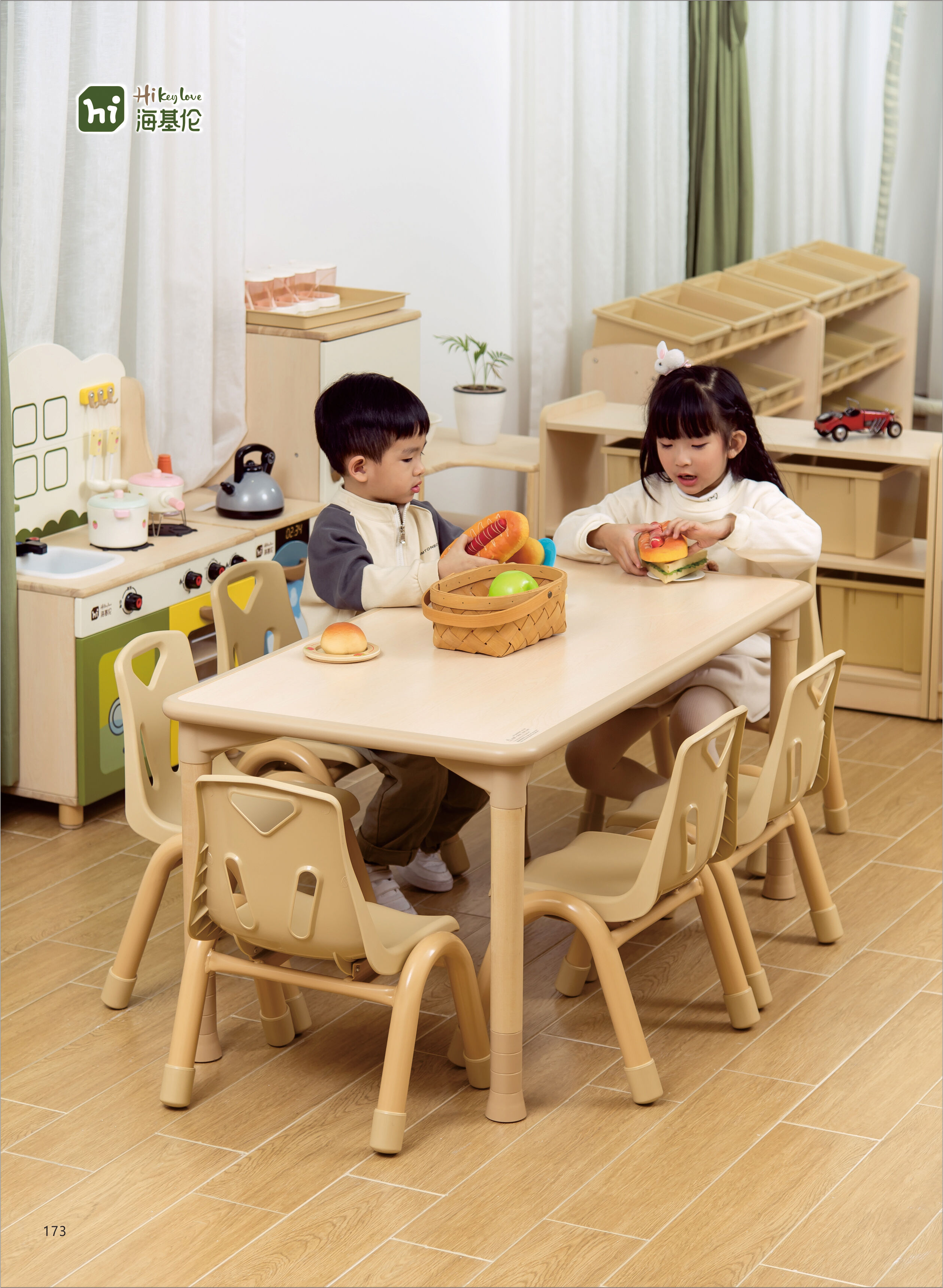
Making smart investment decisions for daycare furniture requires carefully weighing multiple factors that directly impact both your operational budget and the quality of care you provide. The challenge lies in finding the perfect balance between cost-effectiveness, long-term durability, and the visual appeal that keeps children engaged and excited about their learning environment. This comprehensive approach to daycare furniture selection can mean the difference between furniture that serves your facility for years and costly replacements that strain your budget.
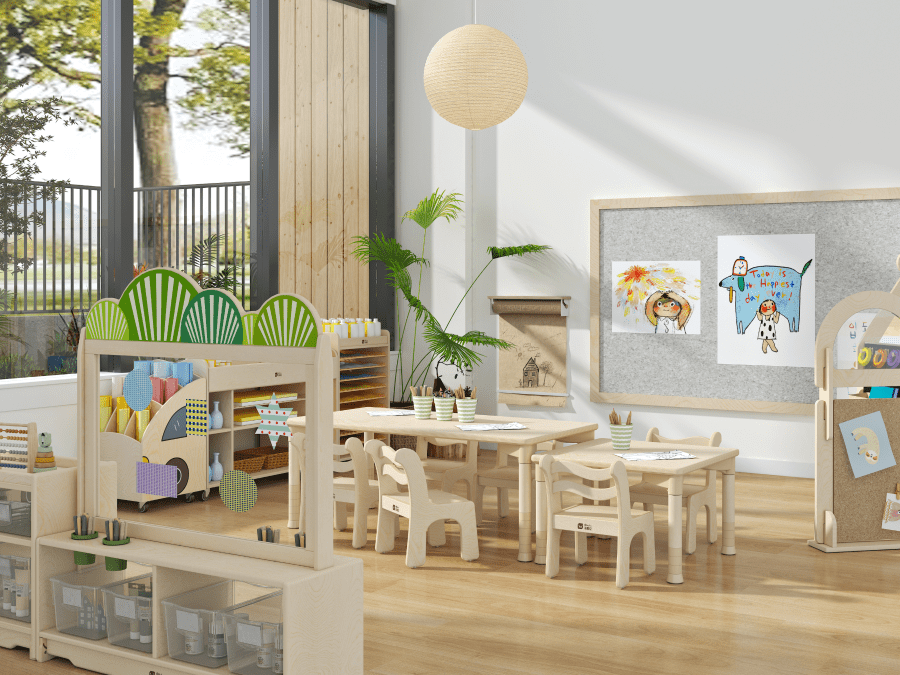
Understanding the true value of daycare furniture investment goes beyond simple price comparisons. Quality furniture pieces serve as educational tools, safety components, and comfort providers that shape children's daily experiences while supporting your facility's reputation and operational efficiency. The initial investment in well-chosen daycare furniture often pays dividends through reduced replacement costs, enhanced safety records, and improved parent satisfaction that translates into better enrollment and retention rates.
Understanding the True Cost of Daycare Furniture Investment
Initial Purchase Price vs. Long-Term Value
When evaluating daycare furniture options, the sticker price represents only a fraction of the total investment picture. Quality daycare furniture that costs more upfront often delivers superior long-term value through extended lifespan, reduced maintenance requirements, and consistent performance under heavy daily use. Commercial-grade materials and construction methods ensure that your furniture withstands the unique demands of childcare environments where spills, rough handling, and constant cleaning are everyday realities.
Budget-conscious daycare operators sometimes make the mistake of prioritizing lowest initial cost over total cost of ownership. However, cheaper daycare furniture often requires frequent repairs or complete replacement within just a few years, ultimately costing more than investing in higher-quality pieces from the start. Professional daycare furniture is engineered to meet commercial durability standards that residential furniture cannot match, making it essential for facilities serving multiple children daily.
Hidden Costs and Operational Impacts
The true cost of daycare furniture extends beyond the purchase price to include factors like delivery, assembly, maintenance, and eventual disposal. Professional installation services ensure proper setup that maximizes safety and functionality, while poor assembly can create safety hazards that expose your facility to liability risks. Additionally, furniture that requires special cleaning products or frequent professional maintenance adds ongoing operational expenses that budget calculations must account for.
Poorly chosen daycare furniture can also impact your facility's efficiency and staff productivity. Furniture that's difficult to clean, prone to damage, or uncomfortable for children creates additional work for staff and reduces the time available for direct childcare activities. Quality daycare furniture streamlines daily operations by requiring minimal maintenance while providing reliable functionality that supports your educational programming and care routines.
Durability Standards for High-Traffic Environments
Commercial-Grade Construction Requirements
Daycare furniture must withstand usage patterns that far exceed typical residential environments, requiring construction standards that prioritize structural integrity and longevity. Commercial-grade daycare furniture incorporates reinforced joints, heavy-duty hardware, and materials specifically chosen for their ability to handle constant use by multiple children throughout each day. These construction differences directly impact the furniture's ability to maintain safety standards and appearance over extended periods.
Understanding material specifications helps daycare operators make informed decisions about durability expectations. Solid wood construction offers natural durability but requires proper finishing to resist moisture and staining. High-quality laminates provide excellent cleanability and impact resistance, while steel hardware ensures joint stability under stress. The combination of appropriate materials and professional construction techniques creates Daycare Furniture that maintains both safety and functionality throughout years of intensive use.
Safety Certification and Compliance Standards
Durable daycare furniture must also meet stringent safety standards that protect children from injury while ensuring compliance with licensing requirements. These certifications verify that furniture meets specific standards for stability, chemical safety, and age-appropriate design features. Understanding these requirements helps daycare operators select furniture that not only lasts longer but also maintains compliance with evolving safety regulations.
Regular safety inspections and maintenance protocols extend the serviceable life of daycare furniture while ensuring continued compliance with safety standards. Quality daycare furniture is designed to facilitate these inspections through accessible hardware and clear wear indicators that signal when replacement becomes necessary. This proactive approach to furniture management prevents safety incidents while maximizing the value of your furniture investment.
Child Appeal and Developmental Considerations
Age-Appropriate Design Features
Effective daycare furniture balances visual appeal with developmental appropriateness, creating environments that stimulate learning while supporting children's physical and emotional needs. Colors, textures, and proportions should align with child development principles rather than simply following adult aesthetic preferences. Bright, engaging colors can energize active play areas, while softer tones in quiet zones promote calm focus and rest activities.
The scale and proportion of daycare furniture significantly impact children's comfort and independence. Child-sized furniture empowers young learners by allowing them to access materials and spaces without adult assistance, fostering confidence and self-reliance. However, furniture sizing must also accommodate staff needs for supervision and interaction, creating challenges that quality daycare furniture addresses through thoughtful design solutions.
Stimulating Learning Environments
Beyond basic functionality, daycare furniture serves as an integral component of the learning environment that influences children's engagement and educational outcomes. Interactive elements like built-in storage, display areas, and flexible configurations support various learning activities while maintaining the durability needed for daily use. Quality daycare furniture integrates these features seamlessly, avoiding the compromise between educational value and structural integrity.
The arrangement and selection of daycare furniture directly impact children's social development by facilitating or hindering interaction opportunities. Round tables encourage collaboration, while individual seating options provide necessary quiet time. Understanding these behavioral influences helps daycare operators choose furniture combinations that support their educational philosophy while maintaining the durability and budget parameters that ensure long-term success.
Strategic Budget Planning for Furniture Investments
Phased Implementation Approaches
Smart daycare operators often implement furniture upgrades through strategic phasing that spreads costs over time while prioritizing the most critical needs first. This approach allows facilities to invest in higher-quality daycare furniture for essential items while gradually replacing less critical pieces as budget permits. Prioritizing high-use items like tables, chairs, and storage solutions ensures maximum impact from initial investments while building toward comprehensive facility improvements.
Seasonal planning can optimize furniture purchasing by taking advantage of manufacturer sales cycles and budget allocation timing. Many daycare furniture suppliers offer significant discounts during slower periods, while educational furniture manufacturers often promote new products at the beginning of school years. Understanding these patterns helps facilities maximize their purchasing power while acquiring the quality furniture needed for successful operations.
Financing and Budget Management
Various financing options can make quality daycare furniture more accessible to facilities with limited upfront capital. Equipment financing, supplier payment plans, and leasing programs each offer different advantages depending on cash flow patterns and tax considerations. Understanding these options helps daycare operators acquire the furniture they need without compromising other operational priorities or settling for substandard quality.
Effective budget management for daycare furniture includes establishing replacement reserves that spread costs over the furniture's expected lifespan. This proactive approach prevents emergency purchases that often compromise quality due to time constraints and limited options. Quality daycare furniture with predictable lifespans makes this planning process more reliable and helps facilities maintain consistent standards as pieces require replacement over time.
FAQ
How long should quality daycare furniture last in a typical facility?
Quality commercial-grade daycare furniture typically lasts 7-10 years with proper maintenance in high-use environments. Tables and chairs made from solid wood or high-grade laminates can often exceed this timeframe, while upholstered pieces may require replacement or reupholstering after 5-7 years depending on usage intensity and cleaning protocols. Investing in commercial-grade construction significantly extends lifespan compared to residential furniture, which typically requires replacement within 2-3 years in daycare settings.
What safety certifications should I look for when purchasing daycare furniture?
Look for daycare furniture that meets CPSC (Consumer Product Safety Commission) standards and carries certifications from recognized testing organizations like GREENGUARD for low chemical emissions. Many states also require specific certifications for commercial childcare furniture, so check your local licensing requirements. Additionally, furniture should comply with ADA accessibility guidelines and meet fire safety standards appropriate for commercial childcare facilities.
How do I balance attractive design with practical durability needs?
The best daycare furniture combines appealing colors and child-friendly designs with commercial-grade construction that ensures longevity. Look for pieces that use durable finishes and materials while incorporating engaging visual elements through color, texture, or interactive features. Many manufacturers now offer attractive daycare furniture that doesn't compromise on durability, allowing facilities to create appealing environments without sacrificing the practical requirements of busy childcare operations.
Should I buy all furniture at once or implement gradual upgrades?
A phased approach often provides better value by allowing you to prioritize essential items while spreading costs over time. Start with high-use items like tables, chairs, and primary storage solutions, then gradually upgrade secondary pieces as budget allows. This strategy lets you invest in higher-quality daycare furniture for critical items while learning from initial purchases to make better decisions for subsequent phases. Complete facility upgrades work well when budgets allow and ensure design consistency throughout your space.
