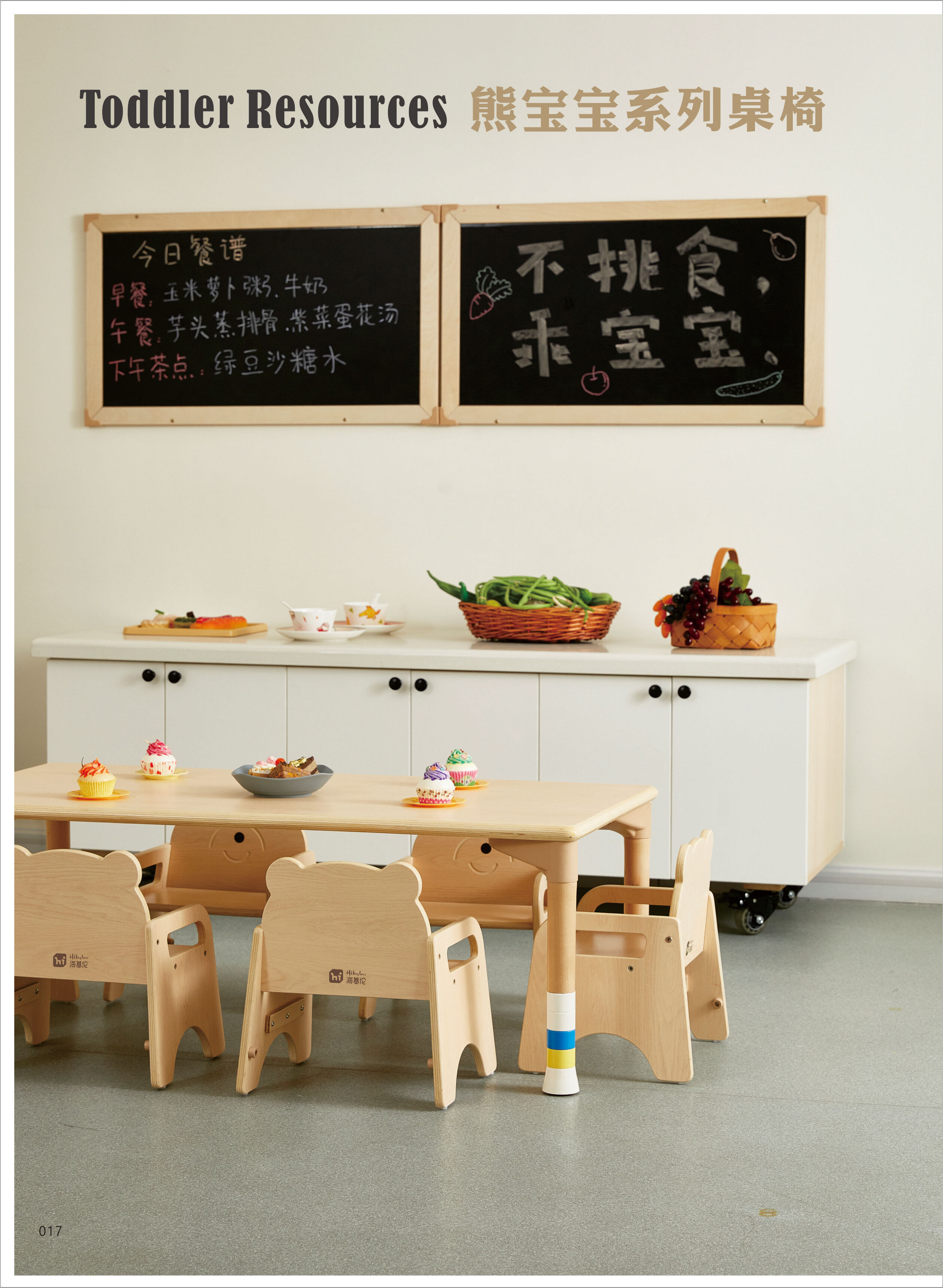
Finding reliable sources for contract-grade childcare furniture requires careful evaluation of suppliers who understand the unique demands of educational environments. Unlike residential furniture, childcare furniture must meet stringent safety standards, withstand heavy daily use, and comply with specific regulatory requirements that vary by region and facility type.
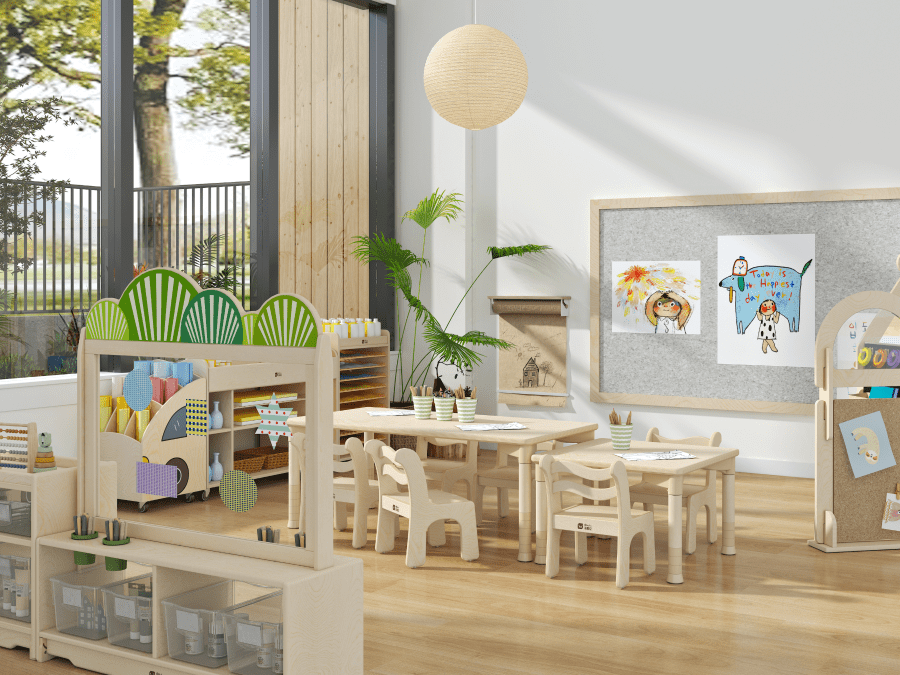
Professional procurement of childcare furniture demands thorough research of supplier credentials, product certifications, and long-term support capabilities. This sourcing guide provides facility directors and procurement professionals with the essential framework for identifying and evaluating suppliers who can deliver quality childcare furniture that meets both operational needs and budgetary constraints.
Understanding Contract-Grade Childcare Furniture Requirements
Safety and Compliance Standards
Contract-grade childcare furniture must comply with multiple safety standards including CPSC regulations, ASTM testing protocols, and state-specific childcare licensing requirements. These standards govern everything from corner radius specifications to chemical emissions limits, making compliance verification a critical first step in the sourcing process.
Proper childcare furniture suppliers maintain comprehensive documentation of testing results and certifications. Look for suppliers who provide detailed compliance reports and can demonstrate ongoing quality assurance programs that ensure consistent adherence to safety standards across their product lines.
The complexity of childcare furniture regulations requires suppliers with deep expertise in educational furniture markets. Vendors who specialize exclusively in childcare environments typically offer superior guidance on compliance issues compared to general commercial furniture suppliers.
Durability and Performance Specifications
Commercial childcare environments subject furniture to intense daily use, requiring construction methods and materials significantly more robust than residential alternatives. Quality childcare furniture features reinforced joints, heavy-duty hardware, and surface treatments designed to withstand frequent cleaning with commercial disinfectants.
Professional-grade childcare furniture suppliers provide detailed specifications for weight capacity, impact resistance, and expected service life under normal institutional use. These specifications help procurement teams make informed decisions about total cost of ownership rather than focusing solely on initial purchase price.
The best suppliers offer comprehensive warranty programs that reflect confidence in their childcare furniture durability claims. Extended warranty coverage often indicates superior manufacturing quality and provides valuable protection for facility budgets.
Identifying Qualified Childcare Furniture Suppliers
Industry Specialization Assessment
Specialized childcare furniture suppliers demonstrate deep understanding of early childhood development principles and translate these insights into functional design features. These suppliers typically maintain relationships with child development experts and regularly update their product lines based on evolving educational methodologies.
Look for suppliers who participate in industry associations such as the National Association for the Education of Young Children or similar professional organizations. Active involvement in these groups indicates commitment to staying current with childcare furniture trends and requirements.
The most qualified childcare furniture suppliers maintain dedicated design teams focused exclusively on educational environments. This specialization results in products that address real operational challenges faced by childcare facilities.
Manufacturing and Quality Control Capabilities
Reliable childcare furniture suppliers maintain strict quality control processes throughout their manufacturing operations. Request detailed information about quality checkpoints, material sourcing standards, and testing procedures used to ensure consistent product quality.
Consider suppliers who control their manufacturing processes rather than simply reselling imported products. Direct manufacturing control enables better quality assurance and more responsive customer service for childcare furniture buyers.
The best childcare furniture manufacturers invest in modern production equipment and maintain clean, organized facilities that reflect their commitment to quality. Facility tours can provide valuable insights into supplier capabilities and reliability.
Evaluating Supplier Credentials and References
Project Portfolio Assessment
Established childcare furniture suppliers maintain portfolios showcasing successful installations across diverse facility types. Review case studies that demonstrate experience with projects similar to your specific needs in terms of scale, budget, and operational requirements.
Request references from recent childcare furniture projects and conduct thorough follow-up interviews with facility directors who have worked with potential suppliers. Focus on questions about delivery performance, product quality, and post-installation support experiences.
The most credible suppliers readily provide detailed project references and encourage direct communication between prospects and existing customers. Reluctance to share reference information should raise concerns about supplier reliability.
Financial Stability and Business Continuity
Childcare furniture purchases represent significant investments that require ongoing supplier support for warranty service, replacement parts, and future expansion needs. Evaluate supplier financial stability through business references, credit reports, and length of time in business.
Consider the long-term viability of childcare furniture suppliers, particularly smaller companies that may lack resources to weather economic downturns or supply chain disruptions. Established suppliers with diverse customer bases typically offer greater business continuity assurance.
Review supplier insurance coverage and bonding capabilities, especially for large childcare furniture projects that involve significant financial commitments. Adequate insurance protection demonstrates professional business practices and provides additional security for buyers.
Sourcing Channels and Procurement Strategies
Direct Manufacturer Relationships
Establishing direct relationships with childcare furniture manufacturers often provides the best combination of pricing, customization options, and technical support. Direct purchasing eliminates distributor markups while ensuring access to the full range of available products and services.
Manufacturers specializing in childcare furniture typically offer comprehensive design services, space planning assistance, and installation coordination that adds significant value beyond the furniture itself. These services can substantially reduce project complexity and implementation costs.
Direct manufacturer relationships enable better communication about specific childcare furniture requirements and facilitate custom modifications when standard products don't meet facility needs. This flexibility proves especially valuable for unique space configurations or special program requirements.
Authorized Dealer Networks
Established childcare furniture manufacturers maintain networks of authorized dealers who provide local sales support, delivery services, and installation assistance. These dealers often offer valuable regional expertise and can provide more responsive service for smaller projects.
Authorized dealers typically receive specialized training on childcare furniture products and applications, enabling them to provide expert guidance throughout the selection and procurement process. This expertise proves particularly valuable for facilities new to commercial furniture purchasing.
Regional dealers may offer advantages in shipping costs and delivery scheduling for childcare furniture projects. Local presence also facilitates easier warranty service and ongoing support relationships.
Procurement Process Best Practices
Request for Proposal Development
Comprehensive RFP documents ensure potential childcare furniture suppliers understand project requirements and can provide accurate, comparable proposals. Include detailed specifications for safety standards, performance requirements, delivery schedules, and installation services.
Specify required documentation such as product certifications, warranty terms, and reference information to streamline supplier evaluation. Clear RFP requirements help identify suppliers who lack necessary qualifications early in the process.
Include provisions for childcare furniture sample evaluation, site visits, and presentation requirements in RFP documents. These requirements enable thorough assessment of supplier capabilities and product quality before making final selections.
Supplier Evaluation and Selection
Develop scoring criteria that weight factors such as product quality, pricing, delivery capability, and service support according to project priorities. Objective evaluation criteria help ensure consistent assessment of childcare furniture supplier proposals.
Consider conducting supplier interviews or presentations to assess communication skills, technical expertise, and cultural fit with facility needs. Personal interactions often reveal important insights about working relationships that paper proposals cannot convey.
Review contract terms carefully, paying particular attention to warranty provisions, delivery schedules, and change order procedures. Well-structured contracts protect both parties and establish clear expectations for childcare furniture project performance.
FAQ
What certifications should I look for when sourcing childcare furniture?
Look for GREENGUARD Gold certification for low chemical emissions, CPSC compliance for safety standards, and ASTM testing verification for structural performance. Additionally, check for state-specific childcare licensing approvals and any required fire safety certifications depending on your facility's location and regulations.
How do I verify the quality of contract-grade childcare furniture before purchasing?
Request physical samples for evaluation, review detailed product specifications and testing reports, and visit existing installations with similar products. Contact references from recent projects and ask specific questions about durability, safety performance, and ongoing satisfaction with the childcare furniture.
What should I expect for delivery timelines when ordering childcare furniture?
Typical delivery timelines range from 6-12 weeks for standard childcare furniture items, with custom orders potentially requiring 12-16 weeks. Factors affecting timing include product complexity, quantity, customization requirements, and current manufacturer production schedules. Always confirm delivery schedules in writing during the ordering process.
How can I ensure ongoing support after purchasing childcare furniture?
Choose suppliers who offer comprehensive warranty programs, maintain readily available replacement parts, and provide responsive customer service. Establish clear communication channels with your supplier and understand their procedures for warranty claims, parts ordering, and technical support to ensure smooth ongoing relationships.
Table of Contents
- Understanding Contract-Grade Childcare Furniture Requirements
- Identifying Qualified Childcare Furniture Suppliers
- Evaluating Supplier Credentials and References
- Sourcing Channels and Procurement Strategies
- Procurement Process Best Practices
-
FAQ
- What certifications should I look for when sourcing childcare furniture?
- How do I verify the quality of contract-grade childcare furniture before purchasing?
- What should I expect for delivery timelines when ordering childcare furniture?
- How can I ensure ongoing support after purchasing childcare furniture?
