Creating a safe and nurturing environment for your baby begins with selecting the right nursery furniture that combines functionality, safety, and comfort. Every piece of nursery furniture serves a specific purpose in supporting your baby's development while providing parents with practical solutions for daily care routines. From the moment you bring your little one home, the carefully chosen nursery furniture becomes the foundation of countless precious moments, feeding sessions, diaper changes, and peaceful sleep times that shape your baby's earliest experiences.

The selection of essential nursery furniture goes beyond aesthetic appeal and must prioritize safety standards, durability, and adaptability to your growing child's needs. Quality nursery furniture creates a cohesive environment that promotes healthy sleep patterns, supports developmental milestones, and provides parents with organized storage solutions that make daily care more manageable. Understanding which pieces of nursery furniture are truly essential versus optional helps parents make informed decisions that balance budget considerations with long-term functionality and safety requirements.
Safety-First Approach to Nursery Furniture Selection
Understanding Safety Standards and Certifications
Every piece of nursery furniture must meet stringent safety standards established by organizations such as the Consumer Product Safety Commission and ASTM International. These standards ensure that nursery furniture is free from harmful chemicals, has appropriate spacing between slats, and includes safety features that prevent accidents. When selecting nursery furniture, parents should look for certification labels that indicate compliance with current safety regulations, including lead-free finishes and non-toxic materials that protect babies from exposure to harmful substances.
The construction quality of nursery furniture directly impacts its safety performance over time. Sturdy joints, reinforced corners, and smooth edges are essential features that prevent injury and ensure longevity. Quality nursery furniture manufacturers conduct rigorous testing to verify that their products can withstand the daily use and occasional stress that comes with active children. Parents should examine the stability of nursery furniture pieces, ensuring that items like changing tables and dressers won't tip over even when drawers are fully extended or when children attempt to climb on them.
Chemical Safety and Material Considerations
Modern nursery furniture should be constructed from materials that emit minimal volatile organic compounds and are treated with non-toxic finishes. Low-emission or zero-emission nursery furniture helps maintain indoor air quality in the nursery, which is particularly important since babies spend significant time in this enclosed space. Solid wood nursery furniture often provides better air quality compared to composite materials, though many engineered wood products now meet strict emission standards when properly manufactured and finished.
The finish applied to nursery furniture requires special attention since babies and toddlers often mouth or chew on furniture surfaces. Water-based finishes and natural oil treatments are generally safer options compared to traditional lacquers that may contain harmful solvents. Parents should also consider the long-term durability of finishes, as worn or chipped surfaces may expose underlying materials or create rough edges that could cause injury. Quality nursery furniture maintains its protective finish throughout years of use, providing consistent safety and appearance.
Essential Nursery Furniture Pieces for Baby's Development
The Crib as the Central Sleep Sanctuary
The crib represents the most critical piece of nursery furniture, serving as your baby's primary sleep environment for the first several years of life. A quality crib provides the secure, contained space necessary for safe sleep while supporting healthy sleep patterns that are crucial for infant development. Modern cribs incorporate adjustable mattress heights that accommodate your growing baby, starting with a higher position for newborns and lowering as babies become mobile and capable of pulling themselves up on the crib rails.
Convertible cribs offer exceptional value by transforming into toddler beds and eventually full-size beds, making this nursery furniture investment last well beyond the infant years. The conversion capability extends the useful life of this essential nursery furniture piece while maintaining familiar surroundings that help children transition through different sleep stages. When selecting a convertible crib, parents should ensure that all conversion components are included and that the design maintains structural integrity throughout each configuration change.
Changing Tables and Diaper Organization
A dedicated changing table provides a safe, convenient surface for diaper changes while incorporating essential storage for supplies and clothing. This piece of nursery furniture should include safety rails and a secure changing pad that prevents babies from rolling off during diaper changes. The height of changing table nursery furniture should be comfortable for parents to use without straining their backs, as this surface will be used multiple times daily throughout the diaper-wearing years.
Storage compartments integrated into changing table nursery furniture keep diapers, wipes, creams, and clothing easily accessible during changes while maintaining organization in the nursery. Open shelving, drawers, and cabinet combinations provide different storage options that accommodate various organizational preferences and nursery layouts. Some parents prefer nursery furniture that combines changing functionality with dresser storage, creating a dual-purpose piece that maximizes space efficiency in smaller nurseries.
Storage Solutions and Organization Systems
Dresser and Clothing Storage Requirements
Adequate clothing storage is essential in nursery furniture planning, as babies require frequent outfit changes and quickly outgrow sizes. A well-designed dresser provides organized storage that makes daily dressing routines more efficient while keeping the nursery tidy and functional. Deep drawers accommodate bulky items like blankets and sleep sacks, while shallow drawers work well for smaller clothing items and accessories that need to be easily accessible.
The durability of drawer slides and handles becomes particularly important in nursery furniture, as these components will experience heavy use throughout the child's early years. Quality nursery furniture features soft-close drawer mechanisms that prevent slamming and reduce noise that might wake sleeping babies. The interior organization of dresser drawers can be enhanced with dividers and organizers that keep small items separated and easy to locate during busy morning routines or middle-of-the-night clothing changes.
Bookshelf and Toy Storage Integration
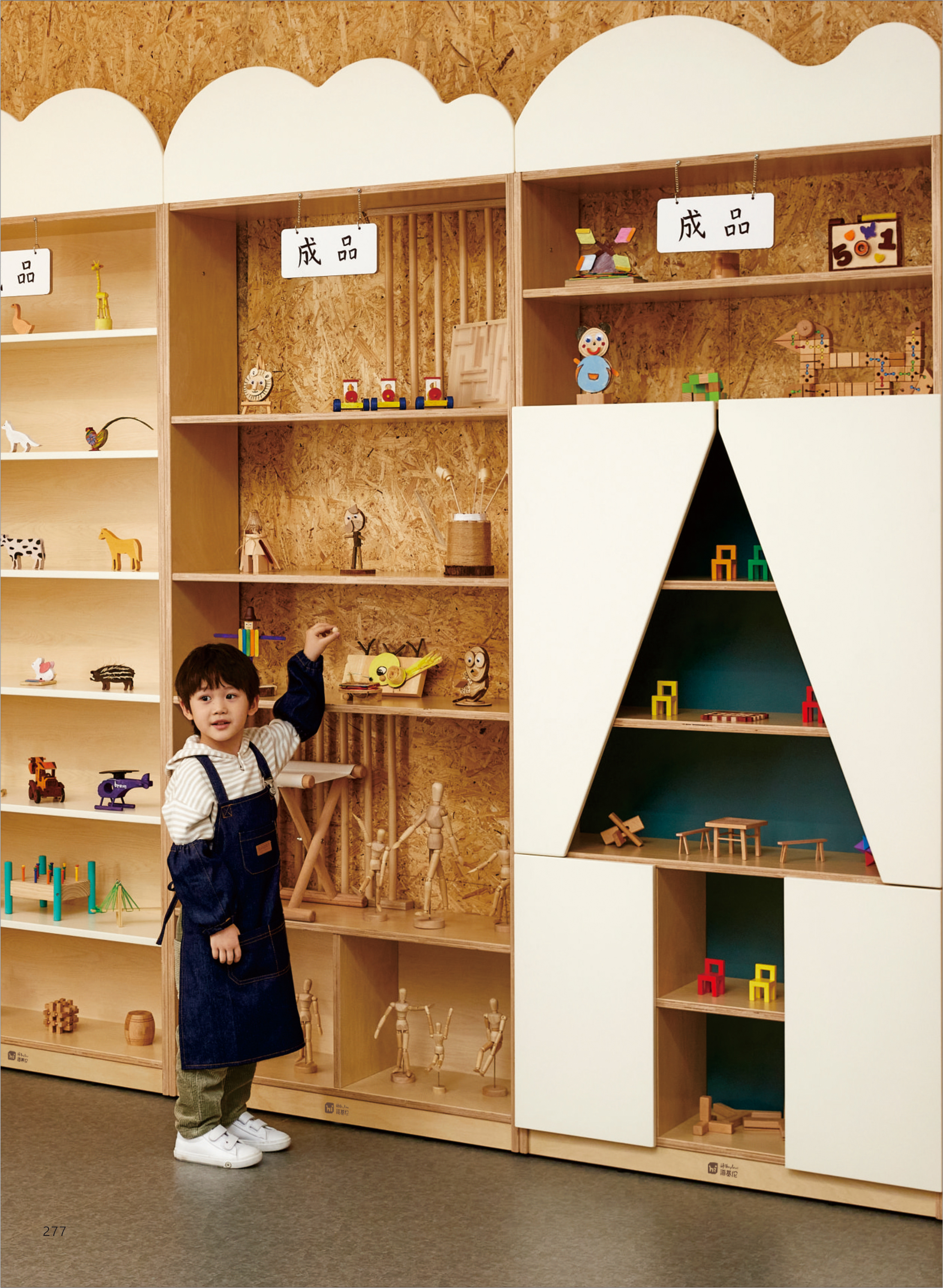
A bookshelf serves multiple purposes in nursery furniture arrangements, providing storage for books, toys, and decorative items while contributing to the room's aesthetic appeal. Low, accessible shelving encourages reading habits from an early age and allows toddlers to independently select books and toys as they develop autonomy. The stability of bookshelf nursery furniture is crucial, as curious toddlers may attempt to climb or pull on shelves, requiring secure anchoring to wall studs for safety.
Combination storage solutions that integrate open shelving with closed cabinet storage provide flexibility for displaying cherished items while concealing less attractive necessities. This type of nursery furniture grows with the child, transitioning from baby supply storage to toy organization and eventually to school supplies and personal belongings. The versatility of well-designed storage nursery furniture makes it a valuable long-term investment that adapts to changing family needs.
Comfort and Bonding Furniture Elements
Nursing Chairs and Feeding Stations
A comfortable nursing chair represents one of the most personally important pieces of nursery furniture, as it becomes the location for countless feeding sessions, bedtime stories, and quiet bonding moments. The ergonomic design of nursery furniture seating should provide proper support for extended periods of use, including lumbar support and armrests at appropriate heights for holding and feeding babies. Rocking or gliding mechanisms add soothing motion that helps calm fussy babies and creates a peaceful environment for both parent and child.
The fabric and cushioning of nursing chair nursery furniture must balance comfort with practicality, as these pieces inevitably encounter spills, spit-up, and other messes common with infant care. Performance fabrics that resist stains and allow easy cleaning maintain the appearance and hygiene of this essential nursery furniture piece. Some nursing chairs include built-in storage for nursing supplies, books, or personal items, adding functionality to this already essential piece of nursery furniture.
Side Tables and Convenience Accessories
A side table positioned near the nursing chair creates a convenient surface for water bottles, snacks, phones, and other items parents need during feeding sessions. This supporting piece of nursery furniture should be at an appropriate height to reach easily without disturbing a feeding baby. The surface should be large enough to accommodate daily essentials while remaining stable and secure when accessed in low-light conditions during nighttime feedings.
The storage capacity of side table nursery furniture can include drawers or lower shelves that keep frequently used items organized and easily accessible. Some parents prefer nursery furniture pieces that include charging stations or cord management features that accommodate modern electronics and baby monitoring equipment. The design of these convenience pieces should complement the overall nursery furniture aesthetic while providing maximum functional benefit.
Space Planning and Layout Optimization
Traffic Flow and Accessibility Design
Effective nursery furniture placement creates clear pathways that allow safe navigation during day and nighttime routines. The arrangement should provide easy access to the crib from multiple angles while maintaining sufficient space around the changing area for safe diaper changes. Nursery furniture positioning must consider the swing radius of doors, including closet doors and entry doors that could interfere with furniture placement or create safety hazards.
The relationship between different pieces of nursery furniture should support efficient daily routines, with storage areas positioned within easy reach of activity zones. For example, placing diaper supplies near the changing table and clothing storage near the crib creates logical workflow patterns that save time and reduce disruption during care routines. The scale of nursery furniture relative to room size affects both functionality and safety, as oversized pieces can make navigation difficult and create cramped conditions that increase accident risk.
Growth Adaptation and Future Flexibility
Smart nursery furniture selection considers how pieces will function as the child grows and needs change over time. Modular nursery furniture systems allow reconfiguration as spatial requirements evolve, providing long-term value and adaptability. The ability to repurpose nursery furniture for different uses extends the investment value while maintaining familiar elements that provide comfort and continuity for growing children.
Height-adjustable components in nursery furniture accommodate changing accessibility needs as children grow from infant to toddler stages. Convertible pieces that transform function while maintaining structural integrity provide seamless transitions that support developing independence. The timeless design of quality nursery furniture ensures that pieces remain stylistically relevant throughout extended use periods, avoiding the need for premature replacement due to aesthetic changes.
FAQ
What are the absolute essentials when buying nursery furniture for a newborn?
The essential nursery furniture pieces for a newborn include a safety-certified crib with appropriate mattress, a changing table or dresser with changing capabilities, adequate clothing storage such as a dresser or wardrobe, and a comfortable nursing chair for feeding and bonding. These core pieces provide the foundation for safe sleep, efficient care routines, and comfortable parent-child interactions while maintaining organization in the nursery space.
How do I ensure the nursery furniture I choose meets current safety standards?
To ensure nursery furniture meets current safety standards, look for certification labels from recognized testing organizations like GREENGUARD, CPSC compliance markings, and ASTM safety standard certifications. Verify that the nursery furniture manufacturer provides clear documentation of safety testing, uses non-toxic finishes, and follows current guidelines for construction details like slat spacing and stability requirements. Purchase from reputable retailers who can provide safety documentation and warranty information for all nursery furniture pieces.
Should I buy a complete nursery furniture set or individual pieces?
The choice between complete nursery furniture sets versus individual pieces depends on your specific needs, budget, and nursery space requirements. Complete sets offer design cohesion and often provide cost savings, but individual piece selection allows customization for specific functional needs and room dimensions. Consider purchasing core safety items like the crib individually to ensure optimal quality and safety features, while coordinating storage and seating pieces that can be selected for aesthetic harmony and functional requirements.
When should I start shopping for nursery furniture during pregnancy?
Begin shopping for nursery furniture during the second trimester to allow adequate time for research, delivery, and room setup before the baby's arrival. This timing provides flexibility to compare options, wait for sales or custom orders, and complete assembly and installation without the pressure of immediate need. Essential pieces like the crib should be set up and safety-checked at least four weeks before the due date, allowing time to address any issues or concerns with the nursery furniture setup.
