
In an era where the market is saturated with "bright and loud" toys, the true challenge for modern parents and educators isn't finding products—it's finding purpose. At Hikeylove, we believe that every object a child touches is a silent teacher, a tool that shapes their cognitive architecture and emotional resilience. To lead in the children’s product industry today, we must move beyond mere utility and embrace a philosophy that bridges the gap between play and profound developmental milestones.
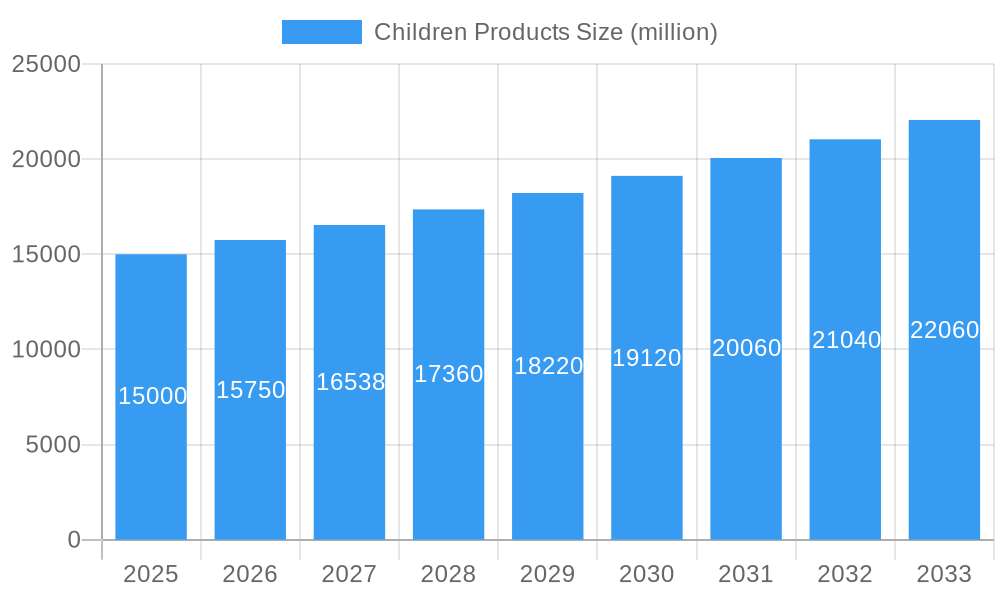
The global children's products market is shifting toward "educational play," with a projected compound annual growth rate (CAGR) driven by increased parental investment in early childhood development.
Professional readers and modern parents are increasingly prioritizing "Five Forces" dynamics: quality, safety, educational value, sustainability, and aesthetic integration into the home.
Market trends indicate a move away from plastic-heavy designs toward sustainable materials that offer sensory-rich experiences.
Online apparel and product markets are seeing a surge in "customer landscape" shifts, where brand authority is built through transparency and thought leadership rather than just aggressive discounting.
The industry is currently witnessing a pivot from passive entertainment to active engagement. For years, the market was dominated by toys that "did things" for the child—batteries, flashing lights, and pre-recorded sounds. However, modern educational research, including the Montessori and Reggio Emilia approaches, suggests that the most effective tools are those that require the child to do the work. At Hikeylove, our design ethos is rooted in this "low-tech, high-engagement" philosophy. By providing open-ended products, we allow children to develop critical thinking and problem-solving skills that are essential for the 21st-century workforce.
One of the most significant barriers to building a high-authority brand in this space is the "clutter factor." Professional parents are looking for products that harmonize with their living spaces. We advocate for a "Home-Harmonious" design language. This means using a palette that is neurologically soothing rather than overstimulating. Ergonomically, every Hikeylove product is analyzed for "growth-adaptability"—ensuring that a product purchased for a two-year-old remains relevant and physically supportive as they reach four or five. This longevity is not just a selling point; it is a commitment to sustainable consumption.
The Science of Sensory IntegrationChildren learn through their senses. The tactile difference between a cold piece of plastic and a warm, textured piece of sustainably sourced wood is significant for a developing brain. Our analysis shows that "sensory-rich" environments contribute to better fine motor skills and emotional regulation. By integrating various textures, weights, and natural materials into our product line, we aren't just making toys; we are creating a curriculum for the hands. This level of detail is what attracts professional educators and pediatric specialists to our brand, as it demonstrates a deep understanding of child physiology. Sustainability as a Standard, Not a FeatureIn 2025 and beyond, sustainability is no longer an "extra." It is a fundamental requirement for any brand seeking industry leadership. The children's product market is particularly sensitive to this, as parents are naturally concerned about the world their children will inherit. ket We believe in a "Circular Childhood" model, where products are durable enough to be passed down through generations, reducing the carbon footprint per child and fostering a culture of "quality over quantity."

Leading Chinese brand for 20+ years, supplying eco-safe, design-driven kindergarten furniture & turnkey space solutions to 10,000+ preschools worldwide.
No. 26 Gongye Avenue, Shunjing Industrial Park, Banfu Town, Zhongshan City, Guangdong Province
Copyright © 2026 Zhongshan Haijilun Cultural And Educational Product Co., Ltd.. All rights reserved. Privacy Policy