preschool chairs
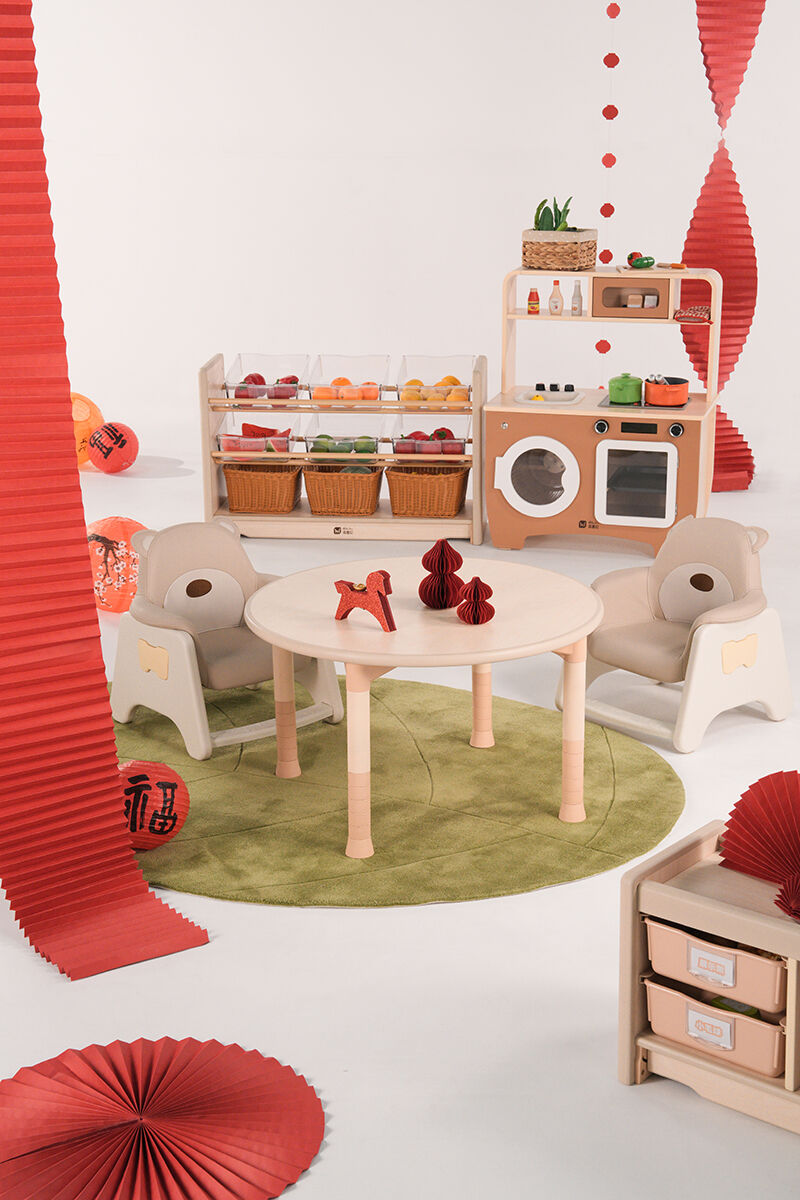
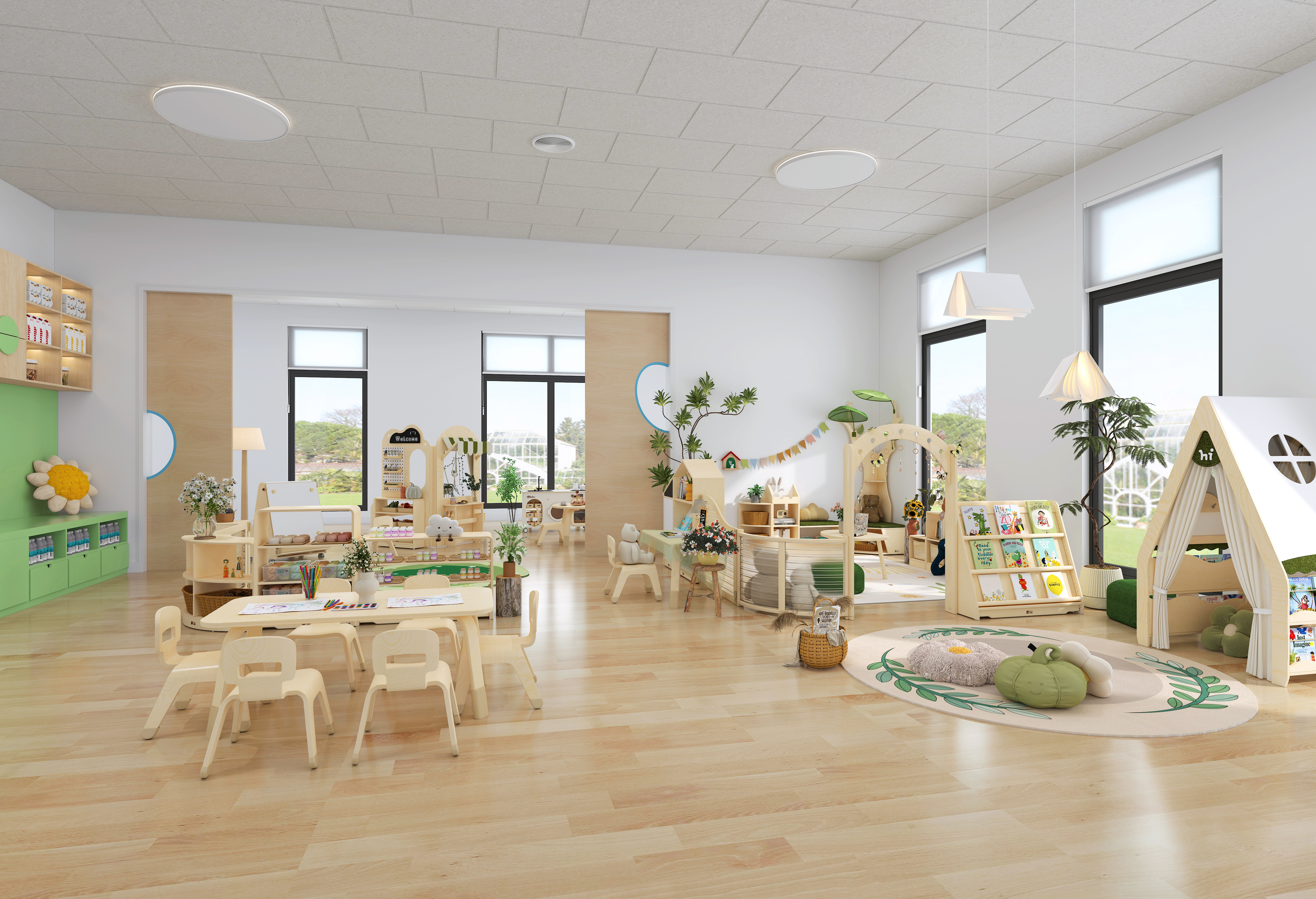
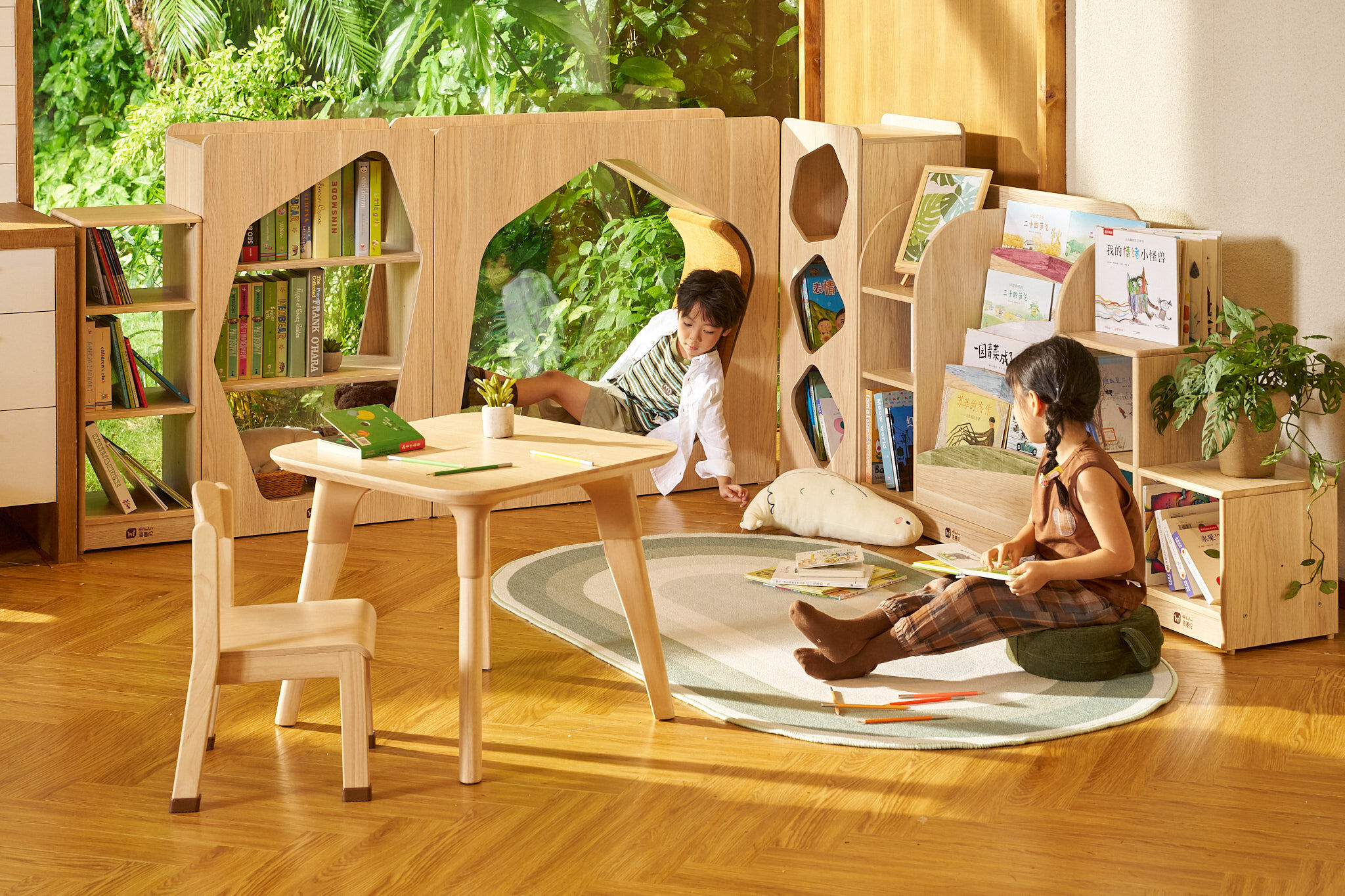
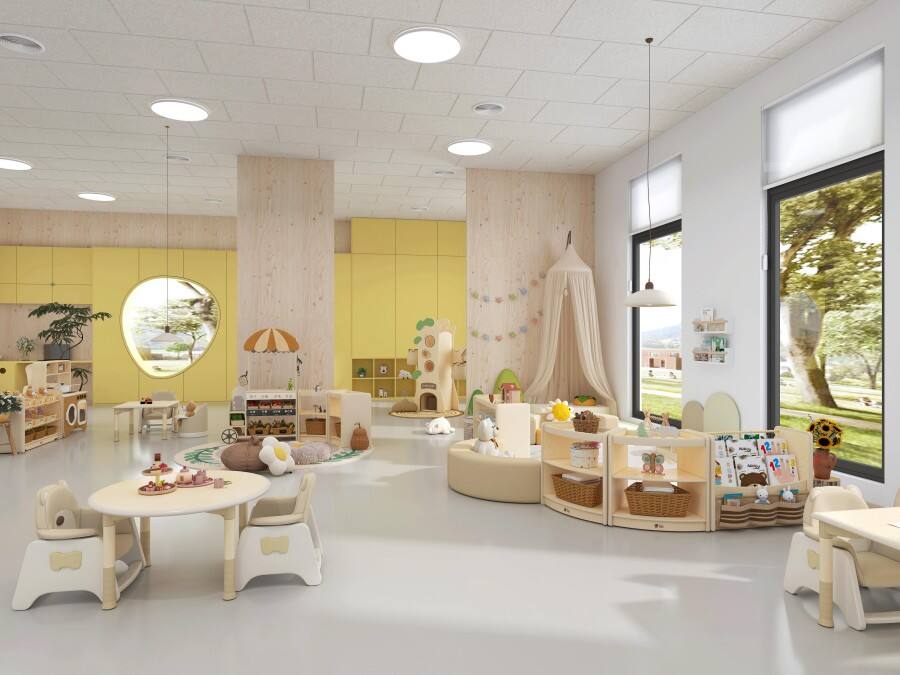
Preschool chairs represent a fundamental component of early childhood educational environments, specifically engineered to meet the unique physical and developmental needs of children aged 2-6 years. These specialized seating solutions incorporate advanced ergonomic principles, safety standards, and durability features that distinguish them from standard adult or general children's furniture. The primary function of preschool chairs centers on providing appropriate postural support during learning activities, meals, and group interactions while promoting healthy spinal alignment and proper sitting habits from an early age. Modern preschool chairs integrate lightweight yet robust construction materials, typically featuring high-grade polypropylene or reinforced plastic compounds that resist impact, staining, and daily wear patterns common in educational settings. Technological innovations include stackable designs for efficient storage, non-slip foot caps for enhanced stability, and smooth surfaces that facilitate easy cleaning and sanitization protocols essential in childcare environments. These chairs accommodate various classroom applications including circle time discussions, art projects, dining activities, and individual learning stations. The dimensional specifications follow strict guidelines ensuring appropriate seat height ratios relative to standard preschool tables, typically ranging from 10-14 inches depending on age group classifications. Color-coding systems often integrate into preschool chair designs, enabling teachers to implement organizational strategies, size differentiation, and behavioral management techniques. Advanced manufacturing processes ensure rounded edges eliminate sharp corners that could pose injury risks, while reinforced joint connections provide long-term structural integrity under constant use conditions. Many contemporary preschool chairs feature antimicrobial surface treatments that actively reduce bacterial growth, supporting health and hygiene standards mandated by educational licensing authorities. The versatility of these seating solutions extends beyond traditional classroom environments to include libraries, daycare centers, therapy rooms, and home learning spaces where young children engage in structured activities requiring proper seating support and comfort.