Premium Preschool and Daycare Furniture - Safe, Durable Solutions for Early Learning Environments

Get a Free Quote

Our representative will contact you soon.
Email
Name
Company Name
Mobile/WhatsApp
Message
0/1000

preschool and daycare furniture

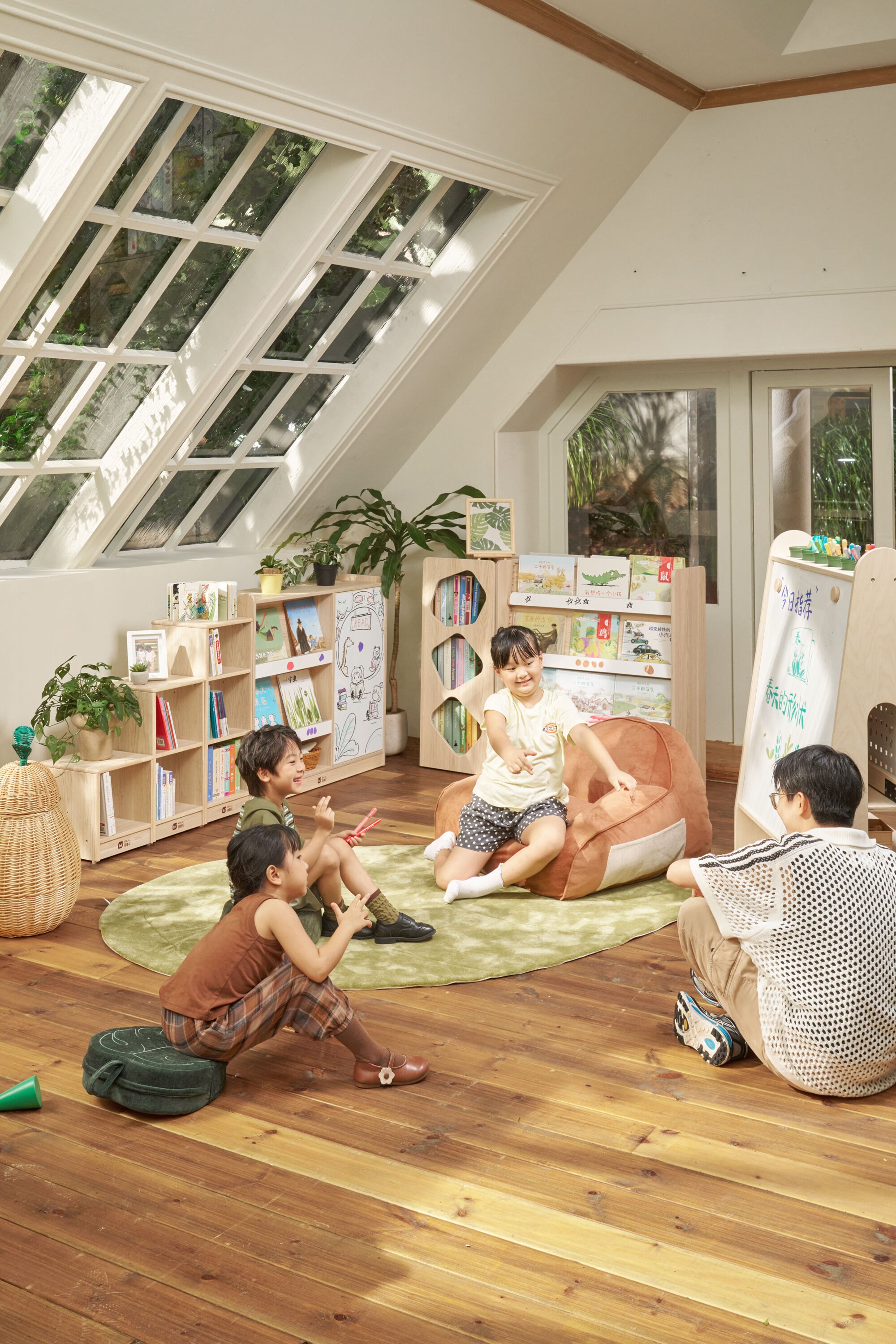
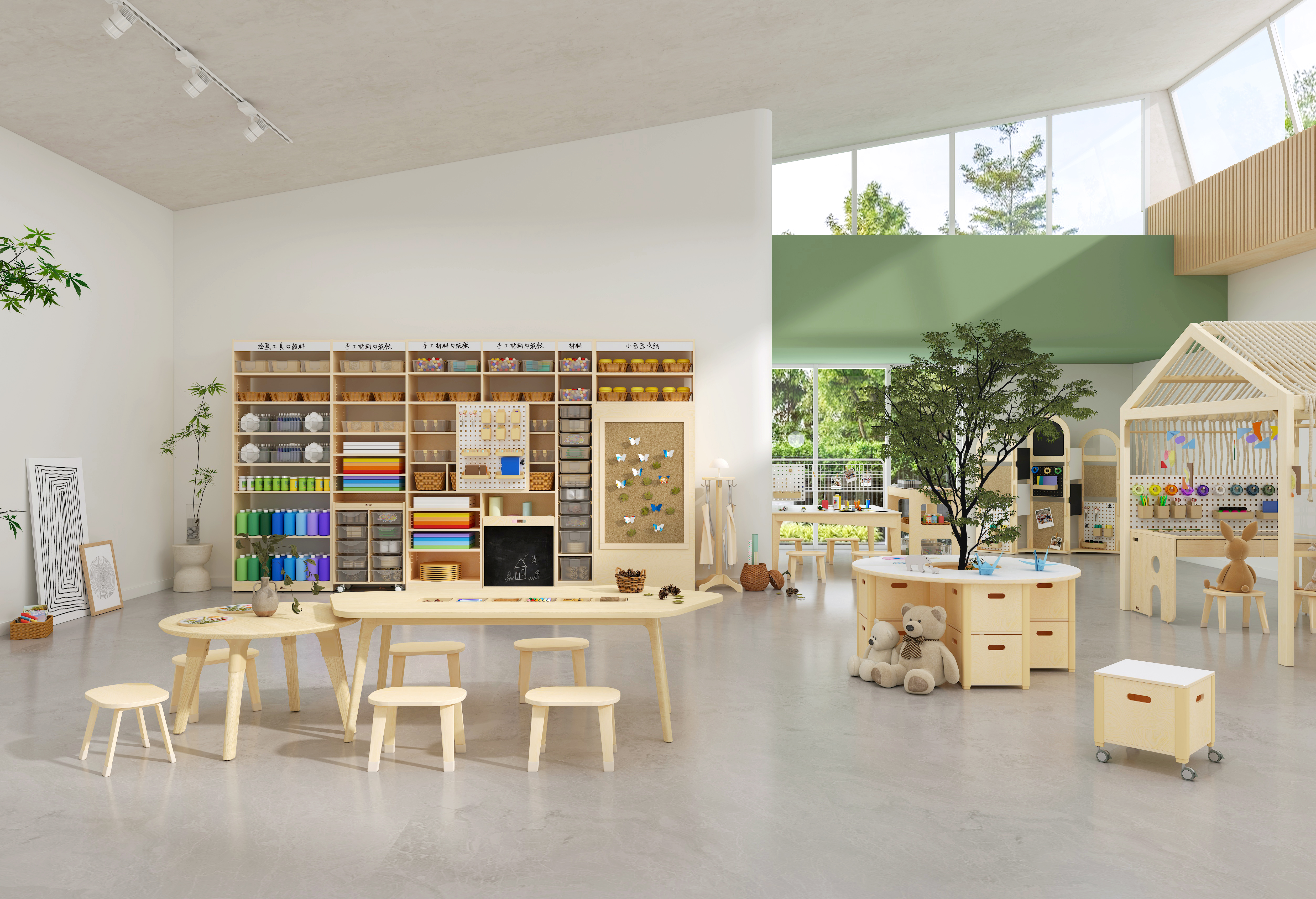
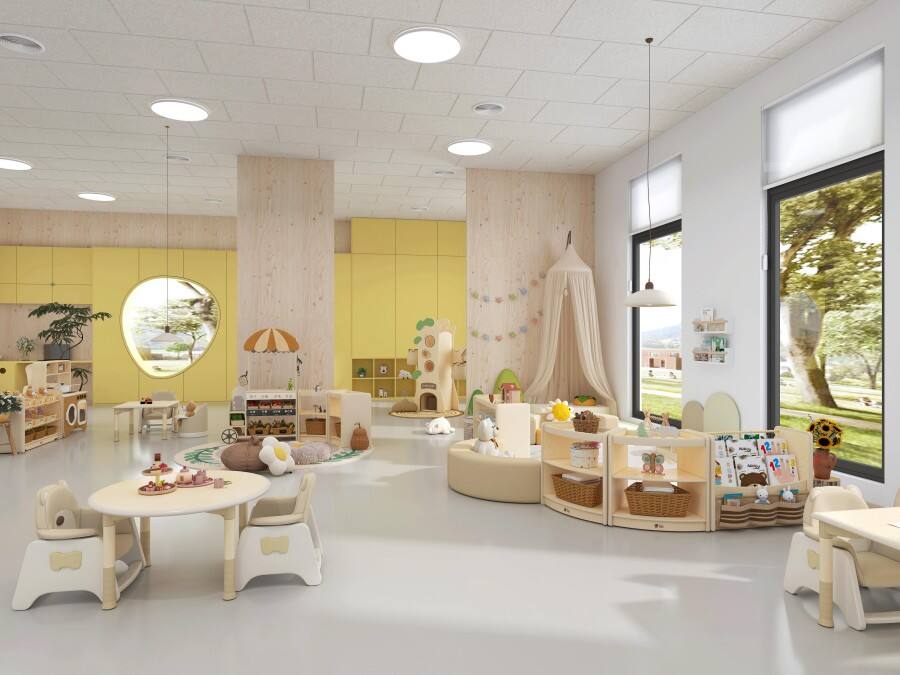
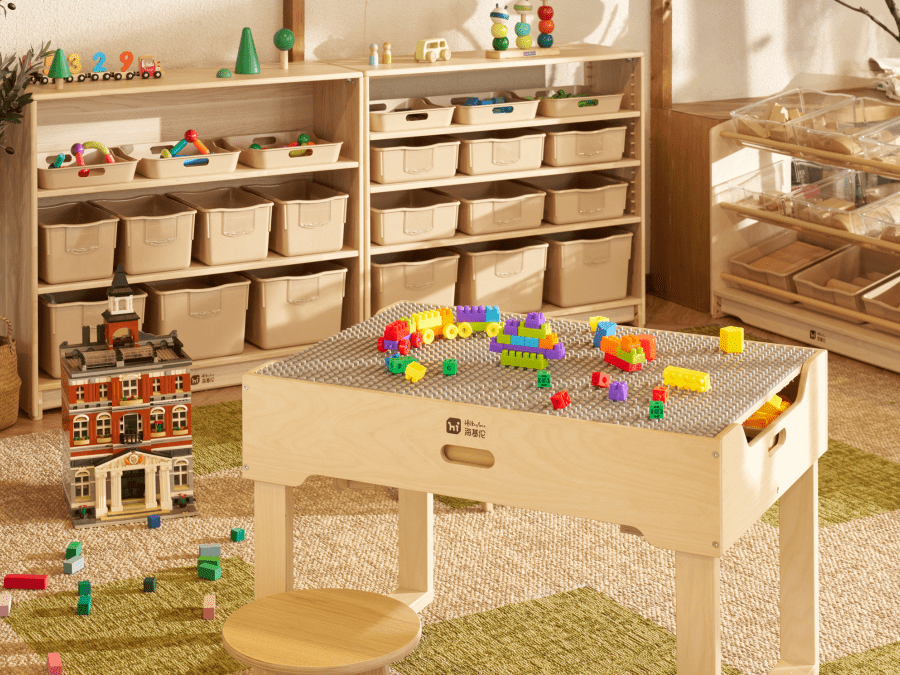
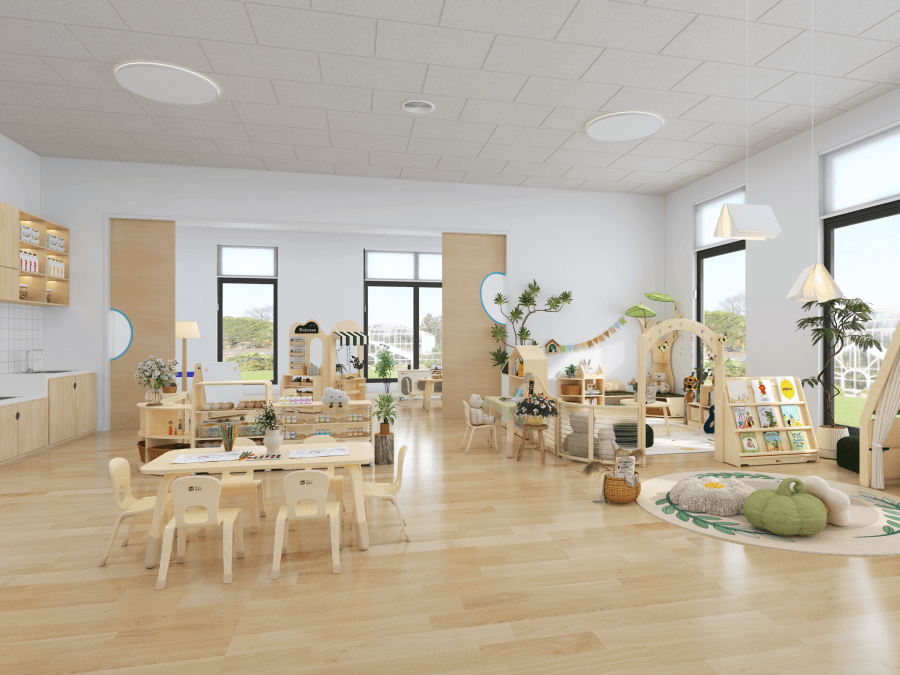
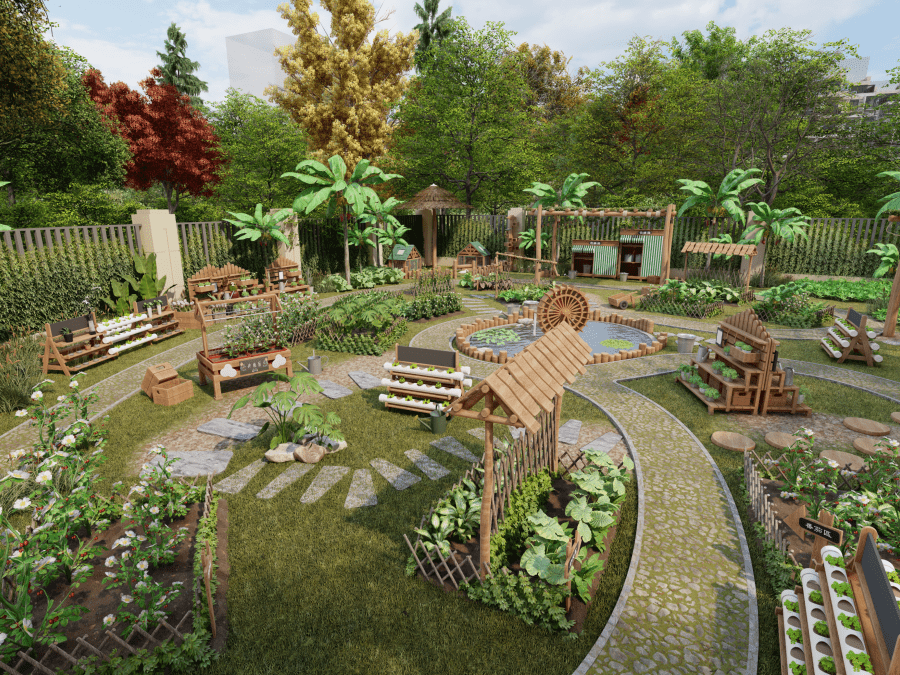
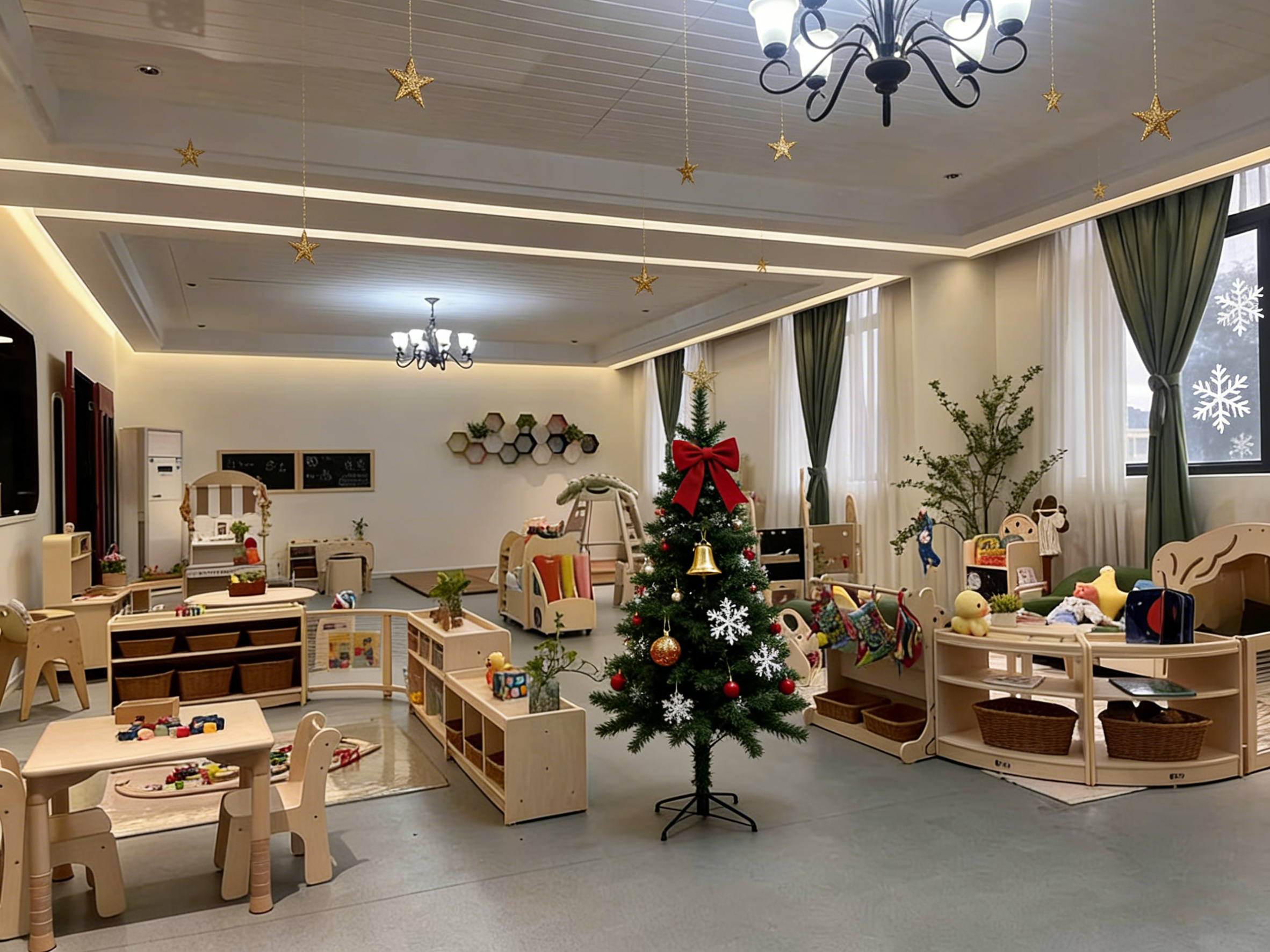
Preschool and daycare furniture represents a specialized category of educational equipment designed specifically to meet the unique needs of early childhood learning environments. This furniture combines safety, functionality, and developmental support to create optimal spaces where young children can learn, play, and grow. The main functions of preschool and daycare furniture encompass providing secure seating arrangements, storage solutions, play areas, and learning stations that accommodate children aged two to six years old. These pieces are engineered with child-appropriate dimensions, ensuring that tables, chairs, shelves, and activity centers match the physical capabilities and developmental stages of preschoolers. The technological features integrated into modern preschool and daycare furniture include antimicrobial surface treatments that resist bacteria and viruses, rounded corner designs that eliminate sharp edges, and adjustable height mechanisms that grow with children. Many pieces incorporate GREENGUARD Gold certification standards, ensuring low chemical emissions for healthier indoor air quality. Advanced manufacturing techniques utilize high-density polyethylene plastics, solid wood construction with non-toxic finishes, and steel reinforcement systems that provide exceptional durability while maintaining lightweight portability. Applications for preschool and daycare furniture span across various educational settings including private daycare centers, public preschool programs, church-based childcare facilities, corporate on-site childcare centers, and home-based family daycare operations. Reading corners utilize comfortable seating combined with book display units, while art stations feature easy-clean surfaces and supply storage compartments. Dramatic play areas incorporate miniature furniture sets that encourage imaginative role-playing, and outdoor playground equipment extends learning opportunities beyond traditional classroom boundaries. The versatility of preschool and daycare furniture allows educators to create flexible learning environments that can be quickly reconfigured to support different activities throughout the day, from circle time gatherings to individual quiet play sessions.

New Product Releases

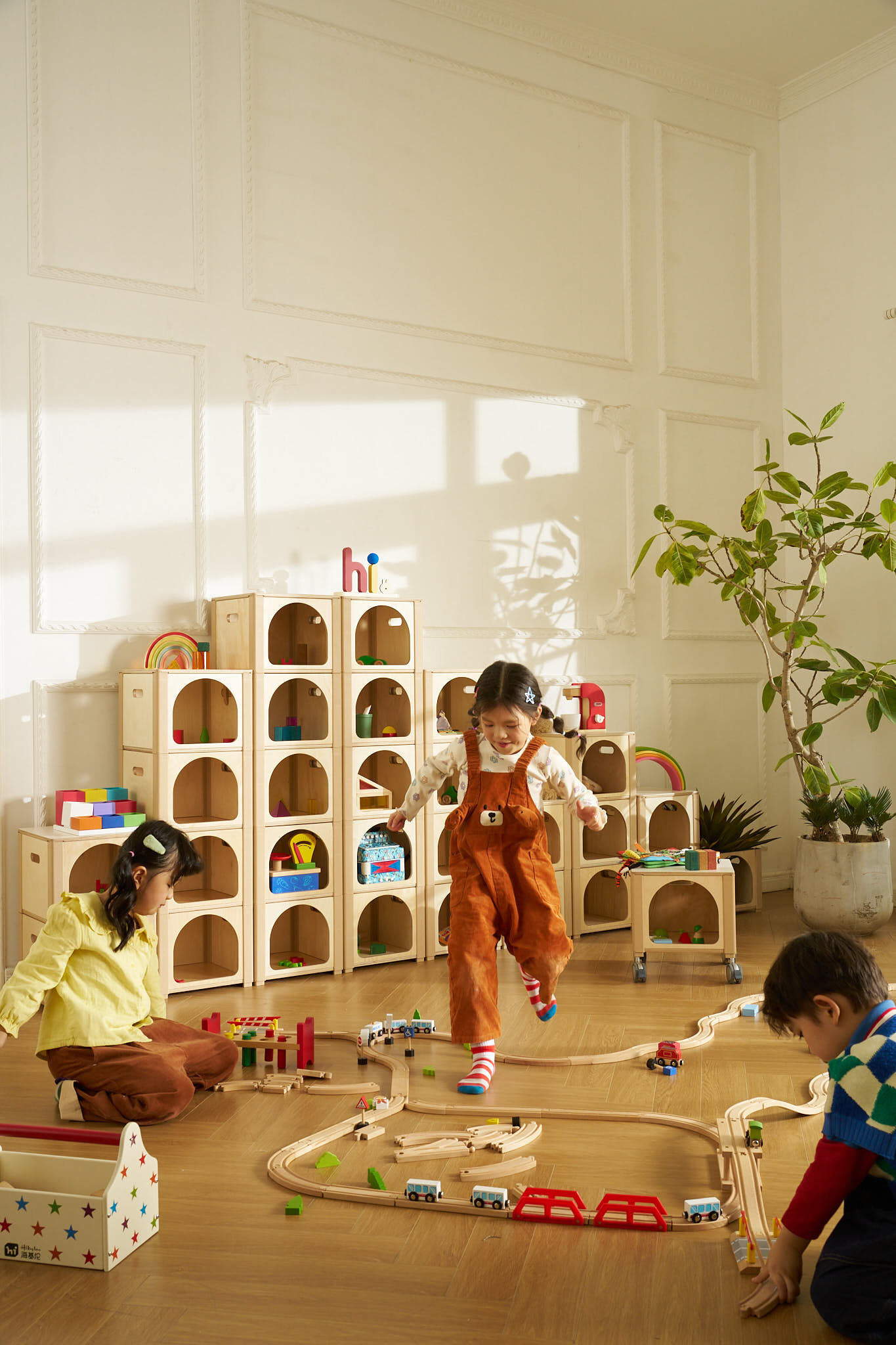
Preschool and daycare furniture delivers numerous practical benefits that directly impact both children's learning experiences and operational efficiency for childcare providers. Safety stands as the primary advantage, with furniture designed specifically to eliminate common hazards found in adult-sized equipment. Rounded corners prevent injuries during active play, while stable bases reduce tipping risks when children climb or lean on surfaces. The appropriate sizing ensures children can independently access materials and participate fully in activities without adult assistance, fostering confidence and self-reliance. Durability represents another significant benefit, as preschool and daycare furniture withstands the intensive daily use typical in childcare environments. High-quality materials resist scratches, dents, and stains while maintaining their appearance and functionality for years. This longevity translates to substantial cost savings for childcare operators who avoid frequent replacement expenses. Easy maintenance features simplify daily cleaning routines, with non-porous surfaces that wipe clean quickly and resist absorption of spills or stains. Many pieces can be sanitized using standard disinfectants without damage to finishes or structural integrity. Storage integration maximizes space efficiency in often-crowded childcare environments, with built-in cubbies, shelves, and compartments that keep supplies organized and accessible. This organization reduces preparation time for activities and helps maintain tidy learning spaces throughout busy days. Flexibility in arrangement allows caregivers to adapt spaces for different group sizes and activity types, supporting diverse learning styles and developmental needs. Lightweight construction enables easy repositioning without requiring multiple staff members or special equipment. The child-centered design promotes independence and engagement, as furniture scaled to preschooler proportions encourages active participation in learning activities. Children can comfortably sit, reach materials, and move around without frustration or safety concerns. Color coordination options help create visually appealing environments that stimulate learning while supporting classroom management through designated activity zones. The psychological benefits include increased comfort and belonging when children can properly use their environment, leading to improved behavior and enhanced learning outcomes. Investment in quality preschool and daycare furniture demonstrates commitment to providing excellent care, which can attract families and support business growth in competitive childcare markets.

Practical Tips

Dedicated to Early Learning Spaces, Crafting the Future with Heart

09

Dec

Dedicated to Early Learning Spaces, Crafting the Future with Heart

View More
A Festive Journey Through Imagination: Experience Hikeylove's World This Christmas

25

Dec

A Festive Journey Through Imagination: Experience Hikeylove's World This Christmas

A Festive Journey Through Imagination: Experience Hikeylove's World This Christmas
View More
Beyond Bookshelves: Crafting a Preschool Reading Nook That Inspires Young Minds

26

Dec

Beyond Bookshelves: Crafting a Preschool Reading Nook That Inspires Young Minds

View More
The Hikeylove Story: 25 Years of Crafting Spaces for Childhood.

03

Jan

The Hikeylove Story: 25 Years of Crafting Spaces for Childhood.

View More

Get a Free Quote

Our representative will contact you soon.
Email
Name
Company Name
Mobile/WhatsApp
Message
0/1000

preschool and daycare furniture

Superior Safety Engineering for Peace of Mind

Superior Safety Engineering for Peace of Mind

Safety engineering in preschool and daycare furniture goes far beyond basic requirements to create environments where children can explore and learn without unnecessary risks. Every component undergoes rigorous testing to meet or exceed national safety standards established by organizations like ASTM International and the Consumer Product Safety Commission. The engineering process begins with understanding how young children interact with their environment, recognizing that preschoolers are naturally curious, energetic, and still developing spatial awareness and motor control skills. Rounded corner technology eliminates sharp edges that could cause cuts or bruises during normal play activities, while smooth surface finishes prevent splinters or rough areas that might scratch delicate skin. Stability engineering ensures that tables, chairs, and storage units maintain their balance even when children lean, climb, or apply uneven pressure during typical use. This stability comes from carefully calculated weight distribution, low centers of gravity, and wide base designs that resist tipping while remaining appropriately sized for small users. Advanced material selection prioritizes non-toxic components throughout the manufacturing process, from the core structural materials to surface finishes and hardware elements. Lead-free paints and finishes eliminate exposure risks, while formaldehyde-free adhesives and composites ensure healthy indoor air quality in enclosed childcare spaces. Pinch-point elimination removes finger-catching gaps in folding or adjustable components, while secure fastening systems prevent small parts from becoming choking hazards if loosened through regular use. The commitment to safety extends to environmental considerations, with furniture designed to withstand frequent sanitization using hospital-grade disinfectants without degrading or releasing harmful chemicals. This comprehensive approach to safety engineering provides childcare providers with confidence that their furniture choices actively protect the children in their care while supporting unrestricted learning and play activities. Parents appreciate knowing their children spend their days in environments where every piece of furniture has been specifically designed with their safety as the top priority, creating trust and peace of mind for families choosing childcare services.
Exceptional Durability for Long-term Value

Exceptional Durability for Long-term Value

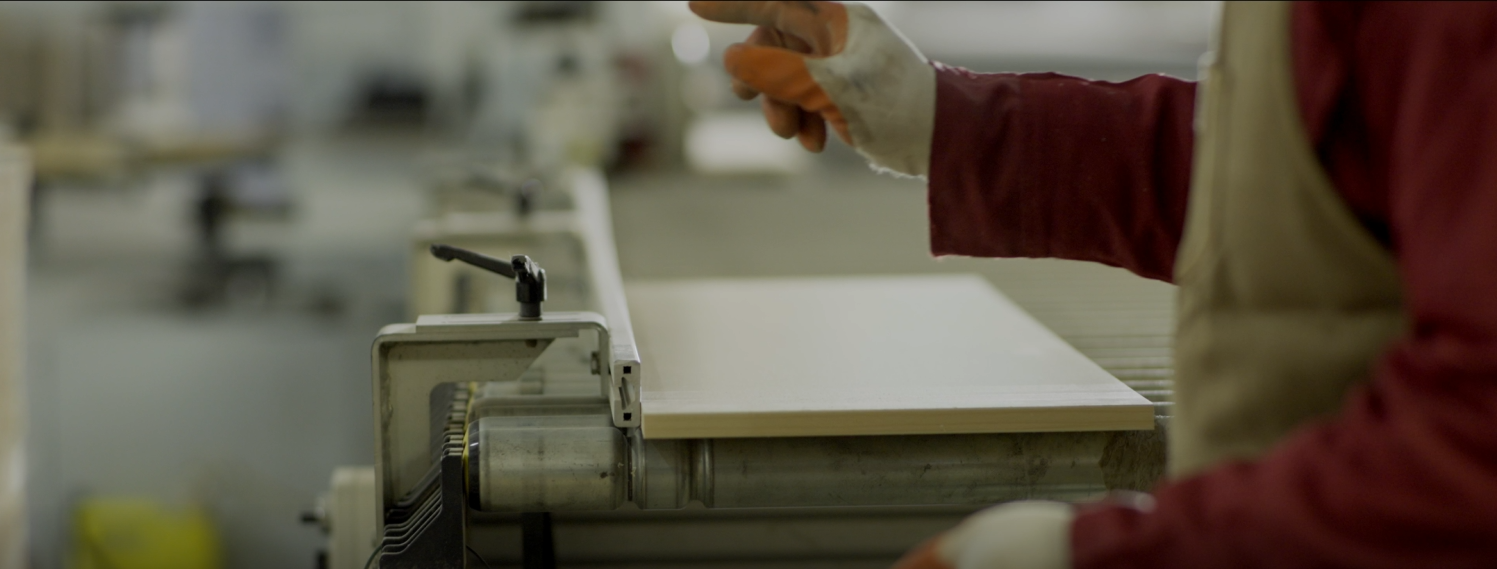
The exceptional durability of preschool and daycare furniture stems from specialized construction techniques and material selection processes designed to withstand the unique stresses of early childhood education environments. Unlike standard furniture that may suffer under intensive daily use, preschool and daycare furniture employs reinforcement strategies that account for the unpredictable ways children interact with their surroundings. High-density polyethylene construction provides superior impact resistance while maintaining lightweight handling characteristics, allowing furniture to absorb the bumps and collisions that naturally occur during active play without cracking or breaking. Solid hardwood components utilize moisture-resistant finishing systems that prevent warping, swelling, or splitting even in humid environments or when exposed to frequent cleaning and sanitization. Steel reinforcement systems embedded within plastic components create hybrid structures that combine the safety benefits of rounded plastic surfaces with the structural integrity of metal frameworks. This dual-material approach ensures that chairs can support multiple children climbing simultaneously while maintaining their shape and stability over thousands of use cycles. The durability testing process subjects each furniture design to accelerated wear simulations that replicate years of typical use in compressed timeframes, identifying potential failure points before products reach childcare facilities. Surface hardness ratings exceed residential furniture standards to resist scratches from toys, art supplies, and small objects that children frequently drop or drag across surfaces. Joint construction techniques employ mechanical fasteners, advanced adhesives, and interlocking designs that maintain tight connections despite the stress cycles created by daily setup, breakdown, and reconfiguration activities. Color-through manufacturing processes ensure that surface colors remain vibrant and consistent even after years of exposure to sunlight, cleaning chemicals, and general wear, eliminating the need for refinishing or touch-up maintenance. The investment value of durable preschool and daycare furniture extends beyond simple cost-per-year calculations to include reduced downtime for repairs, decreased safety risks from worn components, and maintained professional appearance that supports positive first impressions for prospective families touring childcare facilities.
Developmental Support Through Thoughtful Design

Developmental Support Through Thoughtful Design

Preschool and daycare furniture serves as an active partner in child development by incorporating design elements that support physical, cognitive, and social growth during critical early learning years. The thoughtful sizing and proportioning of furniture pieces enable children to achieve independence in their daily activities, from sitting comfortably at tables to reaching materials on shelves without assistance. This independence-building aspect directly supports the development of confidence and self-efficacy as children successfully navigate their environment using furniture designed specifically for their capabilities. Ergonomic considerations ensure that seating supports proper posture development during activities like eating, drawing, and listening to stories, helping establish healthy sitting habits that benefit children throughout their educational journey. Table heights coordinate perfectly with chair dimensions to promote comfortable arm positioning for writing, drawing, and manipulative play activities that develop fine motor skills essential for later academic success. The strategic placement of storage compartments at child-accessible heights encourages organization skills and responsibility as children learn to retrieve and return materials independently. Collaborative seating arrangements facilitate social interaction and cooperative learning experiences, with furniture configurations that bring children together while providing each child with adequate personal space. Multi-functional design elements transform single pieces into multiple learning opportunities, such as reading nooks that double as quiet retreat spaces or activity tables that convert to art easels for different types of creative expression. Color psychology integration uses carefully selected hues that promote calmness in rest areas while energizing colors stimulate creativity in play zones, supporting emotional regulation and appropriate behavior in different areas of the childcare environment. The sensory aspects of furniture design include varied textures and materials that provide tactile learning opportunities, supporting sensory development and integration skills that benefit children with diverse learning styles and needs. Flexibility in arrangement allows caregivers to modify spaces to support different group dynamics and learning objectives, ensuring that the physical environment evolves with changing developmental needs and curriculum requirements throughout the academic year.

Get a Free Quote

Our representative will contact you soon.
Email
Name
Company Name
Mobile/WhatsApp
Message
0/1000