Innovative Kindergarten Design Solutions: Creating Safe, Flexible & Sustainable Learning Environments

Get a Free Quote

Our representative will contact you soon.
Email
Name
Company Name
Mobile/WhatsApp
Message
0/1000

kindergarten design

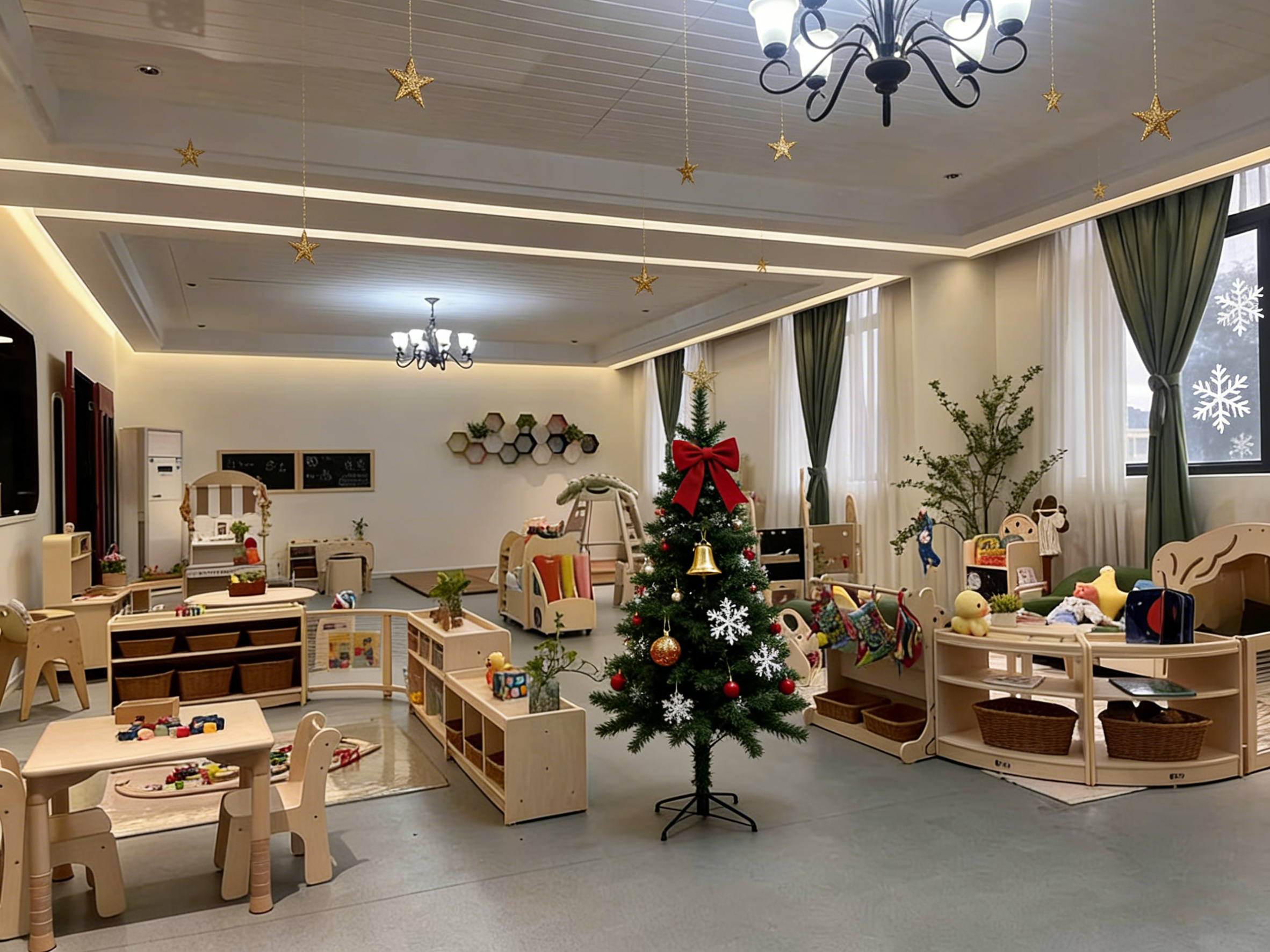
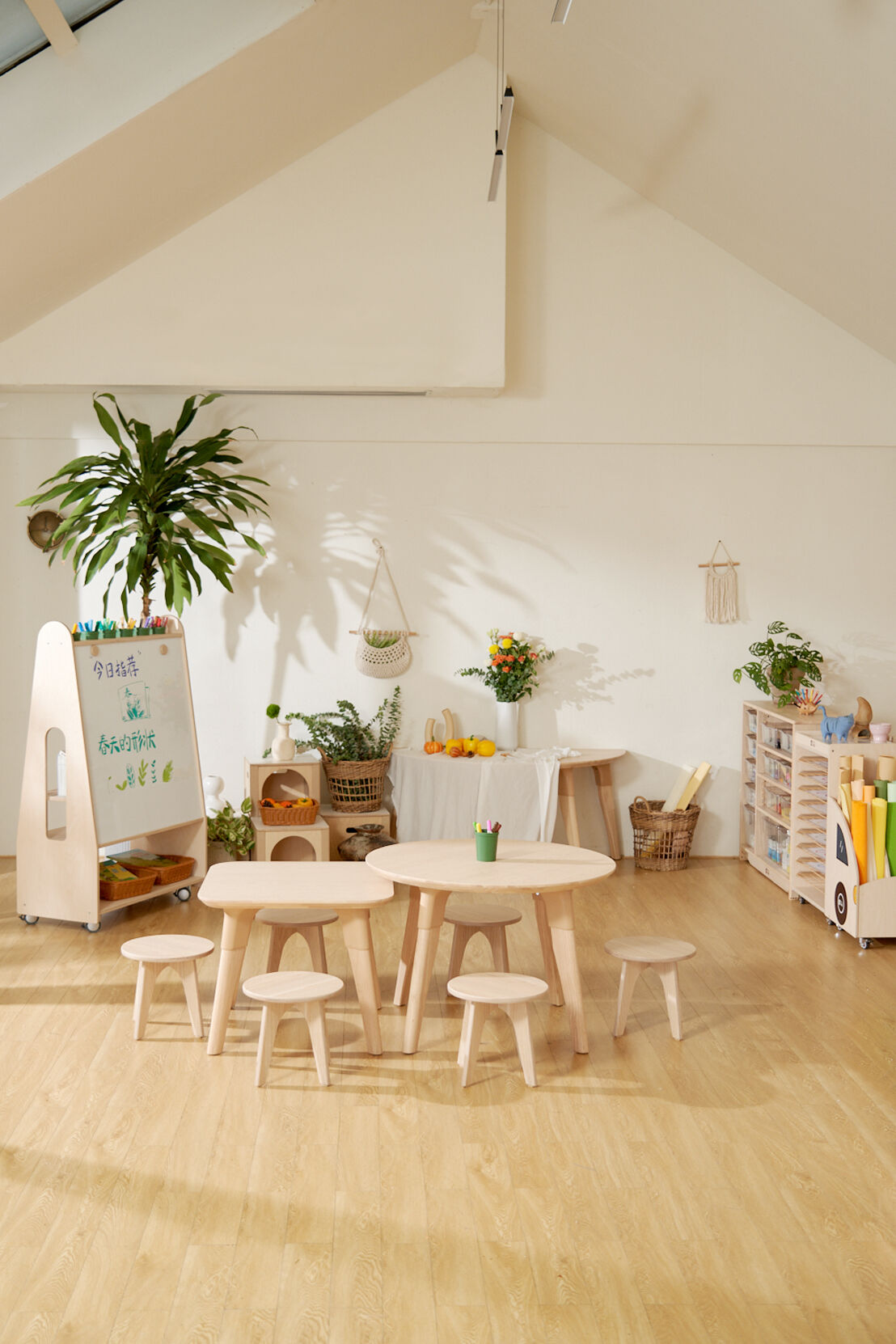
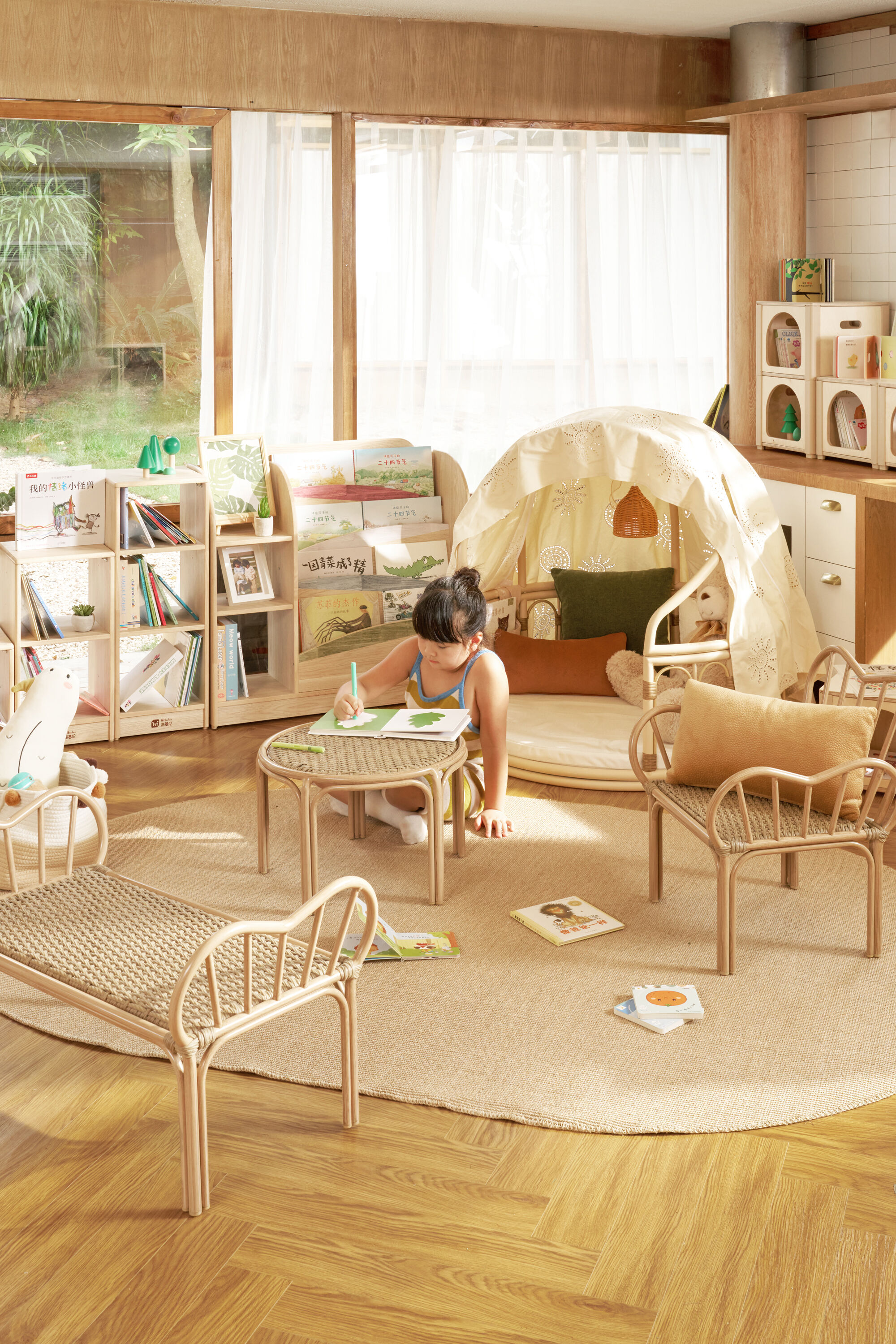
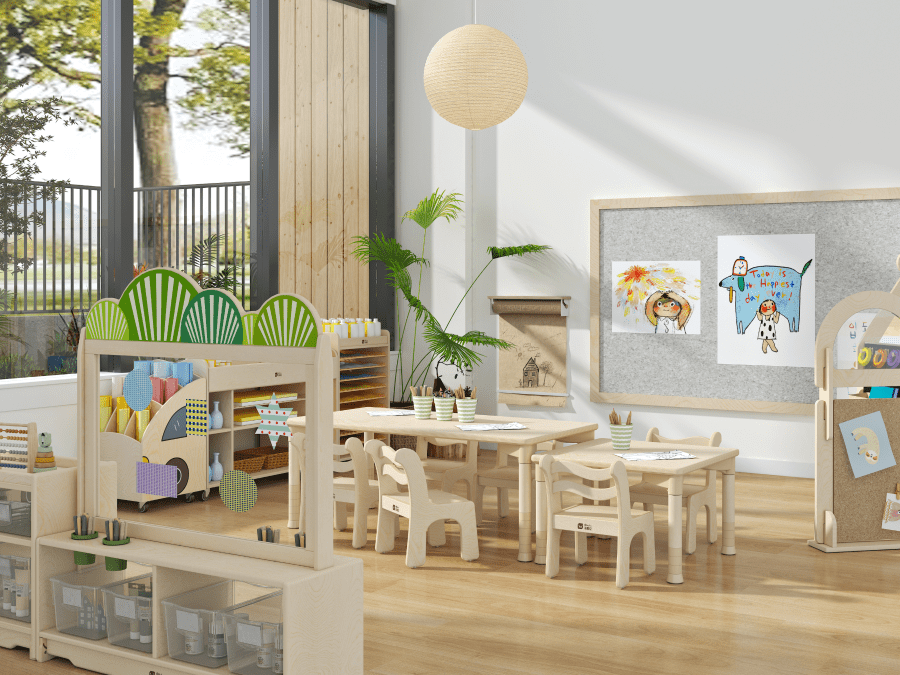
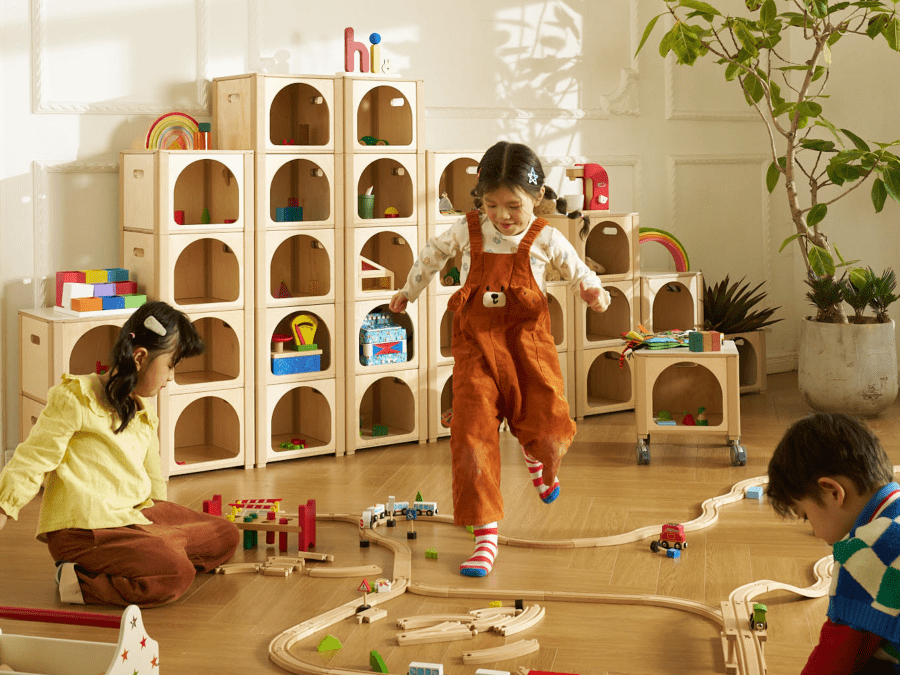
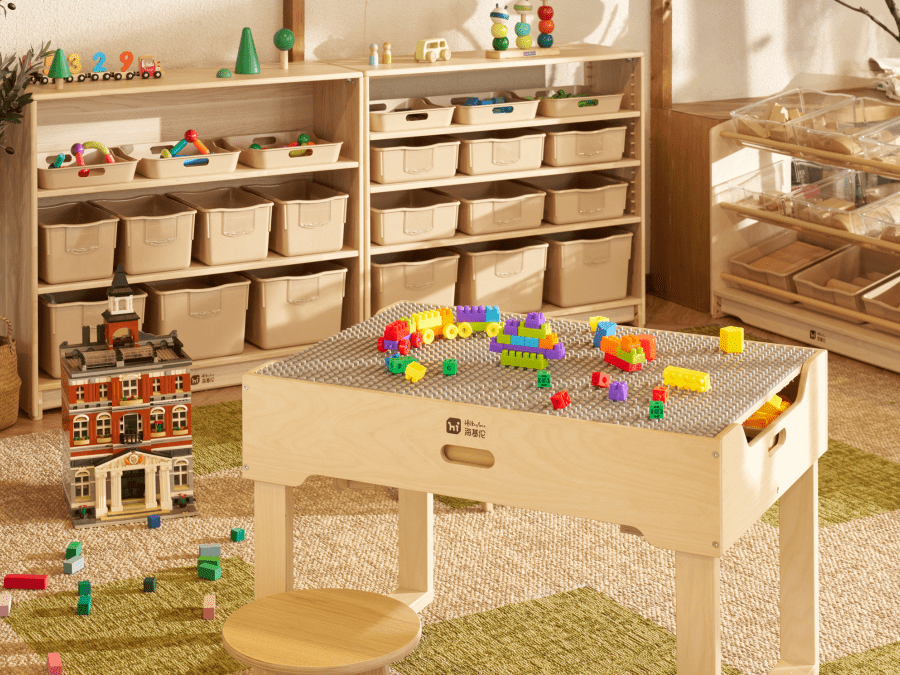
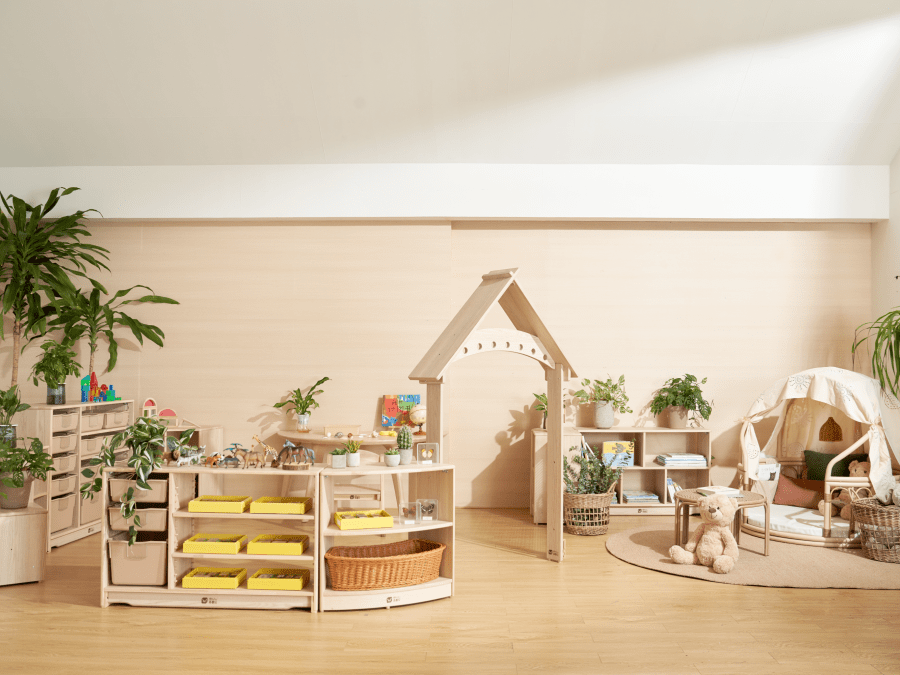
Modern kindergarten design represents a revolutionary approach to early childhood education environments, combining innovative architectural concepts with child-centered learning principles. This comprehensive design methodology focuses on creating spaces that nurture young minds while ensuring safety, functionality, and aesthetic appeal. Contemporary kindergarten design incorporates flexible learning zones, natural lighting systems, and sustainable materials to establish environments that promote cognitive development and social interaction. The main functions of effective kindergarten design include facilitating diverse learning activities through adaptable classroom layouts, providing secure outdoor play areas with age-appropriate equipment, and creating administrative spaces that support efficient operations. Technological features integrated into modern kindergarten design encompass smart climate control systems, interactive digital learning walls, and advanced security monitoring networks. These technological elements work seamlessly with traditional educational tools to enhance the learning experience. The design also emphasizes accessibility features, ensuring that children with varying physical abilities can navigate and enjoy the space comfortably. Acoustic considerations play a crucial role in kindergarten design, with sound-absorbing materials and strategic room placement minimizing noise disruption between different activity areas. Color psychology influences material selection, incorporating calming blues and greens in rest areas while using stimulating yellows and oranges in active learning spaces. Storage solutions are ingeniously integrated throughout the kindergarten design, providing organized spaces for toys, educational materials, and personal belongings. Safety remains paramount, with rounded corners, non-slip surfaces, and child-proof locks standard throughout the facility. The applications of thoughtful kindergarten design extend beyond basic education, supporting specialized programs like art therapy, music education, and physical development activities. Environmental sustainability is increasingly important in kindergarten design, featuring energy-efficient systems, recycled materials, and green spaces that teach children about environmental responsibility while reducing operational costs.

New Product Releases

The advantages of professional kindergarten design extend far beyond aesthetic appeal, delivering tangible benefits that directly impact children's development and institutional success. Well-planned kindergarten design significantly enhances learning outcomes by creating environments that stimulate curiosity and engagement. Children learn more effectively in spaces designed specifically for their developmental needs, with appropriately sized furniture, accessible storage, and clearly defined activity zones. Safety improvements represent another major advantage of professional kindergarten design, reducing accident risks through strategic layout planning, impact-resistant materials, and comprehensive safety protocols. Parents gain peace of mind knowing their children attend facilities designed with their wellbeing as the primary consideration. Operational efficiency increases dramatically with thoughtful kindergarten design, as teachers can supervise multiple areas simultaneously while maintaining clear sightlines throughout the facility. This enhanced supervision capability allows educators to focus more attention on instruction rather than crowd management. Energy costs decrease substantially through intelligent kindergarten design that maximizes natural lighting, incorporates efficient HVAC systems, and utilizes sustainable materials. These cost savings can be redirected toward educational programs and teacher resources. The flexible nature of modern kindergarten design allows institutions to adapt spaces for different activities throughout the day, maximizing space utilization and accommodating varying group sizes. This adaptability extends the facility's lifespan and reduces renovation needs. Professional kindergarten design also improves staff satisfaction and retention by creating pleasant working environments that support educational goals. Teachers appreciate spaces that facilitate their instruction methods while providing adequate storage and preparation areas. Marketing advantages emerge from attractive kindergarten design, as visually appealing facilities attract more families and support premium pricing strategies. The professional appearance communicates quality and attention to detail that parents value when selecting educational providers. Maintenance becomes more manageable with strategic material selection and layout planning that considers cleaning accessibility and durability requirements. Long-term value increases through kindergarten design that anticipates future needs and incorporates adaptable elements that can evolve with changing educational philosophies and demographic shifts.

Tips And Tricks

Dedicated to Early Learning Spaces, Crafting the Future with Heart

09

Dec

Dedicated to Early Learning Spaces, Crafting the Future with Heart

View More
Inside Hikeylove's R&D Lab: Where the Ethos of

09

Dec

Inside Hikeylove's R&D Lab: Where the Ethos of "Quality Companions for Growth" Is Forged

View More
A Festive Journey Through Imagination: Experience Hikeylove's World This Christmas

25

Dec

A Festive Journey Through Imagination: Experience Hikeylove's World This Christmas

A Festive Journey Through Imagination: Experience Hikeylove's World This Christmas
View More
The Hikeylove Story: 25 Years of Crafting Spaces for Childhood.

03

Jan

The Hikeylove Story: 25 Years of Crafting Spaces for Childhood.

View More

Get a Free Quote

Our representative will contact you soon.
Email
Name
Company Name
Mobile/WhatsApp
Message
0/1000

kindergarten design

Child-Centric Safety Integration Systems

Child-Centric Safety Integration Systems

The cornerstone of exceptional kindergarten design lies in its comprehensive safety integration systems that prioritize child protection without compromising the natural learning environment. This sophisticated approach to safety goes beyond basic requirements, incorporating multiple layers of protection that work harmoniously to create secure spaces where children can explore and learn confidently. The safety integration begins with strategic architectural planning that eliminates blind spots and creates clear sightlines for educators throughout the facility. Advanced kindergarten design utilizes open-concept layouts with strategically placed partition walls that maintain visual connectivity while defining distinct learning areas. These design choices enable teachers to monitor multiple groups simultaneously, reducing supervision challenges and enhancing overall security. Material selection plays a crucial role in safety integration, with every surface carefully chosen for its impact resistance, non-toxic properties, and age-appropriate characteristics. Flooring systems incorporate anti-slip technologies and cushioned surfaces in high-activity areas, significantly reducing injury risks from falls or collisions. Corner guards, edge protection, and rounded furniture eliminate sharp edges that could pose hazards to active young children. Door and window systems feature child-proof locks, finger guards, and shatter-resistant glass to prevent accidents and unauthorized access. The integration of technology enhances safety through automated monitoring systems, emergency communication networks, and controlled access points that restrict entry to authorized personnel only. Fire safety measures are seamlessly integrated into the kindergarten design, with multiple exit routes clearly marked at child eye-level, automatic sprinkler systems, and smoke detection networks that provide early warning capabilities. Playground safety receives equal attention, with age-appropriate equipment installed over impact-absorbing surfaces and strategically positioned to minimize collision risks. The safety integration extends to environmental considerations, incorporating air quality monitoring, natural ventilation systems, and non-toxic building materials that support healthy indoor environments. Regular safety audits and design updates ensure that protection systems remain current with evolving safety standards and best practices in childhood education facility management.
Flexible Multi-Purpose Learning Environments

Flexible Multi-Purpose Learning Environments

Revolutionary kindergarten design embraces the concept of flexible multi-purpose learning environments that adapt seamlessly to diverse educational activities and teaching methodologies. This innovative approach recognizes that modern early childhood education requires versatile spaces capable of supporting various learning styles, group sizes, and instructional formats throughout the day. The flexibility inherent in contemporary kindergarten design stems from modular furniture systems, movable partition walls, and adaptable storage solutions that allow educators to reconfigure spaces quickly and efficiently. Classroom areas can transform from large group instruction spaces to intimate reading corners, collaborative project zones, or individual learning stations within minutes. This adaptability maximizes space utilization while providing children with varied environmental experiences that support different aspects of their development. Technology integration enhances the multi-purpose nature of these learning environments through portable interactive displays, wireless connectivity, and flexible power distribution systems that support digital learning tools anywhere within the space. The kindergarten design incorporates specialized zones that can serve multiple functions, such as art areas that double as science exploration spaces or dramatic play zones that transform into music and movement areas. Storage systems are ingeniously designed to support this flexibility, with mobile units that contain specific activity materials and can be easily relocated as needed. The multi-purpose approach extends to outdoor learning environments, where playground areas incorporate educational elements like garden beds, weather stations, and natural exploration zones that support curriculum objectives while providing physical activity opportunities. Acoustic design considerations ensure that multiple activities can occur simultaneously without disruptive noise interference, utilizing sound-absorbing materials and strategic space planning to create appropriate audio environments for different learning activities. Lighting systems support the multi-purpose functionality through adjustable illumination levels that can create focused task lighting for detailed work or ambient lighting for relaxation and story time. The flexibility of these kindergarten design elements reduces the need for specialized single-purpose rooms, allowing institutions to accommodate more children within existing square footage while providing richer, more varied educational experiences that support comprehensive childhood development.
Sustainable Environmental Learning Integration

Sustainable Environmental Learning Integration

Forward-thinking kindergarten design incorporates sustainable environmental learning integration that transforms educational facilities into living laboratories where children develop environmental consciousness while benefiting from eco-friendly building practices. This comprehensive approach to sustainability extends beyond energy efficiency to encompass educational opportunities that teach children about environmental responsibility through hands-on interaction with green building systems and natural elements. The sustainable kindergarten design features renewable energy systems like solar panels and wind generators that provide real-world examples of clean energy production while reducing operational costs. Children observe these systems in action, developing understanding of renewable resources and environmental protection from an early age. Water conservation systems, including rainwater collection and greywater recycling, demonstrate responsible resource management while supporting educational activities like garden maintenance and science experiments. Indoor air quality receives special attention through natural ventilation systems, non-toxic building materials, and extensive use of plants that serve dual purposes as air purifiers and educational tools. The kindergarten design incorporates green walls and interior gardens that children help maintain, learning about plant biology, responsibility, and environmental stewardship through direct participation. Sustainable material selection prioritizes recycled content, local sourcing, and low environmental impact products that reduce the facility's carbon footprint while providing safe, healthy learning environments. Energy-efficient lighting systems utilize natural daylight optimization and LED technology to minimize power consumption while providing optimal illumination for learning activities. The outdoor learning environment includes organic gardens, composting systems, and habitat areas that support science education while demonstrating sustainable practices. These elements of kindergarten design create opportunities for integrated learning experiences where mathematics, science, and environmental studies combine naturally. Waste reduction systems teach children about recycling, composting, and responsible consumption through age-appropriate participation in facility operations. The sustainable approach extends to transportation planning, with bike storage, walking path integration, and public transit accessibility that model environmentally responsible mobility choices. Long-term benefits of sustainable kindergarten design include reduced operational costs, improved indoor environmental quality, and graduates who carry environmental awareness into their future educational experiences and adult lives.
Get a Free Quote

Our representative will contact you soon.
Email
Name
Company Name
Mobile/WhatsApp
Message
0/1000