kindergarten bookshelf
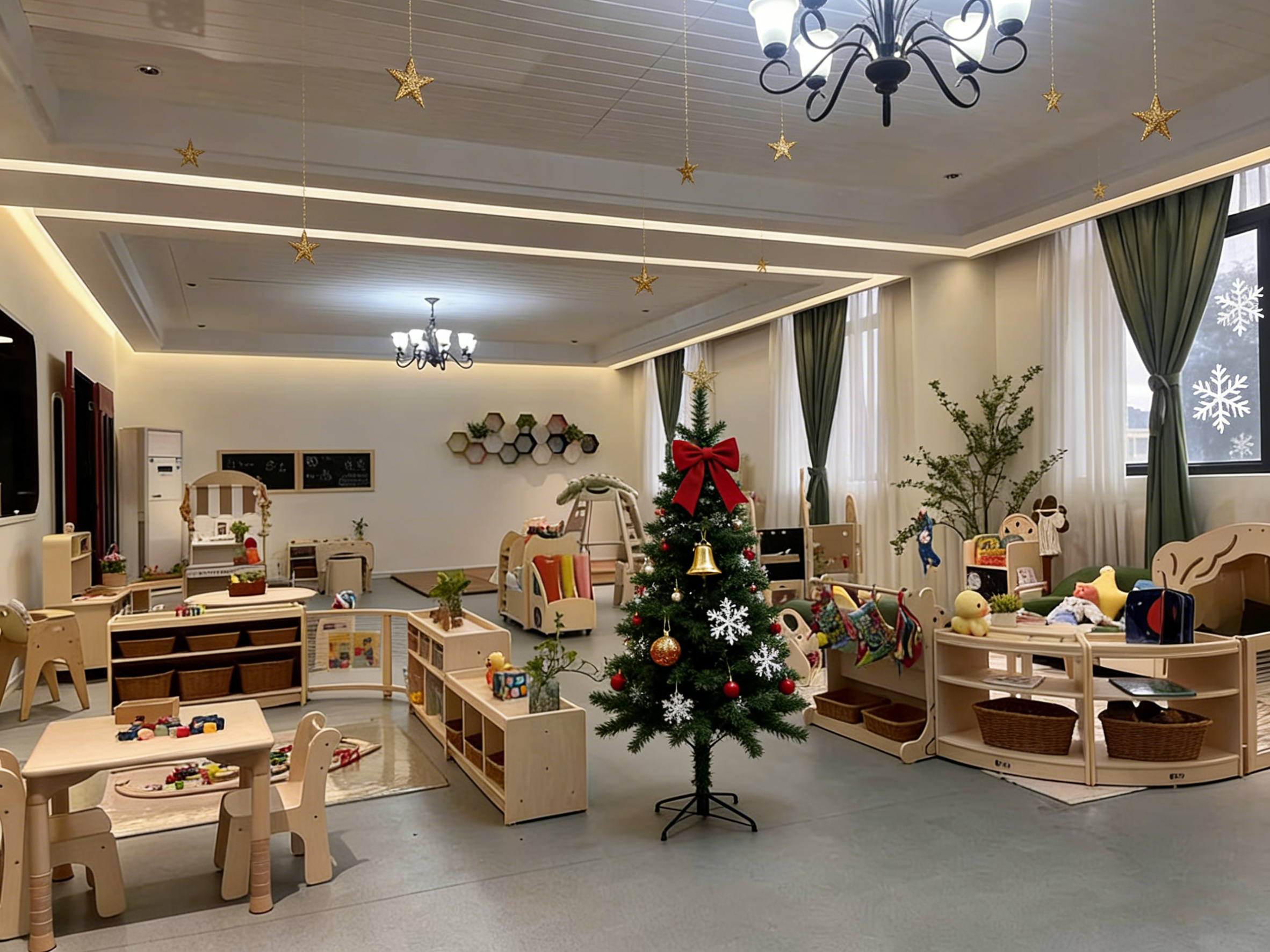
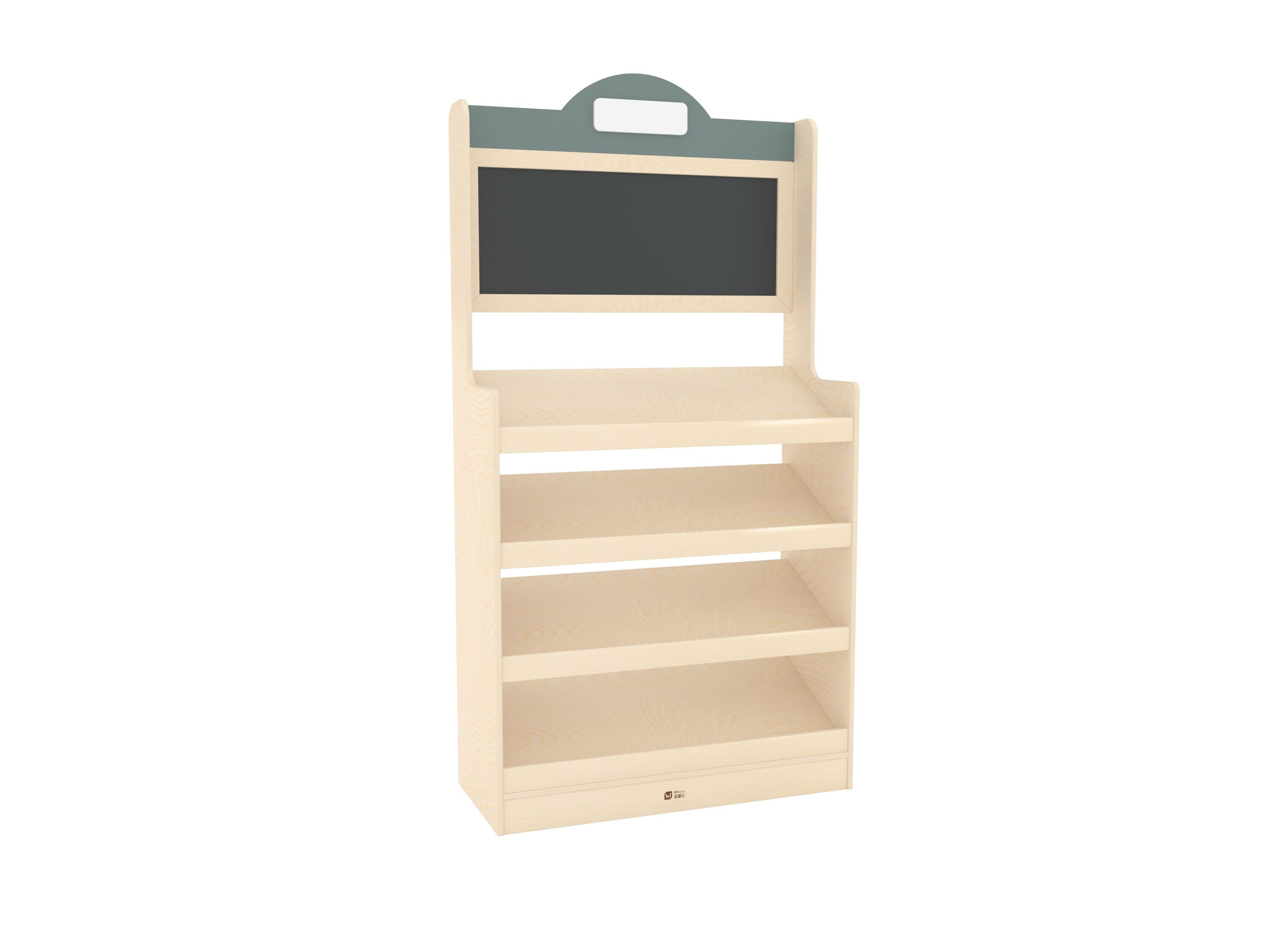
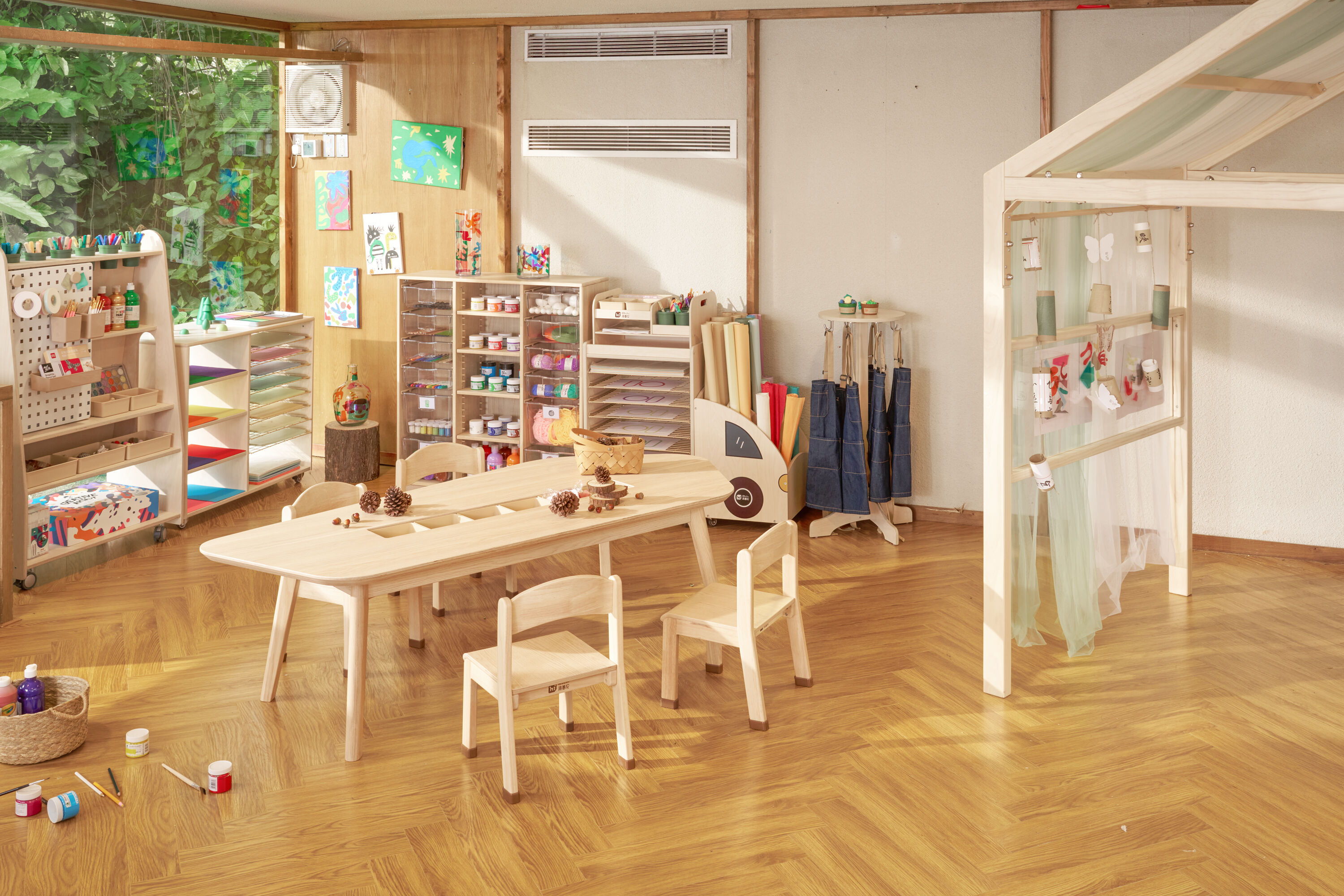
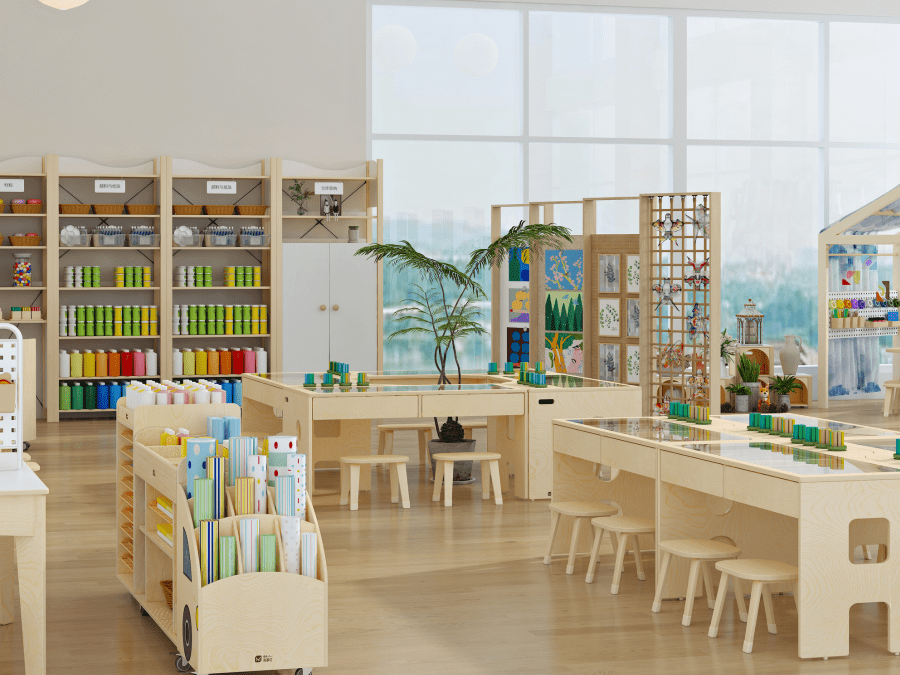
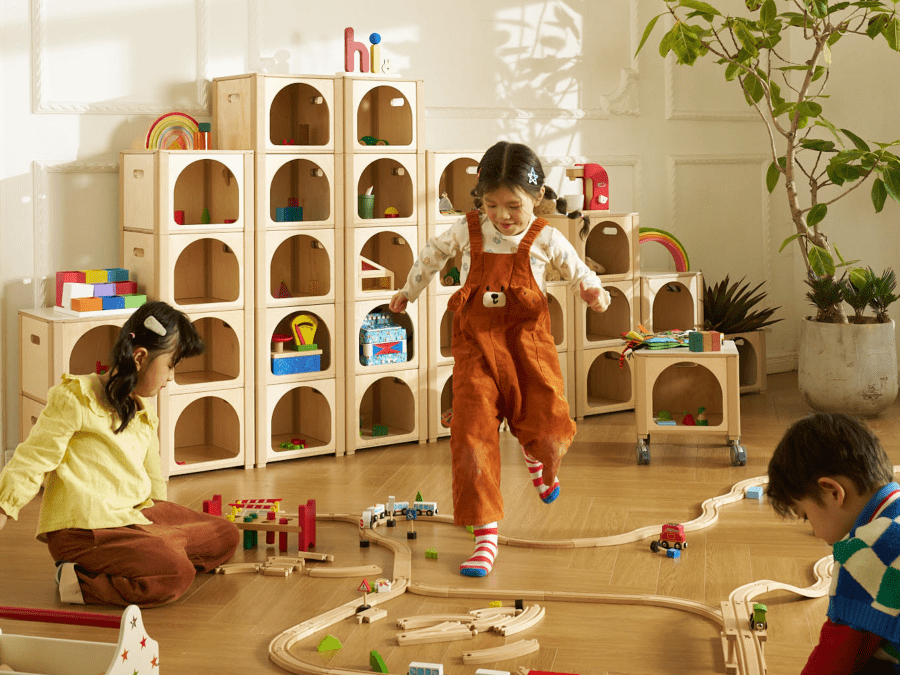
The kindergarten bookshelf represents a fundamental piece of educational furniture specifically designed to meet the unique needs of early childhood learning environments. This specialized storage solution combines functionality with child-friendly design principles to create an optimal reading and learning space for children aged 3 to 6 years. The kindergarten bookshelf serves multiple essential functions within educational settings, primarily focusing on book storage, organization, and accessibility for young learners. Its main purpose extends beyond simple storage, as it actively promotes literacy development, independent learning, and organizational skills among preschool children. The technological features of modern kindergarten bookshelves incorporate safety-first design elements, including rounded corners, non-toxic materials, and stable construction that prevents tipping. Many units feature adjustable shelving systems that accommodate various book sizes, from picture books to educational resources. The height specifications are carefully calculated to ensure children can safely access materials without adult assistance, typically ranging from 24 to 36 inches in height. Applications of the kindergarten bookshelf span across diverse educational environments including public and private preschools, daycare centers, home learning spaces, libraries, and therapeutic learning environments. The versatility of these storage solutions makes them suitable for classroom reading corners, quiet learning zones, and interactive educational areas. Advanced models incorporate color-coded organization systems, label holders, and even digital integration capabilities for modern learning environments. The construction materials typically include high-quality wood composites, reinforced joints, and child-safe finishes that withstand the daily wear and tear of active learning environments. Some kindergarten bookshelves feature mobility options with secure caster wheels, allowing educators to reconfigure learning spaces as needed. The organizational capacity varies significantly, with most units accommodating between 50 to 200 books depending on size and configuration, making them essential tools for creating literacy-rich environments that encourage reading habits from an early age.