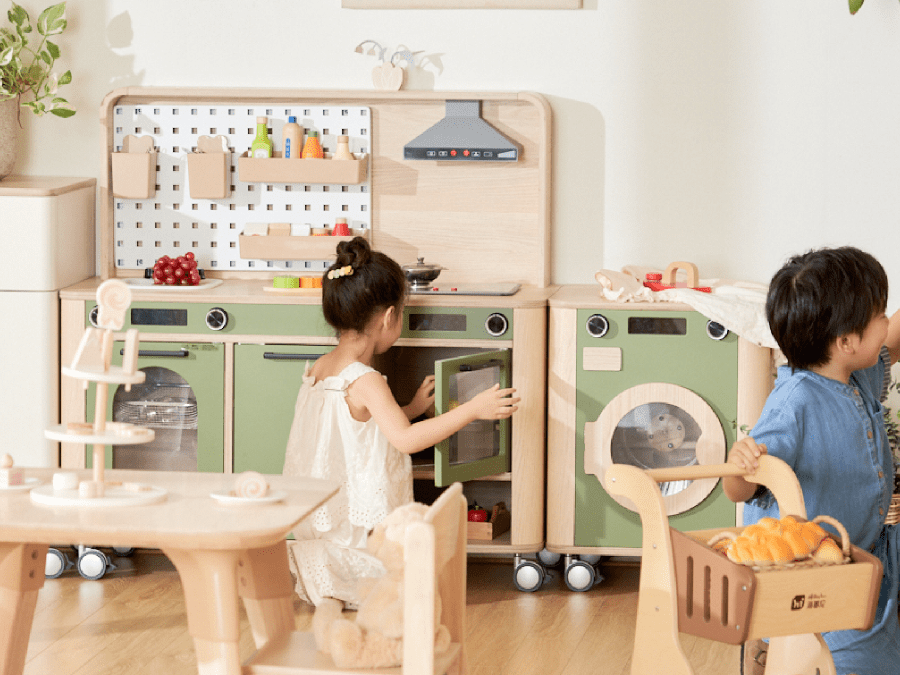
Premium Daycare Furniture: Safe, Durable & Child-Friendly Solutions for Early Learning Centers

Get a Free Quote

Our representative will contact you soon.
Email
Name
Company Name
Mobile/WhatsApp
Message
0/1000

daycare furniture

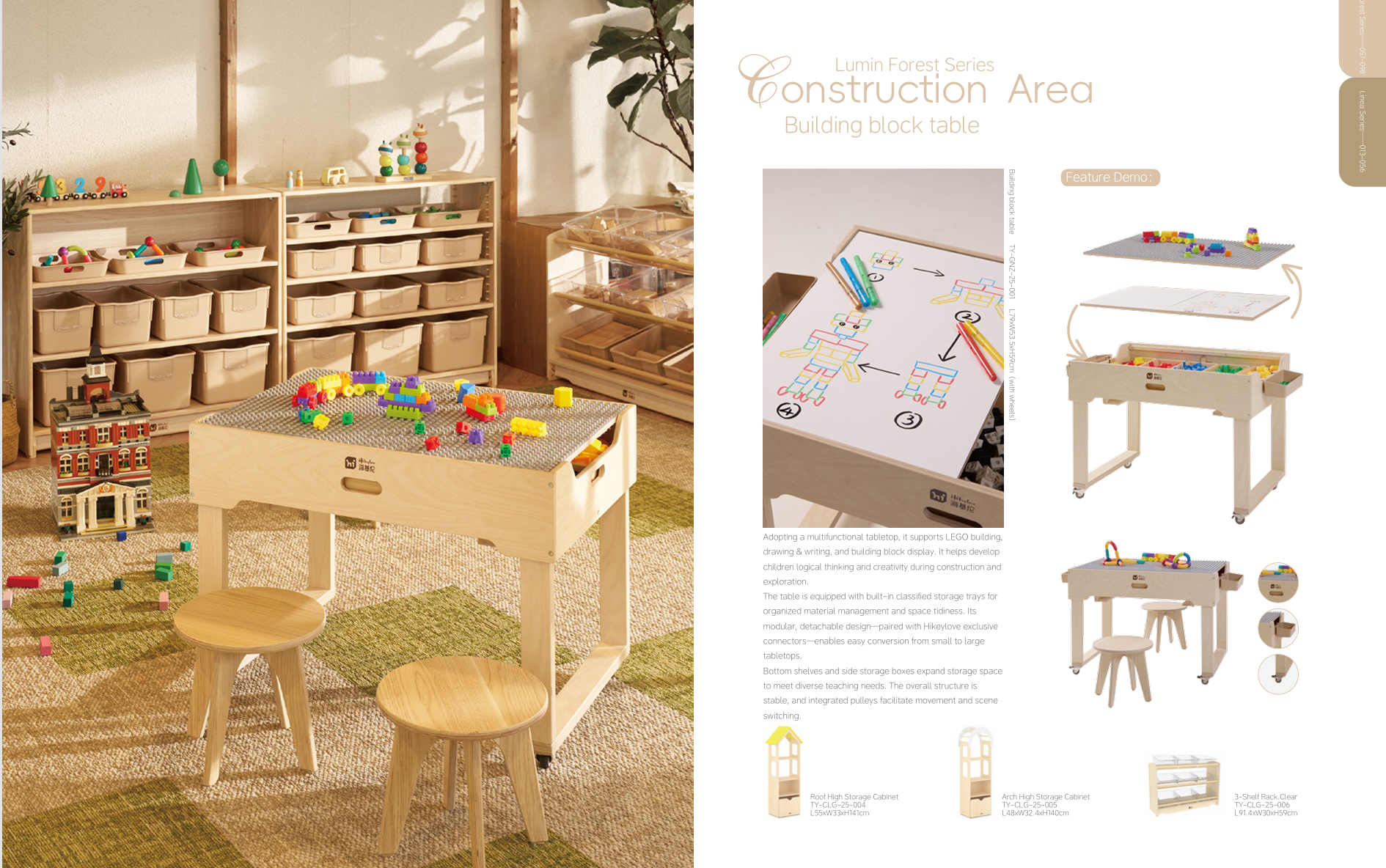
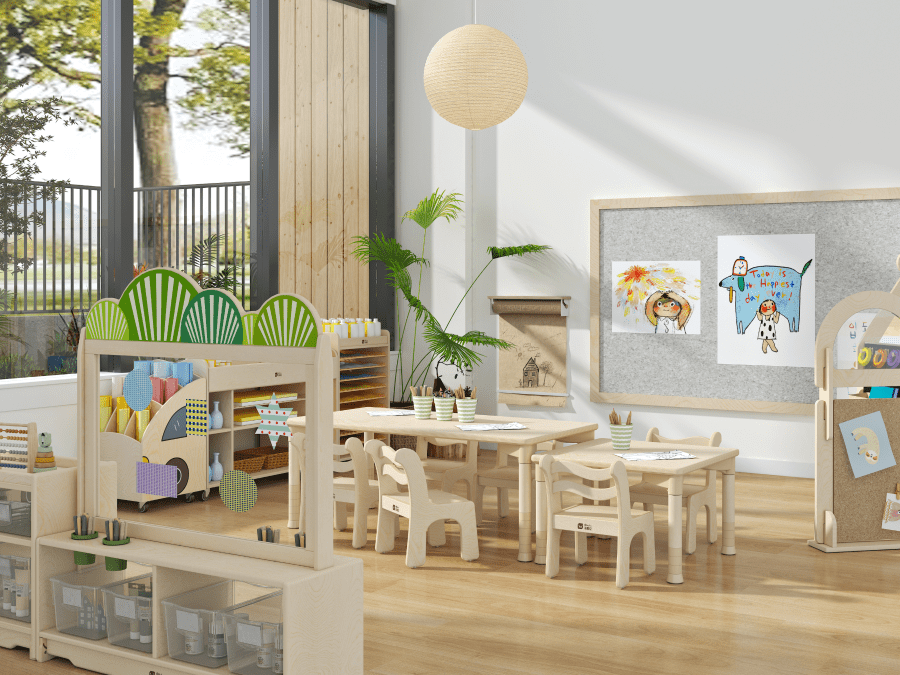
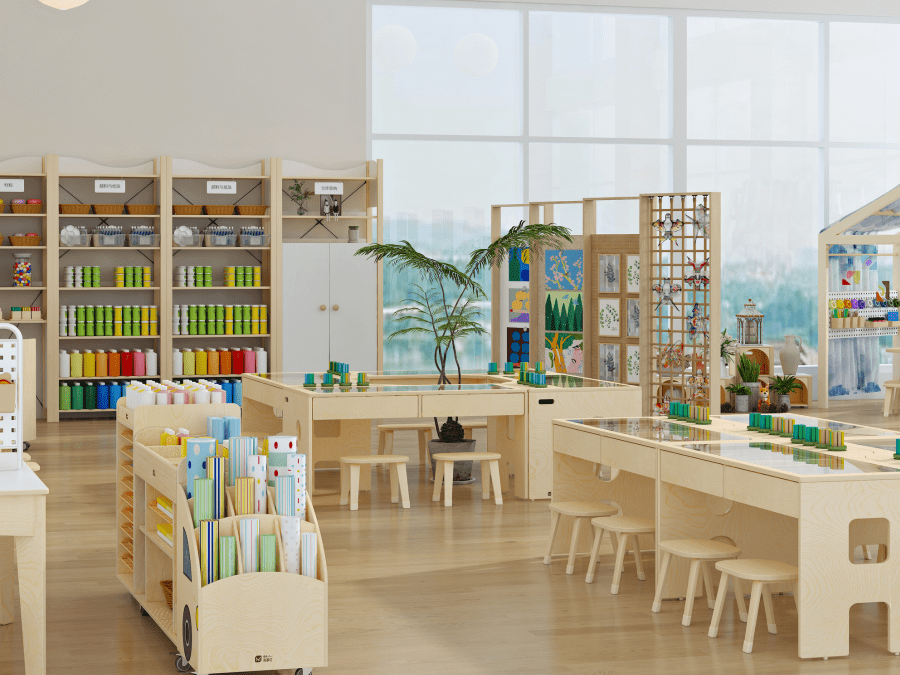
Daycare furniture represents a specialized category of educational equipment designed specifically for early childhood environments. This essential furniture serves as the foundation for creating safe, engaging, and developmentally appropriate learning spaces for young children. Modern daycare furniture encompasses a wide range of products including child-sized tables and chairs, storage solutions, play equipment, rest mats, cubbies, and activity centers. The primary functions of daycare furniture extend beyond basic seating and storage to support comprehensive child development through thoughtful design and functionality. These pieces facilitate both structured learning activities and free play, accommodating the diverse needs of children aged six weeks to five years. Technological features integrated into contemporary daycare furniture include antimicrobial surfaces that resist bacteria and germs, rounded edges for enhanced safety, and modular designs that allow for flexible room configurations. Many pieces incorporate height-adjustable components to accommodate children of varying ages and developmental stages. The furniture often features easy-clean surfaces with non-porous materials that withstand frequent sanitization protocols required in childcare facilities. Applications for daycare furniture span multiple environments including licensed daycare centers, preschools, Head Start programs, religious institutions with childcare services, corporate childcare facilities, and home-based daycare operations. Each setting requires specific furniture configurations that support regulatory compliance while promoting positive learning experiences. The furniture must meet stringent safety standards including CPSC regulations and state licensing requirements. Quality daycare furniture incorporates ergonomic principles designed specifically for young children's physical development needs. These pieces support proper posture during various activities while encouraging independence and confidence. The durability of professional daycare furniture ensures long-term value through heavy daily use across multiple age groups and activities throughout the academic year.

New Products

Daycare furniture offers numerous practical benefits that directly impact both children and childcare providers. Safety stands as the primary advantage, with specially designed features that minimize injury risks during active play and learning activities. Rounded corners, stable bases, and appropriate sizing eliminate common hazards found in adult furniture when used by young children. The furniture promotes healthy physical development by supporting proper posture and encouraging age-appropriate movement patterns. Child-sized proportions allow independent use, building confidence and self-reliance as children navigate their learning environment without constant adult assistance. Durability provides exceptional value for childcare facilities operating on tight budgets. Professional daycare furniture withstands intensive daily use from multiple children, reducing replacement costs and maintenance requirements over time. High-quality materials resist stains, scratches, and wear patterns common in busy childcare environments. Easy maintenance represents another significant advantage for busy childcare providers. Smooth surfaces and non-porous materials facilitate quick cleaning and sanitization between uses, supporting health and safety protocols. Many pieces feature removable components that simplify deep cleaning procedures required by licensing regulations. Flexibility in room arrangement allows providers to adapt spaces for different activities throughout the day. Lightweight yet sturdy construction enables easy reconfiguration for circle time, meal service, or creative play sessions. Stackable and nesting designs maximize storage efficiency in facilities with limited space. Educational benefits emerge through thoughtfully designed furniture that supports learning objectives. Tables at appropriate heights encourage fine motor skill development during art projects and manipulative activities. Storage solutions teach organization skills while keeping materials accessible to young learners. Comfort features enhance the overall childcare experience for both children and staff. Properly sized seating reduces fatigue during extended activities, while ergonomic designs support healthy physical development. Soft edges and smooth finishes create welcoming environments that feel safe and nurturing. Cost-effectiveness becomes apparent through reduced injury incidents, lower replacement costs, and improved operational efficiency, making quality daycare furniture a sound investment for any childcare operation.

Latest News

Dedicated to Early Learning Spaces, Crafting the Future with Heart

09

Dec

Dedicated to Early Learning Spaces, Crafting the Future with Heart

View More
Hikeylove Your Partner in Getting It There Smoothly: A Look at Our Logistics & Care

24

Dec

Hikeylove Your Partner in Getting It There Smoothly: A Look at Our Logistics & Care

View More
The Hikeylove Story: 25 Years of Crafting Spaces for Childhood.

03

Jan

The Hikeylove Story: 25 Years of Crafting Spaces for Childhood.

View More
How to Design a Calming and Effective Preschool Reading Corner: A Guide from Hikeylove

04

Jan

How to Design a Calming and Effective Preschool Reading Corner: A Guide from Hikeylove

View More

Get a Free Quote

Our representative will contact you soon.
Email
Name
Company Name
Mobile/WhatsApp
Message
0/1000

daycare furniture

Advanced Safety Engineering for Child Protection

Advanced Safety Engineering for Child Protection

Safety engineering in daycare furniture represents the most critical aspect of design, incorporating multiple protective features that address the unique vulnerabilities of young children in group care settings. Professional daycare furniture undergoes rigorous testing to meet or exceed federal safety standards, including CPSC guidelines and ASTM specifications that govern materials, construction methods, and performance requirements. The engineering process begins with comprehensive risk assessment, identifying potential hazard points where children might experience injury during normal use or foreseeable misuse. Rounded corners and edges eliminate sharp contact points that could cause cuts or bruises during active play periods. These safety features extend beyond mere edge rounding to include sophisticated radius calculations that distribute impact forces across larger surface areas. Stability engineering prevents tip-over incidents through carefully calculated weight distribution and base design. Tables and chairs feature low centers of gravity with wide base configurations that resist overturning even when children climb or lean on the furniture. Anti-tip mechanisms in taller storage units automatically engage when weight shifts occur, preventing dangerous toppling scenarios. Material safety encompasses non-toxic finishes, lead-free paints, and formaldehyde-free adhesives that protect children from harmful chemical exposure. Surfaces undergo testing for heavy metals and volatile organic compounds, ensuring compliance with the strictest environmental safety standards. Antimicrobial treatments integrated during manufacturing provide ongoing protection against bacteria, viruses, and fungi without requiring additional chemical applications. Structural integrity testing subjects each piece to forces far exceeding normal use patterns, simulating years of intensive childcare facility operation. Load testing ensures chairs support multiple times the intended weight capacity, while tables withstand significant downward and lateral forces. Joint construction utilizes mechanical fasteners rather than weak adhesive bonds, maintaining structural soundness throughout the furniture's service life. The investment in advanced safety engineering pays dividends through reduced injury incidents, lower insurance premiums, and the peace of mind that comes from providing genuinely protective environments for vulnerable young children in daycare settings.
Ergonomic Design Supporting Healthy Child Development

Ergonomic Design Supporting Healthy Child Development

Ergonomic design in daycare furniture focuses specifically on supporting the physical and cognitive development needs of children from infancy through preschool age, recognizing that proper body mechanics during formative years establish lifelong health patterns. Professional furniture designers collaborate with pediatric specialists, occupational therapists, and early childhood development experts to create pieces that actively promote healthy growth rather than simply accommodating small bodies. Proportional scaling represents the foundation of ergonomic daycare furniture design, with seat heights, table surfaces, and storage accessibility calculated according to anthropometric data specific to various age groups. Unlike miniaturized adult furniture, these pieces account for the unique body proportions of developing children, including larger head-to-body ratios and shorter limb lengths that affect balance and reach capabilities. Postural support features encourage proper spinal alignment during seated activities, preventing the slouching and forward head posture that can develop when children use inappropriately sized furniture. Chair backs provide lumbar support at the correct anatomical positions for small torsos, while seat depths allow feet to rest flat on the floor, promoting circulation and reducing fidgeting behaviors that interfere with learning activities. Dynamic seating options recognize children's natural need for movement during concentrated tasks, incorporating slight flexibility that allows micro-movements without disrupting the overall activity. These features support sensory integration needs while maintaining the stability required for fine motor skill development during writing, drawing, and manipulative activities. Height adjustability in select pieces accommodates mixed-age groups common in family daycare settings and multi-age classrooms. Graduated adjustment mechanisms allow furniture to grow with children or serve multiple age groups simultaneously, maximizing utility while maintaining ergonomic appropriateness. Surface textures and grip features assist developing motor skills, with subtle tactile elements that provide sensory feedback without creating distractions. Edge treatments offer secure grip points for children learning to manipulate their environment independently. The cumulative effect of proper ergonomic design extends beyond immediate comfort to influence long-term physical development, learning capabilities, and self-confidence as children master their physical environment through well-designed daycare furniture interactions.

Innovative Maintenance and Hygiene Solutions

Innovative Maintenance and Hygiene Solutions

Modern daycare furniture incorporates sophisticated hygiene and maintenance solutions that address the intensive cleaning requirements of childcare facilities while reducing the time and labor costs associated with keeping furniture sanitized and functional. These innovations respond directly to health department regulations and licensing standards that mandate frequent disinfection protocols, especially following recent heightened awareness of infection control in group childcare settings. Surface technology represents the most significant advancement in daycare furniture hygiene solutions, with specially formulated finishes that resist stain penetration while maintaining their appearance despite daily cleaning with institutional-grade disinfectants. These surfaces incorporate antimicrobial agents that provide continuous protection against bacteria, viruses, and fungi, reducing pathogen loads between cleaning cycles. The technology works at the molecular level to disrupt microbial cell walls, preventing reproduction and colonization on furniture surfaces that children touch throughout the day. Non-porous construction eliminates hiding places for germs and allergens that commonly accumulate in crevices and joints of traditional furniture. Seamless edge banding and welded corner construction prevent moisture intrusion that can lead to mold growth or structural deterioration. These design elements simplify cleaning procedures while ensuring thorough sanitization reaches all surface areas during routine maintenance. Easy-clean features streamline daily maintenance routines through thoughtful design elements that reduce cleaning time without compromising thoroughness. Smooth surfaces with minimal texture variations allow quick wiping and sanitizing, while removable components facilitate deep cleaning of hard-to-reach areas. Some pieces feature completely removable seat cushions and table surfaces that can be cleaned separately or replaced when necessary. Chemical resistance ensures furniture maintains its appearance and structural integrity despite exposure to harsh cleaning agents required for proper sanitization. The finish systems resist fading, cracking, and degradation from repeated exposure to bleach solutions, quaternary ammonium compounds, and other disinfectants commonly used in childcare facilities. Quick-dry properties minimize downtime between cleaning and use, allowing furniture to return to service rapidly without compromising hygiene standards. Maintenance efficiency extends to structural components through self-lubricating hardware and corrosion-resistant fasteners that maintain smooth operation despite frequent exposure to cleaning solutions. These features reduce maintenance costs and extend furniture service life, providing excellent long-term value for daycare operations managing tight budgets while maintaining high cleanliness standards essential for child health and safety.

Get a Free Quote

Our representative will contact you soon.
Email
Name
Company Name
Mobile/WhatsApp
Message
0/1000