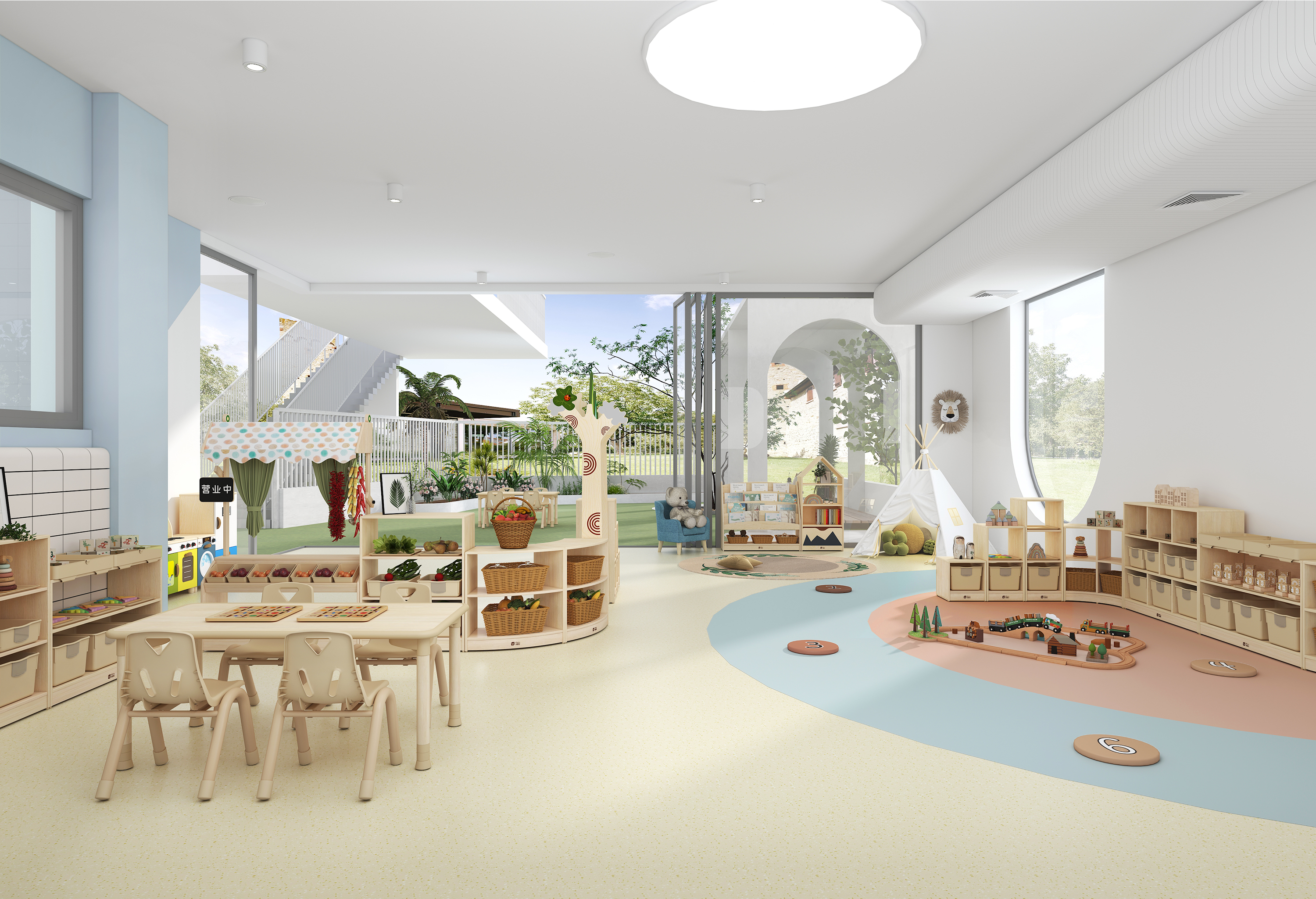
Creating functional and beautiful spaces for children requires thoughtful consideration of materials, and montessori furniture embodies this philosophy by prioritizing safety, durability, and child-centered design. When selecting materials for custom kids furniture, parents and designers must balance aesthetic appeal with practical functionality, ensuring that every piece supports both physical development and learning. The choice of wood, finish, and fabric directly impacts not only the longevity of the furniture but also the health and safety of children who interact with it daily.
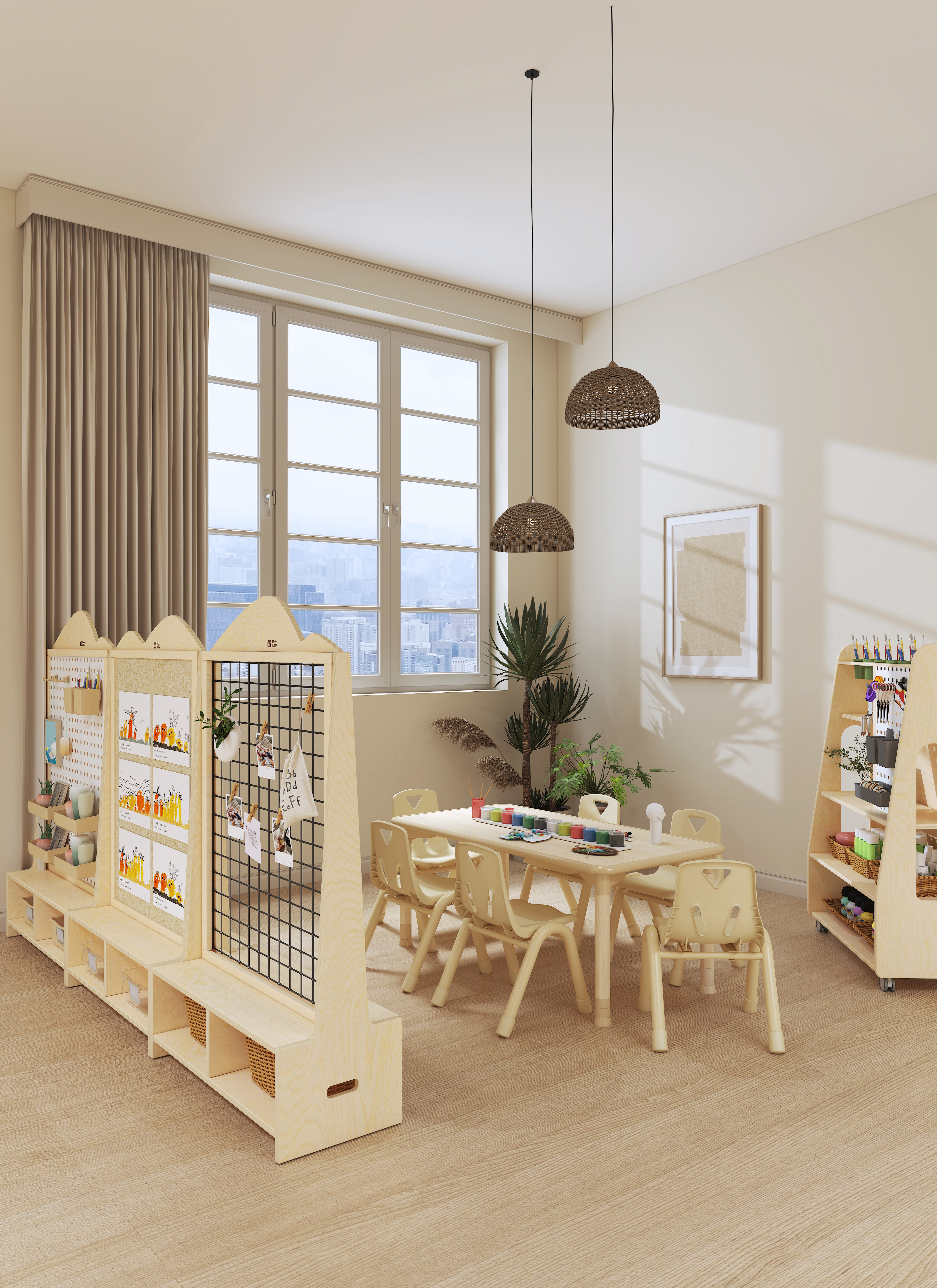
The foundation of quality montessori furniture begins with understanding how material selection influences durability, safety, and the overall developmental benefits for children. Whether you're furnishing a nursery, classroom, or playroom, the wood species, protective finishes, and fabric choices determine how well the furniture withstands daily use while maintaining its integrity. This guide explores the key considerations for selecting materials that align with montessori principles and create an environment where children can thrive.
Selecting the Right Wood for Children's Furniture
Wood Species and Safety Considerations
Choosing the appropriate wood species is fundamental when designing montessori furniture that will be used by children. Hardwoods such as beech, birch, and oak are preferred for montessori furniture because they offer superior durability and resistance to wear compared to softwoods. Beech wood, in particular, is widely used in montessori furniture production because it combines strength with a fine grain structure that resists splintering and accepts finishes evenly. The density of hardwoods means that montessori furniture constructed from these materials can withstand the constant activity, climbing, and everyday impact that children subject to their furnishings.
Safety is paramount when selecting wood for custom kids furniture, which is why avoiding treated or pressure-treated woods is essential for montessori furniture design. Woods containing formaldehyde or toxic preservatives pose health risks to developing children, making natural, untreated hardwoods the ideal choice. Sustainable wood sourcing also reflects montessori philosophy, which emphasizes respect for the natural world. When specifying materials for montessori furniture, ensure that certifications like FSC (Forest Stewardship Council) validation confirm responsible harvesting and minimal environmental impact.
Wood Construction and Joinery
The structural integrity of montessori furniture depends heavily on proper wood construction and joinery techniques that ensure longevity and safety. Mortise and tenon joints, dowel joints, and pocket hole construction create robust montessori furniture frames that resist wobbling and can accommodate the dynamic movements children make. Montessori furniture pieces should be designed with reinforced joints because children's safety relies on structural stability. Unlike adult furniture, montessori furniture must withstand not only weight but also the unpredictable forces of climbing, jumping, and vigorous play.
Selecting woods that machine cleanly and accept joinery without splitting improves the quality of custom kids furniture construction. Beech and birch excel in this regard, making them standard choices for montessori furniture manufacturers. The wood's workability also influences the cost and timeline for creating custom montessori furniture, as softer woods require more careful handling during construction to maintain the precision necessary for safe, long-lasting pieces.
Finishes and Protective Treatments
Non-Toxic Finish Options for Safety
Finishing montessori furniture requires careful selection of non-toxic products that protect the wood while remaining safe for children who may mouth or touch the furniture repeatedly. Water-based polyurethane finishes are excellent for montessori furniture because they provide durable protection against stains and moisture without emitting volatile organic compounds (VOCs). Natural oil finishes, such as food-grade mineral oil or beeswax treatments, maintain the tactile quality of montessori furniture while providing basic protection. These finishes allow children to experience the natural texture of the wood, which aligns with montessori principles of sensory learning and connection to natural materials.
Lacquers and traditional solvent-based stains should be avoided when finishing montessori furniture because their chemical content can off-gas and pose respiratory risks to children. When selecting finishes for custom kids furniture, prioritize products certified as low-VOC or VOC-free by recognized standards such as GreenGuard or FloorScore. Montessori furniture manufacturers increasingly use plant-based and bio-resins to create protective coatings that maintain the furniture's aesthetic while ensuring that children remain unexposed to harmful chemicals during their developmental years.
Color and Aesthetic Considerations
The color selection for montessori furniture should reflect both the calming principles of montessori design and the practical need for finishes that hide wear. Natural wood tones are ideal for montessori furniture because they create a warm, welcoming environment that supports focus and reduces overstimulation. If staining is chosen for montessori furniture, selecting plant-based or low-VOC stains ensures that color enhancement doesn't compromise safety. Soft, muted tones in montessori furniture promote a sense of calm and order in children's spaces, supporting the controlled environment that montessori education emphasizes.
Durability of finishes directly affects the longevity of montessori furniture, so selecting harder-wearing options protects your investment in custom kids furniture. Matte finishes on montessori furniture are preferable to glossy finishes because they reduce glare and provide better tactile feedback, enhancing the child's sensory experience. The finish choice also influences maintenance requirements; some montessori furniture finishes require periodic recoating, while others develop a natural patina that adds character over time.
Fabric Selection and Upholstery Considerations
Durable and Safe Fabric Choices
When custom kids furniture includes upholstered components, selecting appropriate fabrics is critical for safety, durability, and functionality in montessori furniture design. Natural fabrics such as organic cotton, linen, and wool are preferred for montessori furniture because they breathe, resist off-gassing, and align with the montessori emphasis on natural materials. Organic cotton upholstery on montessori furniture eliminates pesticide exposure and provides a soft, familiar texture that children enjoy. Fabrics for montessori furniture should undergo rigorous testing to ensure they meet child safety standards, including flammability requirements and absence of harmful dyes.
Synthetic fabrics can be used for montessori furniture if they are specifically selected for their low-toxicity properties and ability to withstand heavy use. Polyester and polypropylene blends designed for contract or commercial use often provide excellent durability for montessori furniture while maintaining acceptable safety profiles. However, montessori furniture upholstered in natural fibers typically offers better environmental credentials and sensory benefits. When specifying fabrics for montessori furniture, request documentation of chemical testing and certifications such as OEKO-TEX or GOTS (Global Organic Textile Standard) that validate safety claims.
Practical Maintenance and Longevity
Fabric selection for montessori furniture must account for the realities of use in children's environments, where spills, stains, and soiling occur regularly. High-performance fabrics designed for montessori furniture often incorporate protective treatments that repel moisture and resist staining without compromising breathability. Darker colors and subtle patterns in montessori furniture upholstery better hide soiling than light colors, extending the appearance of cleanliness and reducing replacement frequency. Durable weaves, such as dense cotton twills or performance linens, provide superior wear resistance on montessori furniture that experiences constant use.
Removable and washable covers for montessori furniture offer practical advantages for busy households and educational settings. Designing custom kids furniture with machine-washable fabric inserts allows families to maintain hygiene without replacing entire cushions or upholstery. For montessori furniture intended for long-term use, selecting fabrics with proven performance histories ensures that the pieces remain comfortable and visually appealing as children grow. Investing in quality montessori furniture with superior fabrics ultimately reduces replacement costs and environmental impact over the furniture's lifetime.
FAQ
What wood is best for montessori furniture?
Beech and birch are the gold standard woods for montessori furniture because of their hardness, fine grain structure, and resistance to damage. These hardwoods are durable enough to withstand years of use by children while remaining safe and free from toxic treatments. FSC-certified hardwoods ensure that your montessori furniture supports both child safety and environmental responsibility.
Are water-based finishes safe for montessori furniture?
Yes, water-based polyurethane finishes are excellent choices for montessori furniture because they provide protective durability while emitting minimal VOCs. These finishes dry quickly and are non-flammable, making them ideal for montessori furniture in homes and classrooms. Always verify that water-based finishes carry low-VOC or VOC-free certifications before applying them to montessori furniture.
Can synthetic fabrics be used in montessori furniture?
Synthetic fabrics can be appropriate for montessori furniture if they are specifically selected for low toxicity and durability. Performance polyester and polypropylene fabrics designed for contract use often provide excellent wear resistance for montessori furniture while maintaining safety standards. However, natural fibers like organic cotton are generally preferred for montessori furniture because they align better with montessori principles and offer superior environmental credentials.
