
The nursery environment plays a crucial role in shaping your infant's emotional development, sleep quality, and overall sense of security during their most vulnerable early months. Creating a calming nursery through thoughtful nursery furniture selection and strategic layout design directly impacts your baby's stress levels, cognitive development, and ability to establish healthy sleep patterns that will serve them throughout childhood.
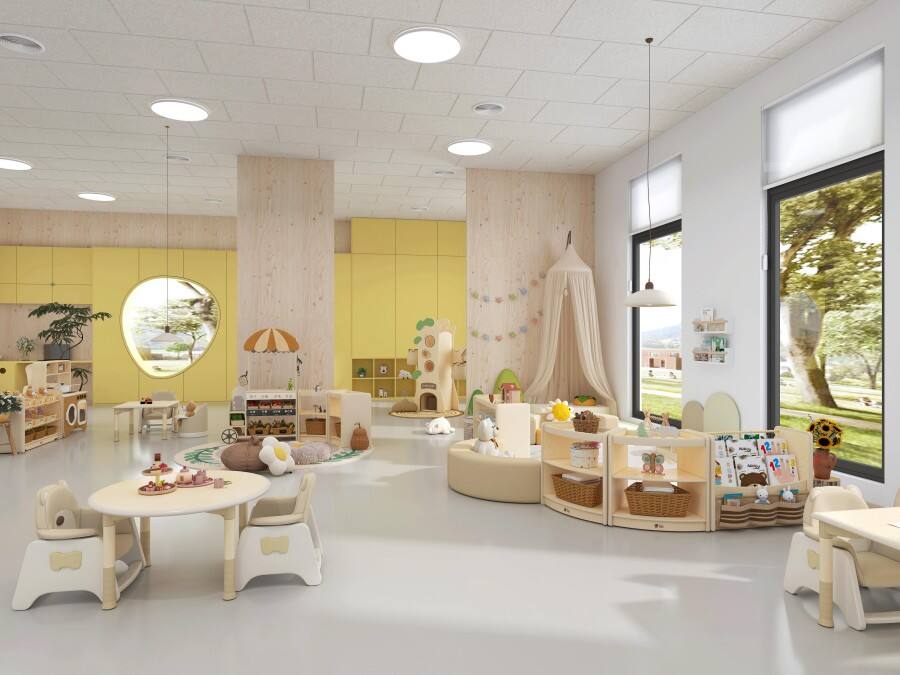
Research in developmental psychology consistently demonstrates that infants respond positively to environments that promote sensory regulation and emotional stability. The way nursery furniture is positioned, the materials chosen, and the overall spatial flow can either enhance or disrupt your baby's natural circadian rhythms, feeding schedules, and comfort levels. Understanding these connections empowers parents to make informed decisions that support their child's well-being from day one.
The Science Behind Furniture Placement and Infant Development
Spatial Psychology and Baby's Sense of Security
Infant brains are remarkably sensitive to environmental cues, particularly the spatial arrangement of their immediate surroundings. When nursery furniture is positioned to create clear sightlines and minimize visual clutter, babies experience reduced cortisol levels and demonstrate improved self-soothing behaviors. The placement of the crib relative to windows, doorways, and other furniture pieces influences how secure and protected your infant feels in their sleep environment.
The concept of environmental psychology suggests that humans, including infants, naturally seek spaces that feel both prospect-oriented and refuge-focused. In nursery terms, this means positioning nursery furniture so that your baby can observe their surroundings while feeling enclosed and protected. This balance helps regulate the nervous system and promotes longer, more restorative sleep cycles.
Circadian Rhythm Support Through Strategic Layout
Natural light exposure plays a fundamental role in establishing healthy circadian rhythms in newborns. The positioning of nursery furniture, particularly the crib and changing station, should maximize morning light exposure while minimizing harsh afternoon glare. This strategic approach to furniture placement helps your baby's internal clock align with natural day-night cycles more quickly.
Window placement relative to nursery furniture affects not only light exposure but also air circulation patterns. Proper ventilation around sleeping areas reduces the risk of overheating and maintains optimal humidity levels, both critical factors for infant comfort and respiratory health. The distance between furniture pieces should allow for adequate airflow while maintaining the cozy, contained feeling that promotes security.
Material Selection and Sensory Impact on Development
Natural Materials and Nervous System Regulation
The materials used in nursery furniture directly influence your baby's sensory experiences and physiological responses. Natural wood surfaces, organic cotton fabrics, and non-toxic finishes contribute to air quality and provide tactile experiences that support healthy sensory development. These materials also tend to regulate temperature and humidity more effectively than synthetic alternatives.
Infants spend significant time in contact with nursery furniture surfaces, making material safety and comfort paramount. Wood species like maple, birch, and oak offer durability while providing subtle natural variations in texture and color that engage developing visual systems without overwhelming sensitive infants. The choice of nursery furniture materials should prioritize both immediate comfort and long-term developmental benefits.
Color Psychology and Emotional Development
Color choices in nursery furniture significantly impact infant mood regulation and sleep quality. Soft, muted tones promote relaxation and help maintain stable emotional states, while overly bright or contrasting colors can overstimulate developing nervous systems. Research indicates that pale blues, gentle greens, and warm neutral tones create optimal environments for rest and peaceful alertness.
The psychological effects of color begin influencing infants much earlier than previously understood. Nursery furniture in calming color palettes supports the development of positive associations with sleep and rest spaces. This early conditioning helps establish lifelong healthy relationships with bedroom environments and sleep routines.
Functional Layout Strategies for Optimal Well-being
Creating Zones of Activity and Rest
Effective nursery furniture arrangement creates distinct zones that support different activities while maintaining overall harmony. The sleep zone, centered around the crib, should be the most protected and quiet area, positioned away from high-traffic areas and external noise sources. This separation helps your baby associate specific spaces with rest and relaxation.
The care zone, including changing stations and storage for daily essentials, should be easily accessible but not directly adjacent to the sleep area. This arrangement minimizes disruptions during sleep times while ensuring efficiency during care routines. Nursery furniture placement should facilitate smooth transitions between activities without creating jarring environmental changes that might startle or overstimulate your infant.
Traffic Flow and Parental Stress Reduction
The arrangement of nursery furniture affects not only infant well-being but also parental stress levels, which directly impact the overall emotional climate of the space. Intuitive traffic patterns reduce nighttime navigation challenges and minimize the risk of accidents during tired late-night or early-morning care sessions.
Strategic nursery furniture positioning should account for natural movement patterns during common activities like feeding, changing, and soothing. When parents can move efficiently and safely through the space, they remain calmer and more present, qualities that infants readily perceive and respond to positively. This creates a beneficial feedback loop that supports the emotional well-being of the entire family.
Long-term Developmental Considerations in Design Choices
Adaptability and Growing Independence
Thoughtful nursery furniture selection considers not only immediate infant needs but also developmental milestones that will emerge over the first few years. Furniture pieces that can adapt or transition as your child grows provide consistency while accommodating changing physical and cognitive abilities. This continuity supports emotional security during periods of rapid development.
Modular nursery furniture systems allow for gradual modifications that match your child's emerging independence while maintaining familiar elements. This approach reduces anxiety associated with environmental changes and helps children develop confidence in their evolving abilities. The investment in adaptable furniture pays dividends in both practical functionality and emotional stability.
Safety Evolution and Risk Management
As infants develop motor skills, the safety considerations for nursery furniture arrangement must evolve accordingly. Initial layouts that prioritize newborn needs may require adjustments as babies begin rolling, sitting, and eventually standing. Proactive planning for these transitions ensures that the calming environment remains safe and supportive throughout early development.
The spacing between nursery furniture pieces should account for future mobility while maintaining the cozy atmosphere essential for infant well-being. This forward-thinking approach prevents the need for disruptive major rearrangements that might disturb established routines and comfort associations your child has developed with their space.
FAQ
How does nursery furniture arrangement affect infant sleep patterns?
Nursery furniture arrangement directly influences sleep quality through factors like light control, air circulation, and noise management. Positioning the crib away from direct traffic areas and ensuring proper distance from windows helps create consistent sleep conditions. The strategic placement of other furniture pieces can block disruptive light sources and create sound barriers that promote longer, more restorative sleep cycles.
What materials in nursery furniture are best for sensitive infants?
Natural materials like solid wood, organic cotton, and wool are ideal for sensitive infants because they regulate temperature and humidity while avoiding harmful chemical off-gassing. These materials also provide appropriate tactile stimulation without overwhelming developing sensory systems. Avoiding synthetic materials and chemical finishes helps maintain optimal air quality in the nursery environment.
When should I consider rearranging nursery furniture as my baby grows?
Major furniture rearrangements should coincide with significant developmental milestones, typically around 4-6 months when babies become more mobile, and again around 12-18 months when toddler safety becomes paramount. However, minor adjustments can be made as needed to optimize comfort and functionality. The key is maintaining core elements that provide security while adapting the space for new abilities and safety requirements.
How much space should be left between nursery furniture pieces?
Maintain at least 3 feet between major nursery furniture pieces to ensure adequate airflow and safe navigation, especially during nighttime care. Around the crib, allow 2-3 feet on the approach side for easy access, while other sides can be closer to walls. This spacing supports both immediate safety needs and future mobility as your child develops walking skills and increased curiosity about their environment.
