Premium Preschool Handwashing Station Solutions - Child-Safe Hygiene Systems for Educational Facilities

Get a Free Quote

Our representative will contact you soon.
Email
Name
Company Name
Mobile/WhatsApp
Message
0/1000

preschool handwashing station

A preschool handwashing station represents an essential infrastructure component specifically designed to promote proper hygiene habits among young children aged 3-6 years. These specialized fixtures combine child-friendly design elements with advanced sanitary technology to create an engaging and educational handwashing experience. Modern preschool handwashing stations feature height-adjustable components that accommodate various age groups within early childhood education settings, ensuring comfortable access for toddlers through kindergarten students. The stations typically incorporate multiple washing bays with individual faucets, allowing several children to wash simultaneously while maintaining proper social distancing protocols. Advanced sensor technology enables touchless operation, reducing cross-contamination risks while teaching children about modern hygiene practices. The integrated soap dispensing systems deliver measured amounts of child-safe, antimicrobial soap formulations that effectively eliminate germs without causing skin irritation. Temperature control mechanisms ensure water remains at safe, comfortable levels for young users, preventing accidental burns or discomfort that might discourage regular handwashing. Visual learning aids embedded within the station design include colorful graphics, step-by-step washing instructions, and countdown timers that make the 20-second washing duration both educational and entertaining. Many contemporary preschool handwashing stations incorporate sustainable water management systems that conserve resources while maintaining optimal hygiene standards. The stations find primary applications in daycare centers, preschools, elementary schools, children's museums, pediatric medical facilities, and family entertainment venues. Their robust construction materials resist heavy daily use while maintaining aesthetic appeal that complements various educational environments. Easy maintenance features allow facility staff to perform routine cleaning and sanitization procedures efficiently, ensuring consistent operation throughout the school year.
New Product Releases

The preschool handwashing station delivers numerous practical benefits that directly impact child health, educational outcomes, and facility management efficiency. First, these stations significantly reduce illness transmission rates within childcare environments by establishing consistent handwashing routines that become ingrained habits. Children using properly designed handwashing stations show measurably lower rates of common childhood illnesses including stomach viruses, respiratory infections, and skin conditions that spread rapidly in group settings. The ergonomic design eliminates physical barriers that discourage handwashing, with child-appropriate heights and easy-to-operate controls that build confidence and independence. Teachers report substantial time savings when supervising handwashing activities, as multiple children can wash simultaneously without requiring individual assistance or constant reminders about proper technique. The engaging visual elements and interactive features transform routine hygiene into an enjoyable learning experience, reducing resistance and complaints commonly associated with mandatory handwashing breaks. Cost-effectiveness emerges through reduced healthcare expenses, lower absenteeism rates, and decreased need for substitute teaching staff when fewer children fall ill. Parents appreciate the peace of mind knowing their children receive consistent hygiene education that reinforces home practices. The touchless operation features minimize surface contamination while teaching children about modern sanitary practices they will encounter in public spaces throughout their lives. Water and soap conservation systems reduce operational costs while supporting environmental education initiatives within the curriculum. Easy maintenance requirements minimize staff workload and ensure consistent availability during peak usage periods. The durable construction materials withstand intensive daily use while maintaining attractive appearance that enhances the learning environment. Professional installation services ensure optimal placement and functionality that maximizes educational benefits while meeting all safety regulations. Long-term durability provides excellent return on investment compared to frequent replacement of standard fixtures not designed for intensive child use.

Tips And Tricks

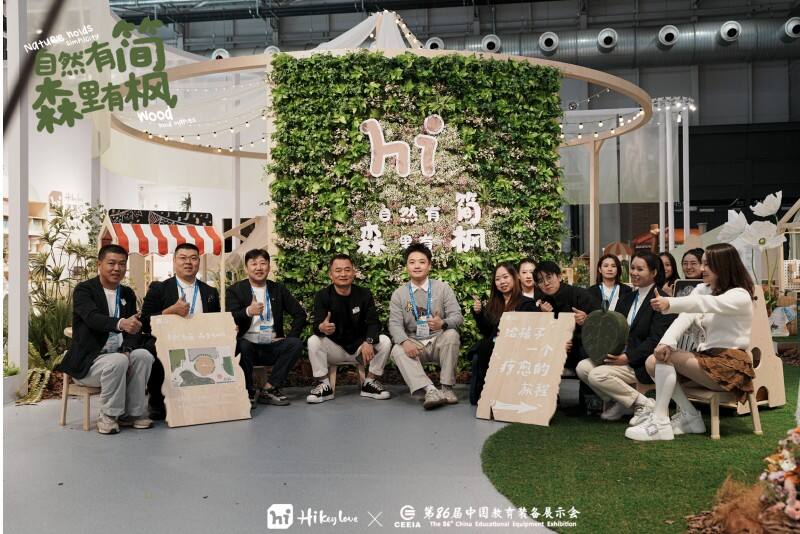
Hikeylove at the 86th China Educational Equipment Show: Where Thoughtful Spaces Meet the Future of Early Learning

11

Dec

Hikeylove at the 86th China Educational Equipment Show: Where Thoughtful Spaces Meet the Future of Early Learning

View More
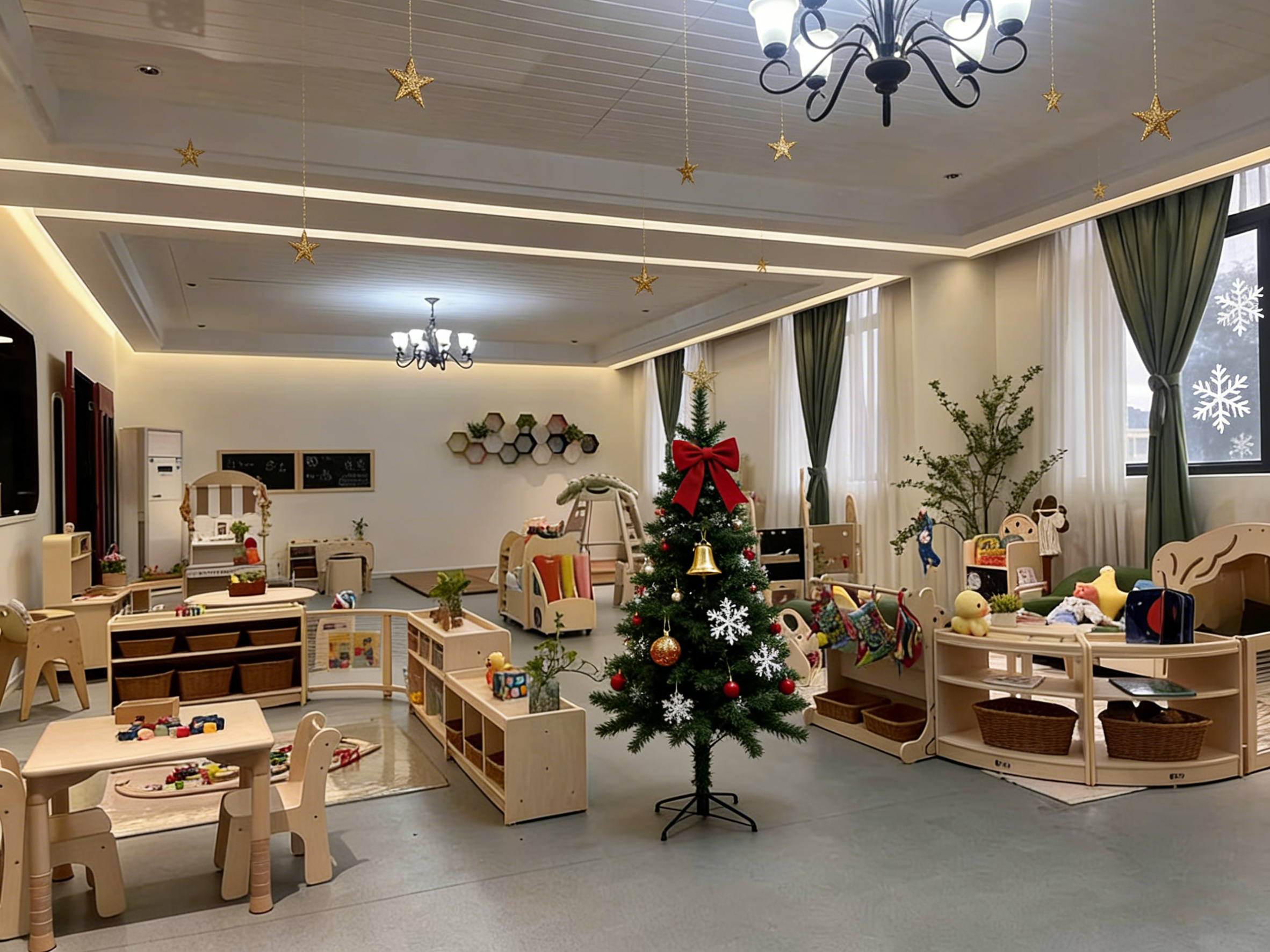
A Festive Journey Through Imagination: Experience Hikeylove's World This Christmas

25

Dec

A Festive Journey Through Imagination: Experience Hikeylove's World This Christmas

A Festive Journey Through Imagination: Experience Hikeylove's World This Christmas
View More
Welcoming 2026: A Year of Transformative Spaces for Growth and Learning

30

Dec

Welcoming 2026: A Year of Transformative Spaces for Growth and Learning

View More
How to Design a Calming and Effective Preschool Reading Corner: A Guide from Hikeylove

04

Jan

How to Design a Calming and Effective Preschool Reading Corner: A Guide from Hikeylove

View More

Get a Free Quote

Our representative will contact you soon.
Email
Name
Company Name
Mobile/WhatsApp
Message
0/1000

preschool handwashing station

Advanced Sensor Technology with Educational Integration

Advanced Sensor Technology with Educational Integration

The cutting-edge sensor technology integrated into modern preschool handwashing stations revolutionizes the traditional handwashing experience by combining touchless convenience with comprehensive educational features. These sophisticated systems utilize infrared motion detection to activate water flow automatically when children place their hands beneath the faucet, eliminating the need for physical contact with potentially contaminated surfaces. The sensors maintain precise sensitivity calibration to respond reliably to small children's hand movements while avoiding false activations from ambient motion or cleaning activities. Beyond basic activation, the technology incorporates smart timing mechanisms that encourage proper washing duration through visual and auditory cues. LED light strips change colors to indicate washing progress, starting with red for insufficient time, transitioning to yellow for adequate progress, and finally displaying green when the recommended 20-second washing period is complete. This gamification approach transforms mundane hygiene routines into engaging activities that children actively anticipate rather than resist. The integrated educational components include multilingual voice prompts that guide children through each washing step, reinforcing proper technique while accommodating diverse classroom populations. Advanced models feature customizable programming options that allow educators to adjust timing intervals, sensitivity levels, and educational content to match specific age groups or learning objectives. The sensor systems also incorporate water temperature monitoring to maintain safe, comfortable levels automatically, preventing accidental scalding while ensuring effective cleaning temperatures. Data collection capabilities enable facility managers to track usage patterns, identify peak demand periods, and optimize maintenance schedules based on actual utilization rather than arbitrary timelines. The robust sensor housing protects sensitive electronics from moisture, cleaning chemicals, and physical impact while maintaining reliable operation throughout extended service periods. Energy-efficient power management systems ensure consistent performance while minimizing electrical consumption, supporting institutional sustainability goals without compromising functionality.
Ergonomic Child-Centered Design with Safety Features

Ergonomic Child-Centered Design with Safety Features

The ergonomic design philosophy underlying quality preschool handwashing stations prioritizes child comfort, safety, and accessibility through carefully researched anthropometric considerations specific to early childhood development stages. These stations feature adjustable height mechanisms that accommodate growth variations within typical preschool age ranges, ensuring comfortable access for children between 36 and 48 inches tall without requiring step stools or adult assistance. The basin depth and width specifications prevent splashing while providing adequate space for thorough hand cleaning, with gently curved edges that eliminate sharp corners and reduce injury risks during active play periods. Anti-slip flooring surfaces surrounding the station provide secure footing even when wet, incorporating textured patterns that enhance grip while facilitating easy cleaning and maintenance. The faucet positioning optimizes water flow angles to minimize splashing onto clothing or surrounding surfaces, reducing cleanup requirements while keeping children dry and comfortable during handwashing activities. Color-coded components help young children understand proper usage procedures, with distinct visual cues for soap dispensers, water controls, and drying areas that support independent operation and reduce supervision requirements. Rounded corners throughout the station design eliminate potential impact hazards while creating a welcoming, non-threatening appearance that encourages regular use rather than avoidance. The integrated backsplash systems protect surrounding wall surfaces from water damage while incorporating educational graphics, mirrors, and instructional materials that enhance the learning experience. Drainage systems effectively manage water flow to prevent pooling or overflow conditions that could create slip hazards or unsanitary conditions. The materials selection prioritizes non-toxic, antimicrobial surfaces that resist bacterial growth while withstanding intensive cleaning protocols required in educational environments. Accessibility compliance ensures accommodation for children with physical disabilities or mobility limitations, incorporating universal design principles that benefit all users regardless of individual capabilities. Strategic placement of towel dispensers and waste receptacles maintains logical workflow patterns while teaching children about complete hygiene routines that extend beyond basic handwashing to include proper drying and disposal practices.
Comprehensive Water and Resource Management System

Comprehensive Water and Resource Management System

The sophisticated water and resource management system embedded within premium preschool handwashing stations demonstrates advanced engineering focused on sustainability, cost control, and operational efficiency while maintaining optimal hygiene standards. These systems incorporate precision flow control mechanisms that deliver appropriate water volumes for effective cleaning while eliminating wasteful overconsumption common with traditional fixtures. Variable flow rate technology adjusts water pressure automatically based on detected hand positioning, providing gentle streams for initial wetting and rinsing phases while increasing pressure during active scrubbing periods to enhance cleaning effectiveness. The integrated filtration systems ensure consistent water quality by removing chlorine, sediments, and other contaminants that might cause skin irritation or unpleasant tastes that discourage regular handwashing among sensitive young users. Temperature regulation maintains consistent, comfortable water warmth through thermostatic mixing valves that prevent sudden temperature fluctuations while conserving energy through efficient heating protocols. Soap dispensing systems deliver precisely measured portions of antimicrobial cleaning solutions formulated specifically for children's delicate skin, preventing waste while ensuring adequate cleaning agent availability for effective germ elimination. The refillable cartridge design supports various soap formulations including foam, liquid, and eco-friendly options that align with institutional preferences or special dietary restrictions. Water recycling capabilities in advanced models capture and treat rinse water for non-potable applications such as toilet flushing or landscape irrigation, significantly reducing overall facility water consumption. Smart monitoring systems track usage patterns, maintenance requirements, and supply levels through digital interfaces that alert facility managers to required interventions before operational disruptions occur. Leak detection technology immediately identifies and reports potential water loss, enabling rapid repairs that prevent property damage and resource waste. The winterization features protect stations in unheated areas through automatic drain cycles and freeze-prevention protocols that maintain functionality across seasonal temperature variations. Compliance with water efficiency standards and green building certifications supports institutional sustainability goals while potentially qualifying facilities for utility rebates or environmental recognition programs that offset initial investment costs.

Get a Free Quote

Our representative will contact you soon.
Email
Name
Company Name
Mobile/WhatsApp
Message
0/1000