Premium Preschool Furniture: Safe, Ergonomic & Flexible Educational Solutions for Early Learning Centers

Get a Free Quote

Our representative will contact you soon.
Email
Name
Company Name
Mobile/WhatsApp
Message
0/1000

preschool furniture

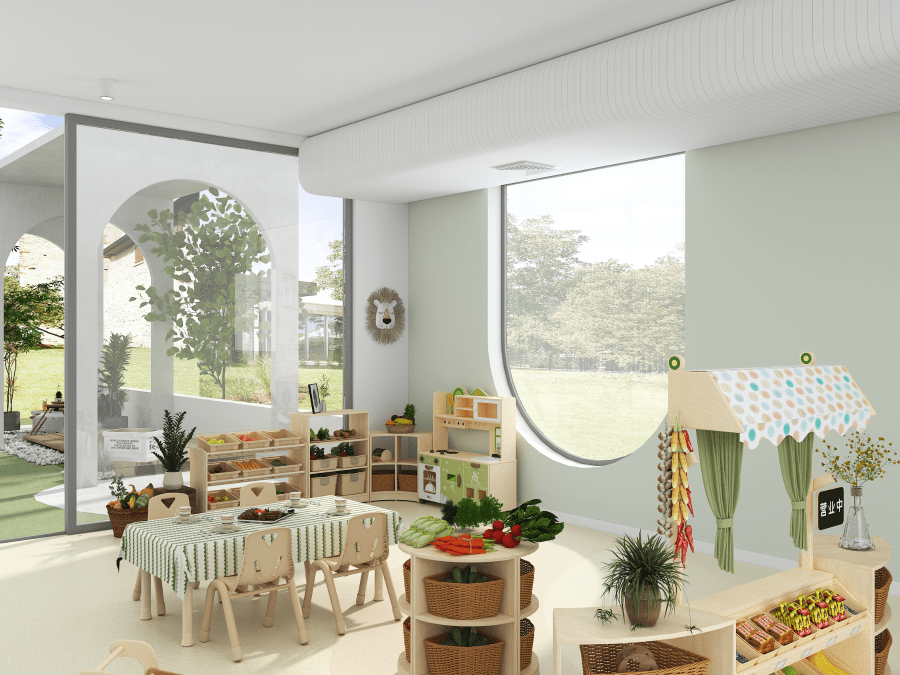
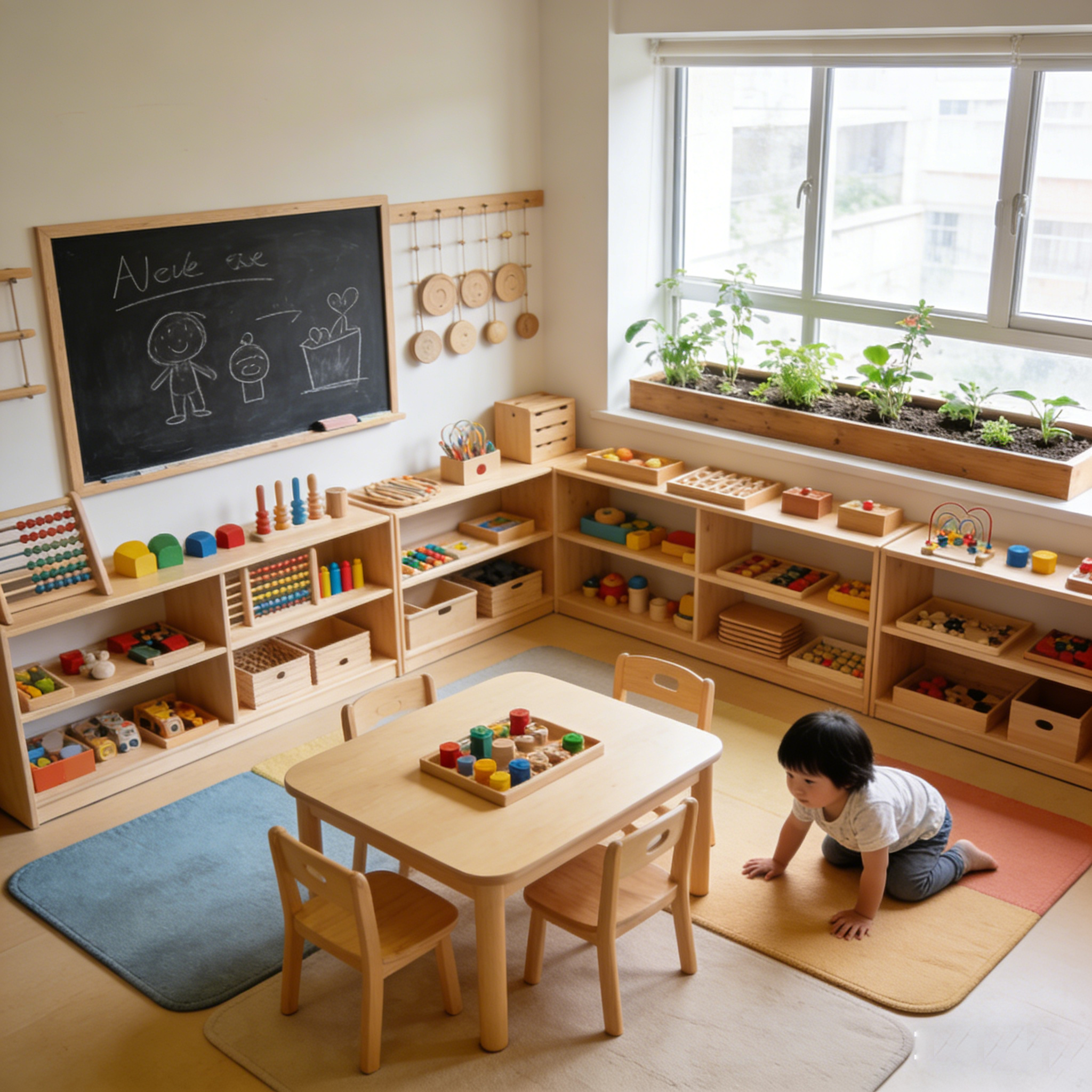
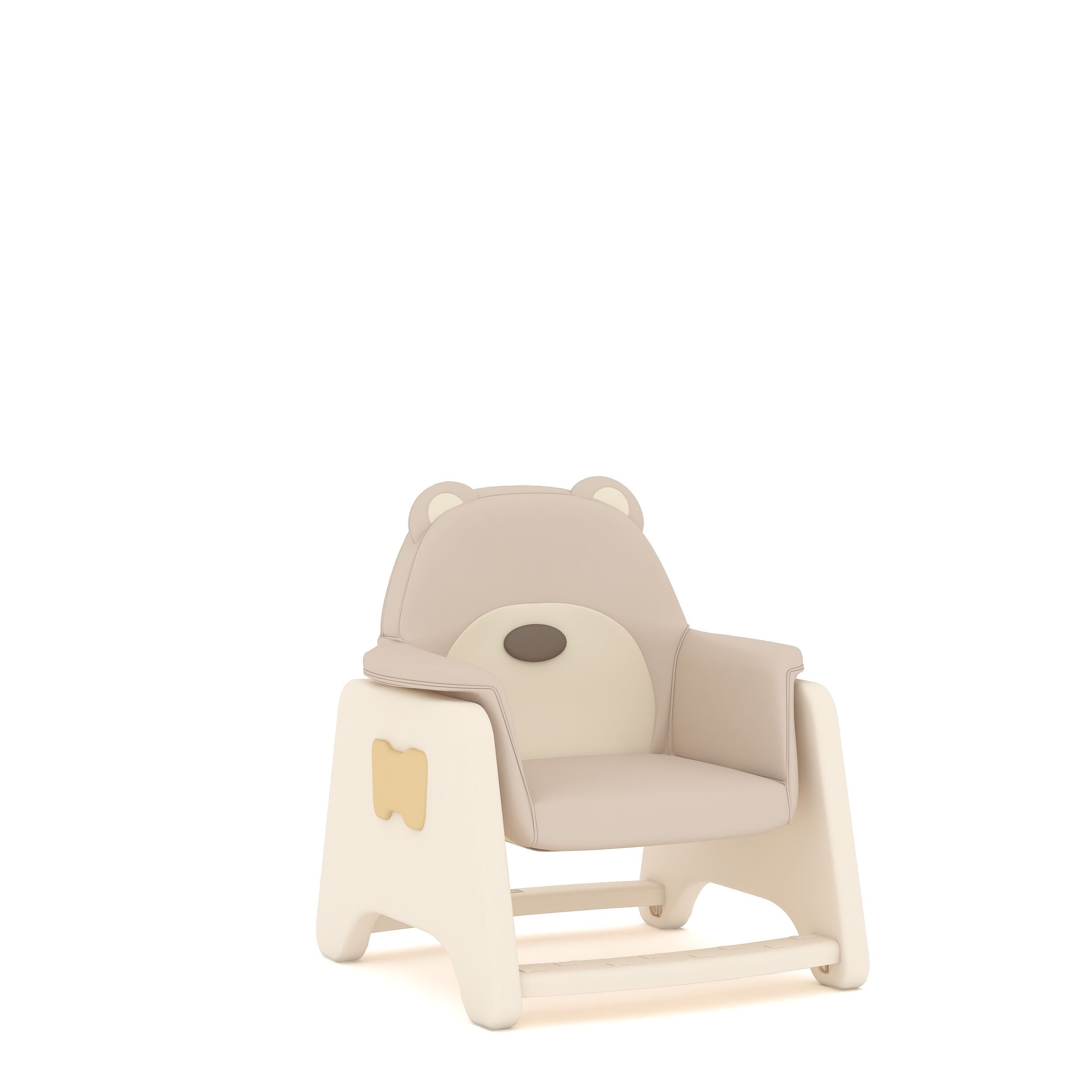
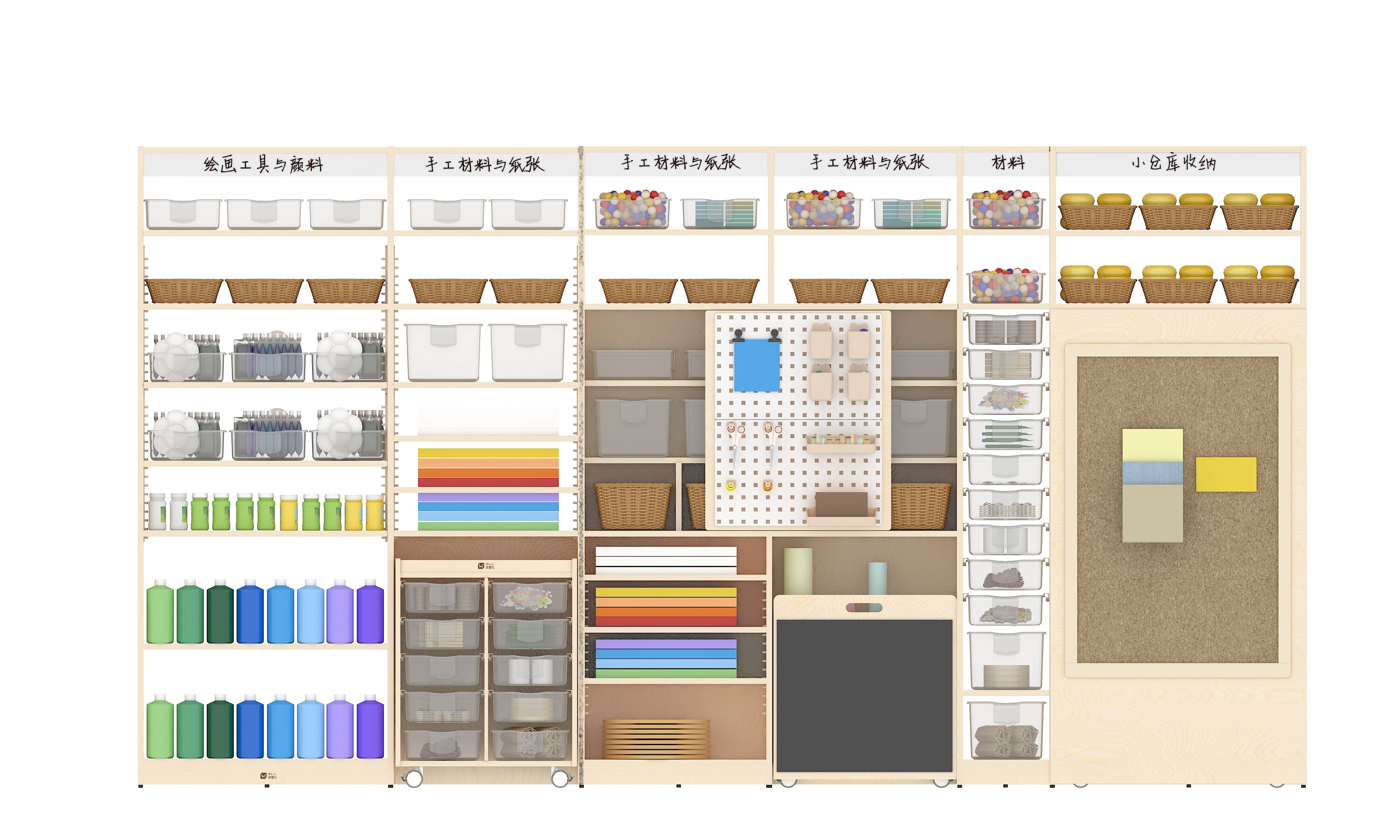
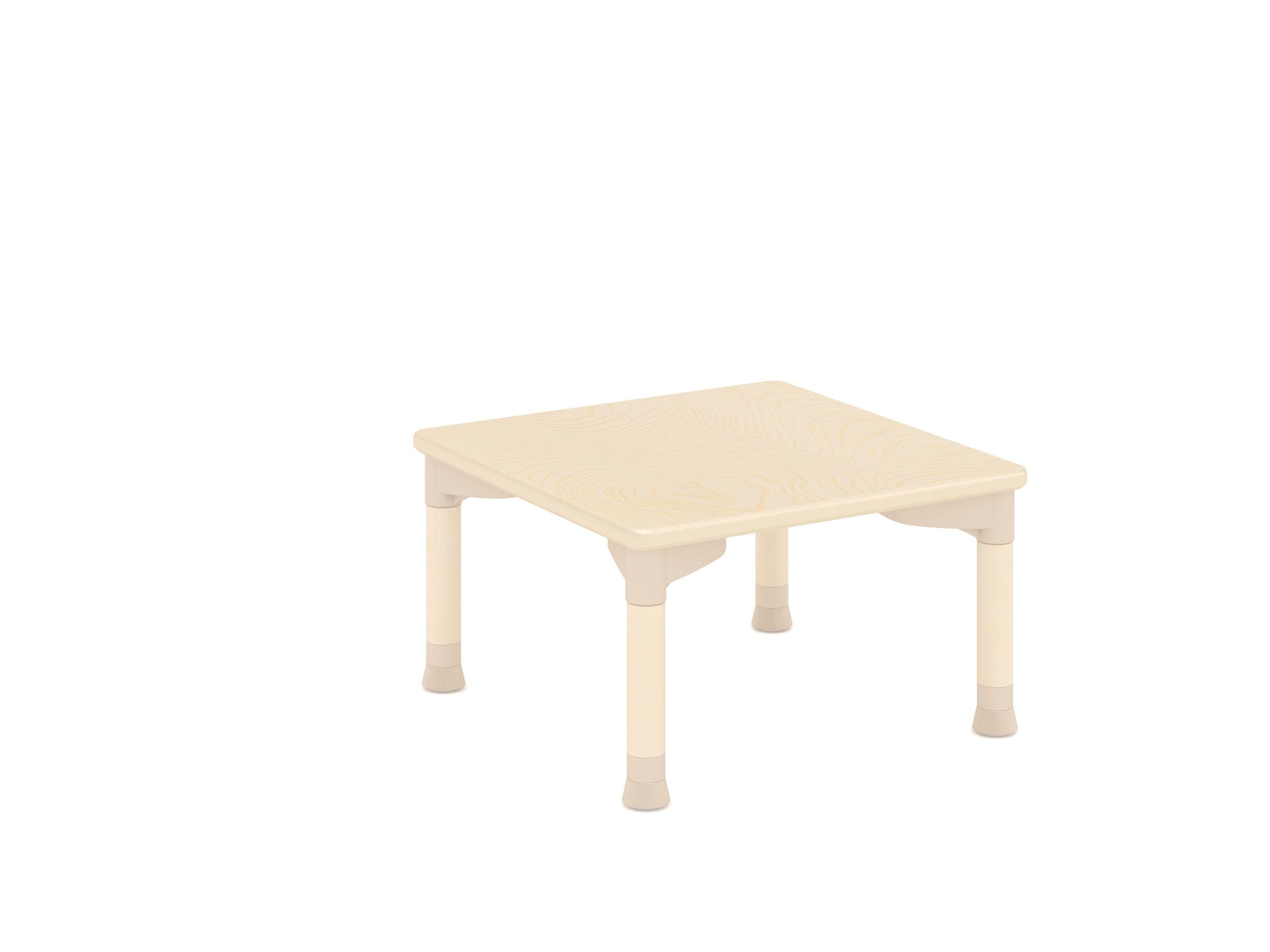
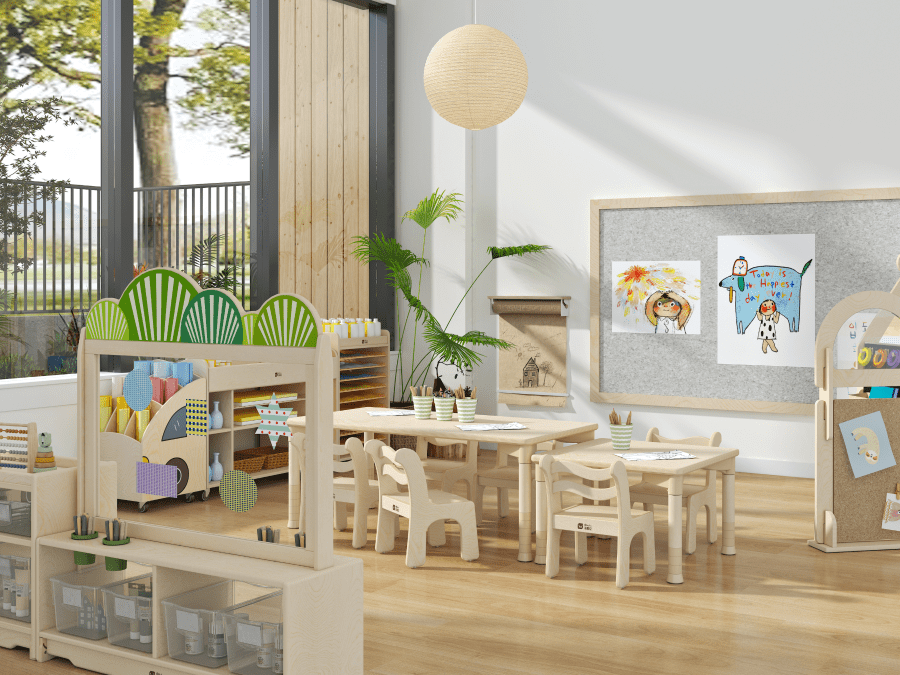
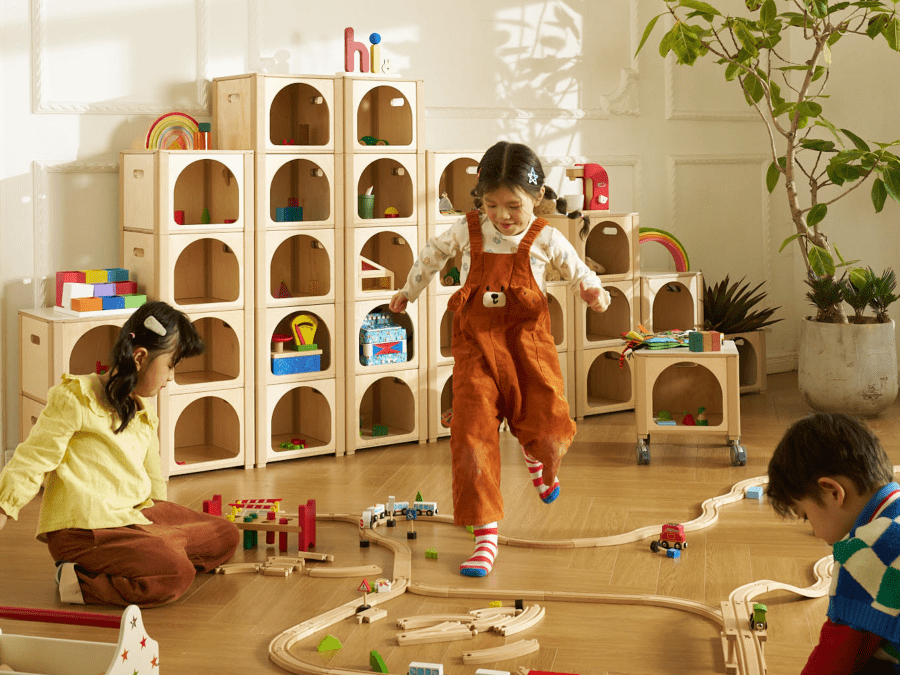
Preschool furniture represents a specialized category of educational equipment designed specifically to meet the unique developmental needs of children aged 3-6 years. This comprehensive furniture collection encompasses tables, chairs, storage solutions, play equipment, and learning stations that create safe, engaging environments where young learners can thrive. The primary function of preschool furniture extends beyond mere seating and storage, serving as foundational tools that support cognitive development, social interaction, and physical growth during these crucial formative years. Modern preschool furniture incorporates advanced safety technologies including rounded edges, non-toxic finishes, and anti-tip mechanisms that protect children while they explore and learn. These pieces feature adjustable height mechanisms that accommodate children of varying sizes, ensuring proper ergonomic support that promotes healthy posture and comfortable learning experiences. The technological innovations include scratch-resistant surfaces, easy-clean materials, and modular designs that allow educators to reconfigure spaces quickly based on different activities and learning objectives. Applications of preschool furniture span across various educational settings including daycare centers, kindergarten classrooms, home-based childcare facilities, and early childhood development centers. The furniture supports diverse activities such as arts and crafts, group reading sessions, independent play, meal times, and structured learning exercises. Storage components help maintain organized environments while encouraging children to develop responsibility and organizational skills. The thoughtful design of preschool furniture promotes collaborative learning through pieces that can be easily arranged for group activities or separated for individual work. Color-coded systems and visual cues integrated into the furniture design help young children navigate their environment independently, building confidence and decision-making abilities. Each piece undergoes rigorous testing to meet international safety standards, ensuring durability that withstands the active use typical in preschool environments while maintaining aesthetic appeal that creates welcoming, stimulating spaces for early childhood education.
Popular Products

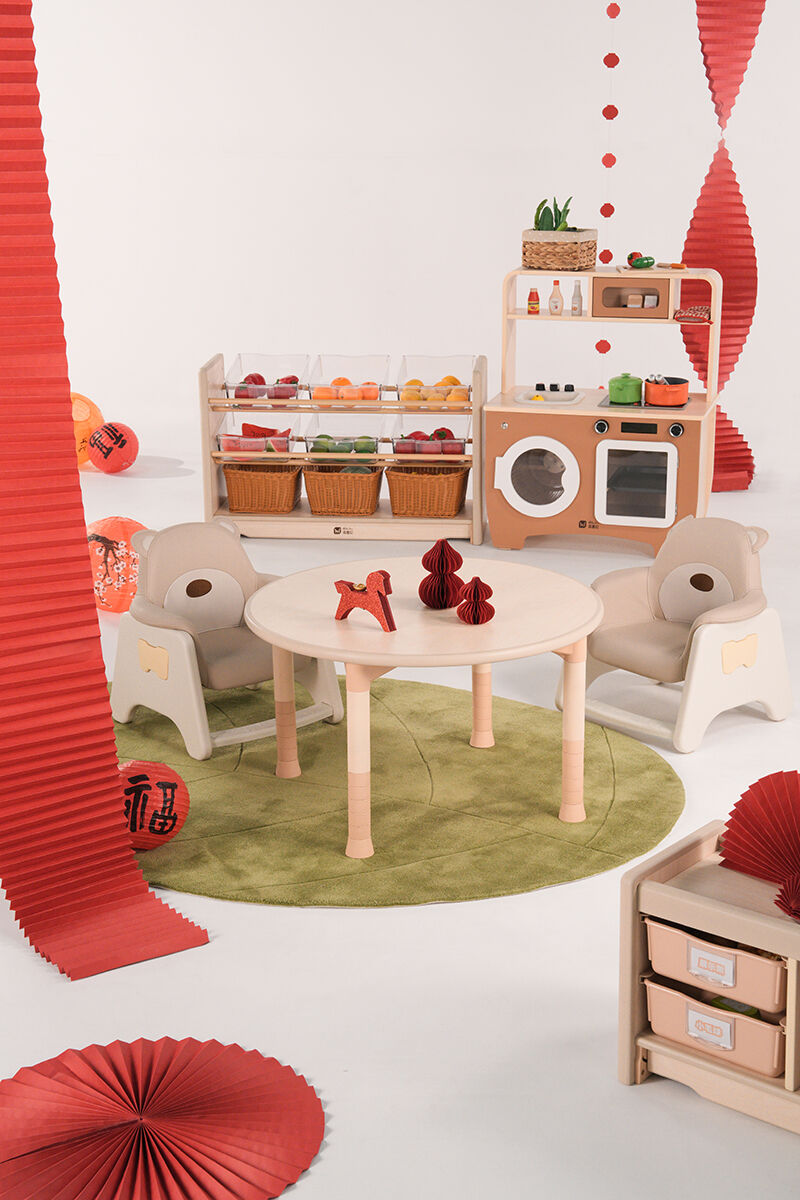
Preschool furniture delivers exceptional value through its specialized design that addresses the unique requirements of early childhood education environments. Safety stands as the primary advantage, with every piece engineered to eliminate sharp corners, pinch points, and unstable structures that could pose risks to young children. The furniture features antimicrobial surfaces that resist bacteria and germs, creating healthier learning spaces that reduce illness transmission among children and staff. Easy maintenance represents another significant benefit, as surfaces wipe clean effortlessly and materials resist stains, scratches, and damage from typical classroom activities. This durability translates directly into cost savings for educational institutions, as high-quality preschool furniture maintains its appearance and functionality for many years despite intensive daily use. The ergonomic design promotes proper posture and comfort, supporting children's physical development while they engage in various learning activities. Adjustable features accommodate children of different ages and sizes within the same classroom, maximizing the furniture's usefulness and extending its lifespan. Lightweight construction allows educators to rearrange spaces quickly, facilitating different teaching methods and activities throughout the day. Storage solutions integrated into preschool furniture help maintain organized classrooms while teaching children valuable life skills about tidiness and responsibility. The bright, appealing colors and child-friendly designs create inviting environments that stimulate learning and creativity. Modular components offer flexibility in space planning, allowing administrators to adapt rooms for different purposes or group sizes as needs change. The furniture's stability and sturdy construction provide parents and educators with confidence that children can use the equipment safely during active play and learning. Compliance with strict safety regulations ensures that institutions meet legal requirements while protecting children from potential hazards. The psychological benefits include increased independence as children can safely access and use furniture designed for their size and capabilities. Environmental considerations have led to the use of sustainable materials and manufacturing processes, appealing to eco-conscious educational institutions. The professional appearance of well-designed preschool furniture creates positive first impressions for parents and visitors while establishing credible learning environments that support educational goals and objectives.

Latest News

A Festive Journey Through Imagination: Experience Hikeylove's World This Christmas

25

Dec

A Festive Journey Through Imagination: Experience Hikeylove's World This Christmas

A Festive Journey Through Imagination: Experience Hikeylove's World This Christmas
View More
Welcoming 2026: A Year of Transformative Spaces for Growth and Learning

30

Dec

Welcoming 2026: A Year of Transformative Spaces for Growth and Learning

View More
The Hikeylove Story: 25 Years of Crafting Spaces for Childhood.

03

Jan

The Hikeylove Story: 25 Years of Crafting Spaces for Childhood.

View More
How to Design a Calming and Effective Preschool Reading Corner: A Guide from Hikeylove

04

Jan

How to Design a Calming and Effective Preschool Reading Corner: A Guide from Hikeylove

View More

Get a Free Quote

Our representative will contact you soon.
Email
Name
Company Name
Mobile/WhatsApp
Message
0/1000

preschool furniture

Advanced Safety Engineering and Child Protection Features

Advanced Safety Engineering and Child Protection Features

The cornerstone of exceptional preschool furniture lies in its comprehensive safety engineering that prioritizes child protection through innovative design elements and advanced manufacturing techniques. Every component undergoes meticulous safety analysis to eliminate potential hazards that could endanger young learners during their daily activities. Rounded corners and smooth edges prevent cuts and bruises that commonly occur when children interact with traditional furniture not designed for their age group. Anti-tip mechanisms built into storage units and tall furniture pieces prevent dangerous toppling incidents, while stable bases ensure that chairs and tables remain secure during active use. The materials used in preschool furniture manufacturing undergo extensive testing for toxic substances, ensuring that surfaces children touch, climb on, or potentially put in their mouths meet the strictest safety standards for non-toxicity. Pinch-point elimination features protect tiny fingers from getting caught in moving parts or joints, while secure locking mechanisms prevent unauthorized access to potentially dangerous storage areas. Fire-resistant treatments applied to upholstery and wooden components provide additional protection in emergency situations. The furniture's construction includes reinforced joints and stress-tested connections that withstand the vigorous use typical in preschool environments without compromising structural integrity. Scratch and splinter-resistant finishes maintain smooth surfaces that won't develop rough edges over time. Weight distribution engineering ensures that furniture remains stable even when children climb, lean, or apply uneven pressure during play activities. Compliance with international safety standards including ASTM, CPSC, and EN regulations demonstrates the manufacturer's commitment to child safety. Regular safety audits and continuous improvement processes ensure that preschool furniture evolves to address new safety concerns as they arise. The comprehensive safety approach extends to packaging and assembly instructions, providing clear guidance for proper installation and maintenance that maintains safety features throughout the furniture's lifespan.
Ergonomic Design Supporting Child Development and Learning

Ergonomic Design Supporting Child Development and Learning

Preschool furniture incorporates sophisticated ergonomic principles specifically tailored to support the physical and cognitive development of young children during their most crucial learning years. The carefully calculated dimensions, proportions, and adjustability features ensure that children maintain proper posture while engaging in various educational activities, promoting healthy spine development and reducing fatigue during extended learning sessions. Height-adjustable tables and chairs accommodate the natural growth patterns of preschoolers, allowing the same furniture to serve children effectively as they develop throughout the program year. The seat depth, backrest angle, and armrest positioning follow pediatric ergonomic guidelines that support natural sitting postures while encouraging active engagement rather than passive slouching. Footrests and floor-level seating options provide alternatives that accommodate different learning styles and physical needs, recognizing that some children learn better in varied positions. The ergonomic design extends beyond seating to include accessible storage heights that allow children to reach materials independently without straining or requiring adult assistance, fostering autonomy and confidence. Work surface angles can be adjusted to support different activities, from flat surfaces ideal for puzzle work to slightly inclined surfaces that reduce neck strain during reading or drawing activities. The furniture's proportions encourage social interaction by positioning children at appropriate heights relative to each other, facilitating eye contact and communication during group activities. Mobility features such as lightweight construction and smooth-rolling casters enable children to rearrange their learning environment safely, developing spatial awareness and problem-solving skills. The ergonomic benefits extend to fine motor skill development, with appropriately sized handles, knobs, and interactive elements that challenge children's dexterity without causing frustration. Color psychology principles incorporated into the ergonomic design create visually comfortable environments that reduce eye strain and promote focus. The furniture's tactile qualities, including texture variations and temperature-neutral surfaces, provide sensory feedback that supports tactile learning and comfort throughout long school days.
Modular Flexibility and Space Optimization Solutions

Modular Flexibility and Space Optimization Solutions

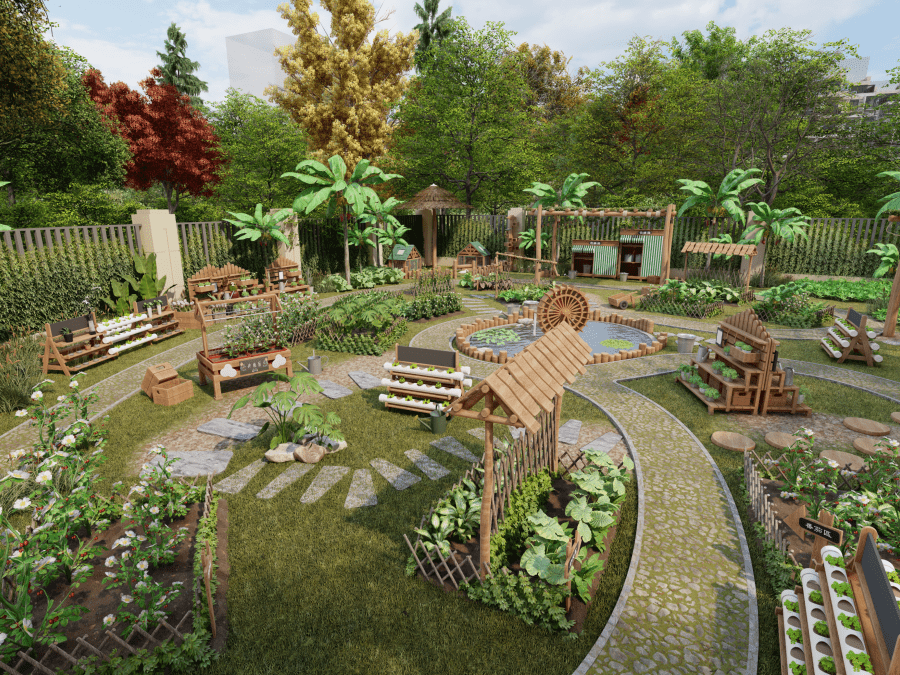
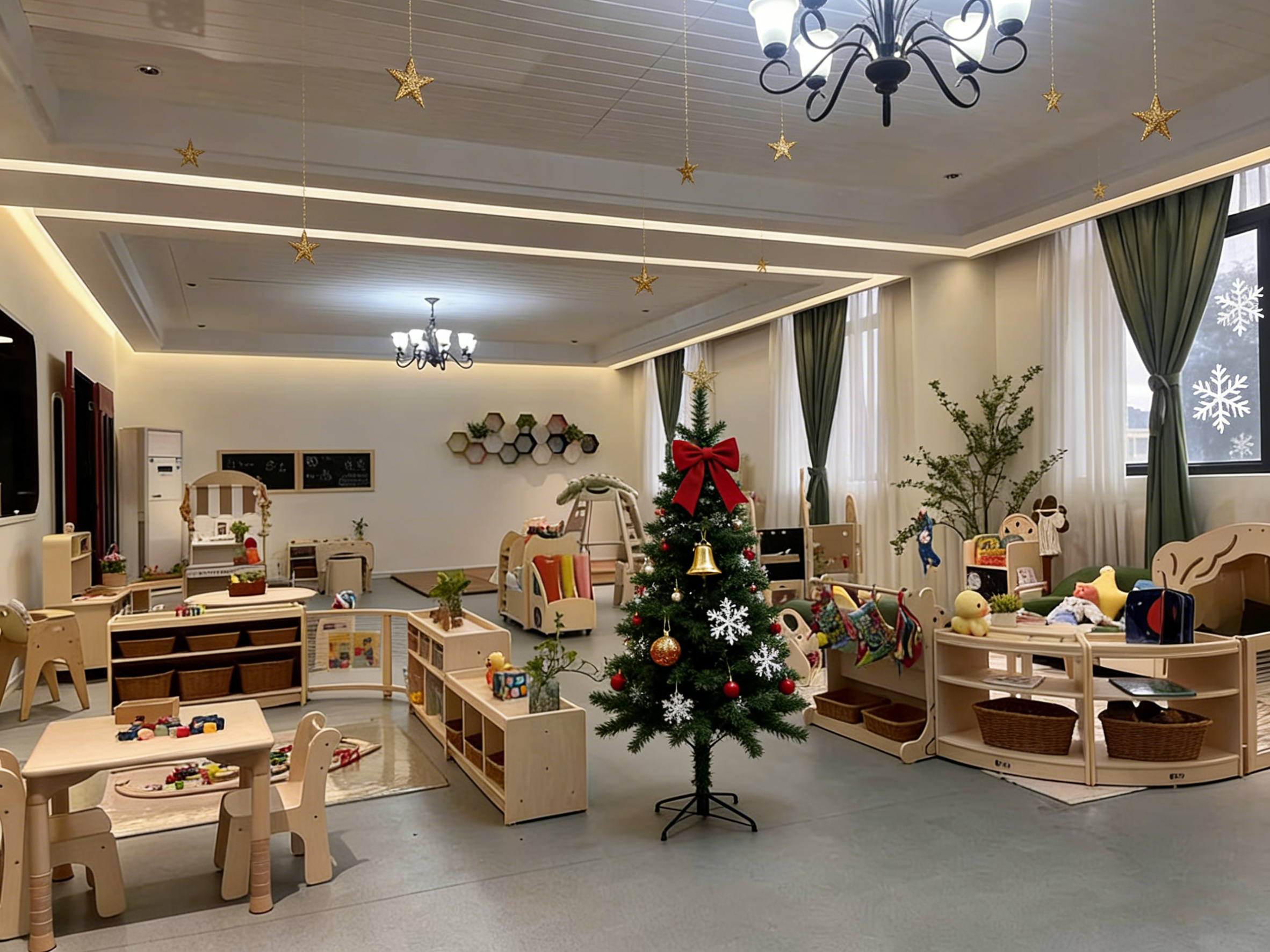
The innovative modular design of modern preschool furniture revolutionizes classroom space utilization by providing unprecedented flexibility that adapts to diverse educational approaches and changing program needs throughout the academic year. This systematic approach to furniture design allows educators to transform their learning environments quickly and efficiently, supporting different teaching methodologies from traditional structured lessons to contemporary collaborative learning experiences. Individual furniture pieces connect seamlessly with others in the collection, creating larger configurations for group activities or separating into individual work stations for focused learning time. The modular system accommodates various classroom layouts, from open-concept spaces that encourage free movement and exploration to defined learning centers that support specific educational objectives. Quick-connect mechanisms eliminate the need for tools during reconfiguration, empowering teachers to adapt their spaces multiple times daily based on planned activities and spontaneous learning opportunities. Storage modules integrate with learning stations, creating comprehensive activity centers that keep materials organized and easily accessible while maintaining clean sight lines throughout the classroom. The flexibility extends to vertical space utilization, with stackable components that maximize storage in limited square footage while remaining accessible to young children. Multi-functional pieces serve various purposes throughout the day, such as storage units that double as room dividers or seating that transforms into play surfaces. The modular approach supports different group sizes, from individual work to small groups to full-class activities, without requiring separate furniture sets for each configuration. Expansion capabilities allow programs to add components as enrollment grows or educational needs evolve, protecting the initial furniture investment while maintaining design continuity. The system accommodates special needs students through specialized modular components that integrate seamlessly with standard pieces, promoting inclusion while meeting individual accessibility requirements. Seasonal and thematic reconfigurations become simple tasks, enabling teachers to refresh their environments regularly to maintain student engagement and excitement about learning. The modular flexibility supports outdoor learning initiatives, with weather-resistant components that extend educational spaces beyond traditional classroom boundaries while maintaining the familiar furniture system that children recognize and trust.

Get a Free Quote

Our representative will contact you soon.
Email
Name
Company Name
Mobile/WhatsApp
Message
0/1000