Professional Preschool Classroom Design: Creating Safe, Engaging Learning Environments for Early Childhood Development

Get a Free Quote

Our representative will contact you soon.
Email
Name
Company Name
Mobile/WhatsApp
Message
0/1000

preschool classroom design

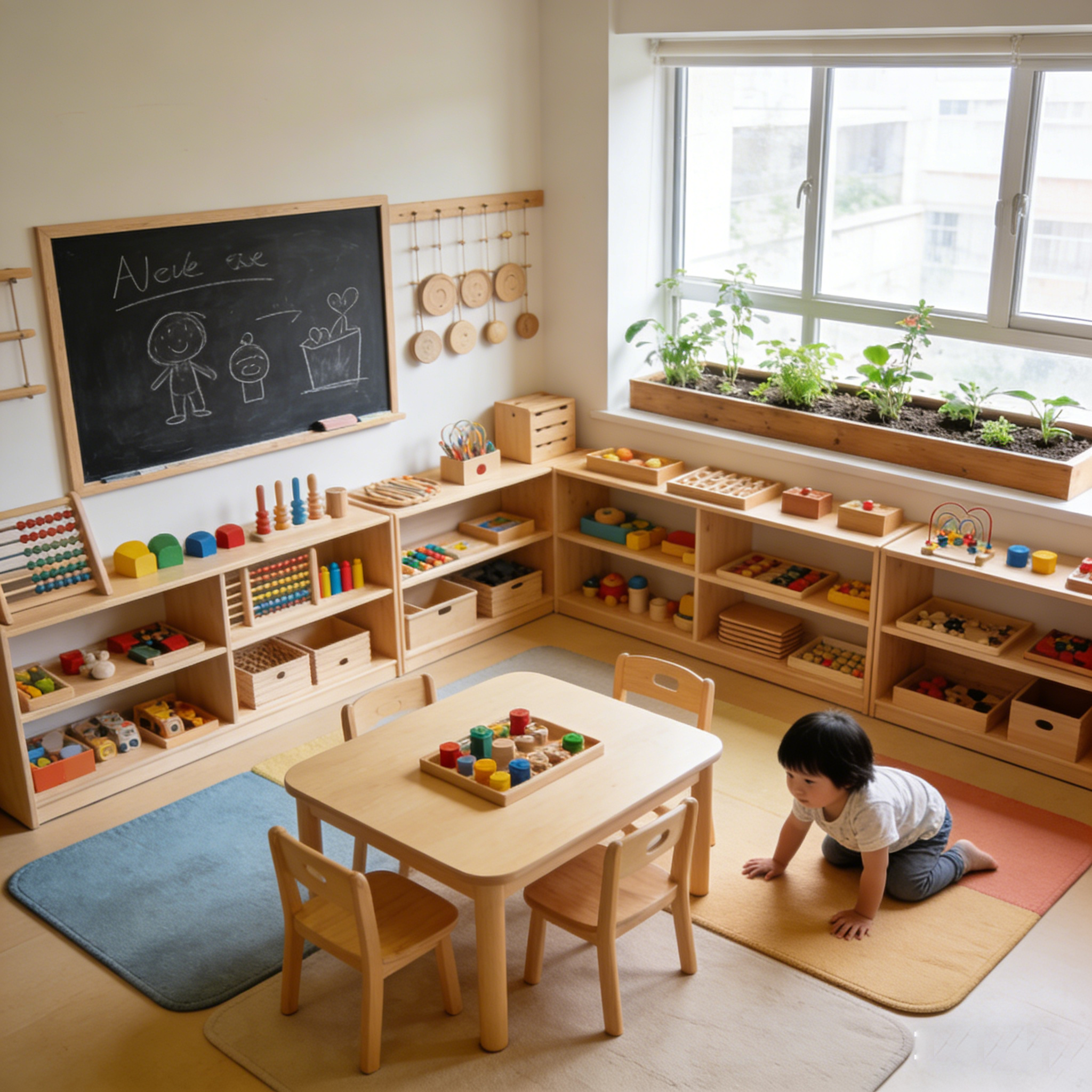
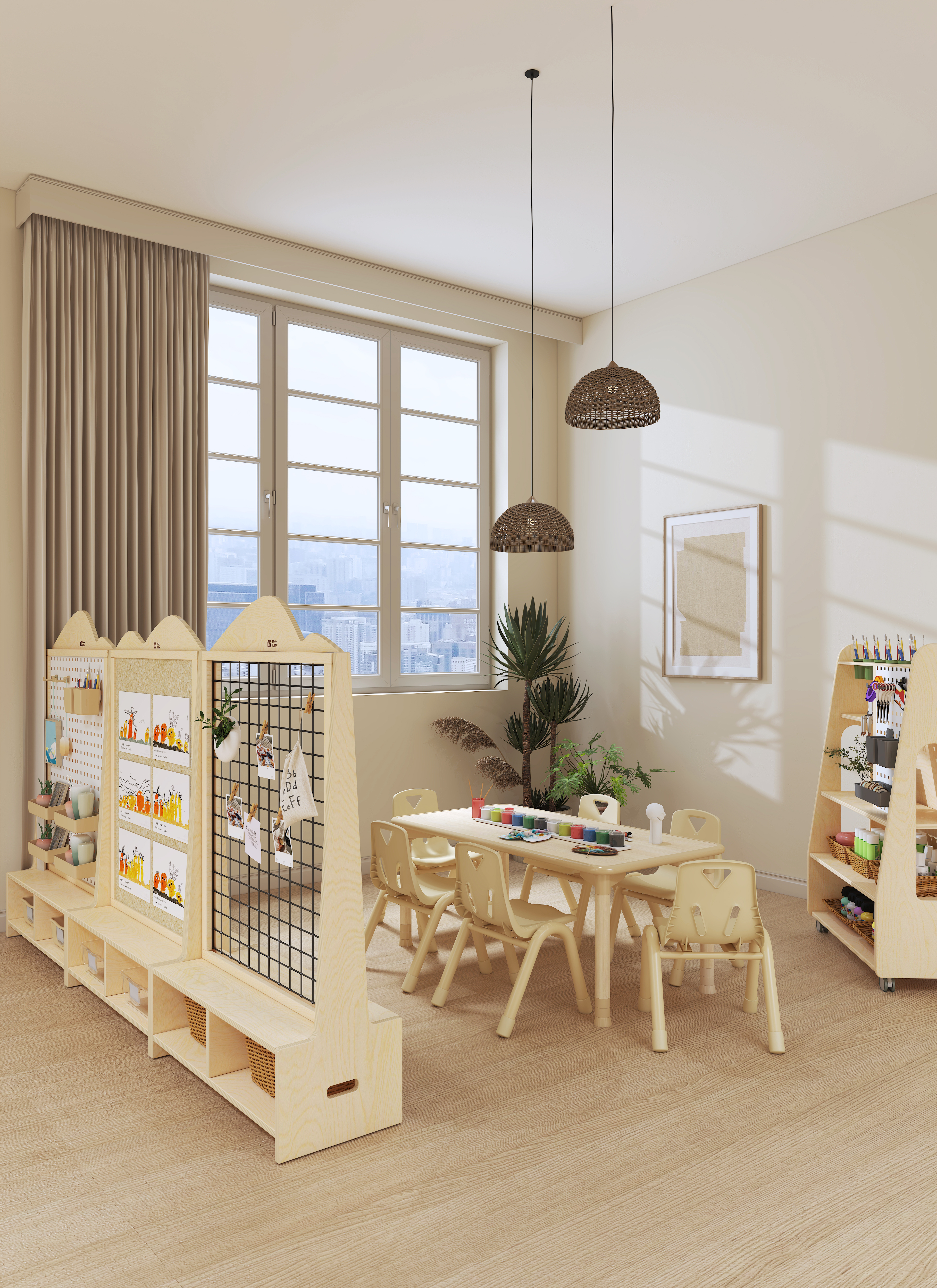
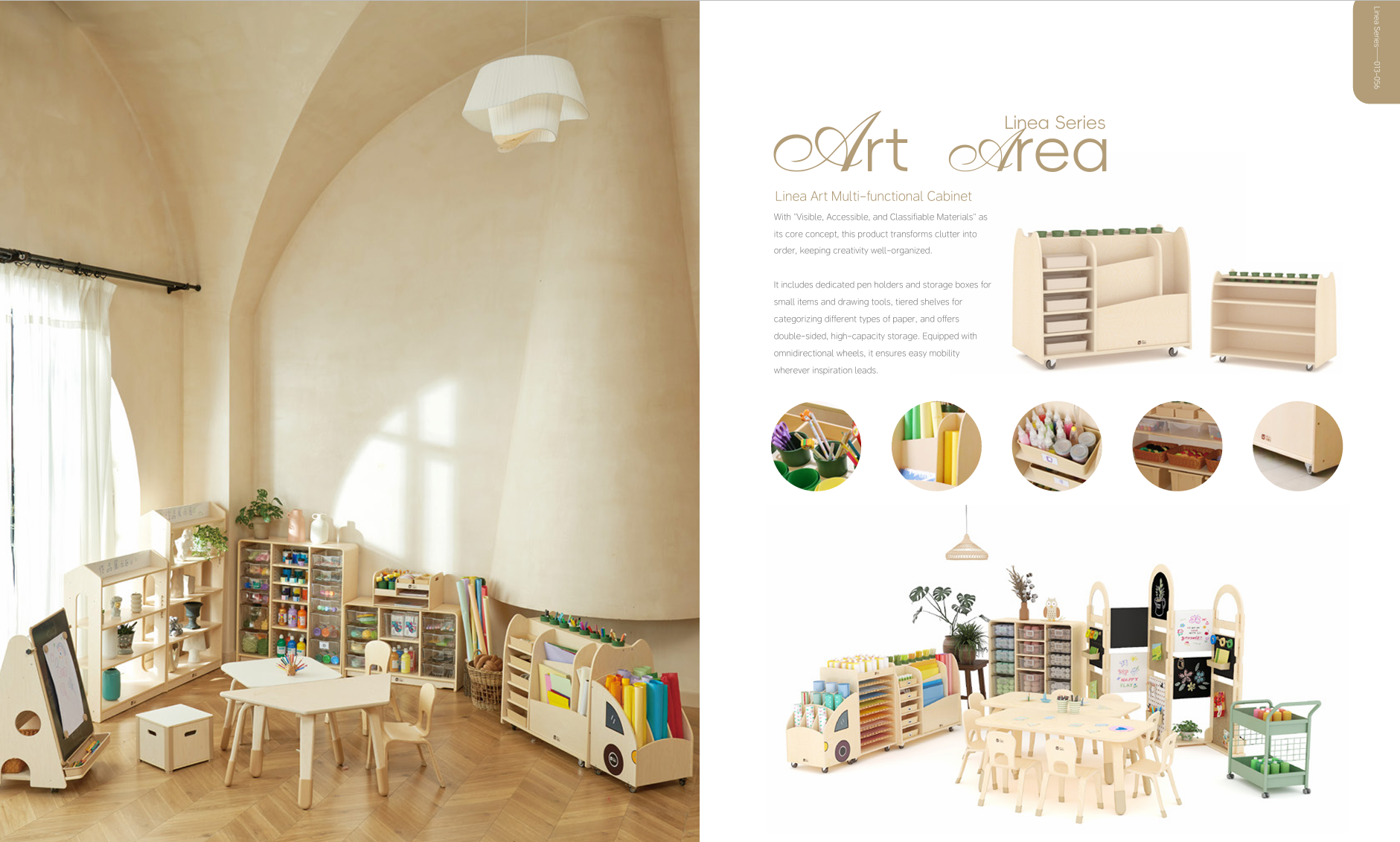
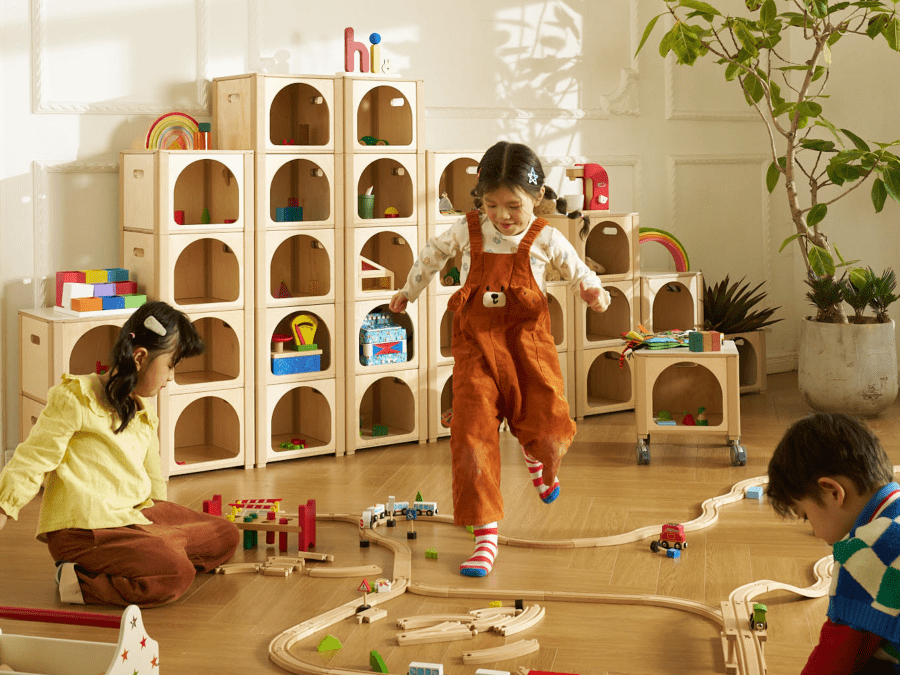
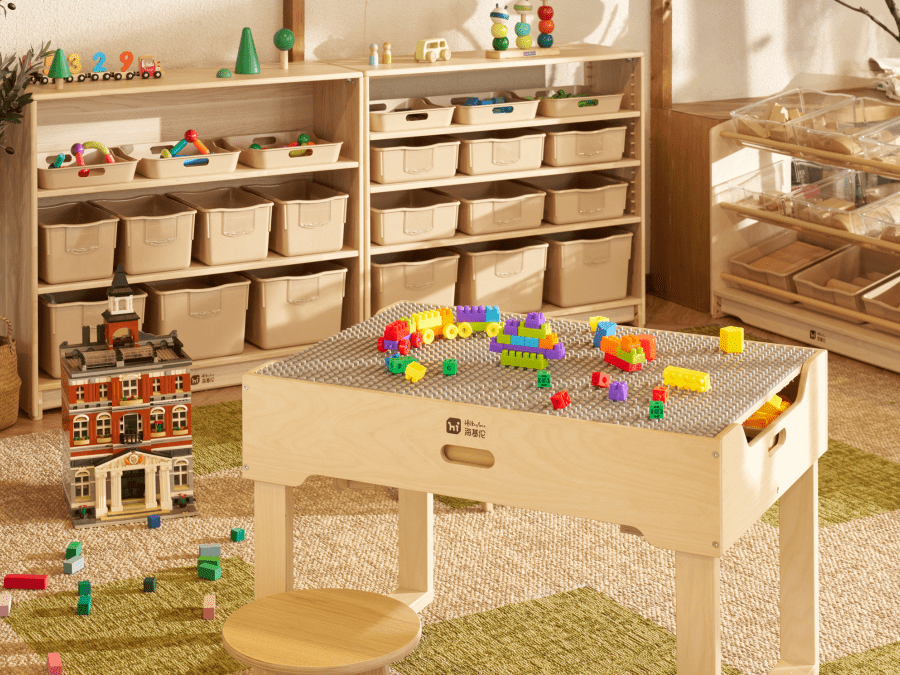
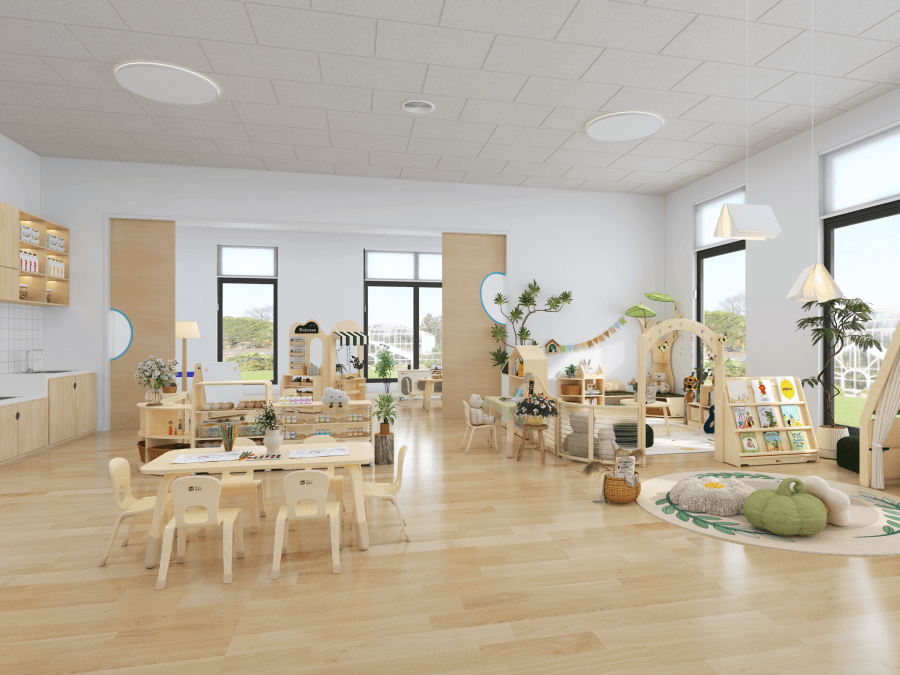
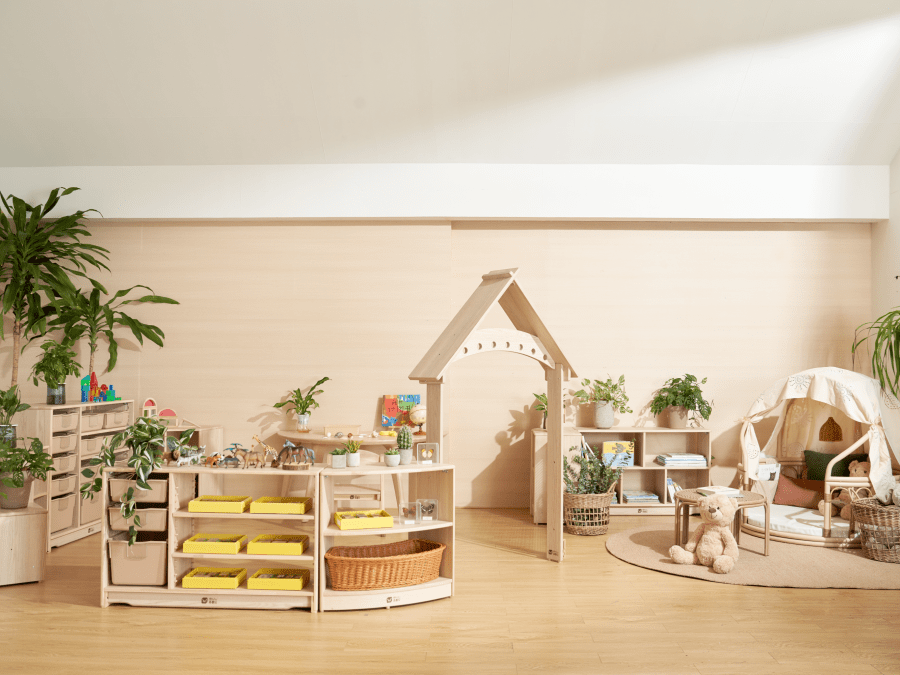
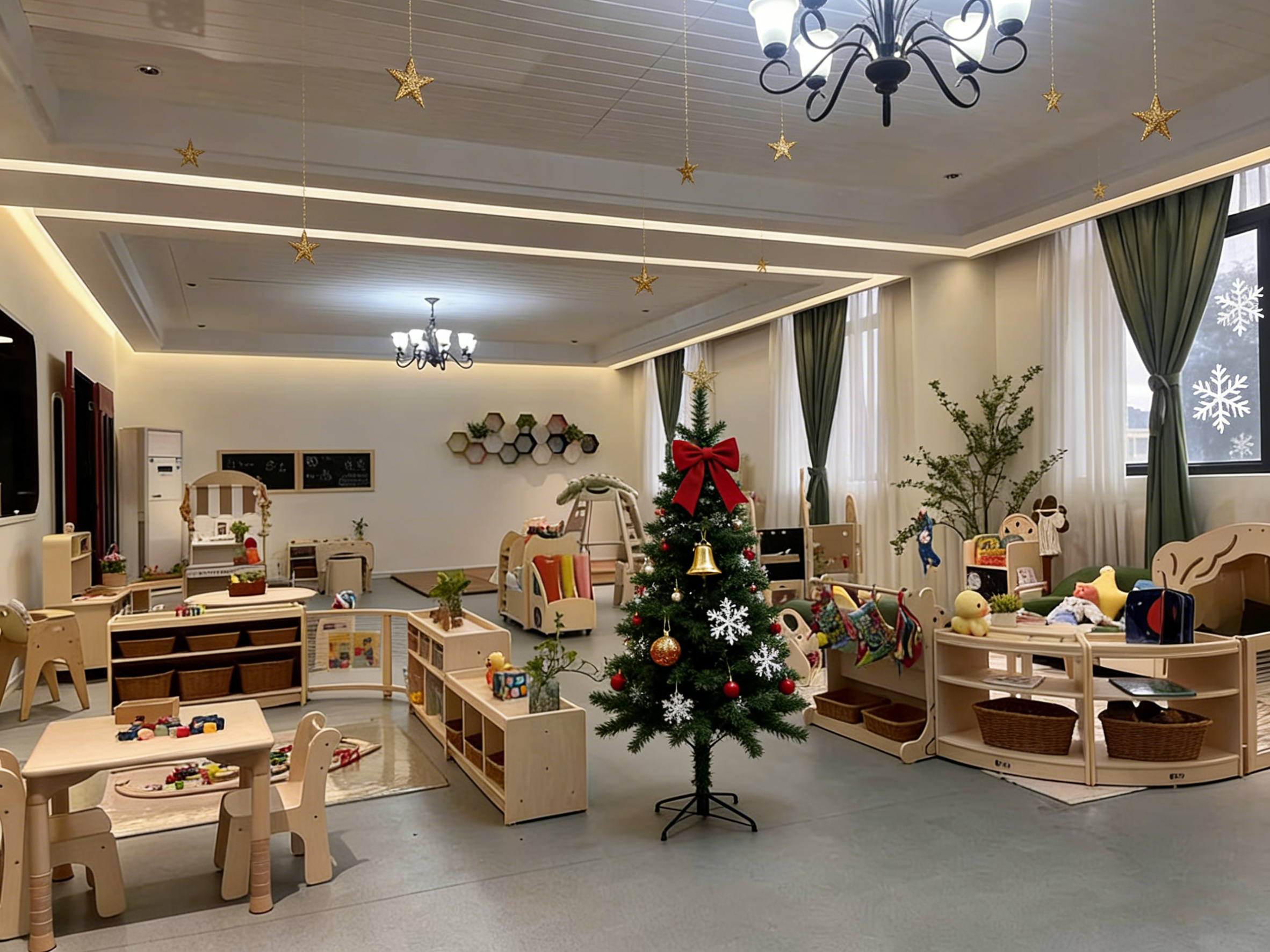
Preschool classroom design represents a comprehensive approach to creating educational environments specifically tailored for children aged three to five years. This specialized design methodology encompasses spatial planning, furniture selection, safety considerations, and educational resource integration to foster optimal learning experiences. The main functions of preschool classroom design include establishing dedicated learning zones, promoting social interaction, ensuring child safety, and supporting diverse educational activities through thoughtful space allocation. Modern preschool classroom design incorporates advanced technological features such as interactive whiteboards, age-appropriate tablets, sound systems for music and storytelling, and smart lighting controls that adjust to different activities throughout the day. These technological elements seamlessly integrate with traditional learning materials to create dynamic educational environments. The applications of preschool classroom design extend beyond basic education delivery, encompassing emotional development support, creativity enhancement, motor skill development, and social behavior cultivation. Effective preschool classroom design creates distinct areas for various activities including reading corners, art stations, dramatic play zones, building blocks areas, and quiet spaces for individual reflection. The design considers acoustic management to minimize noise disruption while maintaining clear communication channels between teachers and students. Color psychology plays a crucial role, with carefully selected palettes that stimulate learning while avoiding overstimulation. Storage solutions are strategically positioned to encourage independence and organization skills among young learners. Natural lighting optimization and proper ventilation systems ensure healthy physical environments that support cognitive development. Flexible furniture arrangements allow educators to adapt spaces for different group sizes and activities, while durable materials withstand the energetic nature of preschool children while maintaining aesthetic appeal and functionality.

Popular Products

The advantages of professional preschool classroom design deliver significant practical benefits that directly impact educational outcomes and operational efficiency. Well-planned preschool classroom design reduces teacher workload by creating intuitive layouts where materials are easily accessible and children can navigate independently, allowing educators to focus more on instruction and less on classroom management. Safety benefits represent paramount advantages, as proper preschool classroom design eliminates hazardous corners, incorporates non-slip flooring, ensures appropriate furniture heights, and creates clear sightlines for constant supervision. These safety measures reduce accident rates and insurance liabilities while providing peace of mind for administrators and parents. Enhanced learning outcomes emerge from thoughtfully designed spaces that cater to different learning styles and developmental needs, with designated areas supporting kinesthetic, visual, and auditory learners simultaneously. The economic advantages of quality preschool classroom design include reduced maintenance costs through durable material selection, lower utility expenses via energy-efficient lighting and climate control systems, and decreased replacement costs for furniture designed to withstand daily use. Improved enrollment rates often result from attractive, well-organized classrooms that impress prospective parents during facility tours, directly impacting revenue generation. Student engagement increases dramatically in properly designed environments where children feel comfortable, secure, and stimulated, leading to better behavioral outcomes and reduced disciplinary issues. Teacher satisfaction and retention improve in well-designed spaces that support effective instruction and reduce physical strain from poorly positioned equipment. The flexibility inherent in quality preschool classroom design allows programs to adapt to changing curriculum requirements, different group sizes, and evolving educational philosophies without major renovations. Space optimization maximizes enrollment capacity while maintaining appropriate child-to-space ratios required by licensing regulations. Professional preschool classroom design also enhances program reputation within the community, attracts quality staff members, and supports accreditation efforts through demonstrated commitment to providing superior educational environments for young children's developmental needs.

Latest News

Hikeylove at the 86th China Educational Equipment Show: Where Thoughtful Spaces Meet the Future of Early Learning

11

Dec

Hikeylove at the 86th China Educational Equipment Show: Where Thoughtful Spaces Meet the Future of Early Learning

View More
A Festive Journey Through Imagination: Experience Hikeylove's World This Christmas

25

Dec

A Festive Journey Through Imagination: Experience Hikeylove's World This Christmas

A Festive Journey Through Imagination: Experience Hikeylove's World This Christmas
View More
The Hikeylove Story: 25 Years of Crafting Spaces for Childhood.

03

Jan

The Hikeylove Story: 25 Years of Crafting Spaces for Childhood.

View More
How to Design a Calming and Effective Preschool Reading Corner: A Guide from Hikeylove

04

Jan

How to Design a Calming and Effective Preschool Reading Corner: A Guide from Hikeylove

View More

Get a Free Quote

Our representative will contact you soon.
Email
Name
Company Name
Mobile/WhatsApp
Message
0/1000

preschool classroom design

Revolutionary Multi-Zone Learning Architecture

Revolutionary Multi-Zone Learning Architecture

The revolutionary multi-zone learning architecture represents the cornerstone advantage of modern preschool classroom design, transforming traditional single-purpose spaces into dynamic educational ecosystems that simultaneously support multiple learning objectives. This innovative approach divides the classroom into strategically positioned zones, each designed to facilitate specific developmental goals while maintaining visual connectivity and supervision capabilities. The reading zone features comfortable seating arrangements with appropriate lighting levels and book storage systems that encourage independent exploration of literature while developing early literacy skills. Adjacent to this, the STEM discovery zone incorporates hands-on learning materials, age-appropriate scientific instruments, and construction materials that foster critical thinking and problem-solving abilities. The creative arts zone provides mess-friendly surfaces, storage for art supplies, and display areas for student work, encouraging self-expression and fine motor skill development. Dramatic play areas simulate real-world environments where children develop social skills, language acquisition, and emotional intelligence through role-playing activities. The quiet reflection zone offers a peaceful retreat space where overstimulated children can decompress and practice self-regulation skills essential for emotional development. This multi-zone architecture addresses the reality that preschool children have varying attention spans and learning preferences throughout the day, allowing teachers to guide small groups or individuals to appropriate zones based on current developmental needs and interests. The seamless integration between zones prevents the fragmentation often seen in poorly planned spaces, instead creating natural transition paths that children can navigate independently. This design philosophy recognizes that effective early childhood education occurs through play-based learning experiences that engage multiple senses and learning modalities simultaneously, making the multi-zone approach essential for comprehensive child development and preparing students for future academic success.
Advanced Safety and Accessibility Integration

Advanced Safety and Accessibility Integration

Advanced safety and accessibility integration distinguishes superior preschool classroom design through comprehensive risk mitigation strategies and universal design principles that protect all children while promoting independence and confidence. This sophisticated approach goes beyond basic safety requirements to create environments where children with diverse physical, cognitive, and sensory abilities can participate fully in educational activities. Rounded furniture edges eliminate sharp corners that pose injury risks, while non-toxic materials ensure safe exploration even when children engage in typical mouthing behaviors. Slip-resistant flooring provides stable footing during active play while cushioned areas beneath climbing equipment minimize injury potential. Strategic placement of emergency exits ensures rapid evacuation capabilities while maintaining security protocols that prevent unauthorized access. Visual supervision enhancements include lowered sight barriers and strategically positioned mirrors that allow teachers to monitor all areas simultaneously without creating institutional atmospheres. Accessibility features incorporate adjustable-height work surfaces that accommodate wheelchairs and children of varying statures, while tactile indicators assist visually impaired students in navigating independently. Audio enhancement systems ensure hearing-impaired children can participate fully in group activities and instruction. Behavioral safety measures include calm-down spaces designed to de-escalate conflicts and provide emotional regulation support for children experiencing overwhelming feelings. The integration extends to storage systems positioned at child-accessible heights while keeping potentially dangerous materials secured in adult-access areas. Air quality management through proper ventilation systems reduces illness transmission and maintains healthy learning environments. Temperature control systems prevent discomfort that can lead to behavioral issues while maintaining energy efficiency. These comprehensive safety and accessibility measures create inclusive environments where all children feel secure and capable, leading to increased confidence, better learning outcomes, and reduced liability concerns for educational providers while demonstrating commitment to serving diverse community populations effectively.
Smart Technology Integration for Enhanced Learning

Smart Technology Integration for Enhanced Learning

Smart technology integration represents the cutting-edge evolution of preschool classroom design, seamlessly blending digital tools with traditional learning methodologies to create immersive educational experiences that prepare children for increasingly digital futures. This sophisticated integration goes far beyond simple technology placement, instead creating interconnected systems that respond to pedagogical needs and enhance rather than replace human interaction. Interactive display systems transform lessons into engaging multimedia experiences where children can manipulate digital objects, explore virtual environments, and collaborate on projects that would be impossible in traditional settings. These systems respond to touch, gesture, and voice commands, accommodating different learning styles and physical abilities while maintaining age-appropriate interfaces that prevent overwhelming young users. Integrated sound systems provide crystal-clear audio for music instruction, story time, and language learning activities, with zone-specific controls that prevent interference between simultaneous activities. Digital documentation systems allow teachers to capture learning moments, track individual progress, and share achievements with families through secure platforms that maintain privacy while celebrating growth. Programmable lighting systems adjust throughout the day to support circadian rhythms and activity-specific needs, with warmer tones during rest periods and brighter illumination for detailed work. Environmental monitoring systems track air quality, temperature, and noise levels, alerting staff to conditions that might impact learning or health. These smart technologies collect anonymous usage data that helps educators optimize space utilization and identify areas needing design modifications. The integration includes robust safety protocols with automatic systems that monitor child locations, restrict access to inappropriate content, and provide emergency communication capabilities. Power management systems ensure devices remain charged and available while preventing electrical hazards through tamper-proof installations. This technological sophistication attracts families seeking progressive educational approaches while providing teachers with powerful tools for differentiated instruction, assessment, and communication, ultimately creating learning environments that bridge traditional early childhood education principles with contemporary technological capabilities essential for modern educational success.

Get a Free Quote

Our representative will contact you soon.
Email
Name
Company Name
Mobile/WhatsApp
Message
0/1000